Does Cataclean Clean Oxygen Sensors The Essential Answer
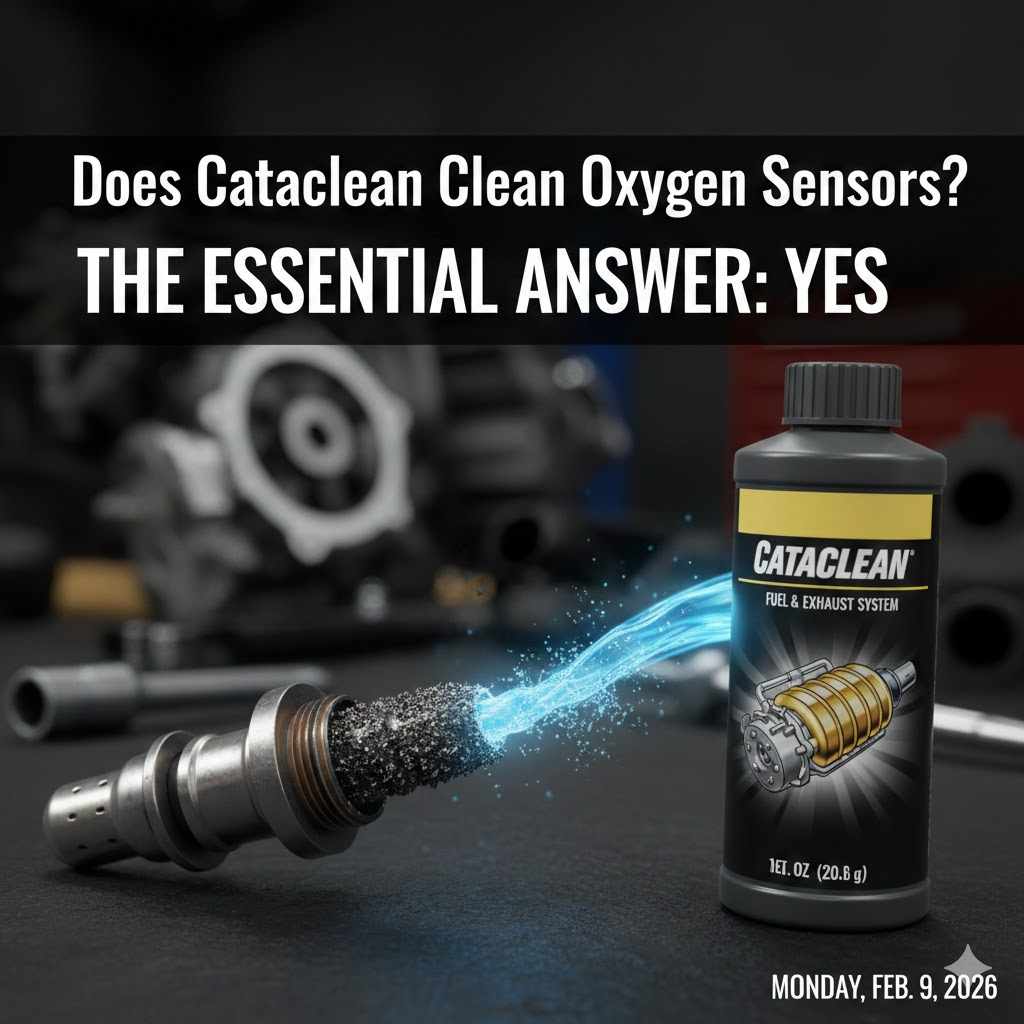
Yes, Cataclean can clean your oxygen sensors, but it works indirectly. As Cataclean’s formula moves through your exhaust system, its active ingredients turn into vapors that dissolve the soft carbon and soot buildup coating the sensor’s tip. This helps restore its ability to read the exhaust gases accurately and can often resolve minor performance issues or check engine lights.
Is your check engine light glowing on the dashboard? Are you noticing your car isn’t getting the gas mileage it used to? Often, a dirty oxygen sensor is the culprit. It’s a small part with a big job, and when it gets clogged, it can cause all sorts of frustrating problems. Many people wonder if a simple fuel additive can fix it without a costly trip to the mechanic.
You’re in the right place. I’m Monowar Shohag, and I’m here to make your car’s exhaust system easy to understand. Today, we’re going to look at one of the most popular solutions on the market: Cataclean. We’ll explore exactly what it does, how it works, and whether it’s the right fix for your oxygen sensor woes. Let’s get your car running smoothly again!
What is an Oxygen Sensor and Why Does It Get Dirty?
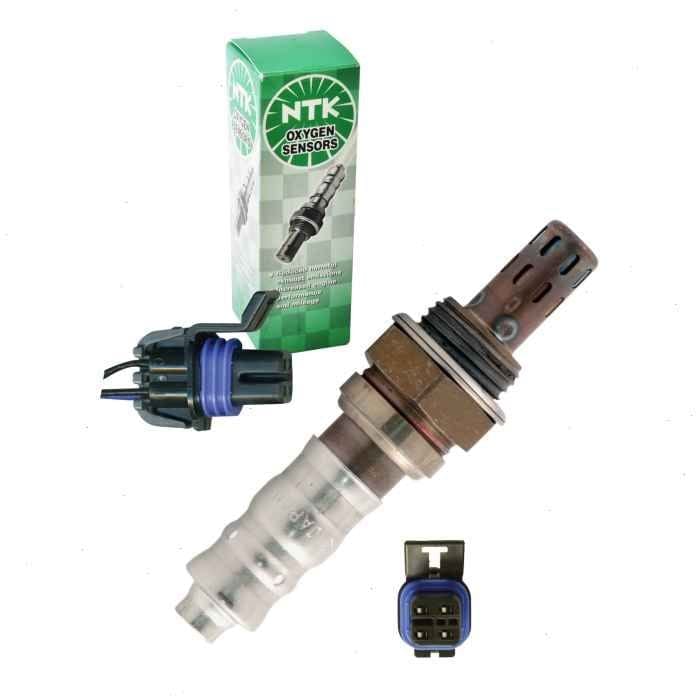
Before we dive into the solution, let’s understand the problem. Think of your oxygen sensor (also called an O2 sensor) as your car’s nose. It sits in the exhaust pipe and “sniffs” the gases coming out of your engine. Its main job is to measure how much unburned oxygen is in the exhaust.
It then sends this information to your car’s main computer, the Engine Control Unit (ECU). The ECU uses this data to adjust the air-to-fuel mixture in real-time. If there’s too much oxygen, the computer adds more fuel. If there’s too little, it cuts back. This constant balancing act is crucial for:
- Fuel Efficiency: Ensuring you get the most miles per gallon.
- Engine Performance: Keeping your engine running smoothly and powerfully.
- Low Emissions: Making sure your car pollutes as little as possible.
Most modern cars have at least two oxygen sensors: one “upstream” (before the catalytic converter) and one “downstream” (after the catalytic converter). The upstream sensor is the primary one for managing the fuel mixture, while the downstream sensor mainly monitors the health of the catalytic converter.
How Do Oxygen Sensors Get Dirty?
Over thousands of miles, the tip of the oxygen sensor, which is exposed to harsh exhaust gases, can get covered in contaminants. This coating prevents the sensor from getting an accurate reading, like trying to see through a dirty window.
Common culprits that foul an O2 sensor include:
- Carbon Buildup: This is the most common issue. Soot from normal combustion slowly builds up, creating a black layer on the sensor. Short trips where the engine doesn’t fully heat up can make this worse.
- Oil Ash: If your engine is older and burns a little oil, the resulting ash can form a hard, white coating on the sensor.
- Coolant Contamination: A leaking head gasket can allow engine coolant to enter the exhaust. When it burns, it can leave behind a greenish or chalky deposit that quickly ruins a sensor.
- Silicone Deposits: Using the wrong type of sealant during engine repairs can lead to silicone particles contaminating the sensor, leaving a shiny, grayish deposit.
When the sensor gets dirty, it becomes slow to respond or sends incorrect signals. Your car’s computer might think the engine is running too lean or too rich and make the wrong adjustments, leading to the problems you’re experiencing.
What is Cataclean and How Does It Work?
Cataclean is a popular fuel and exhaust system cleaner that you pour directly into your gas tank. It’s not just a fuel injector cleaner; it’s designed to clean components both before and after the fuel is burned. Its primary job, as the name suggests, is to clean the catalytic converter.
However, its cleaning action benefits the entire system along the way. The formula contains a mix of solvents and detergents that get to work in two phases:
- Pre-Combustion Phase: As Cataclean mixes with your fuel, it travels through the fuel lines, pumps, and injectors. During this stage, it helps dissolve gummy deposits and varnish, ensuring your fuel injectors spray a fine, even mist of fuel. This alone can improve engine performance and efficiency.
- Post-Combustion Phase: This is where the magic happens for your exhaust components. When the Cataclean-treated fuel burns in the engine, it creates powerful, chemical-rich vapors. These hot vapors travel out of the engine and into the exhaust system, flowing over the cylinder heads, exhaust valves, the tip of the oxygen sensor, and through the catalytic converter.
These vapors are designed to break down and burn away the carbon and soot deposits that have built up over time. It’s like a steam cleaning for the inside of your exhaust system. The process turns hard carbon into a gas that can be safely expelled out the tailpipe.
The Essential Answer: Does Cataclean Clean Oxygen Sensors?
Yes, it absolutely does. While Cataclean is marketed primarily for the catalytic converter, the oxygen sensor is one of the first components to benefit from its post-combustion cleaning action. The hot, solvent-filled exhaust gases flow directly over the sensor’s tip long before they reach the converter.
Here’s a simple breakdown of how it works on your O2 sensor:
- The active ingredients in Cataclean attack the soft carbon and soot that are clinging to the sensor.
- They dissolve this buildup, breaking it down into microscopic particles.
- These particles are then carried away with the rest of the exhaust gases and exit the tailpipe.
By removing this insulating layer of grime, Cataclean helps the sensor “breathe” again. It can once again make direct contact with the exhaust gases and send fast, accurate readings to the car’s computer. This can restore lost fuel economy, smooth out a rough idle, and, in many cases, turn off that pesky check engine light.
Setting Realistic Expectations
It’s important to know what Cataclean can and cannot do. It is incredibly effective at removing light to moderate carbon fouling, which is the cause of most O2 sensor-related performance issues. However, it is not a miracle cure.
Cataclean will NOT fix:
- A Physically Damaged Sensor: If the sensor’s wiring is frayed or the ceramic element inside is cracked, it needs to be replaced.
- An Electrically Failed Sensor: The sensor has an internal heating element that can burn out over time. No amount of cleaning can fix a dead heater circuit.
- Heavy Contamination: If the sensor is coated in a thick, hard crust of ash from burning oil or deposits from a coolant leak, the chemical vapors may not be strong enough to remove it.
Think of it this way: Cataclean is like a powerful dish soap for a greasy pan. It works wonders on leftover food and grime, but it can’t fix a crack in the pan itself.
When Should You Use Cataclean for Your Oxygen Sensor?
Knowing when to try a cleaner and when to head straight for a replacement can save you time and money. Cataclean is an excellent first step in many common scenarios.
| Use Cataclean If… | Consider a Replacement Instead If… |
|---|---|
| Your check engine light is on with codes related to “slow response” or “low performance” (like P0133). | You have codes for a “heater circuit malfunction” (like P0135), which indicates an electrical failure. |
| You’ve noticed a gradual drop in your fuel economy over time. | The sensor is visibly damaged, with broken wires or a cracked housing. |
| Your car has a slightly rough idle or hesitates during acceleration. | You have a known head gasket leak or your engine burns a lot of oil. |
| You’re doing preventative maintenance on a higher-mileage vehicle. | A mechanic has tested the sensor’s voltage and confirmed it is completely dead (no signal). |
| The problem appeared after a lot of short-trip, city driving. | You have already tried Cataclean and the problem remains after several drive cycles. |
How to Use Cataclean for the Best Results: A Step-by-Step Guide
Using Cataclean is incredibly simple, but following these steps will ensure you get the maximum cleaning effect for your oxygen sensors and the rest of your exhaust system.
- Wait for a Low Fuel Level: For the best concentration, use Cataclean when your fuel tank is down to approximately 1/4 full. This is about 4 gallons or 15 liters of gasoline.
- Add the Entire Bottle: Unscrew the cap and pour the entire contents of one bottle of Cataclean directly into your fuel tank.
- Go for a Spirited Drive: Drive your car for at least 15 to 20 minutes. The goal is to get the engine and exhaust system fully warmed up. Highway driving is ideal, as it keeps the engine RPMs higher, which generates more heat and pushes the cleaning vapors through the system more effectively. Don’t be afraid to let the engine rev a bit; this helps the cleaning process.
- Drive Until Almost Empty: Continue to drive your car as you normally would until the fuel tank is almost empty. This ensures the entire concentrated mixture is used.
- Refuel Your Vehicle: Once you’ve used up the treated fuel, fill your tank up as usual.
- Allow Time for the ECU to Reset: If you were trying to fix a check engine light, it may not turn off immediately. The car’s computer needs to run through several “drive cycles” to verify that the sensor is now working correctly. This could take a day or two of normal driving.
What If Cataclean Doesn’t Work? Your Next Steps
So you’ve used Cataclean, driven your car, and the check engine light is still on or your performance issues haven’t improved. Don’t worry! This is valuable information. It likely means the problem is more than just simple carbon buildup.
Here’s what to do next:
- Re-Scan the Codes: If you have a code reader, scan the codes again. If the same oxygen sensor code is present, it’s a strong indicator that the sensor itself has failed and needs replacement.
- Check for Other Issues: Oxygen sensor codes aren’t always caused by the sensor. They can also be triggered by other problems, such as:
- Exhaust Leaks: A crack or hole in the exhaust pipe before the O2 sensor can let extra air in, tricking the sensor into thinking the engine is running lean.
- Wiring Problems: Check the wires leading to the sensor for any signs of melting, chafing, or corrosion on the connector.
- Vacuum Leaks: A leak in one of the engine’s vacuum hoses can also throw off the air-fuel mixture and trigger a sensor code.
- Consider Professional Diagnosis: If you’re not comfortable diagnosing these issues yourself, now is a good time to visit a trusted mechanic. They have advanced tools to test the sensor’s live voltage output and pinpoint the exact cause of the problem. As the U.S. Environmental Protection Agency (EPA) notes, proper vehicle maintenance is key to reducing emissions and ensuring efficiency.
- Replace the Sensor: If all signs point to a failed sensor, the final step is to replace it. For many vehicles, this is a DIY-friendly job with a special oxygen sensor socket wrench. However, if the sensor is in a hard-to-reach spot or is rusted in place, it might be a job best left to a professional.

Frequently Asked Questions (FAQ)
1. How often should I use Cataclean for preventative maintenance?
For best results and to keep your entire fuel and exhaust system clean, it’s recommended to use Cataclean every 3 months or every 3,000 miles, whichever comes first. This is especially helpful for cars that are driven mostly on short trips.
2. Can Cataclean damage my oxygen sensor or engine?
No, Cataclean is formulated to be safe for all gasoline, diesel, and hybrid engines. It will not harm your oxygen sensors, catalytic converter, or any other engine components when used as directed. It is EPA-approved and does not contain harsh chemicals that could cause damage.
3. Will Cataclean fix a P0420 “Catalyst System Efficiency Below Threshold” code?
It might. The P0420 code means the catalytic converter isn’t working as well as it should. This is often caused by carbon buildup, which Cataclean is designed to remove. However, this code can also be triggered by a lazy downstream oxygen sensor. Since Cataclean cleans both, it has a good chance of solving the problem if it’s related to contamination.
4. How quickly will I see results after using Cataclean?
You may notice improved throttle response and a smoother idle during the 15-20 minute “cleaning drive.” For issues like a check engine light, it can take a few drive cycles (up to 50-100 miles of mixed driving) for the car’s computer to recognize the fix and turn the light off.
5. Can I use Cataclean in a diesel or hybrid car?
Yes, there are specific Cataclean formulas for diesel and hybrid vehicles. Be sure to purchase the correct one for your car’s engine type to ensure it is safe and effective.
6. Is it better to clean an oxygen sensor with Cataclean or by removing it and cleaning it manually?
Using Cataclean is much easier and safer for beginners. Manually removing the sensor can be difficult if it’s rusted in place, and you risk damaging the delicate sensor tip by scrubbing it. Cataclean provides a non-invasive cleaning that is often sufficient to solve the problem without any tools.
7. Does Cataclean work on both upstream and downstream oxygen sensors?
Yes, the cleaning vapors created by Cataclean flow through the entire exhaust system, passing over both the upstream (pre-cat) and downstream (post-cat) oxygen sensors, cleaning them in the process.
Conclusion: A Smart First Step for a Healthier Engine
So, does Cataclean clean oxygen sensors? The answer is a definitive yes. It serves as an effective, non-invasive cleaning solution that can breathe new life into a sensor that has become sluggish due to carbon buildup. For any car owner facing a check engine light, poor fuel economy, or a rough idle, using a bottle of Cataclean is an affordable and intelligent first diagnostic step.
It empowers you to potentially solve the problem for a fraction of the cost of a new sensor and a trip to the repair shop. While it won’t mend a broken part, it excels at its job: cleaning. By dissolving the performance-robbing deposits from your O2 sensors, catalytic converter, and fuel injectors, it helps restore your vehicle’s efficiency and power.
The next time your car feels a little off, don’t immediately assume the worst. Give your exhaust system a proper cleaning. It’s a simple action that can make a huge difference, building your confidence and keeping your car running happily for many more miles to come.
Related pick: Check today's price on Amazon