Are Fuel Cleaners Hard on Catalytic Converters? Essential
Generally, no, high-quality fuel cleaners are not hard on catalytic converters when used as directed. They are often designed to clean combustion parts, which helps converters work better. Using the wrong type or an excessive amount can cause issues, but proper use supports converter longevity.

Cataclean
Cataclean Fuel & Exhaust System Cleaner for…
- PASS EMISSIONS TESTS WITH CONFIDENCE: Cataclean is specifically formulated to reduce carbon build-up and clean vital components li…
- ENHANCE FUEL ECONOMY AND PERFORMANCE: Cataclean cleans fuel injectors and cylinder heads, leading to improved fuel combustion, bet…
- CLEAR CHECK ENGINE LIGHTS: By cleaning your car’s exhaust and fuel systems, Cataclean restores optimal performance and helps resol…
As an Amazon Associate I earn from qualifying purchases.
Hello there! I’m Monowar Shohag, and if you’ve ever wondered about keeping your car running smoothly without accidentally damaging expensive parts, you are in the right place. The catalytic converter is a tricky piece of equipment. It’s vital for clean emissions, but people worry that adding anything new to the fuel tank—like a cleaner—might cause problems. It’s frustrating not knowing what’s safe for your vehicle’s exhaust system. Will that bottle of cleaner harm the converter? We are going to clear up this mystery together. This easy guide will show you exactly how fuel cleaners affect catalytic converters so you can treat your car right. Let’s dive into the facts and stop the guesswork!
The catalytic converter is your car’s best friend when it comes to being environmentally friendly. It turns harmful exhaust gases into less harmful ones. Because it is such an important part, spending money to replace it is something everyone wants to avoid! People often ask me if those helpful bottles of fuel system cleaner—the ones you pour right into your gas tank—could actually be doing more harm than good to this expensive component. The short answer is usually no, but understanding why and how is the key to safe maintenance.
Understanding the Catalytic Converter
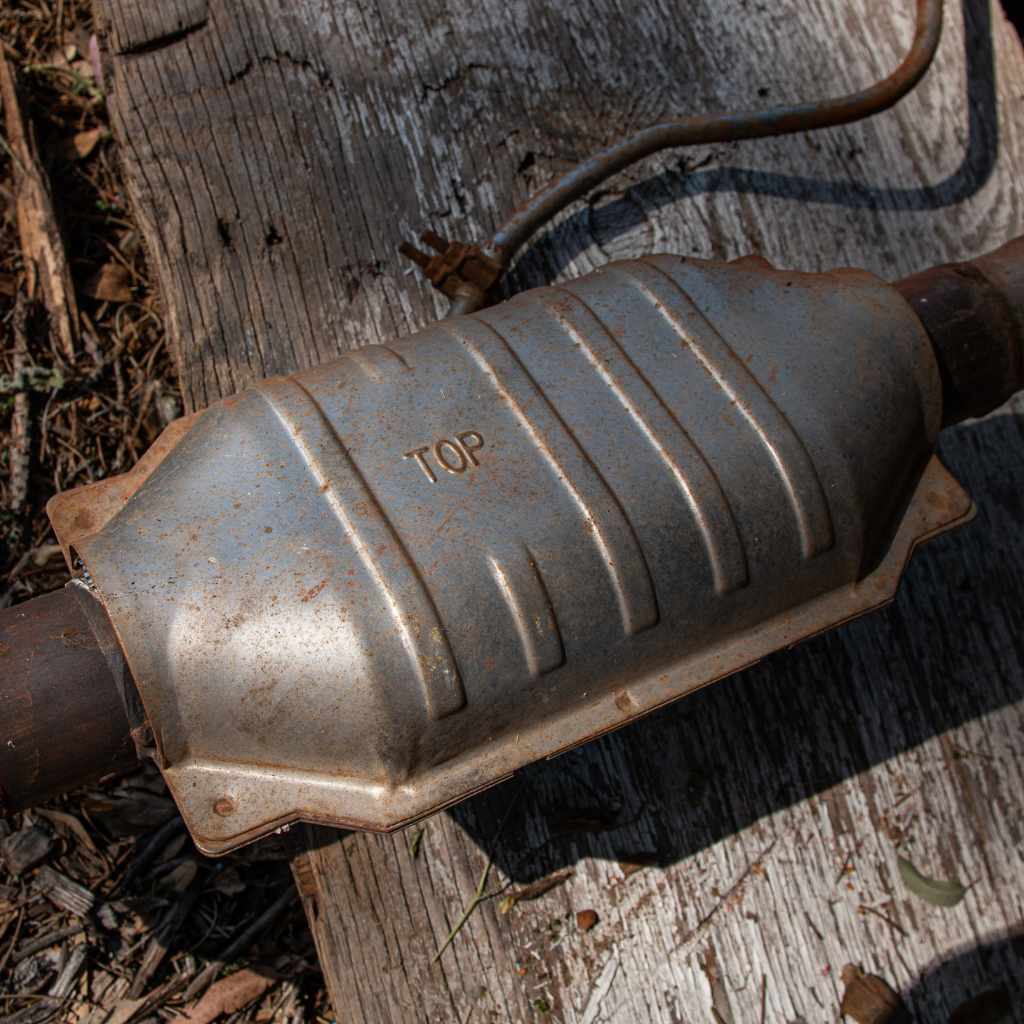
Before we talk about cleaners, let’s quickly look at what the catalytic converter (often called the “Cat”) actually does. Think of it as a chemical processing plant built right into your exhaust pipe.
What Does the Cat Do?
Inside the device is a honeycomb ceramic structure coated with precious metals like platinum, palladium, and rhodium. When hot exhaust gases pass over these coatings, a chemical reaction happens:
- Carbon Monoxide (CO) turns into Carbon Dioxide (CO2).
- Unburnt Hydrocarbons (HC) turn into water vapor and CO2.
- Nitrogen Oxides (NOx) turn into Nitrogen (N2) and Oxygen (O2).
If these metals get coated with gunk, soot, or heavy deposits, the chemical reactions slow down, and the converter can no longer clean the exhaust effectively. This often leads to a check engine light.
The Role of Fuel Injector Cleaners
Fuel system cleaners are designed primarily to dissolve carbon deposits that build up on your fuel injectors, intake valves, and combustion chambers. These deposits make your engine run rough and often cause incomplete combustion, which means more soot travels to the converter.
The Big Question: Do Fuel Cleaners Harm the Cat?
This is where most confusion lies. Most reputable, modern fuel system cleaners are formulated specifically to be safe for catalytic converters. In fact, many are necessary to protect the converter.
The Safety Factor: Non-Metallic Additives
The primary way a fuel cleaner damages a catalytic converter is by permanently poisoning the precious metal catalysts inside. This poisoning usually happens when something metallic or heavy is burned and coats the internal surfaces.
The main culprits that poison a Cta are:
- Excessive Phosphorus: Often found in older oil additives or very cheap, low-quality cleaners.
- Excessive Silicon: Can come from contaminated oil or engine seal failure.
- Excessive Metal Compounds: Certain friction modifiers or extreme pressure agents.
Modern, high-quality “Cat-Safe” fuel system treatments primarily use powerful solvents, often based on Polyetheramine (PEA), which is excellent at dissolving carbon without leaving behind harmful metallic residues.
According to many automotive experts and standards bodies, using recommended dosages of PEA-based cleaners is safe and beneficial for the converter’s health because it keeps the engine running cleanly, reducing the amount of raw fuel and soot exiting the engine.
When Fuel Cleaners Can Cause Problems
While they are generally safe, there are a few scenarios where a fuel additive could indeed damage your catalytic converter:
1. Overdosing (Using Too Much)
If a bottle says “Treats 20 gallons,” and you pour two bottles into half a tank of gas, you are using way too high a concentration of the active ingredients. This shock treatment can sometimes cause excessive heat or precipitate (drop out) deposits too quickly, leading to partial clogging or overheating as the converter tries to burn off the sudden excess of residue.
2. Using Old or Unapproved Additives
If you are using an old can of cleaner found in the garage or a generic product with unknown ingredients, you risk introducing metallic compounds. Always check the label to ensure it explicitly states it is safe for “Catalyst-Equipped Vehicles.”
3. Already Failed or Clogged Converter
If your converter is already partially clogged or failing, aggressively cleaning the fuel injectors might cause a large chunk of accumulated carbon to suddenly break free and travel downstream. This chunk might physically jam or block the flow through the converter.
We must always rely on standards set by reliable testing agencies. For instance, understanding emission standards, like those overseen by the U.S. Environmental Protection Agency (EPA), helps us understand why these systems are designed to handle normal fuel byproducts.
Fuel System Additives vs. Complete Exhaust System Cleaners
It is important not to confuse what goes into the gas tank with what might be sprayed directly into the throttle body or intake manifold during a professional service. Both target cleanliness, but their application and risk profiles differ slightly.
Table 1: Fuel Cleaner Type Comparison
| Cleaner Type | Primary Location of Action | Typical Ingredients | Risk to Catalytic Converter (When Used Correctly) |
|---|---|---|---|
| Fuel Tank Additive (Injector Cleaner) | Fuel Injectors, Combustion Chamber | PEA, other solvents | Very Low (Often beneficial) |
| Intake/Throttle Body Cleaner (Spray) | Intake Manifold, Throttle Valve | Strong petroleum solvents | Low (If sprayed carefully, avoiding excess pool-up) |
| Direct Diesel EGR/DPF Cleaner | Diesel Particulate Filter (DPF) | Specific Diesel-grade reagents | Medium (Requires correct DPF regeneration cycle) |
For the everyday car owner adding something to the gas tank, we are mostly concerned with the first row: the fuel tank additive. These are intended to be fully combusted and passed through the system harmlessly.
How to Safely Use Fuel Cleaners to Protect Your Cat
As your automotive guide, my goal is to give you confidence. Using fuel cleaners correctly is simple maintenance that prevents future expensive repairs. Follow these steps to ensure you are cleaning your system, not damaging your converter.
Step-by-Step Guide to Safe Fuel Cleaner Use
- Choose the Right Product: Look specifically for products labeled “Safe for Catalytic Converters” or “Contains PEA.” Avoid any product that lists heavy metals or excessive phosphorus in its description. Brands that adhere to strict industry standards are usually the safest bet.
- Read the Directions (The Golden Rule): Never guess the amount. If the bottle treats 15 gallons, wait until your tank is near empty (but not running on fumes) before adding the product, and then fill up with the recommended amount of gasoline (usually a full tank).
- Avoid Overuse: Fuel system cleaners are maintenance boosters, not miracle cures. Using them every single tank is unnecessary and can be wasteful. For most drivers, using a quality cleaner once every 5,000 to 10,000 miles (or every other oil change) is plenty. If your car is newer and rarely misses maintenance schedules, you might only need it every 15,000 miles.
- Drive After Treatment: After adding the cleaner to a full tank, drive the vehicle normally for at least 20-30 minutes. The cleaning agents work best when the engine and exhaust system are fully up to operating temperature, allowing the catalyst in the converter to work at peak efficiency.
- Monitor the Check Engine Light: If your light turns on after using a cleaner, it usually means the cleaner helped dislodge a significant piece of carbon that is now causing a temporary blockage or affecting an oxygen sensor reading. If the light persists after a tank or two of regular driving, have a mechanic check the codes.
The Performance Connection: How Clean Fuel Benefits the Cat
A fuel cleaner isn’t just about cleaning; it’s about ensuring proper fuel delivery. When fuel injectors get clogged, they spray fuel poorly—like a showerhead with mineral deposits. This results in a weak spray pattern which leads to:
- Incomplete combustion (wasting fuel).
- Rich running conditions (too much unburnt fuel entering the exhaust).
- Increased soot and carbon deposits heading straight to the catalytic converter.
By restoring the proper spray pattern, the fuel cleaner ensures the engine burns fuel cleanly. A clean burn means fewer harmful byproducts are sent to the converter, reducing the workload on that critical component. This preventative measure is arguably the best way to extend your converter’s life.
When Should You NOT Use Fuel Cleaners?
Knowing when to hold back is just as important as knowing when to apply. There are specific situations where adding anything to your fuel tank is a bad idea.
1. If You Use Top-Tier Gasoline
If you consistently use gasoline branded as “Top Tier” (a recognized standard backed by major automakers), your fuel already contains high levels of detergents designed to keep injectors clean. Adding an aftermarket cleaner might be redundant unless you suspect a severe underlying issue.
2. If You Have Diesel Particulate Filter (DPF) Issues
Diesel engines have a DPF, which is different from a gasoline car’s catalytic converter. While some diesel additives target DPF regeneration, using a gasoline-based system cleaner in a diesel engine will cause major problems for the DPF and potentially the engine itself. Always use products specifically designed for diesel systems.
3. Active Engine Problems
If your car is constantly misfiring, burning massive amounts of oil (check your oil level frequently for evidence of this), or has major vacuum leaks, a fuel additive won’t fix the root cause. In fact, adding a cleaner while deep engine issues are present can sometimes exacerbate the problem by mobilizing debris that can clog filters or sensors downstream.
Catalytic Converter Health Indicators
How do you know if your cleaner is working, or if your converter is already struggling? Pay attention to these signs:
| Symptom | Likely Cause | Fuel Cleaner Role |
|---|---|---|
| Check Engine Light (P0420 Code) | Converter efficiency below threshold | Can help if inefficiency stems from injector fouling/poor burn. |
| Smell of Sulfur/Rotten Eggs | Excessive sulfur byproduct due to poor conversion | Cleaners can sometimes help if the cause is poor engine combustion. |
| Sluggish Acceleration/Poor MPG | Clogged injectors or a developing blockage | Directly addresses injector fouling, potentially improving flow. |
| Engine Hesitation at Startup | Inconsistent fuel delivery | Excellent application area for fuel system treatment. |
Misconceptions About Fuel Cleaners and Catalytic Converters
Let’s tackle some common myths I hear from beginners:
Myth 1: Cleaners Make the Cat Run Too Hot
Reality: While excessive unburnt fuel can cause overheating, a properly dosed cleaner actually promotes more complete combustion before the exhaust. This leads to cleaner, more stable operating temperatures for the Cat, not dangerous spikes.
Myth 2: All Additives Contain Harmful Metals
Reality: This was true decades ago when some products heavily relied on components like MMT (Methylcyclopentadienyl Manganese Tricarbonyl) for octane boosting. Modern, EPA-compliant fuel system cleaners for daily use specifically avoid these metallic compounds to protect the catalyst.
Myth 3: If the Cat is Bad, Cleaner Will Fix It
Reality: Fuel cleaners cannot rebuild a physically degraded catalyst matrix. If the rhodium or palladium coating has been permanently poisoned by old oil contamination or is melted from severe overheating, no amount of PEA will restore it. Cleaners are preventative and restorative for the fuel system, not curative for the converter hardware.
If your converter issue is related to poor oxygen sensor readings, you can check the functionality of these sensors, as they directly impact the air-fuel mixture reaching the converter. Resources detailing O2 sensor performance are critical for understanding engine management which affects the exhaust system.
Final Thoughts on Maintenance and Safety
As your trusted automotive mentor, I want you to feel empowered to maintain your vehicle confidently. Are fuel cleaners hard on catalytic converters? Under normal, suggested use, the answer is a resounding no. In fact, they are often one of the simplest, most cost-effective ways to keep engine components clean, ensuring your emissions system works as intended.
Remember this key takeaway: Clean fuel delivery leads to clean exhaust. By maintaining the upstream components (injectors and chambers) with quality PEA-based additives, you are reducing the burden on the downstream component (the catalytic converter). Always prioritize reading the label, follow the dosage instructions religiously, and choose products specifically marketed as catalyst safe.
A little proactive care goes a long way in saving you a hefty repair bill down the road. Keep those injectors spraying cleanly, and your catalytic converter will thank you with years of faithful service.
Frequently Asked Questions (FAQ)
Q1: How often should I use a fuel system cleaner in my car?
A: For most modern cars using Top Tier gasoline, using a high-quality cleaner every 5,000 to 10,000 miles is sufficient maintenance. If you notice performance dips or use lower-grade fuel frequently, you can use it every 3,000 miles.
Q2: Can a fuel injection cleaner actually improve my catalytic converter’s efficiency?
A: Yes, indirectly. If clogged injectors cause incomplete combustion, the resulting soot overloads the converter. Cleaning the injectors ensures better, cleaner burning, which reduces the workload on the converter, thus maintaining its efficiency.
Q3: What color should the gas tank additive be if it is safe for my catalytic converter?
A: The liquid itself has no standard safe color. The safety factor is determined by the chemical ingredients (like the absence of metallic additives), not the color of the liquid in the bottle.
Q4: I accidentally put half the recommended product in a quarter tank of gas. Should I worry about my Cat?
A: If you significantly overdosed the concentration, you might cause temporary issues like rough running or a temporary check engine light. Drive gently until you have driven on one or two more tanks of normal fuel to dilute the concentration back to safe levels. Avoid aggressive driving until things normalize.
Q5: Does my truck, which has a Diesel Particulate Filter (DPF), need the same cleaners?
A: No. Diesel engines require specific Diesel Fuel Additives designed to aid DPF regeneration or clean the diesel injectors. Never use a gasoline fuel system cleaner in a diesel engine, as it can create serious problems for the DPF system.
Q6: If my car is very old, are fuel cleaners riskier?
A: Older vehicles might have existing sludge buildup. While the cleaner is designed to address this, very old fuel lines or tanks might have loose debris break free. If your vehicle has a known history of poor maintenance, use the cleaner at a slightly diluted concentration for the first application.
Conclusion
Navigating the world of aftermarket additives can feel overwhelming, especially when you are trying to protect expensive components like your catalytic converter. I hope this detailed breakdown has provided clarity. The essential truth is that modern, properly formulated fuel system cleaners are typically engineered to be your converter’s ally, not its enemy. They work by ensuring the fuel burns efficiently in the engine, which subsequently keeps the exhaust gases clean and manageable for the catalyst inside the converter housing.
By selecting reputable products, sticking to the dosage instructions, and avoiding over-treating your fuel system, you are engaging in smart, preventative maintenance. This simple procedure reduces engine deposits and proactively supports the longevity and efficiency of one of the most crucial emissions control parts on your vehicle. Keep learning, keep trusting your instincts, and feel confident the next time you reach for a high-quality fuel additive!
Related pick: Check today's price on Amazon