
Are Catalytic Converters Required in Pa: Essential Guide 2026
Are you wondering if catalytic converters are required in Pennsylvania? If you drive in PA, this question is important for you to know.

MagnaFlow Exhaust Products
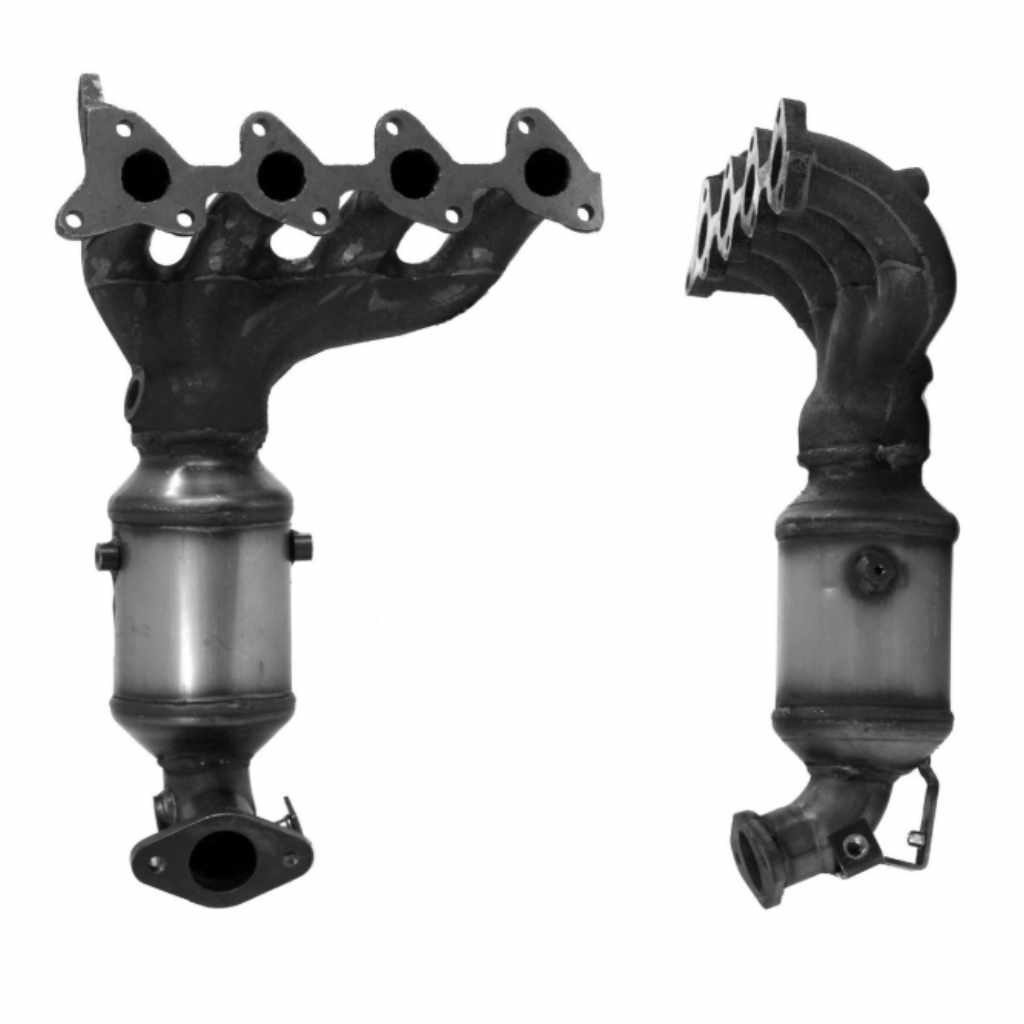
MagnaFlow Direct-Fit Catalytic Converter 23226 (Federal/EPA Compliant)
- Your trusted source for EPA-compliant catalytic converters providing assurance of genuine compliance while delivering quality that…
- High strength 16 gauge 409 stainless steel tubing for exceptional corrosion resistance and maximum service life
- Expertly crafted to replicate OEM-like flow dynamics maintaining factory performance and fuel efficiency
As an Amazon Associate I earn from qualifying purchases.
Understanding the rules about catalytic converters can save you from fines and help keep your vehicle running smoothly. You’ll find clear answers and helpful tips that make it easy to follow the law. Keep reading to learn exactly what you need to know about catalytic converters in Pennsylvania.
Catalytic Converter Basics
Catalytic converters are vital parts of many vehicles. They help reduce harmful gases from car exhaust. Understanding how these devices work and the types available can clarify their role in Pennsylvania’s vehicle laws.
These devices have been used for decades to lower pollution. They help protect the air we breathe and meet environmental standards. Knowing the basics helps vehicle owners follow the rules better.
How Catalytic Converters Work
A catalytic converter changes harmful gases into less harmful ones. It uses a catalyst made from metals like platinum and palladium. These metals start a chemical reaction without being used up.
Exhaust gases pass through the converter’s honeycomb structure. Inside, harmful gases like carbon monoxide turn into carbon dioxide. Nitrogen oxides convert to nitrogen and oxygen. This process cuts down pollution from cars.
Types Of Catalytic Converters
There are mainly two types of catalytic converters. The first is the two-way converter. It removes carbon monoxide and hydrocarbons. The second is the three-way converter. It also reduces nitrogen oxides.
Most modern cars use three-way converters for better pollution control. Some vehicles may have special converters to meet strict local laws. Choosing the right type depends on the vehicle and local rules.
Pennsylvania Emission Laws
Pennsylvania has strict laws to control air pollution from vehicles. The state aims to keep its air clean and safe. These laws affect many drivers and vehicle owners. Understanding Pennsylvania emission laws helps you comply with the rules. It also protects the environment and public health.
State Emission Standards
Pennsylvania follows clear rules on vehicle emissions. The state requires most cars to have pollution control devices. These devices reduce harmful gases released into the air. Catalytic converters are part of these devices. They help convert toxic gases to less harmful ones. Vehicles must meet these standards to pass inspections. The rules apply to cars, trucks, and SUVs of certain ages.
Vehicle Inspection Requirements
Vehicles must pass regular emission tests in Pennsylvania. The tests check if cars meet pollution limits. Inspections include checking the catalytic converter’s condition. Cars without proper emission devices may fail the test. Passing the inspection is required to renew registration. The state schedules inspections every year or two. This process ensures vehicles do not pollute excessively.

Catalytic Converter Requirements In Pa
Pennsylvania has specific rules about catalytic converters. These parts help reduce harmful gases from cars. The state wants cleaner air and safer roads. Understanding who needs a catalytic converter is important.
Rules apply to many vehicles. They also list some exceptions. Knowing these details helps you follow the law and avoid fines.
Which Vehicles Need Them
Most cars made after 1975 must have a catalytic converter. This includes cars, trucks, and SUVs. The rule applies if the vehicle runs on gasoline or diesel. It helps cut down pollution from the engine. Newer models also need these devices. This ensures cleaner air across Pennsylvania.
Exemptions And Exceptions
Some vehicles do not require catalytic converters. Classic cars made before 1975 are often exempt. Off-road vehicles like farm equipment may also be excluded. Electric cars do not need catalytic converters. These rules protect certain vehicles but keep pollution low. Always check state laws for updates or special cases.
Penalties For Non-compliance
Penalties for not following Pennsylvania’s rules on catalytic converters can be costly. The state takes these regulations seriously. Missing or tampering with your converter affects the environment and public health. Authorities enforce strict penalties to ensure compliance. These penalties include fines and issues with your vehicle’s registration.
Fines And Legal Consequences
Failing to have a proper catalytic converter can lead to fines. Pennsylvania law sets clear punishments for violations. You may receive a ticket with a monetary penalty. Repeat offenses can lead to higher fines or court appearances. Tampering with or removing the converter is illegal. These actions can result in criminal charges. Paying fines on time avoids extra fees or legal trouble.
Impact On Vehicle Registration
Your vehicle must pass an emissions test in Pennsylvania. Without a working catalytic converter, your car likely will fail. Failure means you cannot renew your vehicle registration. Driving without current registration can lead to more fines or penalties. Fixing or replacing the converter is required to pass the test. Only then can you register your vehicle and drive legally.


