Are Catalytic Converters Recyclable? Genius Solution
Yes, catalytic converters are highly recyclable, containing valuable precious metals like platinum, palladium, and rhodium that make them a prime candidate for recovery and reuse. This recycling process is a genius solution not only for recovering these valuable resources but also for reducing the environmental impact of mining new materials and preventing hazardous waste.
Ever wondered what happens to an old catalytic converter when it’s replaced? It’s a common question, especially since these parts are crucial for your car’s health and the environment. Many car owners worry about properly disposing of them, fearing they might end up in landfills.
But don’t stress! There’s a smart and simple answer to what happens next. The good news is, your old catalytic converter is a treasure chest of valuable materials, and recycling it is a fantastic way to protect our planet and even get a little money back. We’ll guide you through why they’re recyclable and how this process works, making it easy for you to understand.
The Hidden Value Inside Your Catalytic Converter
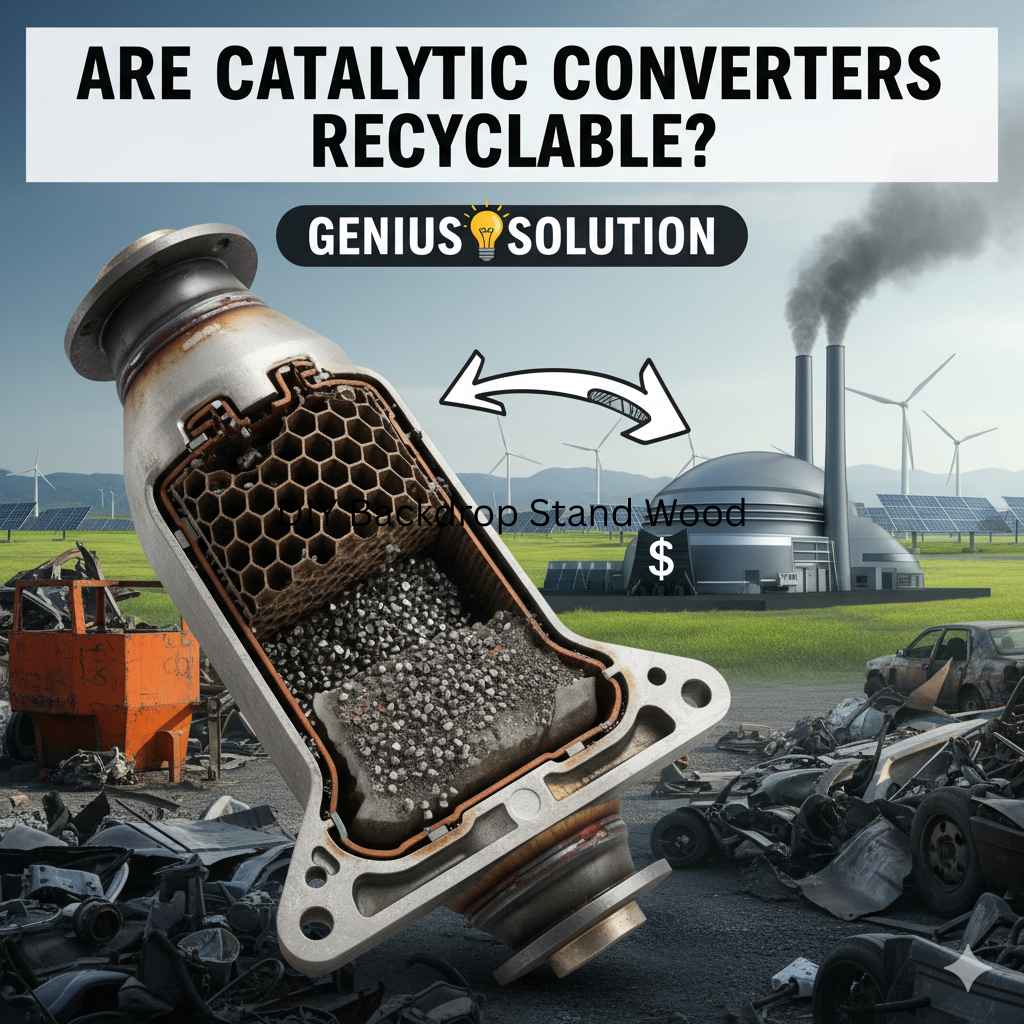
Your car’s catalytic converter isn’t just a metal box in your exhaust system; it’s a marvel of engineering designed to clean up harmful emissions. The magic happens thanks to tiny amounts of very special metals coated on a honeycomb-like ceramic structure. These metals are known as “precious metals” because they are rare and highly valuable.
What Makes Them Precious?
The primary metals found in catalytic converters are:
- Platinum (Pt): Known for its durability and resistance to corrosion.
- Palladium (Pd): A strong catalyst with excellent heat resistance.
- Rhodium (Rh): Extremely rare and effective at reducing nitrogen oxides.
These metals act as catalysts, meaning they speed up chemical reactions without being used up themselves. In your catalytic converter, they help convert toxic gases like carbon monoxide, unburned hydrocarbons, and nitrogen oxides into less harmful substances like carbon dioxide, water vapor, and nitrogen.
Why Are These Metals So Valuable?
The rarity and unique properties of platinum, palladium, and rhodium make them essential in many industries beyond automotive, including jewelry, electronics, and other chemical processes. Because they are so difficult and costly to mine from the earth, recycling them from spent catalytic converters is an economically and environmentally smart choice.
Are Catalytic Converters Recyclable? The Genius Solution Explained
The short answer is a resounding YES! Catalytic converters are not only recyclable but are among the most valuable components to recycle from a vehicle. The entire process is built around recovering these precious metals. This recycling isn’t just about reclaiming materials; it’s a sophisticated industrial process that significantly contributes to sustainability.
The Recycling Process: From Car to New Product
Recycling a catalytic converter involves several key steps, transforming a used car part into valuable raw materials for new products.
- Collection: Old catalytic converters are collected from auto repair shops, scrap yards, and specialized recycling centers.
- Sorting and Assessment: Converters are sorted based on their type and estimated metal content. Some companies offer to pay based on the weight and type of converter.
- Shredding and Crushing: The ceramic honeycomb monolith inside the converter is often shredded or crushed to increase the surface area, making it easier to extract the precious metals.
- Smelting and Refining: The shredded material is then sent to specialized refineries. Here, it undergoes high-temperature smelting to separate the precious metals from the ceramic and other base metals.
- Purification: The resulting metals are further refined through various chemical and metallurgical processes to achieve their pure form.
- Reintroduction: The pure platinum, palladium, and rhodium are then sold to manufacturers who use them to create new catalytic converters or other industrial products.
This closed-loop system is incredibly efficient and reduces the need for virgin mining, which has significant environmental impacts.
Environmental Benefits of Recycling
Recycling catalytic converters offers substantial environmental advantages:
- Reduced Mining: Less demand for newly mined metals means less disruption to natural habitats, reduced energy consumption associated with mining, and fewer pollutants released into the environment from mining operations.
- Waste Reduction: Keeps potentially hazardous materials out of landfills. While the metals themselves are encased in ceramic, improperly disposed of converters can still pose an environmental risk.
- Conservation of Resources: Precious metals are finite resources. Recycling ensures these valuable materials remain in circulation for future use.
- Lower Carbon Footprint: Producing metals from recycled sources generally requires less energy than producing them from raw ore, leading to a lower carbon footprint.
According to the Environmental Protection Agency (EPA), recycling programs can significantly divert waste from landfills and conserve natural resources. You can learn more about the EPA’s stance on recycling and waste management at EPA’s Recycling Resources.
Where Can You Recycle Your Catalytic Converter?
If you’re replacing your catalytic converter, you might be wondering what to do with the old one. Fortunately, there are several avenues for recycling, and some might even put a little cash back in your pocket.
Options for Recycling
Here are the most common places to take your spent catalytic converter:
- Your Auto Mechanic: Most repair shops that perform catalytic converter replacements will handle the recycling for you. They often have established relationships with metal recyclers and may even offer a small credit or discount for your old part.
- Scrap Metal Yards: Independent scrap metal dealers are often equipped to buy and process catalytic converters. Their pricing can vary, so it’s a good idea to call a few in your area to compare rates.
- Specialized Catalytic Converter Recyclers: There are businesses specifically dedicated to buying and recycling catalytic converters. These often offer the best prices because they specialize in the extraction of precious metals.
- Online Buyers: Some companies operate online, allowing you to ship your converter to them for processing. They typically provide quotes based on the converter’s make and model or an assay of its metal content.
Getting the Best Value
To ensure you get a fair deal when selling your catalytic converter, consider these tips:
- Know Your Converter: Different vehicle makes and models have converters with varying precious metal content. Newer vehicles or those with larger engines often have more valuable catalysts.
- Get Multiple Quotes: Don’t settle for the first offer. Call around to different recyclers to compare prices.
- Keep it Intact (If Possible): Some buyers prefer converters that haven’t been cut open or damaged, as this simplifies their initial processing.
- Check for Local Regulations: Be aware of any local laws or regulations regarding the sale of scrap metal or catalytic converters.
A table showcasing typical metal content and approximate value can be helpful, but it’s crucial to note that prices fluctuate constantly based on global commodity markets.
Table: Estimated Precious Metal Content in Catalytic Converters (Illustrative)
| Metal | Typical Percentage Range (%) | Approximate Value (per ounce, varies greatly) |
|---|---|---|
| Platinum | 0.1 – 5 | $900 – $1,200 |
| Palladium | 0.3 – 10 | $1,000 – $2,500 |
| Rhodium | 0.01 – 1 | $5,000 – $30,000+ |
Note: These percentages and values are illustrative and can vary significantly. The actual payout a customer receives is a small fraction of these figures due to refining costs, processing fees, and the buyer’s profit margin.
The actual amount you get paid will depend on the specific make, model, year of your vehicle, the condition of the converter, and the current market price of precious metals. For the most up-to-date pricing, it’s best to check with specialized catalytic converter buyers.
Catalytic Converter Theft: A Serious Issue
Unfortunately, the high value of precious metals has led to an increase in catalytic converter theft. Because they are located under the vehicle and contain these valuable materials, they are a target for thieves who can remove them quickly with a saw.
Why Are They Targeted?
- Precious Metals: As discussed, platinum, palladium, and rhodium are worth a significant amount.
- Ease of Removal: With the right tools, a thief can cut out a catalytic converter in a matter of minutes.
- Demand: There’s a ready market, both legitimate and illegitimate, for stolen catalytic converters.
Protecting Your Vehicle
Several measures can help deter theft:
- Park in Well-Lit Areas: Thieves prefer to work in the dark.
- Install an Alarm System: Some alarms can detect tampering with the exhaust system.
- Install a Catalytic Converter Anti-Theft Device: These are cages or shields that make it much harder to cut out the converter.
- Immobilize Your Vehicle: If you park your car for extended periods in an unsecured location, consider having a mechanic weld the bolts holding your converter in place or install a keyed lock.
- Engrave Your VIN: Having your Vehicle Identification Number (VIN) etched onto the converter can make it less appealing to thieves looking to resell it.
If your catalytic converter is stolen, it’s important to report it to the police immediately. You will then need to have it replaced to make your vehicle legal and safe to drive.
Common Questions About Catalytic Converter Recycling
Here are some frequently asked questions to help you better understand catalytic converter recycling.
How much is a catalytic converter worth for scrap?
The value of a scrap catalytic converter can range from about $50 to $500 or even more, depending on the vehicle’s make and model, the specific metals present, and the current market prices for platinum, palladium, and rhodium. Newer vehicles or those with larger engines typically have more valuable catalytic converters.
Can I recycle a catalytic converter myself?
While you can’t extract the precious metals yourself without specialized industrial equipment and expertise, you can certainly take your old catalytic converter to a scrap yard or specialized recycler. They will handle the extraction and refining process.
What happens if my catalytic converter is clogged?
A clogged catalytic converter can cause a loss of engine power, poor fuel economy, difficulty starting, and a check engine light. If it’s severely clogged, the engine may stall. It usually needs to be replaced, and the old one can then be recycled.
Are there any harmful materials in a catalytic converter that I should be aware of?
The precious metals themselves are generally safe in their encased form within the converter. However, the ceramic substrate can be reduced to dust when broken, which could be an inhalation hazard. It’s best to handle a removed converter carefully, ideally wearing gloves and a mask if it’s broken, and let professionals handle the recycling process.
What is the difference between a catalytic converter and a muffler?
A catalytic converter’s job is to clean exhaust gases using precious metals. A muffler, on the other hand, is designed to reduce the noise produced by the engine’s combustion. They are two distinct parts of your exhaust system.
How often do catalytic converters need to be replaced?
Catalytic converters are designed to last the life of a vehicle, often 100,000 miles or more. They typically only need replacement if they become damaged, clogged due to engine issues, or fail due to age and wear. They don’t have a fixed replacement schedule like oil filters.
Can a faulty catalytic converter affect my car’s performance?
Yes, absolutely. A failing or clogged catalytic converter can severely restrict exhaust flow, leading to a significant loss of engine power, hesitation, and poor acceleration. It can also cause your engine to overheat or misfire.
Conclusion: A Smart Choice for Your Car and the Planet
So, to answer the big question: are catalytic converters recyclable? Emphatically, yes! Not only are they recyclable, but their recycling is a cornerstone of resource management for precious metals. The process is a brilliant example of how we can turn a vehicle component, which has served its purpose in cleaning your car’s emissions, into valuable raw materials for new products.
This genius solution benefits everyone. It conserves our planet’s finite precious metal resources, reduces the environmental impact associated with mining, and keeps potentially hazardous waste out of landfills. When it’s time to replace your catalytic converter, remember its hidden value.
You can take it to your mechanic, a local scrap yard, or a specialized buyer and often receive some compensation for it. Taking this step isn’t just about disposing of an old part; it’s participating in a sustainable practice that supports a circular economy. By understanding the value and recyclability of your catalytic converter, you’re making a smart choice for your vehicle, your wallet, and our shared environment.