Does Gibson Exhaust Drone? Genius Solution
Yes, Gibson exhaust systems can sometimes produce drone, especially under specific engine loads. However, there are clever solutions and design features within Gibson’s own products to minimize or eliminate this annoying exhaust resonance, making them a great choice for many drivers.

GIBSON
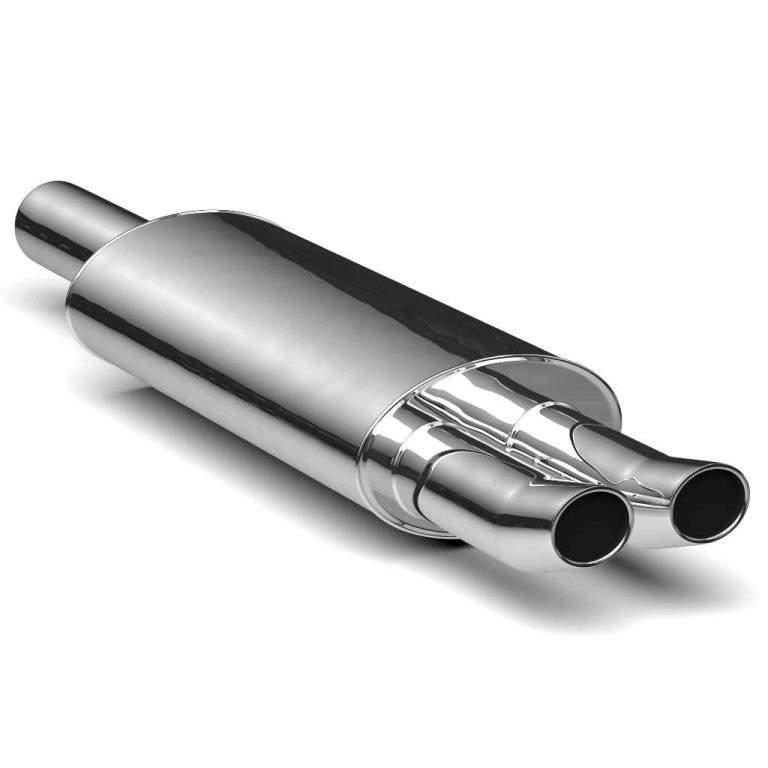
Gibson 17405 Dual Exhaust System
- Exit In Stock Location; Incl. Muffler/3 in. Pipes/4 in. Stainless Intercooled Tips
- Superflow Performance Aluminized Muffler, fully welded, Not packed or screened, nothing to blow out
- Superflow Performance Aluminized Muffler, fully welded, Not packed or screened, nothing to blow out
As an Amazon Associate I earn from qualifying purchases.
Have you ever been enjoying a drive, only to be met with a strange, humming noise that seems to come from your car’s exhaust? That’s often called “exhaust drone,” and it can be quite irritating, especially on longer trips. Many car owners wonder if a popular brand like Gibson Exhaust suffers from this issue. The good news is that while drone can be a concern with any aftermarket exhaust, Gibson puts a lot of thought into making their systems sound great and comfortable for daily driving. We’ll explore why drone happens and how Gibson tackles it, so you can enjoy a better sounding ride without the hassle. Let’s dive in and find the perfect solution for your car!
Understanding Exhaust Drone
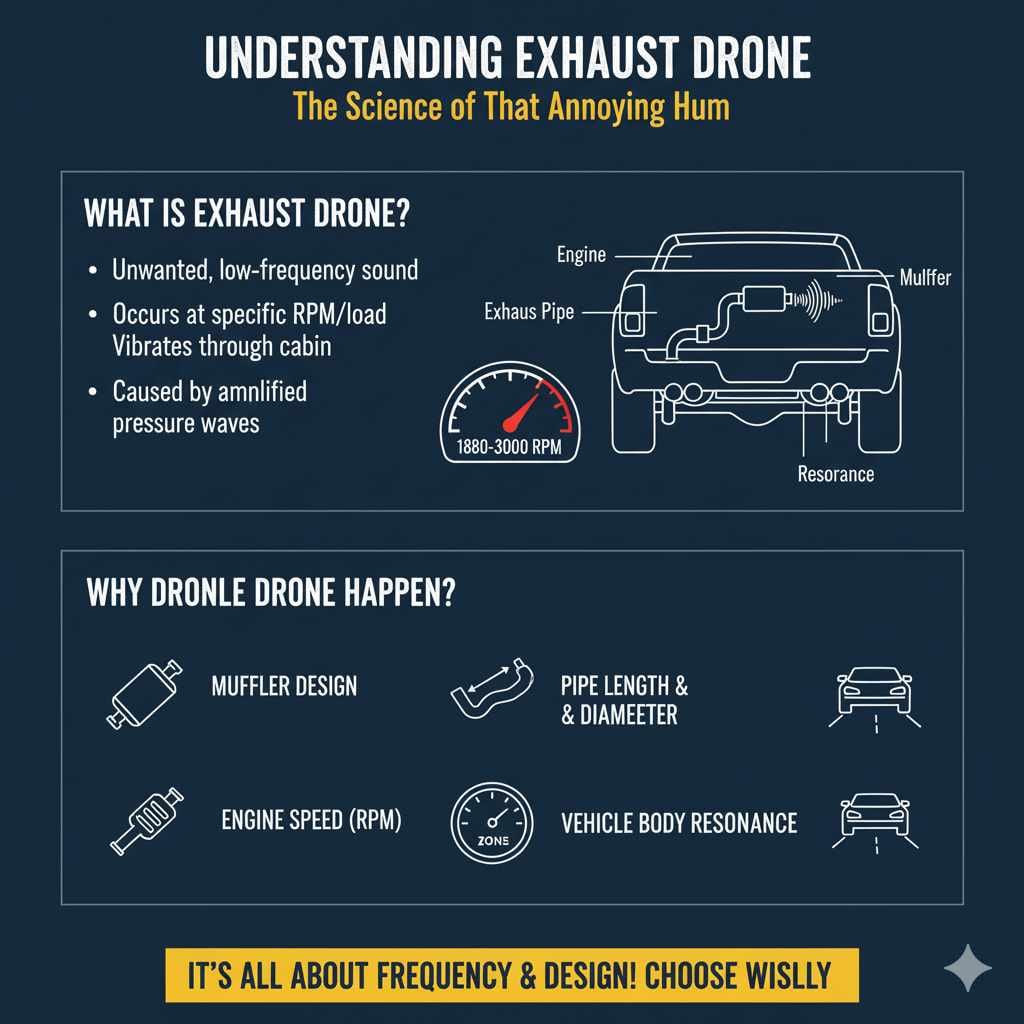
Exhaust drone is essentially an unwanted, low-frequency resonance that occurs at certain engine speeds and loads. Think of it like a musical note that’s out of tune and too loud. It’s not the aggressive roar of acceleration, but a persistent hum that can vibrate through the car’s cabin and make conversations difficult. This happens because the exhaust gases, as they travel through the pipes and mufflers, create pressure waves. When these waves interact in certain ways, they can amplify at specific frequencies, leading to that droning sound.
Why Does Drone Happen?
Several factors contribute to exhaust drone:
- Muffler Design: The internal design of a muffler plays a huge role. Simple, straight-through mufflers might offer great flow but can allow certain sound frequencies to pass through without much restriction.
- Pipe Length and Diameter: The lengths and diameters of the exhaust pipes can act like organ pipes, resonating at specific frequencies.
- Engine Speed (RPM): Drone is most noticeable in a specific RPM range, often between 1,800 and 3,000 RPM, where the exhaust pulses align to create the strongest resonance.
- Exhaust Load: Cruising at a steady speed often produces more drone than aggressive acceleration, as the engine is operating in a steady state where specific frequencies can build up.
- Vehicle Body Resonance: The exhaust sound can also be amplified or altered by the natural resonant frequencies of your car’s body panels and undercarriage.
Does Gibson Exhaust Drone?
This is the big question on many enthusiasts’ minds! Gibson Performance Exhaust is known for offering a range of exhaust systems, from mild tone upgrades to aggressive performance packages. Like many aftermarket exhaust manufacturers, some of their systems, particularly those focused purely on maximum performance and a deep sound, can exhibit drone.
However, Gibson is also keenly aware of this issue and invests in technology and design to combat it. They understand that most drivers don’t want their daily commute to be an uncomfortable cacophony. Many of Gibson’s systems are engineered with daily drivability in mind. They achieve this through several smart design choices:
- Exclusive Muffler Technologies: Gibson often incorporates proprietary muffler designs that are engineered to cancel out specific drone frequencies.
- Optimized Pipe Routing: Careful consideration is given to how the exhaust pipes are routed to minimize resonant frequencies.
- Targeted Sound Tuning: Gibson aims to provide a performance tone during acceleration but a pleasant, quiet experience during cruising.
Gibson’s Approach to Drone Control
Gibson’s reputation for producing quality exhaust systems means they prioritize a balance between aggressive sound when you step on the gas and a comfortable experience when you’re just cruising. They achieve this by:
- Super-Performance Mufflers (SPM): Many of Gibson’s systems feature their Super-Performance Mufflers. These are not just simple chambers. They are designed with internal baffles and chambers that are specifically tuned to absorb and cancel out problematic drone frequencies, while still allowing a robust sound under load.
- Optimized Tubing: The diameter, length, and bends of the exhaust tubing are carefully calculated. This isn’t just about making it fit; it’s about ensuring that the gas flow is as smooth as possible and that no unintended resonances are created.
- Frequency-Tuned Packaging: Gibson mufflers often have a specific internal packing material. This material helps to absorb sound waves, breaking them up before they can create a drone.
The “Genius Solution”: Choosing the Right Gibson System
The “genius solution” to Gibson exhaust drone isn’t a single product, but rather the careful selection of a Gibson system that aligns with your driving needs and sound preferences. Gibson offers different series of exhausts, and understanding these can help you avoid drone.
Gibson Exhaust Series and Drone Potential
Gibson categorizes its exhaust systems to help consumers find the right fit. Here’s a general idea of how their lines might relate to drone:
| Gibson Exhaust Series | Primary Focus | Drone Potential | Typical Use Case |
|---|---|---|---|
| Super Performance (SPM) Cat-Back Systems | Balanced performance and sound, daily drivability | Low to none; specifically designed to combat drone | Daily drivers, trucks, SUVs seeking improved sound and moderate performance without excessive noise. |
| Headers and Off-Road Systems | Maximum performance, aggressive sound | Higher; may require additional tuning or resonators depending on application. | Performance enthusiasts, racing applications, or those seeking a very loud, raw exhaust note. |
| Swept-Side / Super-Truck / Swept-Up Systems | Aggressive tone, enhanced performance, distinctive look | Moderate; generally engineered for a bold sound but aim to keep highway cruise pleasant. | Truck and SUV owners wanting a noticeable upgrade in sound and performance without being overly obnoxious on the highway. |
What to Look For in a Gibson System to Minimize Drone
When you’re browsing Gibson’s offerings, keep these points in mind:
- Look for “Cat-Back” Systems: Cat-back systems replace everything from the catalytic converter back. These are generally designed with streetability in mind.
- “Super Performance Muffler” (SPM): If the product description mentions their SPM technology, it’s almost certainly designed to minimize drone.
- Check Product Reviews: Real-world feedback from other owners is invaluable. Search for reviews specific to your vehicle model and the Gibson system you’re considering. Many owners will mention if they experience drone or not.
- Consider Your Vehicle: The engine size, type, and the vehicle’s chassis can all influence how exhaust sounds are perceived inside the cabin. A large V8 truck might handle an aggressive exhaust differently than a small four-cylinder car.
Solutions for Existing Drone (Even If It’s Minor)
Even with the best intentions, sometimes a small amount of drone might creep in, or you might have purchased a system that’s a bit more aggressive than you’re comfortable with. Don’t worry, there are effective, “genius” solutions:
1. Add a Resonator
A resonator is a separate chamber specifically designed to cancel out certain sound frequencies, especially the low-pitched drone. While many Gibson systems have internal baffling that acts like a resonator, adding an aftermarket or an additional OEM resonator can further tune the sound.
How it works: Resonators have internal chambers that create sound-canceling waves. When the exhaust gas passes through, the unwanted frequencies are effectively neutralized. Manufacturers like MagnaFlow and Vibrant Performance offer universal resonators that can be welded into your existing exhaust system. For a more in-depth look at how resonators work, you can refer to resources on acoustic engineering, which explain wave cancellation principles: Sengpiel audio calculators offer insights into sound wave behaviors.
Installation Tip: This is often a job for a professional muffler shop, as it involves cutting and welding. However, for DIY enthusiasts comfortable with welding, it’s a manageable project.
2. Install Sound Deadening Material
Sometimes, the drone isn’t just coming from the exhaust pipe itself; it’s being amplified by the car’s body. Adding sound deadening material inside your vehicle can make a significant difference.
Where to apply:
- Under the carpet in the cabin (front and rear).
- In the trunk.
- On the firewall (though this can be more labor-intensive).
- Inside the doors.
Materials: Products like Dynamat, Kilmat, and Noico are popular choices. They are designed to absorb vibrations and block sound transmission. You can find excellent guides on proper application techniques from automotive soundproofing specialists. For example, understanding the principles behind vibration damping can be useful: Engineering Toolbox provides great information on material properties for damping.
3. Adjust Your Driving Style (Temporarily)
This isn’t a permanent fix, but while exploring other solutions, you can consciously manage when the drone occurs. Avoid holding steady RPMs in the drone zone if possible. This is often a short-term strategy, but it can make drives more comfortable while you plan your modifications.
4. Consider a Helmholtz Resonator
This is a more advanced but incredibly effective solution for targeting specific drone frequencies. A Helmholtz resonator is essentially a chamber connected to the exhaust pipe via a small port. It’s like tuning a musical instrument to cancel out a particular note.
How it works: The air inside the chamber resonates, creating an anti-sound wave that cancels out the drone. These need to be precisely sized and positioned for maximum effectiveness. While you can buy pre-made ones, custom fabrication is often required to perfectly match the drone frequency of your specific setup. It’s a true “genius” solution for targeted drone elimination.
5. Choose Gibson Systems with Integrated Drone-Canceling Technology
As mentioned before, the best solution is often the one built into the system from the start. If you’re buying new, prioritize Gibson systems explicitly stating their drone-canceling features, like those equipped with their Super-Performance Mufflers.
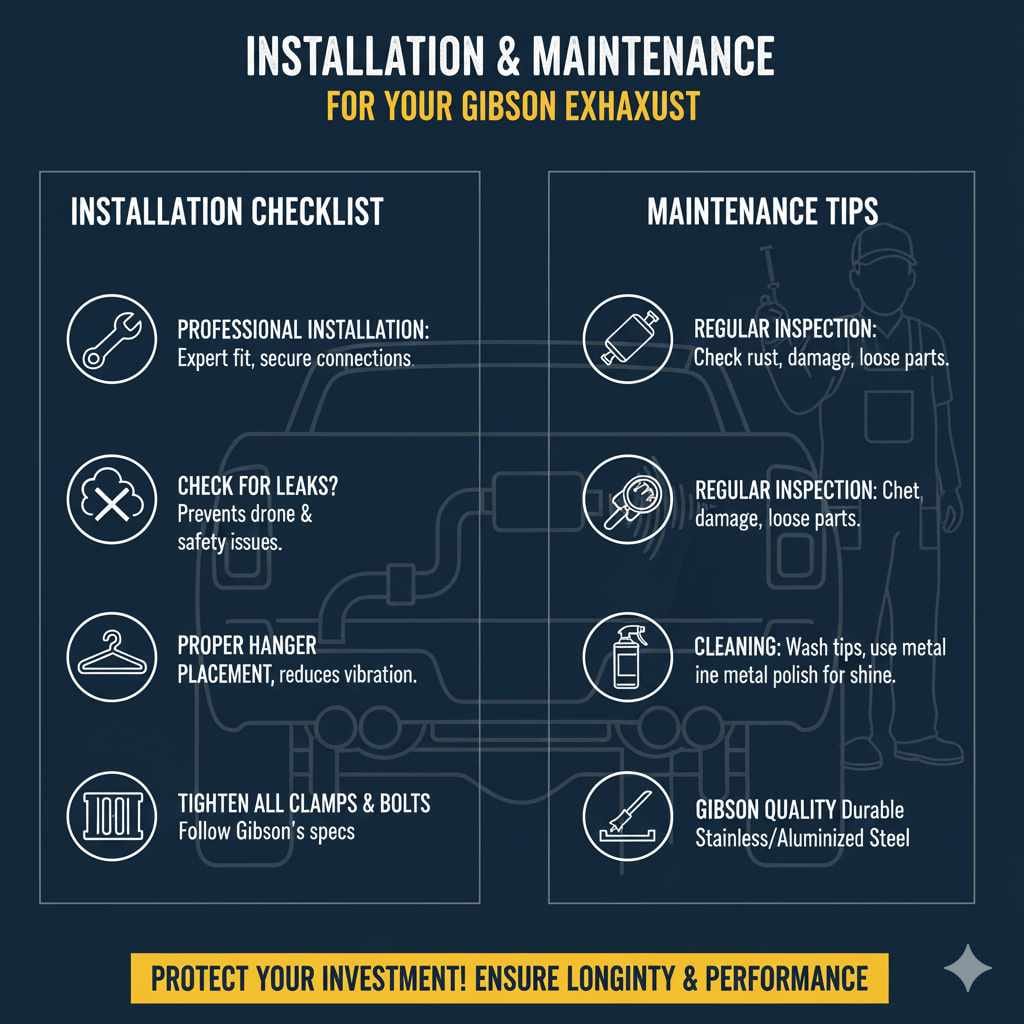
Installation and Maintenance for Your Gibson Exhaust
Proper installation is crucial for both sound and performance. A poorly installed exhaust is more likely to vibrate and create unintended noises.
Installation Checklist:
- Professional Installation: Unless you have significant experience with exhaust work, it’s highly recommended to have a professional muffler shop install your Gibson exhaust. They have the right tools and expertise to ensure a secure, leak-free fit.
- Check for Leaks: After installation, look for any signs of exhaust leaks, especially at the connections and around the muffler. Leaks can not only cause drone but also reduce performance and be a safety hazard.
- Proper Hanger Placement: Ensure the hangers are correctly positioned to support the exhaust system without putting undue stress on any single point.
- Tighten All Clamps and Bolts: Ensure all connections are securely fastened according to Gibson’s instructions.
Maintenance Tips:
Gibson exhaust systems are generally made from durable stainless steel or aluminized steel. However, like any part of your car, they benefit from basic care.
- Regular Inspection: Periodically check for rust, damage, or loose connections.
- Cleaning: Wash your exhaust tips with the rest of your car. For a show-quality shine, you can use metal polish designed for exhaust tips.
- Rust Prevention: If you live in an area with heavy road salt use, consider a rust-inhibiting spray for the underside of your vehicle, including exhaust components.
Pros and Cons of Gibson Exhaust Systems (Considering Drone)
As with any automotive modification, there are trade-offs. Here’s a look at the potential upsides and downsides of Gibson exhaust systems, with a focus on the drone aspect.
| Pros | Cons |
|---|---|
| Improved Sound: Generally offer a deeper, more aggressive tone than stock systems. | Potential for Drone: While often minimized, some systems or driving conditions can still produce drone. |
| Enhanced Performance: Optimized flow can lead to slight horsepower and torque gains. | Cost: Aftermarket exhaust systems, especially quality ones like Gibson, can be a significant investment. |
| Durable Construction: Gibson often uses high-quality materials like T304 stainless steel for longevity. | Installation Complexity: May require professional installation, adding to the overall cost. |
| Thoughtful Design: Many systems are engineered for a balance of sound and comfort, actively reducing drone. | Emissions Compliance: Ensure the system is compliant with local emissions regulations in your area. (Note: Gibson systems are generally designed to work with factory emissions equipment.) |
| Distinctive Appearance: Often feature stylish tips and mandrel-bent tubing for a clean look. | Resale Value Impact: Some buyers may prefer a stock exhaust, while others might see an aftermarket system as a plus. |
FAQ: Your Gibson Exhaust Drone Questions Answered
Here are some common questions beginner car owners have about Gibson exhaust drone and how it’s addressed.
Q1: What is exhaust drone in simple terms?
A: Exhaust drone is an annoying, low humming sound that can happen when your car’s exhaust system resonates at certain speeds, usually while cruising. It’s like a persistent, out-of-tune musical note in your car.
Q2: So, can Gibson exhausts drone?
A: Yes, like many aftermarket exhausts, some Gibson systems can produce drone under certain conditions. However, Gibson is well-known for designing many of their systems to actively minimize or eliminate this issue, especially their Super Performance (SPM) lines.
Q3: How does Gibson try to stop drone?
A: Gibson uses clever muffler designs (like their Super-Performance Mufflers) with internal chambers and packing materials that absorb and cancel out drone frequencies. They also carefully design the pipe lengths and bends.
Q4: What is the best Gibson exhaust system to avoid drone?
A: Look for Gibson’s “Super Performance” (SPM) cat-back exhaust systems. These are specifically engineered for a balance of aggressive sound under acceleration and quiet cruising, with drone being a primary concern they address.
Q5: If I have a Gibson exhaust and I hear drone, what can I do?
A: You can add a resonator to your exhaust system, install sound deadening material inside your car to block the noise, or consult with a professional exhaust shop to explore custom solutions like a Helmholtz resonator.
Q6: Is a little bit of drone normal for any aftermarket exhaust?
A: For some aggressive aftermarket exhausts, a very mild drone might be present. However, a truly bothersome drone that interferes with comfort is usually a sign that the system wasn’t optimally designed for the vehicle or intended driving conditions. Many quality systems, including Gibson’s SPM line, aim to prevent this.
Q7: Will a Gibson exhaust make my car louder than stock?
A: Yes, generally. Gibson systems are designed to offer a more aggressive and powerful sound than the factory exhaust. The key is finding a system that offers a satisfying sound without becoming uncomfortably loud or droning at highway speeds.
Conclusion
Dealing with annoying exhaust drone doesn’t have to be a headache, and it certainly doesn’t mean sacrificing the benefits of an aftermarket exhaust. You’ve learned that while some exhaust systems, including certain Gibson models, can potentially produce drone, Gibson is a brand that actively designs against it.
By understanding how drone occurs and by choosing a Gibson system engineered for a refined driving experience – particularly their Super Performance (SPM) lines – you can significantly reduce or eliminate this issue. And if you do encounter minor drone, or a system proves a bit louder than expected, smart solutions like adding resonators or applying sound deadening material are readily available.
Choosing the right exhaust is about finding that perfect balance of performance, sound, and comfort. With Gibson’s thoughtful engineering and the knowledge shared here, you’re well-equipped to make an informed decision and enjoy a more rewarding driving experience, free from unwelcome exhaust resonance. Happy motoring!
Related pick: Check today's price on Amazon