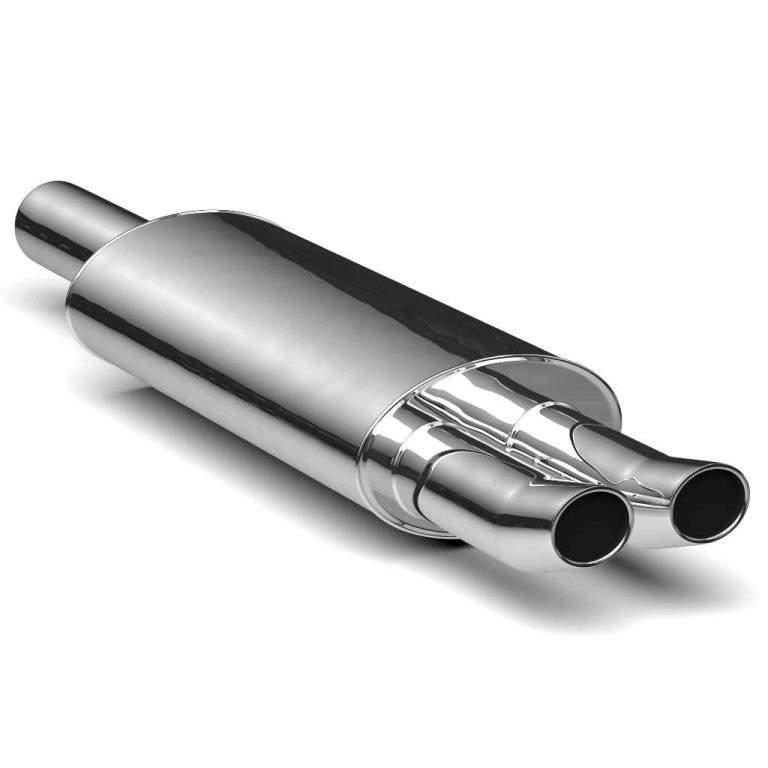
Is Arrow Exhaust Legal in California
Many car owners wonder if their Arrow exhaust is allowed on California roads. This question often pops up because California has strict rules about car parts, especially exhaust systems. These rules are in place to keep the air clean.
For people new to car modifications, figuring out these rules can seem tricky. But don’t worry, this guide makes it simple. We will walk through everything you need to know, step by step, so you can be sure about Is Arrow Exhaust Legal in California?.
Get ready to understand the rules and what you can do next.
Understanding California’s Exhaust Laws
California has some of the toughest emissions and noise regulations in the United States. These rules are designed to protect the environment and public health by controlling pollution and noise from vehicles. For exhaust systems, this means specific requirements for emissions control and sound levels. The California Air Resources Board (CARB) is the main agency that sets and enforces these standards. They work to ensure that aftermarket parts, like exhaust systems, do not make vehicles pollute more than they are supposed to.
This section will explore the core principles behind California’s exhaust laws. We will break down what makes an exhaust system compliant and why some modifications might not be. Understanding these basics is key to knowing if your Arrow exhaust fits within the state’s legal framework. It’s not about stopping you from enjoying your car, but about doing it responsibly and legally. We will cover the main reasons why this topic is important for car enthusiasts in California.
What Are Emissions Standards?
Emissions standards are rules that set limits on how much of certain pollutants a vehicle can release into the air. These pollutants include things like nitrogen oxides (NOx) and particulate matter (PM), which can harm health and the environment. For exhaust systems, this means they must work with the vehicle’s catalytic converter and other emissions control devices. A compliant exhaust system helps the engine burn fuel more efficiently and reduces harmful byproducts. Non-compliant systems can cause an engine to run poorly, leading to higher emissions.
When you modify an exhaust, it can affect how well these emissions systems work. Some aftermarket exhausts are designed to be direct replacements that maintain or improve emissions performance. Others might be built for performance or sound, potentially bypassing or hindering the original emissions controls. California’s strictness means that any part that could increase pollution is subject to review and approval. This is why simply replacing a muffler might be different from replacing the entire exhaust system.
Noise Regulations in California
Beyond pollution, California also has rules about how loud your exhaust can be. These noise regulations are set to prevent excessive noise pollution in residential areas and public spaces. The California Highway Patrol (CHP) and local law enforcement are responsible for enforcing these rules. There are specific decibel limits that vehicle exhausts must not exceed, especially when measured at a certain distance and RPM. These limits can vary slightly depending on the vehicle type and age.
An Arrow exhaust, like many aftermarket performance exhausts, can often produce a louder sound than a stock system. This is a common reason why owners worry about their legality. The goal of these noise laws is to ensure that vehicles contribute to a peaceful environment. Therefore, an exhaust system that is excessively loud, even if it meets emissions standards, can still be illegal. It’s important to check the specific decibel limits applicable to your vehicle.
The Role of CARB Exemptions
For aftermarket parts in California, especially those related to emissions, a CARB Executive Order (EO) is often required. This order signifies that the part has been tested and found to meet California’s stringent emissions standards. If an Arrow exhaust system has a CARB EO number, it means CARB has officially approved it for use in the state without negatively impacting emissions. Without a CARB EO, an aftermarket exhaust is generally considered not emissions-legal for on-road vehicles in California.
This is a critical point for anyone modifying their vehicle in California. It’s not enough for a part to “work” or sound good; it must be approved. The EO process involves rigorous testing to ensure compliance. Therefore, when considering an Arrow exhaust, the first thing to look for is whether it has a CARB EO number. This number is usually stamped on the part or can be found in the product documentation. This exemption is the golden ticket for emissions legality.

How to Determine if Your Arrow Exhaust Is Legal
Figuring out if your specific Arrow exhaust system is legal in California involves a few straightforward steps. The most important factor is whether the exhaust system has been certified by the California Air Resources Board (CARB). If it has, you’ll usually find a specific identifier that proves its compliance. If it doesn’t, then it’s likely not legal for use on public roads in California, especially for emissions purposes.
We’ll guide you through checking for that crucial certification and what to do if your exhaust isn’t CARB-approved. This process is designed to be clear, even if you’re not a car expert. You’ll learn where to look for information and what the presence or absence of certain marks means for your vehicle. This will help you make informed decisions about your car’s modifications.
Checking for a CARB Executive Order EO Number
The most direct way to determine if an Arrow exhaust is legal in California is to find its CARB Executive Order (EO) number. This number is a unique identifier issued by CARB to aftermarket parts that have been tested and approved for meeting California’s strict emissions requirements. If your Arrow exhaust has a CARB EO number, it is generally considered legal for use on emissions-controlled vehicles in California. This applies to both the engine’s emissions and, often, noise levels as well, as CARB testing considers both.
You can usually find the EO number stamped directly onto the exhaust component itself. It might be on a label, engraved, or etched onto a pipe or muffler. If it’s not physically on the part, it should be clearly listed in the product’s installation manual or on the manufacturer’s website. Look for a format like D-
If you have the Arrow exhaust already installed or are looking to purchase one, searching the CARB EO database online can also be very helpful. You can often search by manufacturer and part number to see if an EO has been issued. This is a reliable way to verify legality, as CARB’s database is the official record. Remember, the absence of an EO means the part has not been approved for emissions compliance in California.
What If Your Arrow Exhaust Doesn’t Have a CARB EO?
If your Arrow exhaust system does not have a CARB Executive Order (EO) number, it is highly probable that it is not legal for use on emissions-controlled vehicles in California. This is because California law requires that any aftermarket part that could affect emissions must have a CARB EO to be legally sold and used. This is a significant hurdle for many performance parts, as the certification process is rigorous and expensive.
In such a scenario, you generally have a few options. The safest and most legal route is to
Another consideration is that some older vehicles, typically those manufactured before 1976, are exempt from these emissions requirements. If you own a classic car that falls into this category, the rules might be different. However, for most modern vehicles, a CARB EO is essential for emissions-related parts. Attempting to use a non-EO exhaust on a regulated vehicle in California can lead to fines, failed smog checks, and difficulty registering your vehicle.
Understanding Different Arrow Exhaust Components
Arrow offers a range of exhaust components, including mufflers, headers, and full exhaust systems. The legality can sometimes depend on which specific component you have. For instance, a muffler that is designed solely to alter sound without affecting emissions might be treated differently than a full exhaust system that replaces the catalytic converter. However, California law generally requires all modifications that could impact emissions or noise to be CARB-approved.
Headers, for example, are pipes that connect the engine’s exhaust ports to the rest of the exhaust system. They can affect engine performance and exhaust flow. If a header design changes the exhaust gas flow in a way that bypasses or reduces the effectiveness of the catalytic converter, it would require a CARB EO to be legal. Similarly, full exhaust systems often replace multiple stock components, making their emissions impact more significant.
Even a cat-back exhaust system, which starts after the catalytic converter, can be subject to noise regulations and, in some cases, emissions considerations if it alters the exhaust flow significantly enough to impact sensor readings. It’s crucial to consider the entire system and not just a single part. If any part of an Arrow exhaust system is not CARB-approved, its use on a street-legal vehicle in California is likely prohibited.
The Impact of Arrow Exhaust on Emissions and Noise
Arrow is known for producing performance-oriented exhaust systems. These systems are often designed to improve a vehicle’s sound and power output. While this can be desirable for car enthusiasts, it also means they can potentially alter a vehicle’s emissions and noise levels compared to the original factory equipment. Understanding these impacts is central to the question of legality in California.
We will explore how these exhaust systems can affect your car’s performance and the environment. This will give you a clearer picture of why California has such specific rules for these parts. It’s about balancing performance with the need for clean air and a quiet community.
Emissions Performance After Installation
When an Arrow exhaust system is installed, it can influence the vehicle’s emissions in several ways. Many aftermarket performance exhausts are designed to improve exhaust flow. This can lead to a slight increase in engine efficiency and power. However, if the design interferes with the catalytic converter’s ability to clean exhaust gases, or if it causes the engine to run differently in a way that increases pollutant output, then it could cause emissions to rise.
The catalytic converter is a vital part of the emissions control system. It converts harmful gases like carbon monoxide, hydrocarbons, and nitrogen oxides into less harmful substances. Some aftermarket exhausts might alter the exhaust gas temperature or flow rate in a way that reduces the converter’s effectiveness. California’s regulations are particularly strict about maintaining or improving emissions performance, not degrading it. An Arrow exhaust that does not have a CARB EO has not undergone the necessary testing to prove it meets these standards.
Even if an Arrow exhaust system is a “cat-back” system, meaning it is installed after the catalytic converter, it can still potentially affect emissions indirectly. Changes in backpressure or exhaust pulse can sometimes affect how the engine’s computer manages fuel and air mixtures, which in turn impacts emissions. This is why CARB EO approval is so important for any part that modifies the exhaust flow.
Sound Levels and Decibel Limits
Aftermarket exhausts are often chosen for their distinctive sound. Arrow exhausts are known to produce a more aggressive and sporty tone than stock systems. This can be a significant factor for drivers seeking a certain driving experience. However, this enhanced sound directly relates to noise regulations. California has established limits for vehicle noise to minimize disturbance and maintain a certain quality of life.
Exhaust noise is primarily generated by the engine’s combustion process and amplified or muffled by the exhaust system. Performance exhausts often have less baffling or smaller mufflers to allow for better exhaust flow, which inherently makes them louder. The specific decibel limit for most passenger cars in California is often around 95 decibels, though this can be measured differently based on vehicle type and proximity.
An Arrow exhaust that significantly exceeds these legal decibel limits can result in a citation. Law enforcement officers can issue tickets based on audible observation or by using sound meters. Therefore, even if an exhaust system were to pass emissions tests, its noise output could still render it illegal for use on public roads in California. It is essential to be aware of the sound your exhaust produces.
Real-World Examples and Case Studies
Consider a scenario where a car owner in Los Angeles installs a full Arrow exhaust system on their Honda Civic. They are thrilled with the deeper rumble and improved acceleration. However, during a routine smog inspection, the vehicle fails. The technician notes that the exhaust system does not have a CARB EO number and suspects it might be affecting the catalytic converter’s efficiency, leading to higher NOx readings. This owner would then face the choice of removing the Arrow exhaust or finding a way to get it CARB-approved, which is often not feasible for existing systems.
Another example involves a motorcycle rider in San Diego who installs an Arrow slip-on muffler. The sound is fantastic, much louder and more aggressive than stock. While riding on a popular scenic route, the rider is pulled over by a highway patrol officer who uses a sound meter. The reading exceeds the legal limit, resulting in a noise violation ticket. Even though the slip-on might not drastically alter emissions, its sound output makes it illegal for street use. These situations highlight the practical consequences of using non-compliant exhaust systems.
What About Older Vehicles or Off-Road Use?
California’s strict emissions and noise regulations primarily apply to vehicles that are required to undergo regular smog inspections. For most modern passenger vehicles, this means models from 1976 and newer. Vehicles manufactured before 1976 are generally exempt from these emissions testing requirements. Therefore, if you have a classic Arrow exhaust system on a pre-1976 vehicle, the question of its emissions legality in California is largely moot.
However, noise regulations still apply to all vehicles, regardless of age, unless specifically exempted. So, even a classic car with a very loud exhaust could potentially be cited for excessive noise.
For off-road use, such as on private property or at designated race tracks, the same emissions and noise restrictions do not apply. If you plan to use your Arrow exhaust system only for these purposes, then California’s street-legal requirements do not affect you. This is a common route for owners of high-performance vehicles with parts that do not meet street-legal standards. It’s crucial to ensure that the vehicle is not driven on public roads when equipped with such parts to avoid legal issues.
Navigating Smog Checks with Aftermarket Exhausts
Smog checks are a mandatory part of vehicle registration in many parts of California. The purpose is to ensure that vehicles are operating within emissions standards and not polluting the air excessively. Installing an aftermarket exhaust system, like an Arrow exhaust, can sometimes complicate this process, especially if it’s not CARB-approved.
We will explain how an aftermarket exhaust can affect your smog test. You will learn what inspectors look for and how to prepare your vehicle for a smog check if you have an Arrow exhaust installed. This knowledge can save you time, money, and frustration when it’s time to get your car smogged.
How Exhaust Affects Smog Test Results
Your vehicle’s exhaust system plays a direct role in how well it performs during a smog check. The exhaust system carries the engine’s exhaust gases away and also houses the catalytic converter, which is a crucial component for emissions control. If an aftermarket exhaust, such as an Arrow exhaust, is not designed to work with the factory catalytic converter or other emissions control systems, it can lead to failed test results.
Inspectors will often visually check the exhaust system to ensure all original components are present and appear functional. They also hook up to the vehicle’s onboard diagnostic (OBD-II) system, which reports the status of emissions control systems. If the OBD-II system detects any issues, such as fault codes related to the oxygen sensors or catalytic converter efficiency, the vehicle will likely fail. A non-CARB-approved Arrow exhaust might cause these systems to report errors or operate outside their intended parameters.
Furthermore, some older smog test methods involved directly measuring the exhaust gases. In such cases, an exhaust system that leads to higher levels of pollutants like hydrocarbons (HC), carbon monoxide (CO), or nitrogen oxides (NOx) would cause the vehicle to fail. The goal of the smog check is to confirm that the vehicle meets the specific emissions levels set by the state.
The Importance of a CARB EO for Smog Checks
Having a CARB Executive Order (EO) number for your Arrow exhaust system is paramount for passing a smog check in California. When an inspector sees that a part has a CARB EO, it signifies that the part has been officially approved and is considered emissions-legal. This often means the part has been tested and shown not to adversely affect the vehicle’s emissions beyond a negligible level, or even to improve them.
With a CARB-approved exhaust, the vehicle’s emissions control systems should function as intended, and the OBD-II system should report no faults related to the exhaust. This makes the smog inspection process much smoother. Inspectors are trained to recognize parts that have CARB approval. If the part is CARB-approved, they can proceed with the rest of the inspection with confidence that the exhaust component itself is not the cause of a potential emissions issue.
Without a CARB EO, an inspector might flag the aftermarket exhaust as a potential cause of emissions problems. Even if your vehicle is currently passing, the presence of an unapproved part could raise suspicion. Some inspectors might be more stringent and could fail a vehicle based on the presence of non-certified aftermarket emissions-related components. It’s always best to ensure any aftermarket exhaust has the proper certification to avoid unnecessary complications.
What to Do if Your Vehicle Fails a Smog Check Due to Exhaust
If your vehicle fails a smog check and the cause is suspected to be your Arrow exhaust, you have a few courses of action. The first step is to confirm with the smog station exactly why the vehicle failed. Ask if the failure is due to specific emissions readings (e.g., high NOx) or because of a detected issue with emissions control systems reported by the OBD-II.
If the failure is due to the exhaust system not being CARB-approved, the most straightforward solution is to
In some cases, if the Arrow exhaust is not the direct cause of the failure but is an unapproved part, a station might choose to fail it based on policy. If the Arrow exhaust has a CARB EO, then the failure is likely due to another issue with the vehicle’s emissions system, such as a faulty catalytic converter or oxygen sensor. In this situation, the Arrow exhaust itself is not the problem. It’s important to address the underlying cause of the emissions failure.
Sample Scenario of a Smog Check Failure and Resolution
Imagine Sarah’s 2015 Toyota Camry fails its smog check. The station reports high levels of hydrocarbons. Sarah recently installed a performance Arrow exhaust system, hoping for better sound. The smog technician notes the aftermarket exhaust and suggests it might be causing the high readings. Sarah investigates and finds her Arrow exhaust does not have a CARB EO. To pass, she has two main options: remove the Arrow exhaust and reinstall the original factory exhaust, or purchase a CARB-approved exhaust system. She decides to buy a new, CARB-certified cat-back exhaust system from a reputable brand. After installation, the Camry passes the smog check with flying colors, and Sarah can legally register her car.
Legal Considerations Beyond Emissions
While emissions are a major concern in California, noise regulations are also a critical factor for aftermarket exhaust systems. Even if an Arrow exhaust were to somehow meet emissions standards, its sound output could still pose a legal problem. Understanding both aspects is crucial for ensuring full compliance.
This section will delve into the noise aspect of exhaust legality. You’ll learn about the rules governing how loud your exhaust can be and how these are enforced. This will help you make an informed decision that keeps you on the right side of the law and avoids potential fines or penalties.
California Vehicle Code on Exhaust Noise
The California Vehicle Code (CVC) addresses vehicle noise levels to maintain public peace and safety. Specifically, CVC Section 27150 states that no person shall operate a motor vehicle with an exhaust system that is not equipped with a muffler or has been modified to increase its noise. CVC Section 27151 further elaborates on exhaust system modifications, prohibiting any device that causes excessive or unusual noise.
These sections are the legal basis for enforcing exhaust noise regulations in the state. The intent is to prevent vehicles from being unreasonably loud and disruptive. The definition of “excessive” or “unusual” noise can be subjective, but law enforcement officers are trained to identify vehicles that are clearly violating these standards. This often comes down to whether the exhaust sound is significantly louder than a typical factory-equipped system.
Enforcement and Penalties
Enforcement of exhaust noise laws in California is primarily carried out by the California Highway Patrol (CHP) and local police departments. Officers can issue citations for vehicles with excessively loud or modified exhaust systems. The penalties can include fines, which can vary depending on the jurisdiction and the severity of the violation. In some cases, a vehicle may be required to be brought into compliance and pass an inspection to have the citation dismissed.
A common scenario is a traffic stop for a perceived loud exhaust. The officer might then use a sound meter to measure the decibel level. If it exceeds the legal limit, a citation will be issued. These citations are often referred to as “fix-it tickets” because they require the driver to correct the violation. It’s important to note that even if your Arrow exhaust doesn’t trigger a smog check failure, it could still lead to a noise violation ticket.
Sample Scenarios of Noise Violations
Consider a scenario where a driver in a suburban area notices their Arrow exhaust has become particularly loud, especially on cold starts. They are ticketed by a local police officer for excessive noise. The ticket requires them to either remove the loud exhaust and install a compliant muffler or pay a fine. To avoid future issues, they decide to swap out the performance exhaust for a quieter, factory-style muffler. This resolves the issue and ensures their car is street-legal from a noise perspective.
Another example involves a group of friends attending a car meet. One of them, driving a muscle car with a very loud, non-standard exhaust, is stopped by CHP on the way home. The officer notes the exhaust is significantly louder than factory specifications and issues a citation. The driver, wanting to enjoy their car legally, researches quieter exhaust options that still offer a desirable sound but remain within legal decibel limits, eventually finding a CARB-approved performance muffler that meets both sound and emissions requirements.
Key Takeaways for Arrow Exhaust Owners in California
For any owner of an Arrow exhaust system in California, the primary concern is compliance with state laws. These laws are in place to protect air quality and reduce noise pollution. The most critical factor is whether the specific Arrow exhaust system has been certified by the California Air Resources Board (CARB).
We have covered the essential points about emissions, noise, and smog checks. By understanding these regulations, you can ensure your Arrow exhaust system is legally compliant. This knowledge empowers you to make informed decisions about your vehicle modifications.

Frequently Asked Questions
Question: Is any Arrow exhaust legal in California?
Answer: Not all Arrow exhaust systems are legal in California. Legality depends on whether the specific system has a CARB Executive Order (EO) number, which certifies it meets California’s emissions standards.
Question: How can I check if my Arrow exhaust has a CARB EO number?
Answer: You can check for a CARB EO number stamped directly on the exhaust component, in the product’s manual, or by searching the CARB EO database online. Look for a format like D-
Question: What happens if my Arrow exhaust is not CARB-approved?
Answer: If your Arrow exhaust is not CARB-approved, it is likely illegal for use on emissions-controlled vehicles in California. This could lead to failing smog checks and potential citations for noise violations.
Question: Can I use an Arrow exhaust for off-road use in California?
Answer: Yes, you can use a non-CARB-approved Arrow exhaust for off-road use only, such as on private property or at race tracks. However, it is illegal to drive such a system on public roads.
Question: Will a loud Arrow exhaust cause me to fail a smog check?
Answer: A loud Arrow exhaust might not directly cause a smog check failure unless it negatively impacts emissions. However, if it exceeds noise regulations, you can still receive a citation. The primary concern for smog checks is emissions compliance, which requires a CARB EO.
Summary
Ensuring your Arrow exhaust is legal in California involves checking for a CARB Executive Order (EO) number. This certification confirms compliance with strict emissions standards. If your system has one, it is likely legal for street use. If not, it may violate emissions or noise laws, leading to failed smog tests or citations. Older vehicles might have different rules. For street-driven cars, always prioritize CARB-approved parts to stay legal and environmentally responsible.