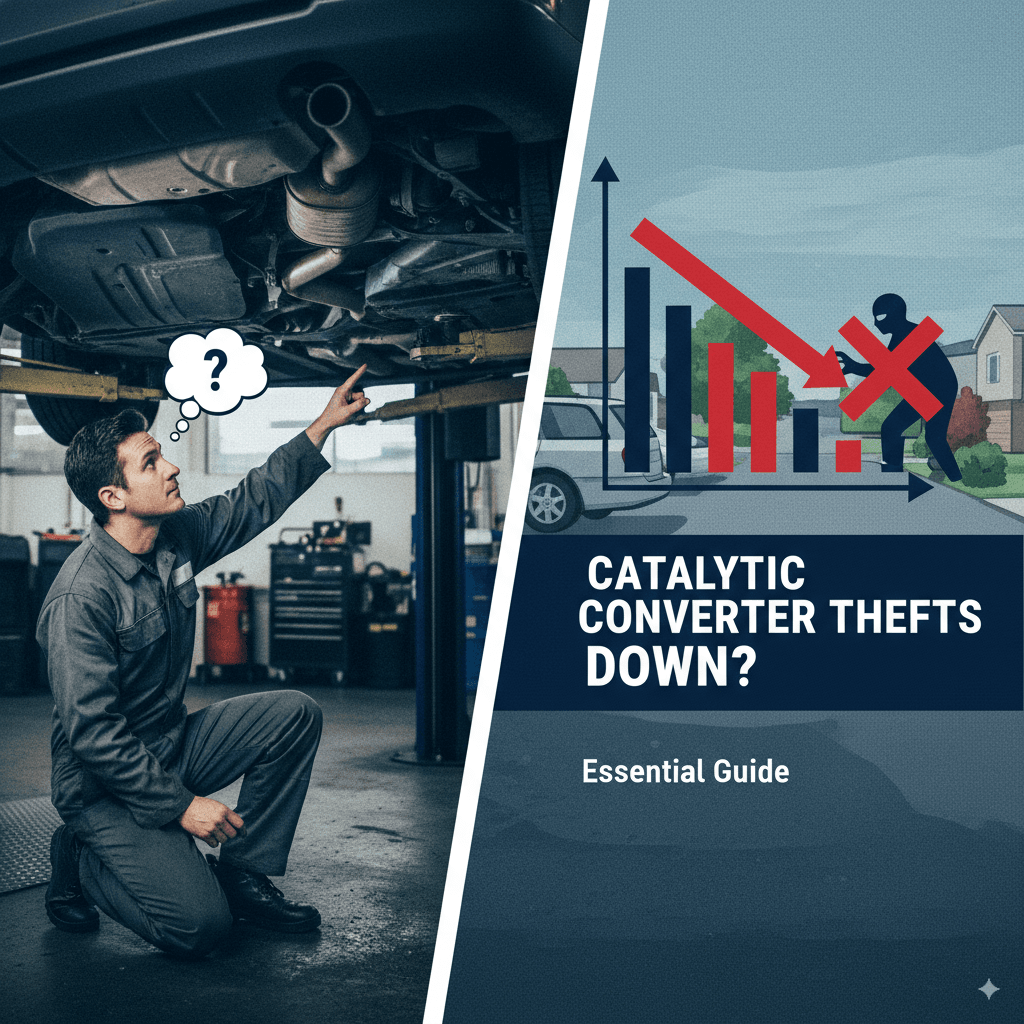
Are Catalytic Converter Thefts Down? Essential Guide
While reports suggest a potential decrease in catalytic converter thefts in some areas recently, it’s still a crime worth being aware of. This guide helps you understand the trend, why your converter is a target, and practical ways to protect it.

Dorman
Dorman 927-932 Patented Catalytic Converter Theft Deterrent…
- Theft deterrent - this cat converter shield is designed to be an unobtrusive but very effective retrofit to prevent the high cost…
- Simple retrofit - requires no special tools or welding to install on specified Toyota Prius models, and includes corrosion-resista…
- Unobtrusive design - precision-cut aluminum shield doesn't sit below the body line of the vehicle like more cumbersome devices tha…
As an Amazon Associate I earn from qualifying purchases.
Hey there, fellow car enthusiasts! If you’ve been hearing whispers about catalytic converter thefts and wondering if it’s still a big problem, you’re not alone. It can be a worrying thought, especially when you consider how crucial this part is for your car’s health and the environment. But don’t let the headlines stress you out too much. Here, we’ll break down what’s happening and, more importantly, give you simple, step-by-step tips to keep your catalytic converter safe and sound.
We’ll look at whether thefts are really down, why thieves target these parts, and what you can do – from simple parking habits to easy protective measures you can install yourself. Let’s dive in and make sure your car stays protected!
Are Catalytic Converter Thefts Really Down?
It’s a question on many car owners’ minds: have thefts of catalytic converters decreased? The short answer is… it’s complicated, but there are some positive signs in certain regions. For a while there, it felt like these thefts were on the rise everywhere. However, recent data and law enforcement reports in some areas suggest a potential slowdown in the explosive growth seen over the past few years.
For example, the National Insurance Crime Bureau (NICB), a non-profit organization dedicated to fighting insurance fraud and theft, has tracked these incidents. While they note that thefts remain a concern, the rate of increase may be stabilizing or even decreasing in some locales compared to the peak of the trend. This isn’t a universal guarantee, though. Thieves are opportunistic, and trends can shift.
Why Thieves Love Catalytic Converters
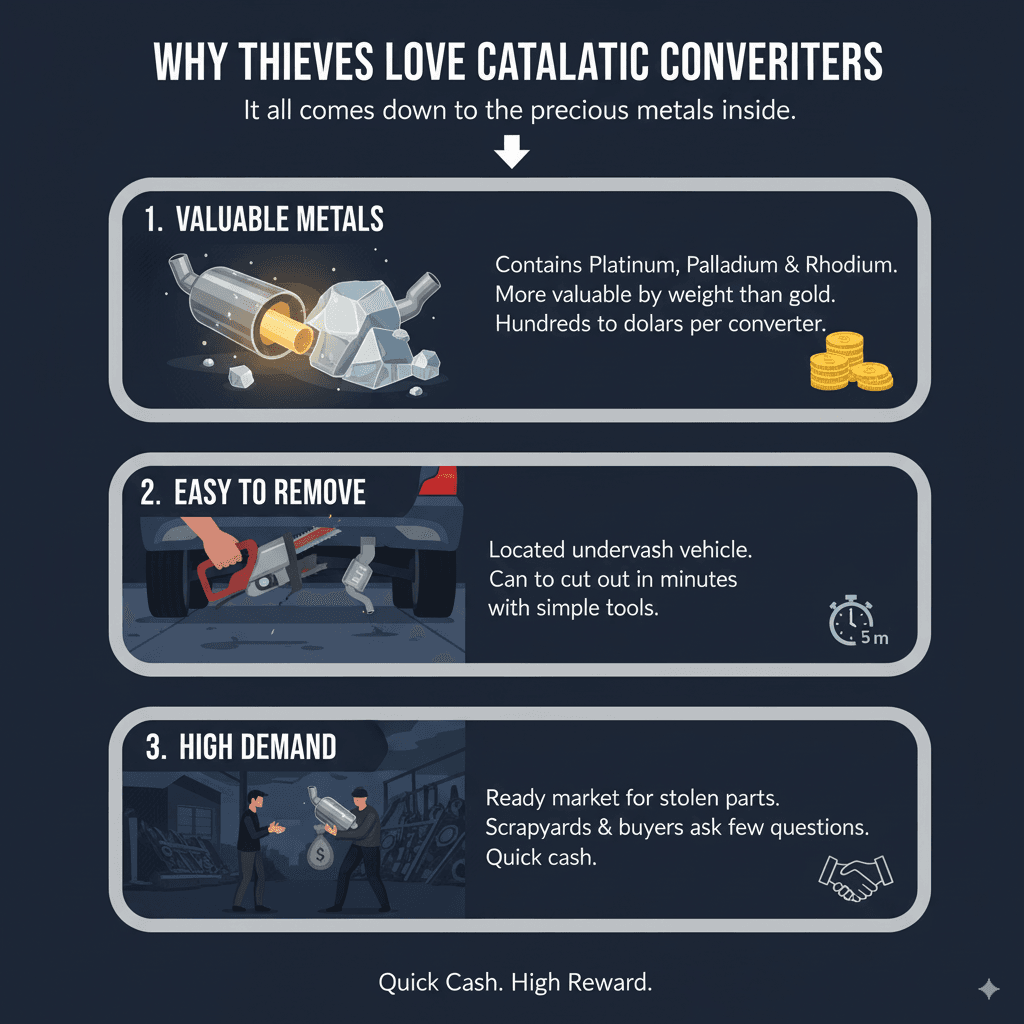
Before we talk about protection, let’s understand why these parts are so attractive to thieves. It all comes down to the precious metals inside.
- Valuable Metals: Catalytic converters contain metals like platinum, palladium, and rhodium. These are incredibly valuable, often worth more by weight than gold. Thieves can quickly gain hundreds of dollars by selling a stolen converter.
- Easy to Remove: Unfortunately, catalytic converters are usually located under the vehicle, attached to the exhaust system. With a few tools and a bit of practice, a thief can slide underneath a car and cut it out in a matter of minutes.
- High Demand: There’s a ready market for stolen catalytic converters. Scrapyards and less scrupulous buyers will purchase them for their metal content, often asking few questions.
What You Can Do to Protect Your Catalytic Converter
Now for the most important part: keeping your catalytic converter safe! The good news is that there are several effective methods, ranging from simple habits to more involved physical protections.
1. Parking Smarts: Your First Line of Defense
This is the easiest and often most effective way to deter a thief. Where you park your car matters!
- Park in Well-Lit Areas: Thieves prefer to work under the cover of darkness or in secluded spots. Parking under streetlights or in busy, visible areas makes them much more hesitant.
- Park in a Garage: If you have a garage, use it! This is the safest option, as it completely removes access for potential thieves.
- Park Near Security Cameras: If you’re parking in a public lot or on the street, try to position your car where it’s in the view of surveillance cameras. The presence of cameras can be a significant deterrent.
- Park in Populated Areas: Even if it’s not a designated parking lot, parking in an area with a lot of foot traffic or near businesses that are open late can make a difference.
2. Security Measures: Making Your Converter a Hard Target
If parking smarts aren’t always an option, or you want extra peace of mind, consider these physical security measures.
Install a Catalytic Converter Shield or Cage:
- What it is: This is a strong metal shield, often made of stainless steel or aluminum, that’s bolted or riveted onto your car’s undercarriage, covering the catalytic converter. Some are solid plates, while others are more like cages with openings, designed to prevent thieves from getting their cutting tools to the converter.
- Benefits:
- These are highly effective deterrents. They make removal much more difficult and time-consuming, which is usually enough to make a thief move on to an easier target.
- They can also offer some protection against road debris.
- Installation: Many of these shields can be installed by a do-it-yourself enthusiast with basic tools. However, if you’re not comfortable working under your car, a local mechanic or exhaust shop can install one for you quickly and affordably. Prices generally range from $75 to $300, plus installation costs if needed.
Engrave or Mark Your Converter:
- What it is: You can have your vehicle’s Vehicle Identification Number (VIN) or another identifying mark etched directly onto the catalytic converter.
- Benefits: This makes the part less desirable to thieves because it’s harder to sell anonymously. It also gives law enforcement a way to identify the owner if the converter is recovered.
- How to do it: Some auto shops offer this service, or you can purchase engraving kits. Be aware that this is more of a deterrent than a physical barrier; determined thieves might still try.
Install an Alarm System or Sensor:
- What it is: Some advanced alarm systems can detect tampering with the exhaust system, including cutting. Motion sensors or vibration sensors can be installed under the vehicle to trigger the car’s alarm if someone tries to approach or cut the converter.
- Benefits: An audible alarm can scare thieves away and alert nearby people to the attempted theft.
- Consideration: These systems can be more expensive and might require professional installation and integration with your car’s existing electrical system.
3. Know Your Exhaust System: Identifying Your Converter
It’s helpful to know what your catalytic converter looks like and where it is. For most cars, it’s a metal box located in the exhaust pipe, usually between the engine and the muffler. It will have pipes entering and exiting it. Knowing this helps you identify if something is missing after a theft.
4. Vehicle Type Matters
Certain types of vehicles are more attractive targets than others. This is often due to their ground clearance, making it easier for thieves to access the converter.
High-Clearance Vehicles:
- SUVs
- Trucks
- Vans
These vehicles are often targeted because a thief can slide underneath them more easily, sometimes without even needing to jack them up. If you drive one of these, extra vigilance with parking and protective measures is a good idea.
Lower-Clearance Sedans and Cars:
- Compact cars
- Sedan models
While less common targets due to less clearance, they are not immune. Thieves might use ramps or jacks to gain sufficient access.