Are Catalytic Converters Required in Tennessee: Essential Facts Revealed
Are you wondering if catalytic converters are required in Tennessee for your vehicle? Understanding the rules about emissions can save you from unexpected fines and help keep your car running smoothly.

Walker
Walker Ultra EPA 53310 Direct Fit Catalytic…
- COMPATIBILITY – Fits 1999-2005 Suzuki Grand Vitara; 1999-2000 Suzuki Vitara; 2001-2003 Suzuki Vitara; 2001-2002 Suzuki Vitara; 200…
- GET THE RIGHT PART -- Before purchasing, please check the “Amazon Confirmed Fit” bar to ensure this part will fit your vehicle; en…
- EPA COMPLIANT -- For use on OBDII vehicles, 1996 and newer. Consult your state's aftermarket converter regulations for details.
As an Amazon Associate I earn from qualifying purchases.
You’ll get clear answers about Tennessee’s laws on catalytic converters, why they matter, and what you need to know to stay compliant. Keep reading to make sure you’re not missing something important that could affect your car and your wallet.
Catalytic Converter Laws In Tennessee
Catalytic converters play an important role in reducing vehicle pollution. Tennessee has specific laws about these devices. These laws help keep the air clean and protect the environment. Understanding these rules is important for car owners and drivers in Tennessee.
State Emission Standards
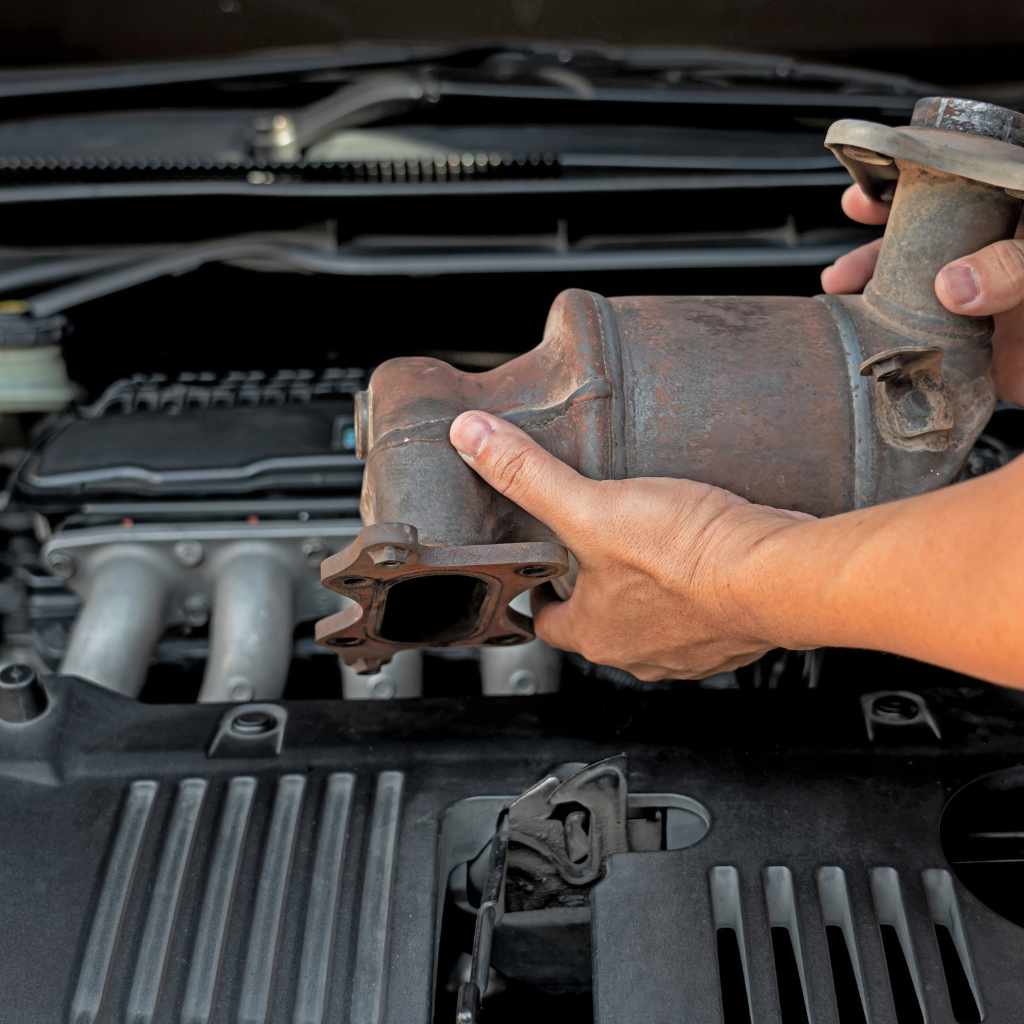
Tennessee follows federal emission standards. These rules require vehicles to limit harmful gas emissions. Most cars must have a working catalytic converter. This device reduces harmful gases like carbon monoxide and nitrogen oxides. Cars without a catalytic converter may fail to meet state pollution limits.
Vehicle Inspection Requirements
Tennessee requires regular vehicle inspections in certain areas. Inspections check if cars meet emission standards. Inspectors look for a properly installed catalytic converter. If a converter is missing or broken, the vehicle may fail inspection. This can lead to fines or restrictions on driving the vehicle.
Types Of Vehicles Affected
Catalytic converters help reduce harmful gases from vehicles. Tennessee requires them on many types of vehicles. Knowing which vehicles need these devices is important. This section explains the types of vehicles affected by this rule.
Passenger Cars And Light Trucks
Most passenger cars in Tennessee must have catalytic converters. This includes sedans, hatchbacks, and small SUVs. Light trucks, like pickups and vans, also need them. These converters cut down pollution from everyday driving. The rule applies to both new and some older models. Keeping these vehicles clean helps improve air quality.
Heavy-duty And Commercial Vehicles
Heavy-duty trucks face different rules in Tennessee. Many commercial vehicles must have catalytic converters too. These include big trucks used for hauling goods. Diesel engines may require special pollution controls. The goal is to reduce large amounts of exhaust pollution. This helps protect the environment and public health.
Exemptions And Special Cases
In Tennessee, not all vehicles must have catalytic converters. Some types of vehicles have special rules or are exempt. Understanding these exceptions helps owners follow the law properly. Below are key exemptions and special cases for catalytic converter requirements.
Classic And Antique Vehicles
Classic and antique vehicles often do not need catalytic converters. These cars are usually 25 years or older. The state recognizes their value as collector items. These vehicles may be exempt from emissions testing and converter rules. Owners must check specific state regulations to confirm eligibility.
Off-road And Agricultural Equipment
Off-road vehicles, such as tractors and farm machinery, are generally exempt. These machines do not operate on public roads regularly. The state focuses on reducing pollution from regular vehicles first. This exemption helps farmers and workers avoid extra costs. It applies only to equipment used mainly off public streets.
Consequences Of Non-compliance
Failing to follow Tennessee’s rules on catalytic converters can cause serious problems. These parts reduce harmful gases from cars. Without them, vehicles pollute the air more. The state enforces these laws to keep the environment clean and safe.
Ignoring these laws leads to legal and financial troubles. Car owners may face fines and trouble with their vehicle registration. These consequences encourage drivers to keep their cars compliant with emission standards.
Fines And Penalties
Tennessee imposes fines on drivers without proper catalytic converters. The amount varies but can be costly. Repeat offenses often bring higher fines. Law enforcement may also require fixing the vehicle to meet emission rules. Penalties help reduce pollution and protect public health.
Impact On Vehicle Registration
Vehicles without required catalytic converters may fail inspection. Failed inspections mean you cannot renew your registration. Without valid registration, driving is illegal. This can lead to more fines or even vehicle impoundment. Keeping your converter in good condition avoids these issues.
Replacing Or Repairing Catalytic Converters
Replacing or repairing catalytic converters in Tennessee is important for vehicle health and legal compliance. Catalytic converters reduce harmful emissions. A damaged converter can increase pollution and fail inspections. Fixing or replacing it keeps your car clean and safe.
Certified Replacement Parts
Use certified parts for replacing catalytic converters. These parts meet Tennessee’s environmental rules. They ensure your vehicle passes emission tests. Certified parts last longer and work better. Avoid cheap parts that may cause problems later.
Authorized Repair Facilities
Choose authorized repair shops for catalytic converter service. These shops have trained technicians and proper tools. They follow state laws and safety standards. Authorized facilities give reliable repairs and warranties. Trust them to keep your vehicle emission-friendly.
Environmental Benefits Of Catalytic Converters
Catalytic converters play a key role in protecting the environment. They help reduce the pollution vehicles produce. This technology makes the air cleaner and safer for everyone.
By converting harmful gases into less dangerous ones, catalytic converters support a healthier planet. Their impact is especially important in places like Tennessee, where air quality affects many lives.
Reducing Harmful Emissions
Catalytic converters change toxic gases into safer substances. They target carbon monoxide, nitrogen oxides, and hydrocarbons. These gases cause smog, acid rain, and health problems.
The converter uses catalysts to speed up chemical reactions. This process lowers the amount of these harmful gases released into the air. Cars without converters emit more pollution.
Improving Air Quality In Tennessee
Tennessee benefits from cleaner air thanks to catalytic converters. Cities like Nashville and Memphis see less smog and haze. This helps people with asthma and other lung issues.
Better air quality means fewer health risks and a nicer environment. It supports wildlife and plant life too. Catalytic converters help Tennessee meet air safety standards.
Recent Changes And Updates In Regulations
Recent changes in Tennessee’s vehicle regulations have focused on catalytic converters. These updates aim to reduce pollution and protect the environment. Understanding these changes is important for vehicle owners and mechanics.
The state now enforces stricter rules about catalytic converter installation and maintenance. These rules affect both new and used vehicles. It is essential to stay informed to avoid fines and ensure compliance.
New Legislative Measures
Tennessee has introduced laws requiring catalytic converters on most vehicles. These laws target emissions control and air quality improvement. New vehicles must meet specific emission standards before registration.
The state also increased penalties for removing or tampering with catalytic converters. This helps combat theft and illegal modifications. Vehicle inspections now include checks for properly functioning converters.
Future Compliance Trends
Experts predict stricter emission standards in the coming years. Tennessee may align more closely with federal environmental policies. Vehicle owners should expect more regular inspections and updated technology requirements.
Electric and hybrid vehicles will grow in importance. These vehicles produce fewer emissions and may change future regulations. Staying updated on laws will help avoid legal issues and support cleaner air.
Frequently Asked Questions
Are Catalytic Converters Mandatory In Tennessee?
Yes, Tennessee requires catalytic converters on all gasoline-powered vehicles. This helps reduce harmful emissions and meet state air quality standards.
What Vehicles Need Catalytic Converters In Tennessee?
All gasoline-powered passenger cars, trucks, and SUVs registered in Tennessee must have catalytic converters installed.
Can I Remove My Catalytic Converter In Tennessee?
No, removing a catalytic converter is illegal in Tennessee. It violates state laws and can lead to fines.
How Does Tennessee Enforce Catalytic Converter Regulations?
Tennessee enforces these rules through vehicle emissions inspections and roadside checks to ensure compliance with environmental laws.
Conclusion
Catalytic converters play a key role in reducing vehicle pollution in Tennessee. State laws require most vehicles to have them installed. Removing or tampering with these parts can lead to fines. Keeping your catalytic converter helps the environment and keeps your car legal.
Regular maintenance ensures it works properly and lasts longer. Understanding these rules saves you money and trouble. Protect the air you breathe by following Tennessee’s vehicle regulations. Simple steps make a big difference. Stay informed and drive responsibly.
Related pick: Check today's price on Amazon