Do You Need a Cover For Your Furnace Exhaust Pipe: Essential Guide
Do you need a cover for your furnace exhaust pipe? Generally, no, you do not need an extra cover for a modern, high-efficiency furnace exhaust pipe. These pipes (often PVC) are designed to vent combustion gases safely outside without modification. Adding aftermarket covers can block airflow, violate manufacturer warranties, and create dangerous carbon monoxide risks by interfering with the designed system.
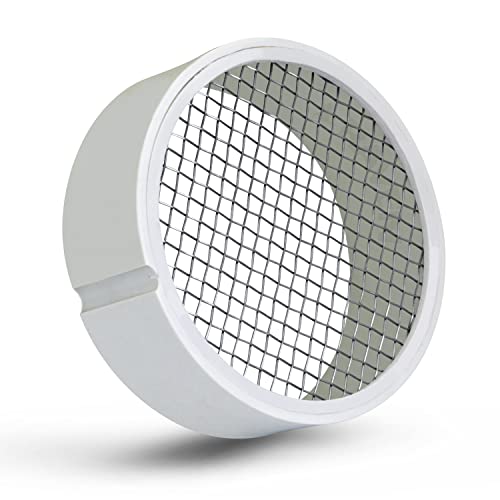
RAVEN
PVC Termination Cap Mesh Screen Vent Cover,…
- ATTENTION: Please Read FIRST: the inner diameter measures 2" inch and the outer diameter measures 2-3/8" inch, therefore any pipe…
- PRODUCT PATENT: PVC drain screen cover with wire round mesh screen built in slot allows water condensation to drain out on the sid…
- SIMPLE & COMPATIBLE: mesh screen vent cover is easy to install and no effort is required by inserting the termination vent cap ins…
As an Amazon Associate I earn from qualifying purchases.
Welcome! If you have a furnace, you probably notice that plastic or metal pipe sticking out of your house—that’s the exhaust vent. Seeing it exposed can make any homeowner pause and wonder: Should I cover this up? It seems like an easy fix to keep out weather or pests, right? It’s a very common question, and understanding the answer is crucial for your home’s safety and your furnace’s efficiency.
Don’t worry; we are going to break down exactly when a cover is needed, when it’s dangerous, and what you should be watching for in simple, clear steps. This guide will give you the confidence to keep your furnace running perfectly and safely all year long. Let’s dive in and find out the deal with furnace exhaust covers!
Understanding Your Furnace Exhaust System: What Is That Pipe For?
Before we talk about covering anything up, let’s quickly look at why that pipe exists and what it does. Your furnace—whether it burns natural gas or propane—creates exhaust gases when it burns fuel to heat your home. These gases must go somewhere safe, and that’s the job of the exhaust pipe, also called the flue or vent pipe.
High-Efficiency vs. Older Furnaces
The type of exhaust pipe you have mostly depends on how old and efficient your furnace is. This distinction is key to knowing if you need any extra protection or covers at all.
1. High-Efficiency (Condensing) Furnaces (The Most Common Today)
These modern furnaces are great because they squeeze more heat out of the fuel, leading to lower energy bills.
Material: They almost always vent using PVC (plastic) pipes. This is because the exhaust gases are cooler (most of the heat is captured inside the unit), so they don’t create corrosive, high-temperature smoke like older systems.
Venting Style: Often, they terminate horizontally through a sidewall of your house, usually near the furnace itself.
Covers Needed? Almost never. These systems are designed to be simple, self-draining, and resistant to outdoor elements because of how they are installed.
2. Standard-Efficiency (Older) Furnaces
These units are older and less efficient. They operate at much higher temperatures.
Material: They vent hot combustion gases through metal venting pipes (like B-vent or double-wall metal flue pipe), usually terminating vertically through the roof.
Covers Needed? Sometimes, but usually, only a specific cap (not a full cover) is required, which is installed by the manufacturer or HVAC professional.

The Big Question: Do You Need a Cover for Your Furnace Exhaust Pipe?
For the vast majority of homeowners with modern, high-efficiency furnaces, the simple answer is no. Adding an unauthorized cover is usually unnecessary and often dangerous.
Why Manufacturers Usually Say No Covers
Furnace manufacturers design their venting systems to meet strict safety standards (like those set by organizations such as the International Fuel Gas Code—IFGC). Any alteration can cause problems.
Restricted Airflow: Exhaust pipes need a clear path to push gas out and draw fresh air in (in some models). Putting a cap or tight cover on the end blocks this critical airflow.
Condensation Issues: High-efficiency PVC pipes rely on gravity to drain small amounts of condensation that form inside. If you cap the end, water can back up into the furnace, causing damage to the heat exchanger or burners.
Safety Hazard (Carbon Monoxide): This is the most serious risk. If exhaust gases cannot exit properly, they can back up into your home, leading to a buildup of deadly, odorless carbon monoxide (CO).
When Might an Accessory Cap Be Required?
While a bulky, decorative “cover” is usually a bad idea, there are specific, professionally installed components that might be required depending on where the pipe terminates.
| Scenario | What Might Be Needed | Why? |
|---|---|---|
| Vertical Metal Vent Pipe (Older Furnace) | Approved Rain Cap/Terminator | To prevent rain, snow, or large debris from falling directly down the vertical metal flue. |
| Horizontal PVC Pipe (Near Ground/High Traffic Area) | A specialized deflector or screening (rarely a blocker) | To ensure the exhaust gases vent up and away from pedestrian paths or low windows, though code addresses this placement primarily. |
| High Winds/Weather Exposure | Manufacturer-approved terminal shield | To prevent wind from blowing back into the intake side (if side-by-side venting exists) or to protect against heavy ice buildup. |
The Risks of Improperly Covering Your Exhaust Pipe
If you decide to put a generic cover—like a mesh screen, bird guard, or decorative cap—on your furnace exhaust pipe, you are playing with fire, both literally and figuratively. Let’s look at the top three dangers.
1. Carbon Monoxide Poisoning
This is the single most important reason why you should avoid unauthorized covers. Furnaces burn fuel, which produces carbon monoxide (CO). If the exhaust stream is blocked or slowed:
The pressure equalization fails.
Exhaust gases can spill back into your utility room or living space.
CO is colorless and odorless—it’s deadly before you notice a problem. Always have working CO detectors on every level of your home.
2. Water Damage and System Failure
High-efficiency PVC condensate pipes rely on gravity. If you put anything over the opening that causes water to pool:
Water backs up into the furnace drain line.
If the drain line clogs or overflows, it can saturate the furnace components.
This can quickly lead to expensive repairs or permanent system failure.
3. Voiding Your Warranty
HVAC equipment is incredibly sensitive to how it is vented. If you install an aftermarket cover and the furnace later malfunctions, the manufacturer can easily deny your warranty claim, stating that the system was modified outside of installation guidelines. Always check your specific furnace manual before adding anything to the exterior vents.
DIY Maintenance: What You CAN Do for Your Exhaust Pipe Safety
While you shouldn’t add covers, there are simple, safe maintenance checks you can perform regularly to ensure your exhaust pipe is doing its job perfectly.
Tools You Might Need (For Inspection Only)
Since we are not working on the internal mechanism, your tools are simple:
Flashlight (a bright LED one is best)
Safety glasses
A soft brush or cloth
A ladder (used safely!)
Step-by-Step Inspection Checklist (Do This Annually)
Follow these steps during your routine furnace check, usually before the heating season begins.
- Visual Inspection (Inside): Locate where the pipe enters or leaves your furnace. Check the connections for tightness. Look for any drips or signs of water leakage near the fittings.
- Visual Inspection (Outside): Go outside and check the termination point. Is the plastic (PVC) pipe cracked, bleached severely from the sun, or sagging? Minor discoloration is common, but major physical damage needs repair.
- Clear the Airflow Path: Ensure no weeds, shrubs, snowdrifts, or stored items are blocking the immediate area around the exhaust pipe exit. The code requires specific clearance distances for safety. For example, many manufacturers require the vent to terminate at least 12 inches above ground level or 12 inches away from shrubbery. You can research local building codes for specific separation needs, though often HVAC professionals default to guidelines from resources like the International Fuel Gas Code (IFGC).
- Check for Blockages (Gentle Probe): Shine your flashlight down the pipe end (if safely reachable from the ground). If you see leaves or debris just inside the opening, you can gently try to dislodge it with a stiff brush or a piece of soft wire, ensuring you don’t push anything deep into the system.
- Test for Condensate Drainage (High-Efficiency Only): If your system generates condensate, watch the pipe exit points after the furnace has run for 15 minutes on a cold morning. You should see a small, steady drip or flow, indicating water is exiting correctly. If the pipe is dry when it should be producing condensation, there might be a blockage inside the furnace drain trap.
When Is a Screen or Cap Absolutely Necessary? (The Exception)
While we’ve established that most modern exhausts don’t need covers, there is one persistent pest problem that sometimes necessitates a professional solution: critter intrusion.
The Bird/Insect Nesting Problem
Birds, squirrels, or large insects (like wasps building mud nests) can sometimes build nests right at the mouth of a vent pipe, especially those terminating just a few feet off the ground.
If a blockage occurs here, the symptoms are often immediate:
The furnace might cycle on and then immediately shut off (a “short cycle”).
You might hear a “gurgling” or “choking” sound if water backs up slightly.
If your furnace has a pressure switch safety, it will usually shut down the unit before a dangerous CO buildup occurs, tripping the furnace error code.
The Safe Solution: Professional Installation of Approved Screening
If you suspect or confirm that pests are blocking your exhaust, do not install a generic hardware store screen.
1. Contact Your HVAC Technician: Explain the pest issue.
2. Approved Guards: A professional will install a specialized piece of mesh or screening that is specifically designed for that furnace model or vent type. These guards are engineered with a large enough mesh opening (or designed shape) to prevent entry by pests (often 1/2-inch or larger openings) while still allowing the required volume of exhaust gas to escape freely.
3. Placement: These guards are usually placed externally on the termination point and secured properly to prevent them from vibrating loose or falling off.
Deciphering Vent Pipe Materials: What to Look For
The material of your vent pipe tells you everything about its temperature resistance and what you can safely do to it. You should never mistake the exhaust pipe for a dryer vent, which often sits unprotected outside.
Here is a quick guide to identifying common vent types:
| Vent Material | Typical Furnace Type | Temperature Concerns | Covering Recommendation |
|---|---|---|---|
| PVC or CPVC Plastic | High-Efficiency (Condensing) | Low temperature (must be kept below 140°F or so; high heat melts it). | No cover needed; focus on keeping the end clear of debris and water backup. |
| Galvanized Double-Wall Metal (B-Vent) | Mid or Older Efficiency | Medium temperature (safe for outdoor exposure). | May require a manufacturer-approved rain cap if venting vertically through the roof. |
| Stainless Steel or Single-Wall Metal | Very Old or Direct Vent Appliances | High temperature (rare for standard residential furnaces today). | Requires specialized installation components; do not modify without professional guidance. |
Seasonal Variations and Exhaust Pipe Care
Your furnace works hardest when the weather is coldest. What happens during extreme weather events (heavy snow, ice storms) affects the exhaust pipe differently depending on its orientation.
Dealing with Snow and Ice Buildup
If you have a horizontal vent pipe that terminates near the ground (common with modern high-efficiency units), heavy snowfall is a major concern.
The Danger: Snowdrifts can bury the exhaust pipe opening, creating an immediate blockage, causing the furnace to shut down safety, or worse, allowing gases to spill into the house if the drift is deep enough.
The Solution: If heavy snow is forecast, periodically check the termination point. If it’s covered, carefully shovel the area around the pipe to ensure the area directly in front of the vent is clear, allowing a path for the exhaust gases to escape upward and away. Never try to melt ice inside the pipe with hot water or cleaning tools, as this can damage the plastic or compromise the seal.
Protecting Against Ice Dams (Vertical Vents)
For vertical vents exiting the roof, ice dams forming on the roofline usually do not directly block the vent pipe unless the pipe terminates extremely close to the edge of the roof flashing. If you have a vertical pipe, ensure the manufacturer-approved cap is firmly in place to keep direct rain and snow out.

FAQs: Quick Answers About Furnace Exhaust Maintenance
Here are some quick answers to common concerns about your furnace exhaust pipe maintenance.
Q1: Can I paint my existing PVC furnace exhaust pipe white?
A: It is generally best not to paint PVC vents unless the paint is specifically rated by the furnace manufacturer for that application. Painting can sometimes degrade the plastic or change its heat resistance characteristics. If aesthetics are a concern, always consult your furnace’s installation manual first.
Q2: My furnace is short-cycling and kicking out an error code. Could it be the exhaust?
A: Yes, this is a very common symptom of an exhaust issue. The furnace safety controls (the pressure switch) detect that exhaust gases aren’t leaving properly, and it shuts down immediately to protect itself and your home. Visually inspect the exterior termination point for blockages first.
Q3: How far away from windows or doors should the exhaust pipe terminate?
A: This distance is governed by strict building codes, typically dictated by the IFGC. For most horizontal PVC terminations, the clearance is often 12 inches horizontally from any opening (doors, windows, air intakes) and at least 12 inches above grade (ground level) or from any snow accumulation zone. Always confirm local code requirements.
Q4: Is it safe to use a hairdryer or hot water to melt ice on the outside of the PVC vent pipe?
A: Melting a small amount of ice on the outside* of the pipe is generally safe if done quickly and carefully. However, never use high heat, and be careful not to scald yourself or damage the pipe material. If ice is persistent, it usually means the water vapor inside the pipe is freezing, indicating the furnace isn’t reaching its usual operating temperature or the pipe insulation is compromised.
Q5: What is the difference between an exhaust pipe and a condensation drain line?
A: The exhaust pipe vents the hot combustion gases (like steam/smoke). The condensation drain line is a small separate tube that handles the acidic water (condensate) produced when the high-efficiency furnace extracts maximum heat from the gases. Both must remain clear, but they handle different things.
Q6: Should I wrap my existing PVC exhaust pipe with insulation?
A: Absolutely not. PVC pipes are designed to vent slightly warm, moist air. Wrapping them can trap moisture against the plastic or interfere with the required slight temperature gradient that helps push gases out. Insulation is generally only used for high-temperature metal flues on older units in unconditioned spaces (like attics), and even then, only with specific, approved materials.
A Final Word: Prioritizing Safety Over Aesthetics
We know it can be frustrating watching that bit of plastic pipe stick out from the side of your otherwise neat home. The temptation to cover it up for looks or perceived protection is strong. However, when it comes to furnace exhaust, simplicity is safety.
Modern furnace venting systems are carefully engineered balancing acts involving airflow, pressure differential, and temperature management. Adding something that blocks, restricts, or improperly directs that flow is not worth the risk of expensive system damage or, far more importantly, the danger of carbon monoxide entering your living space.
If you notice physical damage to the pipe—cracks, breaks, or missing sections—this must be repaired immediately by a qualified HVAC technician. These repairs involve specialized cements and fittings that ensure the system remains sealed and correctly pitched.
Instead of focusing on adding an external cover, focus your energy on annual inspections: look for clear ground space around the exit, check for obstructions like snow or debris, and listen for unusual furnace noises. By keeping the existing, manufacturer-approved system clear and untouched, you ensure your furnace operates efficiently, safely, and reliably for years to come. Trust the engineers; what they installed is already protected enough for the elements it faces!
Related pick: Check today's price on Amazon