Does a Tankless Water Heater Need an Exhaust Pipe? Explained
Thinking about a tankless water heater? You might be wondering, Does a Tankless Water Heater Need an Exhaust Pipe? It’s a common question, especially for those just starting to explore home improvements. The answer can seem a little tricky at first, with terms like “venting” and “combustion” thrown around. Don’t worry, though! We’ll break down everything in a simple, step-by-step way. Get ready to explore the details, so you can make informed decisions. Let’s start by looking at what you need to know.
Why Tankless Water Heaters Need Proper Venting
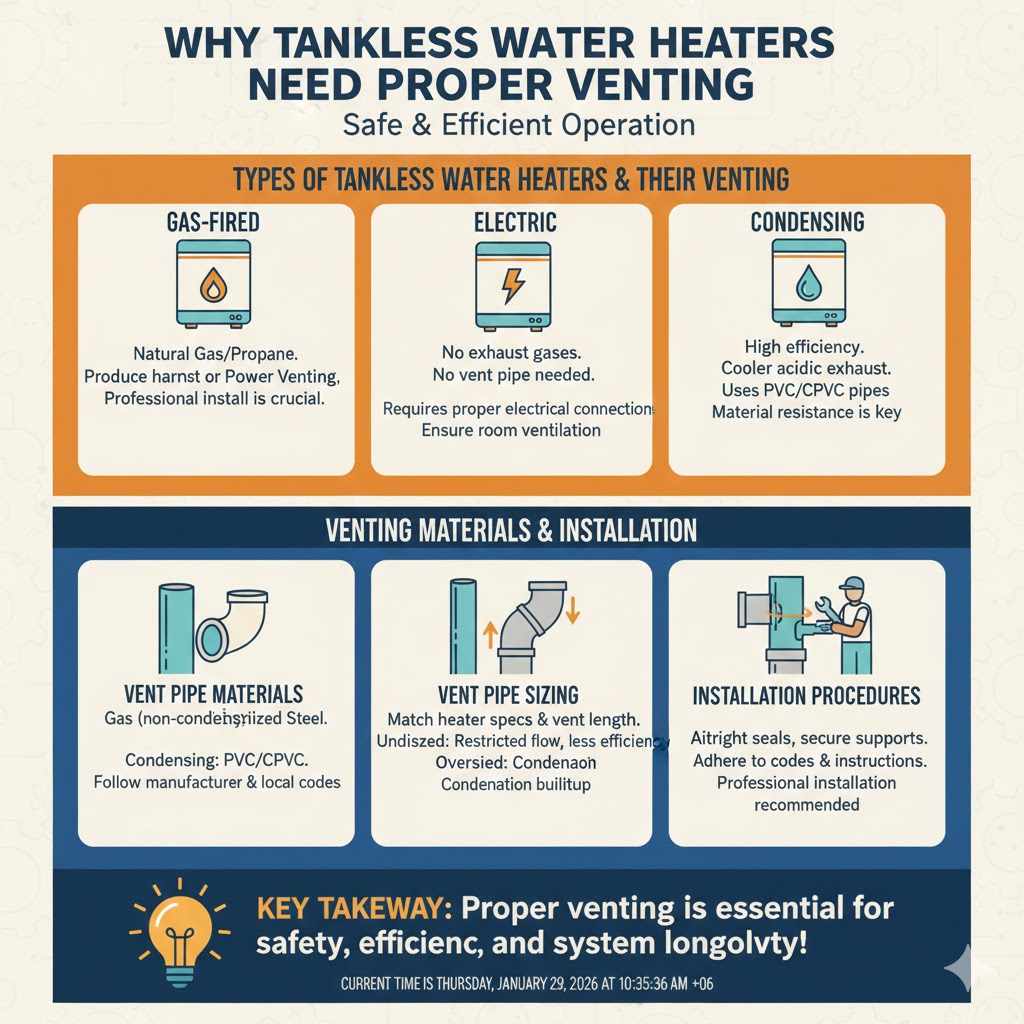
One of the first considerations when installing a tankless water heater is its venting system. The reason why this is an important part of the installation process is to safely remove exhaust gases. These gases are a byproduct of the combustion process inside the heater. Without a proper exhaust system, dangerous substances like carbon monoxide can accumulate in your home. This can lead to serious health issues. Venting also helps the heater function efficiently. It ensures that fresh air is supplied to the combustion chamber. This provides optimal burning of the fuel, whether it is natural gas or propane. In addition, proper venting prevents issues related to condensation and corrosion within the appliance. Therefore, choosing the correct type of venting system is a vital safety and performance consideration.
Types of Tankless Water Heaters and Their Venting Needs
Tankless water heaters are not all created the same way. Their venting needs are different depending on their fuel source and design. Understanding these differences is key for choosing the right system for your home and local regulations. Choosing a system that vents properly ensures the heater will operate efficiently and safely. A wrong selection might lead to dangerous situations and also void the warranty. Consider the energy source and the location of the unit within the home.
Gas-Fired Tankless Water Heaters (Natural Gas or Propane): Gas-fired units are generally the most common type. They use a burner to heat water quickly as it passes through the unit. Because they produce exhaust gases, they require either direct venting or power venting systems. Direct vent systems pull air from outside the home, through a coaxial pipe, and exhaust gases directly to the outside. Power-vented systems use a fan to push the exhaust gases through a vent.
These systems need proper venting to remove carbon monoxide and other harmful gases. Without the proper venting system, the buildup of these gases poses significant health risks. A certified professional should conduct the installation to make sure it complies with all safety codes.
Electric Tankless Water Heaters: Electric tankless water heaters do not produce any exhaust gases. They heat water using electric heating elements. Because of this, they do not need an exhaust pipe. They still require proper electrical connections, which must meet local safety standards.
Although they don’t produce exhaust, proper ventilation in the room where the electric unit is located is crucial. This will help prevent moisture buildup which can cause mold and other problems. Always make sure to get all installation work done by a qualified electrician to ensure everything is safe and up to code.
Condensing Tankless Water Heaters: Condensing units are highly efficient. They recover heat from exhaust gases. This results in lower operating costs. They typically use a special venting system made of PVC or CPVC pipe because the exhaust gases are cooler. These pipes are resistant to the acidic condensate produced during the process.
Choosing the right materials for the venting system is crucial. Incorrect materials can degrade rapidly, leading to leaks and potential hazards. Professional installation ensures that the venting system is set up correctly, maximizing the heater’s efficiency and lifespan.
Venting Materials and Installation Considerations
The materials used in venting are an important factor in the longevity and safety of your system. They also determine how it functions. Materials must be resistant to heat and chemicals, depending on the type of tankless water heater. Correct installation is as critical as choosing the right materials. This ensures the system works efficiently. Professional installation is highly recommended to follow local codes and safety standards. Improper installations may lead to leaks, fire hazards, and health risks.
Vent Pipe Materials: The choice of vent pipe material depends on the type of tankless water heater and the local codes. For gas-fired, non-condensing units, you’ll often see stainless steel or galvanized steel. These materials handle high temperatures from exhaust gases. Condensing units use PVC or CPVC pipes. These are resistant to the acidic condensate produced during the process.
Choosing the correct material is vital. Incorrect materials will break down over time, creating leaks and posing dangers. Always refer to the manufacturer’s guidelines and local codes to make sure your choice is compliant.
Vent Pipe Sizing: Correct sizing of the vent pipe is essential for optimal performance. An undersized pipe can restrict airflow and reduce efficiency. An oversized pipe might lead to condensation buildup. Vent pipe diameter has to be matched to the heater’s specifications and the length of the vent run. This will ensure proper draft and the effective removal of exhaust gases.
You may need to get a professional to size your vent pipe correctly. They will take into consideration all relevant factors. They will also consider the location of your water heater, the vent’s path, and local codes.
Installation Procedures: Professional installation includes proper sealing of all joints, support of the vent pipe, and ensuring the vent terminates in a safe location outside the house. Installation must also adhere to all local building codes and manufacturer’s instructions.
Professional installers are well-versed in the specifics of vent pipe installation. They know the importance of airtight seals, secure supports, and appropriate venting terminations. This work helps reduce risks and ensure the system’s long-term safety and performance.
Understanding Direct Venting and Power Venting
When discussing Does a Tankless Water Heater Need an Exhaust Pipe?, the venting system plays a role in how a tankless water heater removes exhaust. Direct venting and power venting are two different ways this is done. Choosing the right type of venting system is a key factor. It greatly influences the efficiency and safety of the water heater. The choice often depends on your home’s setup, local building codes, and your preferences.
Direct Vent Systems: How They Work
Direct vent systems are a popular choice for tankless water heaters. They pull combustion air directly from the outside, through a coaxial pipe. This is a pipe within a pipe. The inner pipe carries exhaust gases outside. The space between the pipes draws in fresh air from the outside. This design ensures that the water heater does not use air from inside your home. This is important for indoor air quality and efficiency.
Coaxial Vent Pipe: The coaxial vent pipe, as mentioned, is the main component of a direct vent system. The inner pipe is for exhaust, and the outer pipe draws in air. This design allows for a balanced approach. It helps with efficient combustion and reduces the chances of backdrafting.
Coaxial pipes are usually made of durable materials that resist the heat and the elements. You must install them properly to guarantee they work as intended. Also, make sure that the outer pipe is sealed from the inner pipe so that exhaust fumes cannot enter the home.
Air Intake and Exhaust: The direct vent system pulls combustion air from the outside. This removes the need for indoor air, which can be contaminated. The exhaust pipe then expels waste gases directly outside. This process helps to maintain safe indoor air quality, particularly in tightly sealed homes.
Direct vent systems can be particularly advantageous in homes. In those homes, indoor air can have impurities, for example, from cleaning products or pets. These systems also offer energy efficiency as they do not require any energy to push the exhaust out, unlike power-vented ones.
Benefits of Direct Venting: Direct venting offers several benefits. It provides better indoor air quality, is often quieter than power-vented systems, and can be more energy-efficient. Because it uses outside air for combustion, it reduces the risk of backdrafting and carbon monoxide buildup in the home.
Direct vent systems are often easier to install. However, they need careful planning for the vent run to ensure a proper seal and aesthetic appeal. They are an excellent option for new construction or homes that are being renovated.
Power Vent Systems: What to Know
Power vent systems use a fan to push the exhaust gases out of the house. This design allows for more flexibility in vent pipe placement. You can also run the vent pipe a greater distance than you could with a direct vent system. These systems are an option for homes. Homes may not be suited for a direct vent configuration due to architectural reasons or the location of the water heater.
Venting Fan: The primary component of a power vent system is the fan. It is located near the exhaust outlet and is designed to forcibly push exhaust gases outside. The fan guarantees the proper removal of exhaust gases, particularly in instances where the vent run is longer.
The fan must be properly sized for the tankless water heater. It also must be able to withstand high temperatures and operate efficiently. This component needs regular checks to ensure it is working properly and does not have any obstructions.
Air Intake: Power vent systems usually draw combustion air from inside the home. This differs from direct vent systems. It is crucial to have adequate ventilation in the area where the water heater is installed to ensure sufficient air supply for the heater and prevent negative pressure issues within the house.
If the air intake for the unit is not sufficient, it can lead to inefficient combustion and the potential for the build-up of dangerous gases. Check local codes and guidelines to make sure that the air supply meets all requirements.
Benefits and Considerations: Power vent systems are flexible and can be a good option for homes. Homes that cannot use a direct vent system, due to space limitations or architectural issues, can consider this option. It is important to know that they need electricity to operate. This also makes them a bit noisier compared to direct vent systems. Regular maintenance and inspection of the fan are vital for safety and performance.
Before installing a power vent system, make sure the water heater model is compatible. Get advice from a professional to verify that the venting system is properly sized and installed. This ensures compliance with local building codes.
Safety and Compliance Considerations
Knowing Does a Tankless Water Heater Need an Exhaust Pipe? isn’t just about the mechanics of installation. It also means you should prioritize safety and building code compliance. Safety is a key factor, including carbon monoxide detection and adherence to local regulations. Following these guidelines helps protect both your health and your property. This also guarantees your system operates legally and effectively.
Carbon Monoxide Detection
Carbon monoxide (CO) is a deadly, odorless, and colorless gas. It is a byproduct of incomplete combustion. All homes with gas appliances, including tankless water heaters, must have carbon monoxide detectors. These devices are essential for detecting this dangerous gas. Detectors should be installed near bedrooms and living areas to offer early warning of any potential leaks.
Importance of CO Detectors: Carbon monoxide poisoning can be fatal. Detectors give you an early warning. This helps protect you and your family. If the detector sounds an alarm, you must leave the house immediately. Then you can call for professional assistance.
Carbon monoxide detectors save lives. They must be installed correctly and regularly tested to ensure they work properly. They are a necessary safety measure for any household with fuel-burning appliances.
Detector Placement and Maintenance: Install carbon monoxide detectors outside bedrooms and on every level of your home. You can often mount the detector on the wall or ceiling. Make sure the placement follows the manufacturer’s recommendations and any local guidelines. Test your CO detectors regularly and replace the batteries as recommended to keep them operating properly.
Regular maintenance ensures that your CO detectors are ready to alert you when needed. Check the batteries, test the alarm, and replace your detectors every five to seven years. Replace expired units promptly. Also, follow any instructions given by the manufacturer.
Recognizing the Symptoms of CO Poisoning: Symptoms of carbon monoxide poisoning include headache, dizziness, nausea, and confusion. If you or someone you know shows these symptoms, get outside to fresh air immediately and seek medical attention.
Early recognition of symptoms can prevent serious health complications. Always have your appliances, including your tankless water heater, regularly inspected and maintained by a professional to reduce CO exposure risk. If you suspect carbon monoxide exposure, see a doctor right away.
Building Codes and Permits
The installation of a tankless water heater, and its exhaust pipe, must comply with all local building codes and get the required permits. These regulations ensure that the installation is done to industry standards. This ensures safety and protects property values. You should start the process by determining what your city, county, or state requires. This is an important step to ensure the installation is safe and compliant.
Permitting Process: Getting a permit usually involves submitting plans and specifications to your local building department. The plans should include details of the tankless water heater and the venting system. Be prepared for an inspection to confirm that the installation meets code requirements.
The permitting process ensures that all installations meet required safety standards. It also guarantees that the work is done properly. Do your research, gather the needed documentation, and be ready for inspections to avoid any delays or issues.
Code Compliance: Building codes establish standards for safety, efficiency, and construction quality. They cover everything from vent pipe materials and sizing to installation practices and clearance requirements. A licensed professional must conduct all work to guarantee compliance.
Compliance with local codes protects you from potential hazards. It also ensures the long-term safety and performance of your water heater. Always use a qualified installer to meet all code requirements.
Professional Installation: Engaging a qualified, licensed professional is vital to ensure code compliance. Professionals will know all the local regulations. They will also make sure the installation meets the manufacturer’s specifications. This can also safeguard your warranty.
Choosing a professional guarantees a safe and code-compliant installation, protecting your family and your property. Research and pick a reputable installer with experience in tankless water heater installations.
Maintenance and Troubleshooting
Proper care of your tankless water heater and its venting system is essential for your safety and the heater’s longevity. This involves regular maintenance and prompt troubleshooting of any potential problems. This helps keep your system running effectively and efficiently, saving you money and giving you peace of mind. Keeping up with maintenance also means knowing how to spot and fix minor issues.
Regular Maintenance Tasks
Consistent maintenance is key to keeping your tankless water heater operating smoothly. This ensures it continues to provide hot water efficiently. Regular maintenance helps prevent problems, extends the life of the unit, and ensures your warranty stays valid. Plan a schedule for routine maintenance to keep your tankless water heater in top condition.
Flushing the Unit: Tankless water heaters need to be flushed every year to remove sediment buildup. Mineral deposits inside the heat exchanger can restrict water flow and lower efficiency. You should have a professional service this annually.
Flushing the unit helps avoid costly repairs and maintains the heater’s efficiency. You can generally tell when the unit needs a flush. Look for reduced water flow and inconsistent water temperature.
Inspecting the Venting System: Check the vent pipes for any obstructions, leaks, or signs of corrosion regularly. Check that vent terminations are clear of obstructions. Any issues you identify should be addressed by a professional. This task is especially important for safety.
Regular inspections of the venting system can prevent dangerous situations. These could include the potential for carbon monoxide buildup. Also, make sure all connections are secure and the vent pipe is properly supported.
Checking Air Intake (for Direct Vent Systems): Make sure the air intake openings on direct vent systems are clear of obstructions. You must make sure there is proper airflow for combustion. Obstructions, such as leaves or debris, can affect the efficiency of your water heater.
Maintaining clear airflow will help the water heater function safely and efficiently. Always clean the air intake grilles regularly. This will ensure proper combustion.
Common Issues and Troubleshooting Tips
You may encounter some problems with your tankless water heater. These issues may include inconsistent water temperature, low water flow, or error messages. Addressing these issues quickly will help prevent them from worsening. It’s often best to consult a professional for complicated issues. Having a basic understanding of common issues allows for early detection and possible fixes.
Inconsistent Water Temperature: Inconsistent water temperature may suggest sediment buildup or a problem with the water heater’s internal components. Try flushing the unit, or contact a professional if the problem continues.
Inconsistent water temperature can make your showers or other water use less comfortable. Flushing may solve the issue. If the issue remains, a professional can check the unit’s sensors and other components.
Low Water Flow: Low water flow may indicate a clogged water filter or mineral buildup within the unit. Examine and clean the water filter. If this does not work, it might be due to sediment. A professional can flush the unit to remove any deposits that are building up.
Low water flow can impact the function of your water usage. Regular maintenance, such as filter cleaning and flushing, can help prevent this problem. It will also help the unit’s performance.
Error Codes: Tankless water heaters often display error codes. These codes identify specific issues that are occurring with the unit. Refer to your owner’s manual for what each error code means and what action to take.
If you have any doubts, contact a professional. They can diagnose the problem accurately and make any required repairs. Never ignore error codes. They are often a sign of a more serious issue.

Frequently Asked Questions
Question: Do I have to have an exhaust pipe with every tankless water heater?
Answer: Not always. Electric tankless water heaters do not produce exhaust gases and, therefore, do not need an exhaust pipe. Gas-powered models, however, do require proper venting to remove exhaust safely.
Question: What type of venting material is best for my tankless water heater?
Answer: The choice of venting material depends on the type of water heater. For non-condensing gas units, stainless steel or galvanized steel is often used. Condensing units typically use PVC or CPVC.
Question: How often should I have my tankless water heater serviced?
Answer: Annual maintenance is generally recommended for tankless water heaters. This should include flushing the unit to remove sediment and inspecting the venting system.
Question: What happens if my tankless water heater’s vent pipe is blocked?
Answer: A blocked vent pipe can cause dangerous exhaust gases, like carbon monoxide, to back up into your home. It can also cause the water heater to shut down. If you suspect a blockage, turn off the heater and contact a professional immediately.
Question: How can I tell if my water heater’s venting system is installed correctly?
Answer: A properly installed venting system will have secure connections. It should be appropriately sized and made of the correct materials. The vent should also terminate safely outside the house, and all installations should be according to local building codes. You can have a professional inspect your system if you are unsure.
Final Thoughts
So, Does a Tankless Water Heater Need an Exhaust Pipe? The answer depends on the type you choose. Gas models, which run on natural gas or propane, do need a proper venting system to safely remove exhaust. Electric models, however, do not. We’ve explored different venting types, like direct and power venting, to help you understand which setup is best for your home. Remember that proper venting is crucial for safety, efficiency, and meeting local building codes.
Regular maintenance, including flushing and inspections, is also vital to keep your system running smoothly. With the right information and a little bit of care, you can choose and maintain a tankless water heater safely and effectively. Now you can make a good decision when you select a tankless water heater and its venting system!
Related pick: Check today's price on Amazon