Do Teslas Have Exhaust Pipes? Essential Guide
No, classic tailpipe exhaust systems are completely absent on Tesla vehicles because they run purely on electricity. Teslas use powerful battery packs and electric motors instead of gasoline engines, eliminating the need for combustion, mufflers, catalytic converters, or any exhaust plumbing.

BIGREAT
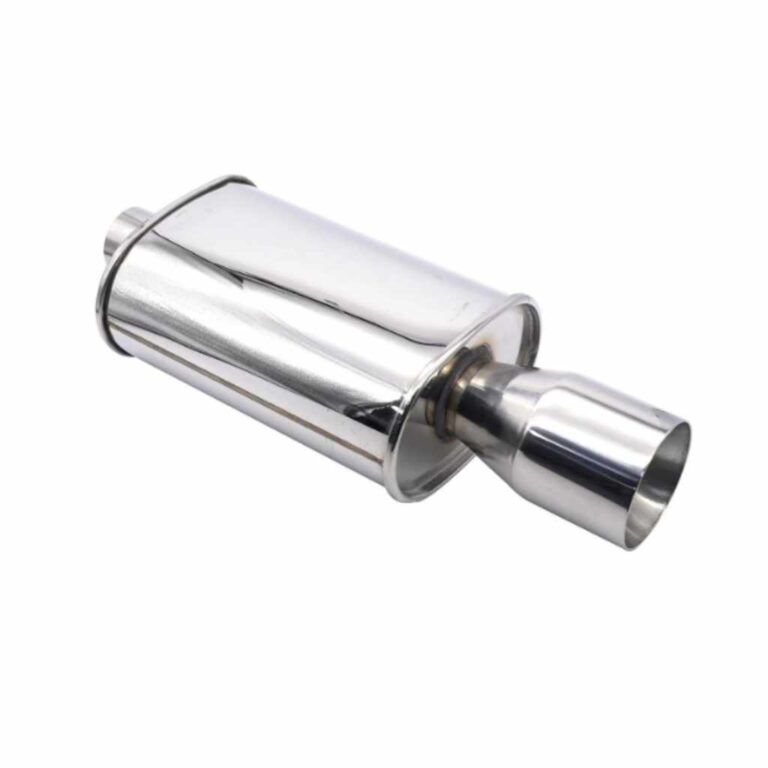
BIGREAT 409 Steel 3'' Inch OD Straight…
- Size:Outsider Diameter: 3.0" Inch; Bending Angle:Straight;Length:48 Inch.
- Materials:Made of High Quality 409 Steel with Computerized Mandrel-Bends for Strength and Durability.
- Easy Install:Each mandrel bent tube is expanded on one end to allow easy slip-fit installation.
As an Amazon Associate I earn from qualifying purchases.
Welcome! If you’ve ever stood behind a sleek Tesla and wondered where the rumble—or even the faint smell of vehicle exhaust—comes from, you are not alone. It is a common question for new EV owners or those just starting to learn about electric vehicles (EVs). Traditional cars need exhaust pipes to safely vent harmful gases created when fuel burns. Since Teslas, and all pure EVs, skip the gasoline burning process entirely, they skip the exhaust system too! This can be confusing if you are used to checking tailpipes for leaks or soot. Don’t worry; this confusion is normal. We will walk through exactly why these cars look different underneath and what they use instead of an exhaust system. By the end, you will feel confident understanding the mechanics of your silent, efficient Tesla.
The Core Difference: Why Combustion Cars Need Exhaust Pipes
To understand why Teslas do not have exhaust pipes, we first need a quick refresher course on what an exhaust system does in a standard gasoline or diesel vehicle. It involves a chemical reaction that makes noise and pollution.
The Role of the Exhaust System in Gasoline Engines
Gasoline engines work through controlled explosions—combustion. When fuel mixes with air and ignites inside the cylinders, it creates hot, pressurized gases. These gases must go somewhere, or the engine would quickly stop running or even explode! The exhaust system has three main jobs:
- Venting Toxic Gases: The primary job is to safely route poisonous gases, like carbon monoxide, away from the engine bay and the vehicle cabin.
- Noise Reduction: The system includes mufflers and resonators to quiet the loud explosions happening inside the engine down to an acceptable level.
- Emissions Control: Modern exhaust systems use components like catalytic converters to clean up harmful pollutants before they exit the tailpipe.
If you look at a traditional car’s underside, you will see intricate pipes, chambers (mufflers), and sensors all working together to manage these outputs. This entire complex network is designed around one main idea: managing waste from burning fuel.

What Powers a Tesla? The Electric Revolution
Teslas operate on a completely different principle. They are Battery Electric Vehicles (BEVs). Think of them less like traditional cars and more like giant, sophisticated computers on wheels that move using stored energy.
Here is the basic breakdown of how a Tesla moves:
- Battery Pack: A large, flat battery system stores electrical energy.
- Inverter: This converts the battery’s DC (Direct Current) power into AC (Alternating Current) power, which the motor needs.
- Electric Motor(s): These motors use the controlled electric current to spin axles and turn the wheels.
Since no fuel is being burned to create motion, there are no combustion byproducts like carbon monoxide or unburned hydrocarbons. If there are no waste gasses, there is simply nothing that needs to exit the vehicle via a pipe. This fundamental difference is why the exhaust pipe becomes obsolete.
Direct Answer: Do Teslas Have Exhaust Pipes? (A Closer Look)
The short, simple answer remains no. However, it is useful to see this comparison clearly laid out so you can confidently explain it to friends or family who might still be skeptical.
Comparison Table: ICE vs. Tesla
This table highlights the key components that are present in a standard Internal Combustion Engine (ICE) vehicle versus a Tesla EV, showing what is missing and why.
| Component | Gasoline/Diesel Vehicle (ICE) | Tesla Electric Vehicle (EV) |
|---|---|---|
| Fuel System | Fuel tank, fuel lines, injectors | High-voltage battery pack |
| Engine Type | Engine block (pistons, valves) | Electric Motors (Rotor and Stator) |
| Exhaust Pipe/Muffler | Necessary for venting gases and noise reduction | Not Present (No gases created) |
| Catalytic Converter | Required for emissions control | Not Present |
| Emissions | Significant output of CO2, NOx, etc. | Zero tailpipe emissions |
As you review the table, remember that removing the entire exhaust system yields significant advantages—less weight, less potential for rust, and lower maintenance costs. This simplicity is one of the major selling points of EV ownership.
What About the “Sound”? Debunking Myths
The biggest sensory difference between a Tesla and a gasoline car is the sound. When you press the accelerator in a gasoline car, the engine revs up, creating noise that the exhaust system must subdue. Teslas are virtually silent at low speeds.
However, modern regulations in many areas require EVs and hybrids to emit some sound at low speeds (under 19 mph) so pedestrians and visually impaired individuals know the car is approaching. This is governed by the law in many places, such as in the United States under NHTSA regulations (National Highway Traffic Safety Administration).
Teslas address this using different methods than a traditional exhaust:
- Pedestrian Warning System (PWS): Newer Teslas are equipped with external speakers that emit a futuristic, synthetic sound when reversing or driving slowly. This is electronically generated, not a byproduct of combustion.
- In-Cabin Sound: Some high-performance models (like the Model S Plaid) offer optional “performance sound” features that play simulated engine audio through the interior speakers to enhance the driving experience for the driver.
Crucially, none of these sounds are created by routing gases through a pipe. They are entirely electronic additions for safety or driver preference.
Maintenance: What Replaced the Exhaust Inspection?
For drivers used to checking for rust on mufflers, dealing with cracked manifolds, or smelling exhaust fumes inside the cabin, moving to an EV means those worries disappear. But responsible car ownership still requires checking key areas. When you inspect your Tesla underneath, you will notice a lot of smooth underbody panels, which are often covering the large battery pack.
Inspecting the EV Underbody Safely
While there is no exhaust to inspect, safety and proper maintenance are still key. If you usually lift your car to check your exhaust pipes, you should now focus on these areas instead:
- Tire Health: EVs are heavy due to the battery weight. This often means regular, thorough checks of tire wear, alignment, and pressure are even more crucial. Check the manufacturer’s recommendations or look at resources like the Tire Rack maintenance guide for EV specifics.
- Suspension Components: Because of the weight, suspension components (like bushings and shocks) may wear differently than in a lighter ICE car.
- Cooling System Lines: EVs use liquid cooling systems to keep the battery and power electronics at optimal temperatures. Visually inspect any visible hoses or lines for leaks or damage.
- Brake System: Many Teslas use regenerative braking heavily, meaning the friction brakes are used less often. While this sounds great, slow use can sometimes lead to rust or seizing on the brake pads/rotors if not occasionally exercised.
If you notice any scraping noises, or if your underbody panels seem significantly damaged (perhaps from hitting debris on the road), it’s wise to have a professional EV-certified technician inspect the area, even though the components underneath are vastly different from a traditional car’s exhaust system.
The Positive Impact on the Environment
One of the most significant benefits of having no exhaust pipe is the immediate, local environmental improvement. Traditional tailpipes emit a host of pollutants directly into the air where people drive and live. This includes greenhouse gases contributing to climate change and smog-forming pollutants.
When your Tesla drives, it produces zero tailpipe emissions. This is excellent for air quality in urban centers. While the electricity generation source matters for the overall “well-to-wheel” emissions (e.g., generating electricity from coal vs. solar), the car itself is inherently cleaner at the point of use. You can learn more about the lifecycle emissions of EVs from reliable sources like the U.S. Environmental Protection Agency (EPA) regarding green vehicles.
The Weight and Efficiency Advantage of No Exhaust
Automotive engineers are constantly fighting to reduce vehicle weight because less weight means better efficiency, better handling, and better performance. This is a major reason why stripping out the exhaust system is a huge win for EV design.
Where Weight Savings Go
A full exhaust system on a gasoline car—including the manifolds, catalytic converter, resonators, muffler, and heavy steel piping—can easily weigh between 50 and 150 pounds, depending on the vehicle size and performance level.
Consider what a Tesla gains by omitting this heavy hardware:
- Improved Range: Lighter weight means the battery power stretches further, directly increasing the miles you can drive per charge.
- Better Handling: Less weight, especially weight that hangs low and toward the rear (as some exhaust components do), improves the car’s responsiveness and balance.
- Simpler Design: Removing complex welded and bolted metal components reduces manufacturing complexity and potential failure points.
Acoustic Management vs. Exhaust Management
In a gasoline car, the exhaust controls two things: gas outflow and noise. In a Tesla, the engineers only need to worry about noise, which is handled electronically, as mentioned earlier. This allows for a cleaner, simpler belly of the car.
Think about performance cars. They often feature aftermarket “straight-pipe” systems to maximize sound and flow. This modification is illegal or highly restricted in many places due to noise pollution. Because the Tesla’s “noise” is generated by a setting, it can be electronically adjusted or muted according to driving mode or region requirements, offering flexibility that metal pipes cannot.
Common Misconceptions and Clarifications
Since the absence of an exhaust pipe breaks with a century of automotive tradition, several myths often circulate. Let’s clear up the noise surrounding these silent machines.
Myth 1: Teslas Still Need to “Warm Up.”
Gasoline engines require warm-up time because oil viscosity changes with temperature. Cold oil does not flow well, so you let the engine idle to circulate oil before driving hard and ensure the fuel burns efficiently. Diesels often need glow plugs to reach combustion temperatures. Teslas do not have this limitation. Their systems are ready to go nearly instantly, though Tesla recommends letting the climate control warm or cool the battery slightly before demanding maximum performance from a very cold start.
Myth 2: If It Doesn’t Have an Exhaust, It Must Smell Different.
While Teslas do not produce exhaust fumes, they still have a distinct smell, especially when they are running hard. This smell usually comes from the tires scrubbing the road surface or heating up the braking system during heavy regenerative braking use. If you notice a strong, acrid burning smell after hard driving, it is almost always related to the tires or brakes, not a leak in a non-existent exhaust manifold.
Myth 3: They Must Have a Tiny “Vent Hole” Somewhere.
People often look for some small opening, expecting a tiny vent for water or something similar. Teslas do not have a dedicated exhaust exit port. The underbody is sealed primarily for aerodynamics and battery protection. Any minor venting required for the battery cooling system is managed through sealed, non-combustion-related passages, usually quite different from the large, exposed openings seen on ICE cars.
In-Depth Look at Tesla Aerodynamics (The Silent Benefit)
When you remove the bulky, uneven plumbing of an exhaust system, you gain significant aerodynamic advantages. Aerodynamics—how air flows over and under the car—is crucial for maximizing EV range.
Engineers designing a Tesla spend countless hours smoothing the air’s path beneath the car. A traditional exhaust system creates turbulence with its pipes, mufflers, and tips protruding into the airflow. Turbulence is drag, and drag wastes precious battery energy.
How Tesla Utilizes a Smooth Underbody
Teslas utilize smooth, flat underbody panels that run nearly the entire length of the vehicle. These panels guide air cleanly toward the rear diffuser, minimizing resistance.
- Reduced Drag Coefficient: Models like the Model S have some of the lowest drag coefficients ever recorded for a production car, partly because they do not need to manage exhaust exit points.
- Battery Cooling Airflow: Any necessary airflow for cooling the battery systems is managed through carefully designed, minimal intakes and outputs that are highly optimized, contrasting sharply with the large, necessary openings required to accommodate exhaust parts.
This focus on smooth airflow is another direct, performance-enhancing result of not needing an exhaust pipe.
What To Do If You See a Pipe Under a Tesla
If you are looking underneath a Tesla and see something resembling a pipe, it is crucial to identify what it actually is. This situation might arise if you are looking at a service vehicle, a very early prototype never released to the public, or if you might be mistaking another component for an exhaust.
Identifying Non-Exhaust Components
The components you might confuse for an exhaust system generally fall into one of these categories:
- Cooling Lines: These are usually thinner, often covered in protective insulation, and carry coolant to the battery or power electronics. They are typically made of polymer or aluminum, not the heavy steel alloy of an exhaust.
- Structural Bracing: To handle the heavy battery pack and torque of instant acceleration, Teslas have heavy structural cross-members and braces across the undercarriage. These are thick, rigid metal bars designed for strength, not gas flow.
- Frunk Drain Hoses/A/C Lines: These are small, flexible lines related to cabin climate control or water drainage, completely unrelated to propulsion.
If you are ever uncertain about the nature of a component underneath your Tesla, the safest route is to consult the official Tesla service manual or schedule an inspection with an authorized service center. Trying to service unknown underbody components without proper training can damage vital battery cooling or structural elements.

Frequently Asked Questions (FAQ) for New EV Owners
Q1: If a Tesla has no exhaust, how does it pass emissions testing?
Because Teslas produce zero tailpipe emissions, they automatically pass the tailpipe portion of most emissions tests. In jurisdictions that require periodic vehicle inspections, they typically only require verification of safety items like lights, brakes, and VIN matching.
Q2: Does the lack of an exhaust pipe mean there is no risk of carbon monoxide poisoning in a Tesla?
Yes. Carbon monoxide (CO) is a direct byproduct of incomplete fuel combustion. Since Teslas do not burn fuel, they cannot produce CO internally. This is a massive safety benefit over gasoline cars. Never run any gasoline-powered vehicle inside a garage, but a Tesla poses no CO risk while parked or charging indoors.
Q3: Can I buy a fake exhaust tip for my Tesla just for looks?
While aftermarket companies sell fake exhaust tips for some EVs, most Tesla owners avoid this as it goes against the EV aesthetic. It adds unnecessary weight and complexity underneath the car without providing any functional benefit, potentially impacting aerodynamics.
Q4: Do hybrid cars (like the Prius) have an exhaust pipe, even if they use batteries?
Yes, standard hybrid vehicles (HEVs) that use both a gasoline engine and electric motors still rely on the gasoline engine for power sometimes. Therefore, they absolutely require a full, functional exhaust system, though it might be slightly smaller or designed to work in tandem with regenerative braking.
Q5: How loud is a Tesla when driving fast on the highway?
At high speeds above 20 mph, the dominant sound you hear in a Tesla is wind resistance (aerodynamic noise) and tire noise, much like any other car. Because there is no droning engine noise, these other sounds might seem more noticeable, but the car itself is generally quieter than a comparable ICE vehicle.
Q6: Is the lack of an exhaust pipe why Teslas feel so quiet inside?
The quietness inside is due to a combination of factors. The electric motor is nearly silent, and without the constant rumble and vibration of a gasoline engine, occupants notice less noise transmission. Furthermore, Tesla often uses extensive sound-deadening materials throughout the structure to enhance the premium, quiet cabin experience.
Q7: Should I ever be worried about objects hitting the bottom of my Tesla?
Yes. While the large, flat battery pack is protected by reinforced structures, hitting large, sharp debris (like metal road debris) through an area where the smooth panels are missing could cause damage to the battery cooling lines or the structure itself.
Related pick: Check today's price on Amazon