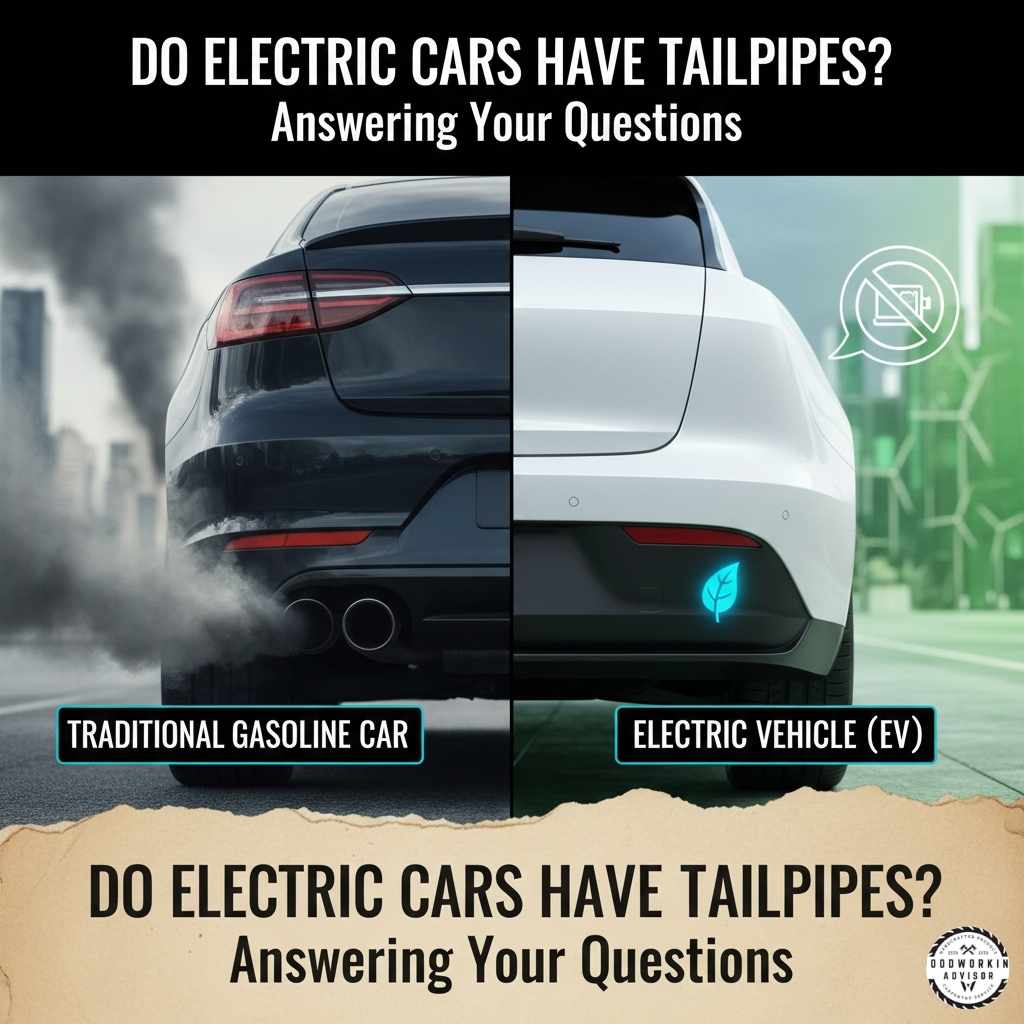
Do Electric Cars Have Tailpipes? Answering Your Questions
It’s a common question, and honestly, it can seem a little tricky at first. Many people wonder about the basics, like Do Electric Cars Have Tailpipes? when thinking about switching to an electric vehicle. Don’t worry, it’s simpler than you might think! This blog post will break it all down in an easy-to-follow way. We’ll explore the differences between electric and gasoline cars, clearing up any confusion, one step at a time.

Generic
Automobile Exhaust Tailpipe Universal for 2"/2.5''/3" Inch…
- This stylish exhaust pipe not only enhances the vehicle's aesthetics but also improves exhaust flow, thereby boosting performance.
- Durable, wear-resistant, high-temperature resistant, and waterproof, it saves you time and effort.
- Made with robust materials, this exhaust pipe ensures structural stability and excellent resistance to deformation.
As an Amazon Associate I earn from qualifying purchases.
Electric Vehicles vs. Gasoline Cars: The Basics
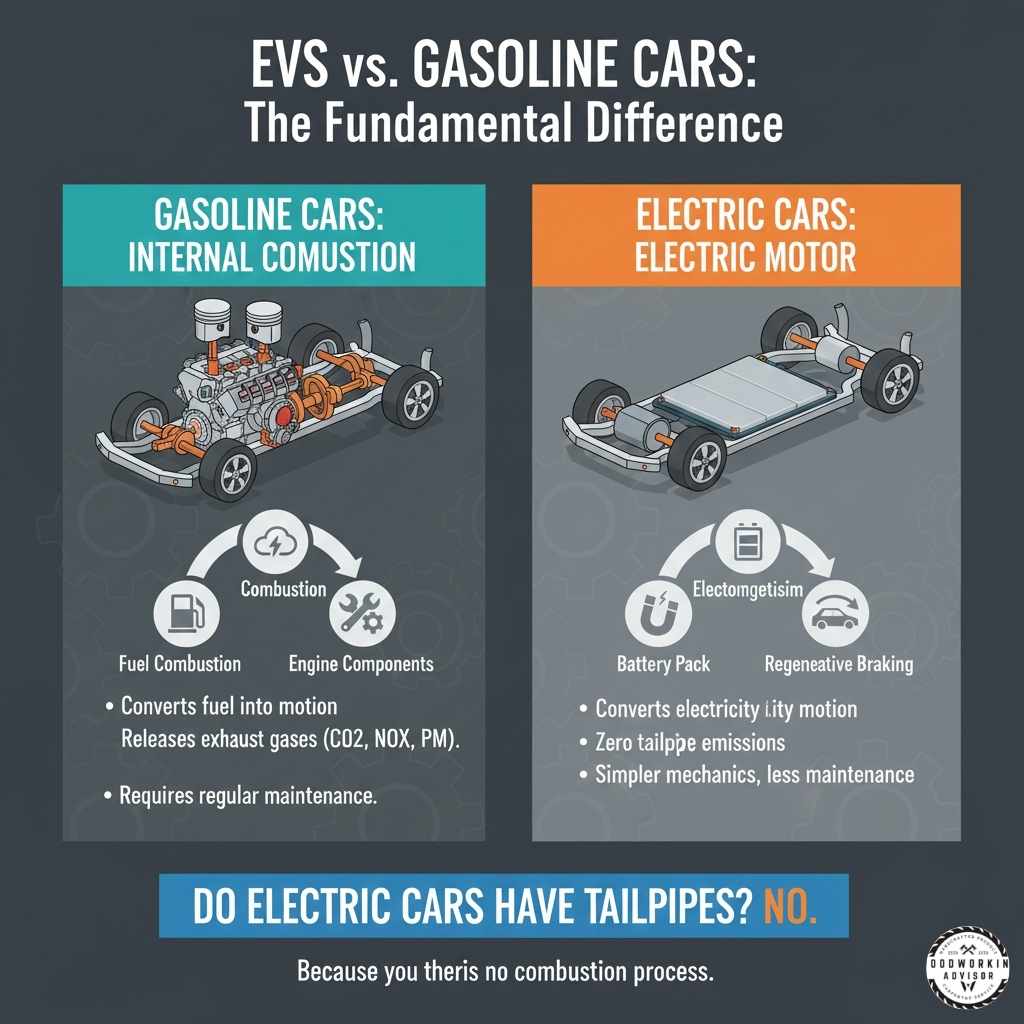
Before we answer the main question, let’s look at the basic differences between electric vehicles (EVs) and traditional gasoline cars. Gasoline cars have internal combustion engines (ICEs). These engines burn fuel, creating power to move the car. This process results in exhaust fumes that exit through a tailpipe. EVs, on the other hand, use electric motors powered by batteries. These batteries store electricity that is then used to turn the wheels. Because there’s no combustion, the process of generating power is entirely different. This is the foundation upon which the answer to our central question rests.
Internal Combustion Engines Explained
The internal combustion engine (ICE) is the heart of a gasoline car. It’s a complex system that converts fuel into motion. This process begins when fuel mixes with air in a chamber. A spark plug ignites this mixture, causing a small explosion. This explosion pushes a piston, which turns the crankshaft, and the crankshaft then rotates the wheels. Because of the explosion, the ICE produces waste. These byproducts include carbon dioxide, carbon monoxide, and various other pollutants, which are released through the tailpipe. A catalytic converter helps to reduce the amount of harmful emissions released into the air. This process, while reliable, contributes significantly to air pollution.
- Fuel Combustion: The burning of fuel within the engine is the core process that creates the power to drive the car. This is why gasoline cars need regular refueling.
- Emissions Production: The combustion process generates exhaust gases, which, as mentioned earlier, are released through the tailpipe. These gases contribute to smog and other environmental issues.
- Engine Components: ICEs have many moving parts, including pistons, valves, spark plugs, and a crankshaft. These parts require regular maintenance.
Electric Motors Explained
Electric motors are simpler than internal combustion engines. They work using electromagnetism. When electricity flows through a wire coil, it creates a magnetic field. This magnetic field interacts with permanent magnets, causing the motor to spin. This spinning motion is used to turn the wheels of the car. EVs get their electricity from a large battery pack. This battery pack can be recharged by plugging the car into an external power source. EVs produce zero tailpipe emissions during operation, which makes them a potentially cleaner option for drivers. This is why many people are eager to find the answer to the question about tailpipes.
- Electromagnetism: The basic principle of an electric motor. Electric current interacts with magnets to create rotation.
- Battery Pack: The source of power for the electric motor. The size of the battery pack determines how far the car can travel on a single charge.
- Regenerative Braking: A key feature of EVs. When you brake, the motor can act as a generator, recapturing energy and sending it back to the battery.
Answering the Question: Do Electric Cars Have Tailpipes?
The simple answer to the question Do Electric Cars Have Tailpipes? is no. Electric vehicles do not have tailpipes. Since EVs do not have internal combustion engines, they do not burn fuel. This means that there are no exhaust gases to release. EVs are designed to have zero tailpipe emissions. The absence of a tailpipe is a visual cue that a car is powered by electricity. It’s one of the key differences that makes EVs so different from gas-powered cars.
Why Tailpipes Matter
Tailpipes might seem like a small detail, but they represent a big difference in how cars impact the environment. The gases emitted from tailpipes contribute to air pollution. This pollution can lead to respiratory problems and other health issues. Gasoline cars are responsible for a large portion of greenhouse gas emissions, which contribute to climate change. Tailpipes also represent the use of fossil fuels. EVs, by removing tailpipes, eliminate these problems directly. The move towards EVs is a big step in reducing pollution and fighting climate change. The impact of their absence is considerable.
- Environmental Impact: Tailpipes are a significant source of air pollution and greenhouse gas emissions.
- Health Concerns: Air pollution from tailpipes can cause respiratory problems and other health issues.
- Fossil Fuel Reliance: Gasoline cars rely on fossil fuels. EVs help reduce this dependence.
Visual Differences and Other Indicators
There are several easy ways to tell an EV apart from a gasoline car. You won’t see a tailpipe on an EV. Many EVs also have a charging port, where you would plug in to recharge the car. EVs often have a more modern and streamlined design, as there’s no need for the traditional engine components. The sound of an EV is much quieter than a gasoline car. You’ll likely hear a slight hum from the electric motor, instead of the roar of an engine. These visual and auditory differences make it simple to distinguish an EV.
- Absence of Tailpipe: The most obvious visual cue is the lack of a tailpipe.
- Charging Port: Electric vehicles have a charging port, usually located on the side or front of the car.
- Quiet Operation: EVs are much quieter than gasoline cars, producing minimal noise from the electric motor.
The Future of Electric Vehicles and Tailpipes
The shift to EVs is already underway. Many car companies are producing electric models. As technology improves, EVs are becoming more affordable and accessible to more people. This transition is important for reducing emissions and creating a more sustainable future. The fact that EVs have no tailpipes is a key feature in the shift. The reduced reliance on fossil fuels also has many benefits. The trend is moving towards more electric vehicles, meaning fewer cars with tailpipes.
Charging Infrastructure and Availability
One challenge for EVs is the development of a strong charging infrastructure. You’ll need access to charging stations, which are becoming increasingly common. The speed of charging varies depending on the type of charger. Public charging stations are becoming more widespread. The cost of charging can be competitive with the cost of gasoline. With advancements in battery technology, EVs can travel further on a single charge. The continued build-out of charging stations will boost the adoption of EVs. The infrastructure is improving to support the growth of EVs.
- Public Charging Stations: These stations are becoming more common in public places, like shopping centers.
- Home Charging: Many EV owners install a charging station at home.
- Charging Speed: The speed of charging varies depending on the type of charger, with faster chargers available.
Environmental Advantages
EVs have many environmental benefits compared to gasoline cars. They produce zero tailpipe emissions, which means cleaner air in cities. EVs also contribute less to climate change. Electric cars are powered by electricity. When the electricity comes from renewable sources, like solar or wind, the environmental impact is even lower. By driving an EV, you’re helping to reduce pollution. They also help to conserve natural resources. The environmental benefits are considerable when considering the fact that EVs have no tailpipes.
- Reduced Emissions: EVs produce zero tailpipe emissions, helping to improve air quality.
- Lower Greenhouse Gas Emissions: EVs contribute less to climate change compared to gasoline cars.
- Renewable Energy Integration: When powered by renewable energy, EVs have an even lower environmental impact.
Addressing Common Concerns about EVs
As with any new technology, there are some concerns about EVs. Some people worry about the range, or how far an EV can travel on a single charge. Battery life is another concern. EVs have a range of around 200-300 miles or more, which is enough for many drivers. Battery technology is improving, and batteries are lasting longer. The price of EVs can also be a factor, though costs are decreasing. EVs are an investment that can have great returns. Addressing these concerns will help people make an informed decision.
Range Anxiety
Range anxiety is a common worry for people considering an EV. It refers to the fear of running out of charge. Modern EVs offer a range that is suitable for most daily driving. The range of an EV depends on the battery size. Public charging stations and fast chargers can help to alleviate range anxiety. Planning your trips and knowing where the charging stations are can also help to ease this concern. The range of EVs is improving all the time.
- Understanding Range: Knowing the range of your EV and planning accordingly can reduce anxiety.
- Charging Network: A robust charging network helps ensure drivers can recharge easily on the go.
- Real-World Driving: Driving habits, like speed and acceleration, affect the range.
Battery Life and Cost
The lifespan of an EV battery is a key consideration. The batteries in electric vehicles are built to last. Most EV batteries come with a long warranty. The cost of replacing an EV battery can be expensive. As technology improves, the price is falling. The long-term cost of owning an EV can be less than the cost of owning a gasoline car, because EVs have less maintenance. EVs are quickly improving.
- Battery Warranty: Most EV batteries come with a long warranty, which gives you peace of mind.
- Battery Technology: Advancements in battery technology are increasing their lifespan and reducing their cost.
- Overall Cost: While the initial price of an EV can be higher, the lower running costs can make them a smart choice.
Scenario: Comparing Costs
Let’s compare the cost of owning an EV vs. a gasoline car over five years. We’ll use averages for fuel, electricity, and maintenance. Please keep in mind that the exact numbers will vary. This helps to show the cost comparison and helps answer the question Do Electric Cars Have Tailpipes?.
| Cost | Gasoline Car | Electric Car |
|---|---|---|
| Fuel/Electricity | $7,500 | $4,000 |
| Maintenance | $3,000 | $1,500 |
| Total | $10,500 | $5,500 |
In this example, the electric car is significantly cheaper to own over five years. Remember, this is just an example, and the actual numbers may vary.
Frequently Asked Questions
Question: Do electric cars need oil changes?
Answer: No, electric cars do not need oil changes because they don’t have an internal combustion engine, which is where oil is used.
Question: How do electric cars work if they don’t have tailpipes?
Answer: Electric cars use a battery to power an electric motor. The motor turns the wheels, and because they don’t burn fuel, they don’t need tailpipes.
Question: Are electric cars good for the environment?
Answer: Yes, electric cars are better for the environment because they produce zero tailpipe emissions and can run on renewable energy sources.