How Salt Roads Damage Exhaust Systems Over Time
Salt roads speed exhaust rust by holding brine against cold steel. The first failures are usually clamps, hangers, and muffler seams, and a rust-through leak is a safety issue. If it is ignored, a clamp or pipe section can become a loud exhaust leak, a failed inspection, or carbon monoxide entering the cabin. This guide maps the corrosion timeline from first salt exposure to leak risk, and shows which parts fail first and which warning signs appear.
How salt and moisture corrode exhaust from the inside out

- Seals exhaust cracks and leaks with high-heat cure
- Non-slumping paste fits muffler and tailpipe joints
- Inexpensive way to pass inspections temporarily
Road salt is a de-icing chemical mixture, and it needs moisture and oxygen to keep attacking metal. It stays on the undercarriage and exhaust components after the road dries, so the exhaust system keeps getting wet with salty residue long after the drive ends. Road spray also throws salt upward from tires and from other vehicles, coating pipes, the muffler, the catalytic converter, and the tailpipe along the vehicle underside.
Freeze-thaw cycles speed the damage. Wet salt sits on metal, the metal cools, then it dries and heats, then it gets wet again. That repeated cycle breaks down coatings and pushes corrosion from the outside in. Thermal cycling adds stress too, because exhaust metal expands and contracts during heat-up and cool-down, which can open microcracks at welds and connections.
Condensation matters on the inside of the system. Combustion byproducts create moisture, and short trips can keep the exhaust from fully heating up enough to boil that moisture off. Condensation can pool inside mufflers and pipes, so internal rust can advance even when the outside still looks only lightly stained.
What exhaust parts rust first from salt exposure?
The first parts to show damage are often the ones with seams, welds, and exposed hardware. Clamps, hangers, muffler seams, and tailpipe connections tend to corrode before larger sections do, because those spots trap moisture and salt while also taking vibration and heat stress. After that, the pipes, muffler shell, and then sections near the catalytic converter often follow.
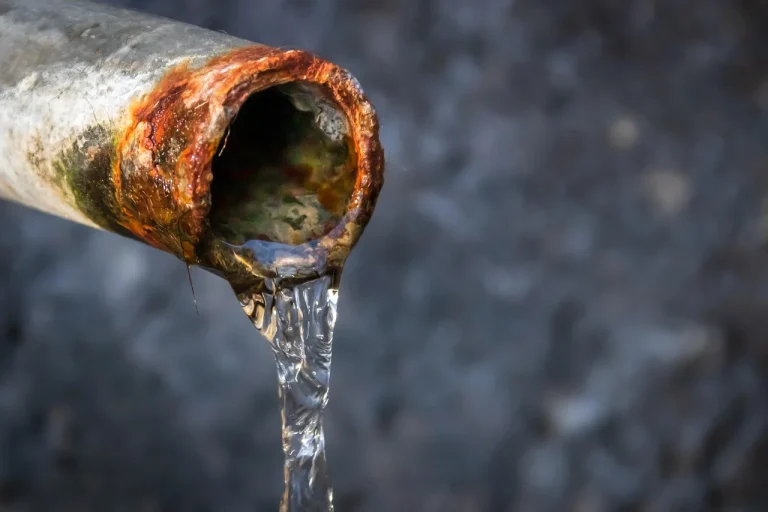
Surface rust often starts at seams and welds, where the protective layer is often thinner or already stressed. Once that outer layer fails, the rust can move from the outside inward. A bracket may look ugly long before it loses strength, but a seam with scaling or flaking metal is no longer just cosmetic.
Picture a 2-inch exhaust clamp with orange-brown dust around the bolt head and a muffler seam that looks blistered. That is not the same as a smooth pipe with light discoloration. The first case points to hardware failure and an eventual leak path; the second may still be surface corrosion that can be cleaned and watched.
Salt corrosion timeline table
Use this timeline to separate cosmetic rust from structural risk. The stage matters more than the color alone.
| Stage | Visible signs | Likely affected parts | Driving patterns that speed it up | Recommended action |
|---|---|---|---|---|
| First exposure | Flat film of salt residue, dull patches, light discoloration after storms or slush | Undercarriage edges, pipe sections nearest the wheels, tailpipe tip | Driving behind plows, frequent road spray, parking with packed slush underneath | Rinse the undercarriage, then inspect after thaw conditions |
| Surface corrosion | Orange rust at seams and welds, rough texture, scaling, flaking paint or coating | Muffler seams, welds, hangers, clamps, exposed pipe sections | Short trips, repeated freeze-thaw cycles, long winter commutes on treated roads | Clean salt off, document the worst spots, and plan a repair if metal is thinning |
| Seam or weld failure | Pinholes, soot streaks, louder exhaust note, exhaust odor near the car | Muffler shell, pipe joints, tailpipe connections, hanger points | Daily exposure to road spray, frequent thermal cycling, neglected undercarriage washing | Repair or replace the damaged section soon; leaks can spread corrosion fast |
| Leak or replace threshold | Visible holes, broken mounts, collapsing metal, repeated exhaust odor or noise | Worn sections of pipe, muffler, clamps, and adjoining metal near the failure | Years of salt exposure, short-trip use, and continued winter driving without washing | Replace the failed section or the full system if multiple parts are thin |
That timeline explains why Michigan winters can cut exhaust lifespan from 8 years to 4 years. Road salt is often described as the exhaust system’s biggest enemy, but it is the combination of salt, moisture, road spray, and temperature swings that turns a small rust patch into a leak path.
Does short-trip driving make exhaust rust worse in winter?
Yes. Short-trip driving can make winter exhaust corrosion worse because the system may not fully heat up, so condensation stays inside the muffler and pipes. External salt still dries and re-wets on the outside, while the inside keeps collecting moisture from combustion byproducts. That is how internal rot can start even when the outside is only moderately rusted.
Thermal cycling also matters here. A cold start heats the exhaust quickly, then it cools again before the moisture is driven off. Repeated expansion and contraction can loosen connections and create microcracks, especially around welds and joints that already carry salt film or road spray residue.
Suppose a 10-minute grocery run happens twice a day on treated roads. The exhaust warms enough to evaporate some moisture, but not enough to dry the full system. Over time, that pattern usually pushes rust faster at the muffler and seam areas than a longer drive that fully heats the pipes.
When does exhaust rust become a safety problem?
Rust becomes a safety problem when it stops being surface damage and starts creating holes, separated seams, or loose mounts. Light surface rust on a thick pipe can be cosmetic for a while, but pinholes, soot streaks, exhaust odor, or a louder-than-normal note mean exhaust gas may be escaping. That is the point to act, not wait.
Check the difference between staining and structural loss. Orange discoloration on the outside often means coating failure, while black soot around a seam usually points to a leak. If the muffler shell is thin enough to flex, or a hanger is no longer holding the pipe in its original position, the system is moving out of the cosmetic stage.
A common first-timer mistake is to ignore a slightly louder idle because the car still drives normally. Exhaust leaks often begin quietly at a seam or tailpipe connection, then get worse as road spray and vibration enlarge the opening. Carbon monoxide risk is the reason not to treat that as a style issue.
How often should you wash salt off the undercarriage?
Wash road salt off the undercarriage every two weeks during active winter, and do it sooner after heavy slush or storm driving. The most useful time is during thaws above freezing, because the salt solution is easier to rinse away and less likely to refreeze on the underside. Washing matters most before the next cold snap locks residue back in place.
The goal is to remove salt from the undercarriage, exhaust pipes, muffler, and hardware before the brine sits there long enough to keep working. That does not stop all rust, but it cuts the amount of salt in contact with the metal. It is especially useful on the welds, seams, hangers, and tailpipe connections that corrode first.
Rinse the underside thoroughly. Use an undercarriage wash or a wand that reaches the exhaust, crossmembers, and wheel-side spray paths. Aim for the seams, hangers, and lower pipe sections where road spray collects first.
Time the wash for thaw. Wash during a thaw above freezing when possible, because salt is easier to flush away before it dries into crusted residue. This timing is the most critical in winter.
Inspect after drying. Look for fresh orange spots, flaking at welds, soot marks, or wet streaks that keep appearing in the same place. Repeated wet marks often point to an active leak or a trapped salt pocket.
Prevention, repair, or replacement?
Choose prevention when rust is still mostly surface-level, repair when damage is isolated to one section, and replacement when multiple parts have thinned or perforated. The clean line is simple: cosmetic rust can be watched, but structural loss, leaks, or broken mounts call for action. That is where costs start to climb.
Prevention is the cheapest path. An undercarriage wash costs little compared with a patch, a muffler section, or a full system. A minor repair usually makes sense when the rust is limited to one clamp, hanger, or seam and the surrounding metal is still solid. Full replacement makes more sense when the muffler shell, pipe, and nearby joints all show thinning or holes.
Cost-wise, a wash and inspection is the low end, a patch or partial repair sits in the middle, and full replacement is the most expensive option. The right choice depends on how many parts have failed and whether the leak is local or spread across several corrosion points. If the pipe, muffler, and welds all show age, patching one spot often buys only a short delay.
Frequently asked questions
How does road salt damage an exhaust system over time?
Road salt sticks to the undercarriage, mixes with moisture and oxygen, and keeps rusting metal between drives. Road spray throws it onto pipes, mufflers, and joints, while freeze-thaw cycles and thermal cycling open weak spots. Over time, that moves damage from surface rust to seams, pinholes, and leaks.
How long can road salt shorten exhaust life?
Michigan winters can cut exhaust lifespan from 8 years to 4 years. That is not a fixed result for every vehicle, but it shows how sharply salt exposure can shorten service life in heavy winter driving. Short trips, poor washing habits, and repeated spray can push wear faster.
How often should I wash road salt off the undercarriage?
Every two weeks in active winter is a practical interval, with extra washes after heavy storms or slushy commutes. Mid-winter thaws above freezing are the best time because salt rinses off more completely. Washing cannot stop all corrosion, but it can slow the rate at which salt keeps attacking the exhaust.