Could Write An Exhaust Pipe Gag That Could Really: Genius Tips
Can you write an exhaust pipe gag that could really work? Yes, absolutely! This guide provides genius tips and easy steps for beginners to silence unwanted exhaust noise effectively and safely. Learn how to address common exhaust issues and enhance your driving experience.
Tired of that annoying rattle or loud roar from your car’s exhaust? You’re not alone! A noisy exhaust can ruin a peaceful drive and is often a sign something needs attention. Many car owners feel overwhelmed by exhaust system repairs, thinking it’s too complicated. But it doesn’t have to be! With a few smart tips and clear steps, you can tackle common exhaust problems and enjoy a quieter, smoother ride. This guide will show you how to understand your exhaust system and solve those pesky noise issues, making your car feel like new again. Let’s dive into making your exhaust system sing a much quieter tune!
Understanding Your Exhaust System: The Basics
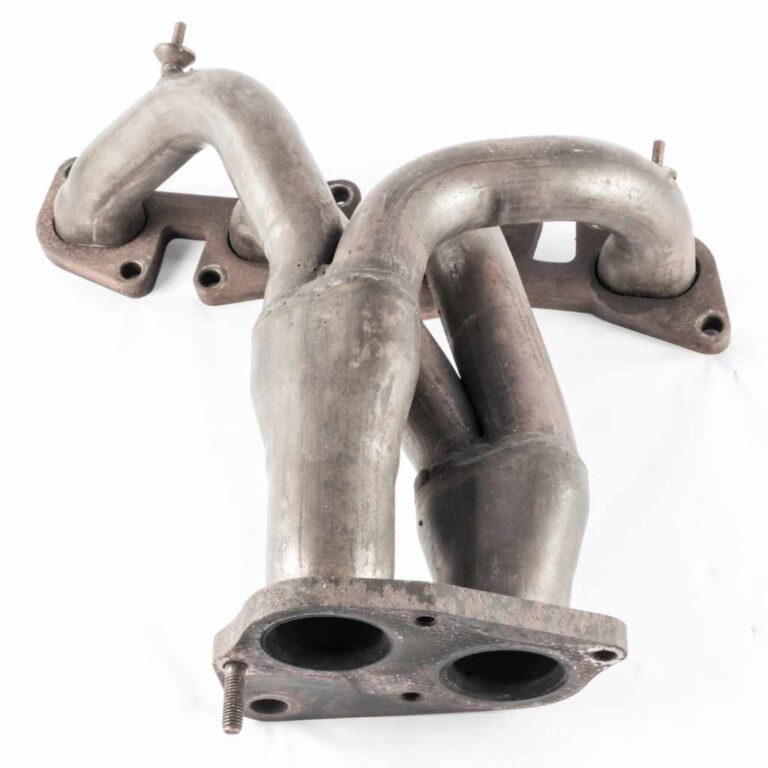
Your car’s exhaust system is a vital network of pipes, mufflers, catalytic converters, and resonators. Its main job is to safely channel harmful gases away from the engine and out of your car. It also plays a big role in how quiet your car sounds. When something goes wrong, you often hear it loud and clear!
Think of it like your car’s breathing system. If it’s blocked or leaking, your car won’t run as well, and it will definitely make more noise. Common issues that cause gags or unwanted sounds include:
Holes or cracks: Small leaks can become big problems, letting out noise and exhaust fumes.
Loose parts: Mufflers, pipes, or hangers can become loose and vibrate against the car’s body, creating rattling sounds.
Damaged muffler or resonator: These parts are designed to quiet down the exhaust. If they’re rusted or broken inside, they can’t do their job.
Catalytic converter issues: While less common for simple noise, a failing catalytic converter can sometimes affect exhaust flow and sound.
Why Does My Exhaust Sound Like a “Gag”? Decoding the Noises
The word “gag” in relation to an exhaust pipe usually means a sudden, unpleasant noise or obstruction. It’s not a technical term, but it perfectly captures the feeling of something being wrong and making a racket. Here’s what those “gagging” sounds might mean:
Rattling: This is often the most common “gag.” It usually means a loose heat shield, a broken hanger, or a piece of the exhaust system vibrating against the car’s undercarriage.
Banging or Clunking: This could indicate a more serious issue, like a part of the exhaust system falling and hitting the ground. It’s crucial to address this immediately for safety.
Loud Roaring or Hissing: This typically points to a hole or crack in the exhaust pipe, muffler, or manifold. The sound escapes before it gets silenced.
Popping or Backfiring: Sometimes, this can be related to rich fuel mixtures or ignition timing issues, but a leaking exhaust can sometimes exacerbate these sounds.
Genius Tips for Quieting Your Exhaust System
Let’s get to the smart tips that can help you solve these noisy exhaust problems. These are beginner-friendly and focus on practical solutions.
Tip 1: The Visual Inspection – Your First Line of Defense
Before you even pick up a tool, a good old-fashioned look is essential.
Safety First: Always make sure your car is parked on a level surface. Let the exhaust system cool down completely if the car has been running. Never work under a car that isn’t properly supported by jack stands.
Get Under There (Safely!): Use a flashlight to inspect the entire exhaust system, from the engine manifold back to the tailpipe.
What to Look For:
Rust and Holes: Pay close attention to seams, bends, and the muffler itself. Small spots of rust can often mean a hole is forming.
Loose Parts: Gently try to wiggle the exhaust pipes. If they move more than a little, a hanger might be broken or loose.
Hanging Components: Check that the exhaust pipes and muffler are securely attached and not dragging on the ground or hitting other parts.
Soot Marks: Black, sooty marks around a joint or a pipe can indicate a leak.
Tip 2: Addressing Rattles – The Easy Fixes
Many “gagging” sounds are simple rattles. These are often the easiest to fix.
Tighten Exhaust Hangers: These rubber or metal components hold the exhaust system in place. If a bolt or clamp is loose, the whole system can vibrate.
Tools Needed: Basic socket set or wrench, possibly pliers.
How-To: Locate the rubber hangers. Check the metal brackets that attach them to the car body and the exhaust pipe. Tighten any loose bolts or clamps.
Secure Heat Shields: These metal plates protect the underbody from exhaust heat. They can become loose and vibrate.
Tools Needed: Socket set, possibly new clamps or bolts.
How-To: Gently tap the heat shield. If it rattles, try to identify where it’s loose. Sometimes, a washer or clamp needs tightening. If a clamp is broken, you might need to replace it. You can often find universal exhaust repair clamps at auto parts stores.
External Resource: For more on heat shields, this Automotive Engineering page from the University of Cincinnati touches on various exhaust components and their functions.
Tip 3: Sealing Small Holes and Cracks – The DIY Approach
For minor leaks, exhaust repair paste or tape can be a temporary or even semi-permanent solution.
Exhaust Repair Paste: Think of it like a strong, heat-resistant putty.
Tools Needed: Wire brush, gloves, exhaust repair paste, application tool (often included).
How-To:
1. Clean the Area: Thoroughly clean the damaged area with a wire brush to remove rust, dirt, and loose material.
2. Apply Paste: Follow the product instructions carefully. Usually, you pack the paste firmly into the hole or crack.
3. Cure: Let the paste cure as recommended. Some require the system to be run briefly to apply heat, while others air dry.
Exhaust Repair Tape/Bandages: These are fabric wraps impregnated with a heat-resistant sealant.
Tools Needed: Wire brush, gloves, exhaust repair tape, water.
How-To:
1. Clean: Clean the area as you would for paste.
2. Wrap: Wet the tape according to package directions. Wrap it tightly around the damaged section, overlapping generously.
3. Cure: Similar to paste, curing often involves running the engine.
Important Note: These DIY fixes are best for small holes or cracks on straight sections of pipe. They are not ideal for major structural damage or at bends where stress is higher. Always check the product’s suitability for your specific repair.
When to Call the Professionals
While many exhaust issues are simple fixes, some require expert attention. Don’t hesitate to seek professional help if:
The damage is extensive (large holes, severely rusted pipes, broken muffler casing).
You’re dealing with exhaust manifold leaks or catalytic converter problems, as these are more complex and critical for emissions.
You’re uncomfortable performing the repairs yourself. Safety is paramount.
DIY repairs don’t solve the problem, and the noise persists.
Essential Tools for Exhaust System Maintenance
Having the right tools makes the job much easier and safer. For beginner-level exhaust work, you’ll likely need:
Safety Gear: Gloves and eye protection are a must.
Jack and Jack Stands: Crucial for safely lifting and supporting your vehicle. Never rely solely on a jack.
Basic Socket Set/Wrench Set: For tightening bolts and clamps.
Wire Brush: For cleaning rust and debris from pipes before applying sealants.
Flashlight: To see clearly under the car.
Pliers: For handling clamps and small parts.
Exhaust Repair Paste or Tape: For sealing small leaks.
Here’s a quick look at common exhaust components and their noise-reducing roles:
| Component | Function | Common Noise Issues |
|---|---|---|
| Exhaust Manifold | Collects exhaust gases from engine cylinders | Hissing or ticking sounds from leaks at the engine |
| Catalytic Converter | Converts harmful emissions into less harmful gases | Rattling if internal components break apart; can affect flow |
| Resonator | Further reduces exhaust noise by canceling out sound waves | Can rattle if internal baffles break; less common than muffler |
| Muffler | The primary device for quieting exhaust noise through baffling and insulation | Hissing, rattling, or loud, un-muffled exhaust sounds if rusted or damaged |
| Pipes | Connect all components and direct exhaust gases | Hissing from rust holes or cracks; rattling if loose |
| Hangers | Rubber or metal mounts that support the exhaust system | Rattling and clunking if broken or loose |
Step-by-Step Guide: Fixing a Loose Exhaust Hanger
One of the most common “gag” sounds is a rattle from a loose hanger. Here’s how to fix it.
Before You Start: Ensure the exhaust is completely cool. Park on a level surface and engage the parking brake.
Step 1: Locate the Loose Hanger
Carefully get under the car and locate the source of the rattle. It might be easier to have a helper gently push or shake the exhaust system while you listen from underneath.
Identify the rubber hangar that appears loose, broken, or detached from its mounting point on the car body or the exhaust pipe.
Step 2: Inspect the Hanger and Mounting Points
Check the rubber part of the hanger. Is it torn or stretched?
Look at the metal hook or eyelet on the exhaust pipe that the rubber hangar attaches to. Is it bent or broken?
Check the mounting bracket on the car’s frame where the other end of the rubber hangar attaches. Is the bolt or nut loose?
Step 3: Tighten or Re-hang
If the bolt/nut is loose: Use an appropriate-sized socket or wrench to tighten it firmly. Don’t overtighten, as you could strip the threads.
If the rubber hanger is detached: Simply slip the rubber hangar back onto its hook.
If the rubber hanger is torn or stretched: You will likely need to replace it. You can usually buy universal exhaust hangers at an auto parts store. They come in various sizes. You’ll need to carefully detach the old one (sometimes with a special tool or strong pliers) and fit the new one.
Step 4: Test the Repair
Once the hanger is secured or replaced, gently push and pull on the exhaust system again to ensure it feels stable.
Start the car and listen for the rattle. Drive around the block slowly to confirm the noise is gone.
Step-by-Step Guide: Applying Exhaust Repair Paste for a Small Hole
This is a great DIY solution for a small pinhole or crack.
Before You Start: Ensure the exhaust is completely cool. Park on a level surface and engage the parking brake.
Step 1: Access the Damaged Area
Safely lift the vehicle using a jack and secure it with jack stands if the hole is in a hard-to-reach spot.
Locate the hole or crack.
Step 2: Prepare the Surface
Put on your gloves and eye protection.
Use a wire brush to thoroughly clean the area around the hole. Remove all loose rust, dirt, and flaky material. The surface needs to be clean for the paste to adhere properly.
Wipe the area clean with a dry cloth.
Step 3: Apply the Exhaust Repair Paste
Read the instructions on your specific exhaust repair paste. Some require mixing, while others are ready to use.
Using the applicator tool or your gloved fingers, firmly pack the paste into and around the hole or crack. Make sure it fills the damaged area completely.
Smooth the paste to create a flush surface.
Step 4: Cure the Paste
This is a critical step. Follow the manufacturer’s instructions precisely.
Air Dry: Some pastes harden on their own over time.
Heat Cure: Many exhaust repair products require heat to cure properly. This usually involves running the engine for a specific amount of time (e.g., 10-20 minutes) to heat the exhaust system. Make sure you are in a well-ventilated area if you do this.
Allow the paste to cure fully before driving the vehicle aggressively.
Step 5: Test the Repair
Once the paste has cured, start the engine and listen for any leaks or unusual sounds from the repaired area.
If the noise is gone, the repair is successful!
Best Practices for Exhaust System Longevity
Preventing problems is always better than fixing them. Here are some tips to keep your exhaust system healthy:
Regular Inspections: Make it a habit to visually check your exhaust system during oil changes or tire rotations. Look for rust, damage, or loose parts.
Avoid Driving Through Deep Water: Submerging your exhaust system in water can accelerate rust and damage.
Address Small Issues Promptly: Don’t ignore minor rattles or small spots of rust. They can lead to bigger, more expensive problems down the line.
Consider Rust Protection: If you live in an area with heavy road salt use in winter, consider treating your exhaust system with a rust-inhibiting spray designed for undercarriages.
Drive Regularly: Short trips where the exhaust system doesn’t get fully heated can lead to condensation buildup, which promotes rust. Longer drives help to dry out the system.
Frequently Asked Questions About Exhaust Pipe Gags
Q1: What does a “gag” sound from my exhaust pipe mean?
A1: A “gag” sound is an informal term for an unpleasant, unexpected noise coming from your exhaust system. It usually indicates a problem like a leak, a loose component, or damage to the muffler or pipes.
Q2: Is it safe to drive with a noisy exhaust?
A2: It depends on the noise. Minor rattles might be okay for a short time, but loud hissing or banging sounds, or any indication of a significant leak, should be addressed immediately. Exhaust fumes can be dangerous, and a failing exhaust system can affect your car’s performance and safety.
Q3: How much does it cost to fix a noisy exhaust?
A3: The cost varies greatly. A simple fix like tightening a hanger or applying exhaust paste might cost very little (DIY costs are low). Replacing a muffler can range from $100-$500, and catalytic converter replacement can be significantly more expensive, often $500-$2,000 or more.
Q4: Can I just weld my exhaust pipe if it has a hole?
A4: Yes, welding can be a very effective and permanent solution for many exhaust pipe holes and cracks, especially on stainless steel or thicker pipes. However, it requires welding equipment and expertise. For beginners uncomfortable with welding, repair pastes and tapes are easier alternatives for smaller damages.
Q5: How do I know if my muffler is bad?
A5: Signs of a bad muffler include a very loud exhaust sound (like a truck’s), rattling from inside the muffler, or a significant loss of power. You might also see rust holes or feel exhaust leaks around the muffler.
Q6: Can exhaust leaks affect my car’s fuel economy?
A6: Yes, exhaust leaks, especially those before the oxygen sensor(s) in the exhaust stream, can affect the air-fuel mixture your car’s computer is trying to maintain. This can lead to reduced fuel efficiency and increased emissions.
Conclusion: Enjoying a Quieter Ride
Dealing with your car’s exhaust system doesn’t have to be intimidating. By understanding the basics, knowing what to look and listen for, and using some clever DIY tips, you can effectively “gag” those annoying exhaust noises. Remember, a clean visual inspection is your best first step, and simple fixes like tightening hangers or patching small holes can make a world of difference.
For minor rattles, a bit of tightening or a good DIY repair can restore quiet and smooth operation. If you encounter more significant damage or feel unsure about a repair, don’t hesitate to consult a trusted mechanic. Keeping your exhaust system in good shape not only makes your driving experience more enjoyable but also ensures your car runs safer and more efficiently. So, take these tips, tackle those noises, and enjoy the peace and quiet you deserve on the road!