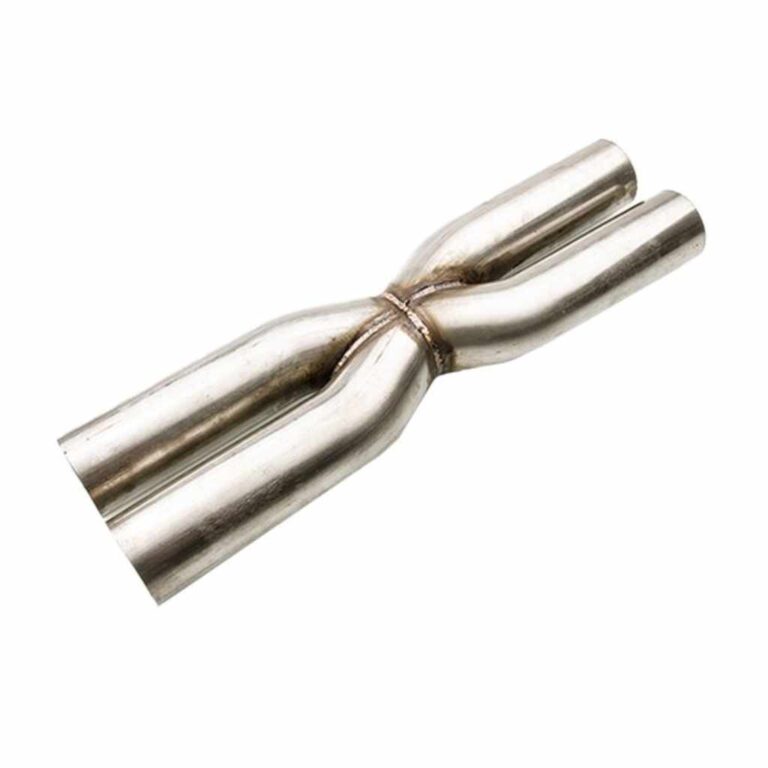
Are Flex Pipes Water Proof: Essential Guide
Flex pipes are designed to withstand exposure to water and moisture, but they are NOT completely waterproof in a submersible sense. While resistant to rain, splashes, and normal road conditions that involve water, prolonged submersion or high-pressure water jets can lead to damage and corrosion over time.

Flex Seal
Flex Seal Power Putty, Moldable Waterproof Rubberized…
- Instantly seals gaps, cracks, and holes
- Forms a strong, airtight, waterproof barrier on contact
- 100% waterproof — works on wet, damp, and underwater surfaces
As an Amazon Associate I earn from qualifying purchases.
Ever wonder if that flexible section of your car’s exhaust can handle a little rain? It’s a question many car owners have, especially when facing wet weather or washing their cars. Your exhaust system works hard, and parts like flex pipes are crucial for keeping things running smoothly while handling vibrations. So, can these pipes get wet without a fuss? Absolutely! But there’s a bit more to it than a simple yes or no.
We’ll dive deep into what makes flex pipes water-resistant, what they can and can’t handle, and what you can do to keep yours in top shape. Let’s uncover the secrets behind your exhaust’s flexible friend and ensure your car stays reliable, no matter the weather.
Understanding Your Car’s Flex Pipe
Your car’s exhaust system is a vital network designed to safely channel harmful fumes away from your vehicle’s cabin and the environment. Within this system, the flex pipe plays a unique and important role. It’s like a flexible joint that connects the exhaust manifold (where gases first exit the engine) to the rest of the exhaust system, including the catalytic converter and muffler.
Its primary job is to absorb the engine’s vibrations and movements. When your engine runs, it doesn’t stay perfectly still; it vibrates and shifts slightly. Without a flexible component, these constant motions would put immense stress on the rest of the exhaust system, potentially causing cracks, leaks, and premature failure of more rigid pipes. The flex pipe acts as a flexible buffer, preventing these stresses from traveling further down the line.
Flex pipes are typically constructed from stainless steel, often in a braided or bellows-like design. This construction allows them to bend and flex significantly without breaking. They are engineered to handle high temperatures and the corrosive nature of exhaust gases, but their interaction with water is a common point of curiosity for car owners.

Are Flex Pipes Water Proof? The Simple Answer
To put it simply: Flex pipes are generally water-resistant, not truly waterproof.
When we talk about “waterproof,” we often think of something that can be fully submerged in water indefinitely without any ill effects. Flex pipes aren’t designed for that kind of extreme. However, they are absolutely built to handle the everyday encounters with water that a vehicle experiences. This includes:
- Rain and puddles
- Water spray from washing your car
- Humidity and condensation
The materials used, primarily stainless steel, offer good protection against rust and corrosion. The way they are installed also helps. They are part of an “open” system within the exhaust, meaning water doesn’t typically pool inside them during normal operation. Any water that does get in usually drains out or evaporates quickly due to the heat from the exhaust gases.
How Water Affects Flex Pipes
While resistant, water can still pose challenges to flex pipes over time, especially if certain conditions are met. The main concern isn’t typically immediate failure but rather gradual wear and tear caused by corrosion.
Corrosion and Rust
The most significant threat water poses to a flex pipe is corrosion. Even stainless steel, which is highly resistant to rust, is not entirely immune, especially in harsh environments. If water sits on the pipe for extended periods, or if the pipe is constantly exposed to salty road conditions (common in winter in many regions due to road salt), rust can begin to form.
Road salt is particularly aggressive. It breaks down the natural protective oxide layer on stainless steel, making it much more susceptible to corrosion. Once rust starts, it can weaken the metal, leading to pinholes or eventual failure.
Heat Cycles and Thermal Shock
Your exhaust system operates at very high temperatures. When a hot flex pipe suddenly encounters cold water, it can experience thermal shock. While the pipe is designed to handle temperature changes, rapid and repeated cooling by water can stress the material. This stress, over time, might accelerate the fatigue of the metal and potentially lead to cracks, especially in the welds or thinner sections of the flex material.
Debris and Blockages
Although less common, if a flex pipe were to become submerged in water containing significant debris (like in a deep flood), it’s possible for this debris to be washed into the pipe. While the exhaust system’s natural flow usually prevents this, extreme situations can lead to a temporary blockage. More importantly, stagnant water in submerged exhaust components can exacerbate corrosion.
Internal vs. External Exposure
It’s important to distinguish between external water exposure and internal water intrusion. The flex pipe is primarily exposed to water from the outside – rain, splashes, etc. Internal water issues are usually related to engine problems (like an exhaust leak into the cooling system creating steam) or condensation that doesn’t fully evaporate. For most vehicles, external water is the primary concern when discussing a flex pipe’s “water resistance.
Signs of Flex Pipe Damage Related to Water
Recognizing the early signs of damage can save you from further problems and costly repairs. While direct water damage might not always be obvious, here are some indicators:
- Visible Rust: Look for reddish-brown patches or streaks of rust on the outer surface of the flex pipe. This is the most direct sign of corrosion.
- Loud Exhaust Noises: A common symptom of a failing flex pipe is a loud, roaring, or hissing sound from the exhaust, especially when the engine is under load. This indicates a leak, which can be caused or worsened by corrosion.
- Exhaust Odors in Cabin: If your flex pipe has a leak, exhaust fumes can escape and be drawn into your car’s cabin, leading to the smell of exhaust.
- Reduced Engine Performance: A leak in the exhaust system, including the flex pipe, can disrupt the flow of gases, affecting the engine’s ability to operate efficiently. This might manifest as a loss of power or rough idling.
- Check Engine Light: Modern vehicles have oxygen sensors in the exhaust system to monitor emissions. A leak before or near these sensors can throw off their readings, triggering the check engine light.
If you suspect any of these issues, it’s best to have your exhaust system inspected by a professional. They can identify the exact cause and recommend the necessary repairs.
Materials and Construction: How They Handle Water
The way flex pipes are constructed plays a big role in their resilience to environmental factors, including moisture.
Stainless Steel is Key
Most high-quality flex pipes are made from stainless steel. This alloy contains chromium, which forms a passive, protective oxide layer on the surface. This layer is highly resistant to oxidation (rusting) and corrosion from many substances. Different grades of stainless steel offer varying levels of protection, with higher grades being more durable.
The outer braid (if present) and the inner bellows or mesh provide flexibility. These layers are also typically stainless steel. While a braided flex pipe offers superb flexibility and protection for small movements, a bellows-style flex pipe is often more robust and can handle greater flexing and vibration.
You can learn more about the properties of stainless steel and its resistance to corrosion from resources like the National Science Foundation, which often touches upon material science in various applications, including those exposed to the elements.
The Role of Inner Liners and Braiding
Some flex pipes come with an inner liner, often a solid tube or a perforated one, designed to improve exhaust flow and protect the outer mesh from direct contact with hot gases and soot. Others use a braided outer layer made of interwoven stainless steel wires. This braiding adds strength, flexibility, and an extra layer of protection against external elements, including moisture.
- Inner Bellows: These are corrugated tubes that allow for expansion, contraction, and bending. They are the core flexible element.
- Outer Braid (Optional): A woven layer of stainless steel wire that covers the bellows, providing extra durability and support.
- Inner Liner (Optional): A perforated or solid tube inside the bellows to smooth exhaust gas flow and protect the bellows.
The combination of these elements means that while water can reach the surface of the flex pipe, the stainless steel construction significantly slows down any corrosive processes. However, areas where the pipe is welded or where there are slight imperfections in the material can be more vulnerable.
DIY Maintenance and Care for Flex Pipes
While you can’t exactly waterproof your flex pipe, you can take steps to maintain it and prolong its life, especially in areas prone to moisture and salt.
Regular Inspection
Make it a habit to look at your exhaust system, including the flex pipe, whenever you have your car on a lift or can safely get underneath it. Look for any signs of rust, cracks, or loose connections. A visual inspection is your first line of defense.
Cleaning
When washing your car, it’s okay to spray water on the exhaust system. In fact, rinsing off road salt and grime can be beneficial. However, avoid using high-pressure washers directly on the flex pipe for extended periods. A gentle rinse is best. Ensure that water doesn’t pool around the exhaust components.
Undercoating and Protective Sprays
For cars driven in areas with heavy road salt use, applying an undercoating or a specialized rust-inhibiting spray to the exhaust system can offer an additional layer of protection. Ensure the product you choose is rated for high temperatures, as exhaust components get very hot. Follow the product’s instructions carefully and avoid spraying directly onto the flex pipe’s moving joints if possible, as it might impede flexibility.
Reputable automotive supply stores often carry these products. Some popular brands offer sprays designed for underbody protection that can extend to exhaust components. Always check the product specifications for high-heat tolerance.
Addressing Leaks Promptly
If you notice any signs of exhaust leaks or hear unusual noises related to your exhaust, get them checked immediately. A small leak can quickly become a larger problem, and addressing it early can prevent further damage, including corrosion exacerbated by road moisture entering the broken area.
When is a Flex Pipe Considered Failed?
A flex pipe is considered failed and in need of replacement when it can no longer perform its primary function of absorbing vibrations and containing exhaust gases. This typically happens due to:
- Cracks: The most common failure. Cracks can appear in the bellows, welds, or braided exterior.
- Complete Separation: The pipe breaks apart entirely.
- Severe Corrosion: Rust perforates the pipe, creating holes.
- Loss of Flexibility: Though rare, the flex pipe can become rigid and brittle due to extreme heat or damage, failing to absorb movement.
A failed flex pipe will almost always result in a loud exhaust noise, potential exhaust leaks into the cabin, and a check engine light.
Professional Replacement vs. DIY
Replacing a flex pipe can range from a simple job to a complex one, depending on your vehicle and your mechanical skills.
Professional Replacement
Pros:
- Experienced technicians have the right tools and knowledge.
- Faster and often more reliable if you’re unsure.
- Warranty on parts and labor.
Cons:
- More expensive than DIY.
DIY Replacement
Pros:
- Cost savings on labor.
- Satisfaction of doing it yourself.
Cons:
- Requires specialized tools (e.g., exhaust pipe expander, perhaps a welder if not using slip-fit replacements).
- Can be time-consuming and frustrating, especially if parts are seized or rusted.
- Risk of incorrect installation leading to further issues.
For beginners, it’s often recommended to have a professional handle flex pipe replacement. However, if you’re keen to learn, starting with a simpler exhaust component replacement might be a good stepping stone. Resources like YouTube tutorials can be incredibly helpful for visualization, but remember that real-world situations can be trickier than they appear on screen.
A Real-World Comparison: Flex Pipe vs. Solid Pipe Water Resistance
To better understand a flex pipe’s water resistance, let’s compare it to a standard, solid exhaust pipe. Both are typically made of steel, often aluminized or stainless steel for durability.
| Feature | Flex Pipe | Solid Exhaust Pipe |
|---|---|---|
| Primary Function | Absorb vibration and movement | Channel exhaust gases |
| Water Exposure | Resistant to rain, splashes, puddles. Not fully submersible. | Resistant to rain, splashes, puddles. Not fully submersible. |
| Corrosion Risk | Moderate. Stainless steel offers good protection, but welds and braided sections can be vulnerable. Road salt is a major factor. | Moderate. Similar vulnerability to corrosion, especially where rusted steel is used or when exposed to salt. |
| Failure Modes Related to Water | Corrosion leading to cracks/holes, thermal shock on rapid cooling. | Corrosion leading to rust-through and leaks. |
| Flexibility | High – designed to move | None – rigid |
As you can see, the fundamental water resistance is quite similar. The flex pipe’s complexity (braiding, bellows) might introduce slightly more areas where water can lodge or where corrosion could start if the material quality isn’t top-notch. However, its stainless steel construction generally means it holds up very well against typical water exposure. The critical difference is that a failure in a solid pipe is purely corrosion-based, while a flex pipe failure can also stem from fatigue due to its intended movement, which water might indirectly exacerbate through corrosion.

Frequently Asked Questions (FAQ)
Q1: Can I drive through deep puddles or floods with a flex pipe?
A1: While the flex pipe is water-resistant, you should avoid driving through deep puddles or floods. Submerging your exhaust system, including the flex pipe, for extended periods can force water into other engine components and cause significant corrosion or long-term damage to the exhaust system.
Q2: Does water damage a flex pipe immediately?
A2: No, water damage to a flex pipe is usually a gradual process. Immediate damage is unlikely from normal exposure like rain. However, prolonged exposure, especially in combination with road salt, can lead to corrosion that weakens the pipe over time.
Q3: How often should I inspect my flex pipe?
A3: It’s a good practice to inspect your flex pipe at least twice a year, or whenever you get your oil changed. Look for any signs of visible damage, rust, or leaks. If you drive in areas where road salt is used heavily, more frequent checks are advisable.
Q4: What is the best way to clean a flex pipe?
A4: The best way to clean a flex pipe is with a regular car wash. Use low-to-medium water pressure and avoid directing jets straight at the flex pipe for extended periods. Rinsing off dirt and salt can actually help prevent corrosion.
Q5: Can a leaking flex pipe cause bad fuel economy?
A5: Yes, a leaking flex pipe can affect fuel economy. Leaks can disrupt the air-fuel mixture sensors (like oxygen sensors) in your exhaust system, causing the engine control unit to make incorrect adjustments, leading to less efficient fuel combustion.
Q6: What are the common symptoms of a broken flex pipe?
A6: The most distinct symptom of a broken flex pipe is a very loud, roaring exhaust noise, especially when accelerating. You might also notice exhaust fumes entering the cabin, a loss of engine power, or the check engine light illuminating on your dashboard.
Q7: Is it better to repair or replace a damaged flex pipe?
A7: In most cases, it is not feasible or recommended to repair a damaged flex pipe. Due to their flexible nature and the harsh environment they operate in, repairs are often temporary. Replacement is the standard and most reliable solution.
Conclusion
So, are flex pipes waterproof? As we’ve explored, the answer isn’t a simple yes or no. They are robustly water-resistant, designed to handle the typical wet conditions a car encounters daily, from rain showers to car washes. Their stainless steel construction offers significant protection against corrosion. However, they are not designed for submersion, and prolonged exposure to moisture, especially in the presence of road salt, can eventually lead to deterioration.
Related pick: Check today's price on Amazon