Do Battery Heat Shields Actually Work? A Detailed Look
If you’re wondering, Do Battery Heat Shields Actually Work?, you’re not alone! It’s a common question, especially for those new to cars or wanting to improve their vehicle’s performance. The topic can seem a bit technical, but don’t worry. This post will break down everything you need to know about battery heat shields in a simple, step-by-step way. We’ll explore what they are, how they function, and if they’re worth the investment. Get ready to explore the details!

EcoBrisa
EcoBrisa 40"x7" Battery Insulation Kit, Universal Car…
- High Quality Materials: EcoBrisa Battery insulation kit made from high-quality fire-withstand and insulating materials, ensuring i…
- Universal Size: The package contains one 40x7 inch battery blanket roll and one 39-inch long aluminum foil tape. Designed for stan…
- Car Battery Preserve: EcoBrisa car battery insulation kit is specifically designed to protect your car battery during extreme cold…
As an Amazon Associate I earn from qualifying purchases.
What Are Battery Heat Shields and Why Use Them?
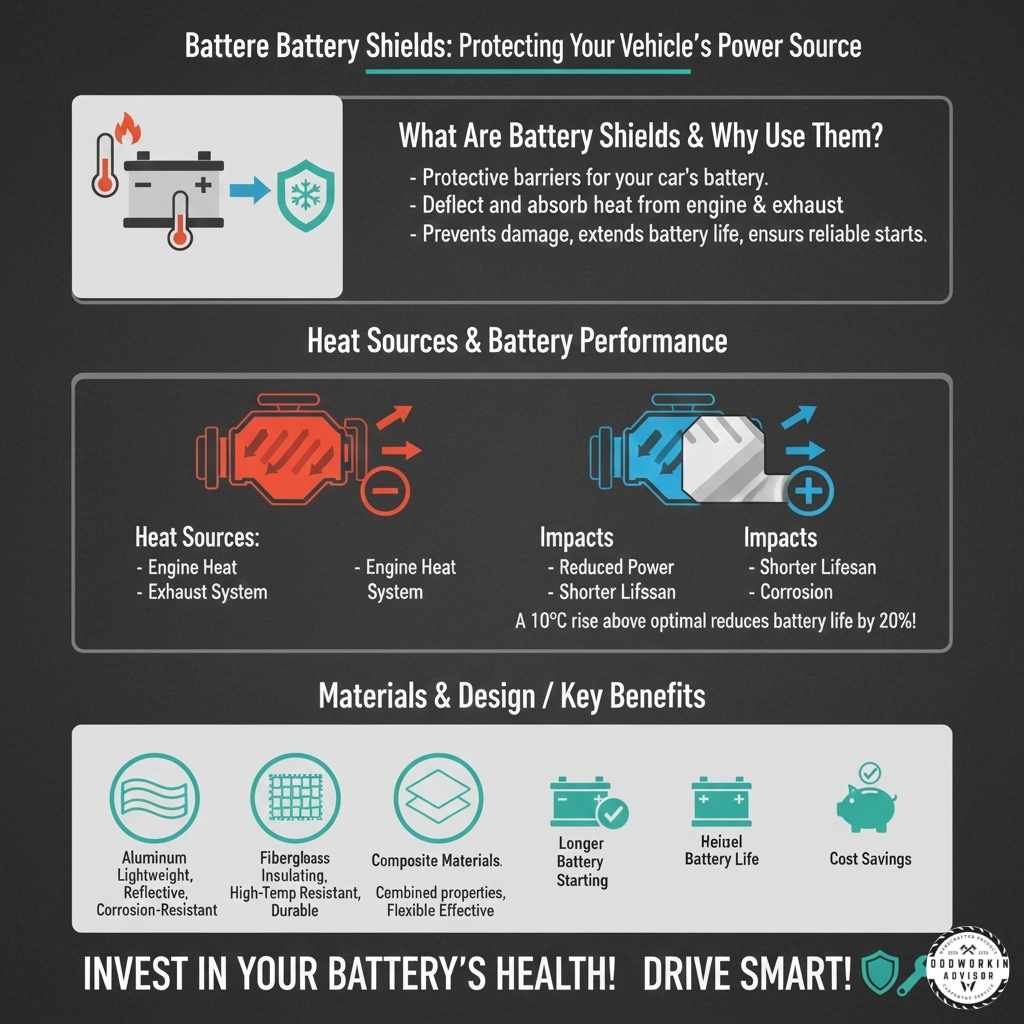
Battery heat shields are protective barriers installed around a car’s battery. These shields are typically made from materials that reflect or absorb heat. The primary purpose is to protect the battery from excessive temperatures. Batteries don’t like extreme heat or cold; both can significantly impact their performance and lifespan. Heat can come from various sources, including the engine, exhaust system, and even the sun’s rays if the battery is positioned in a vulnerable area.
Heat accelerates the chemical reactions inside a battery, causing it to degrade faster. This degradation can lead to several problems, such as reduced starting power, shortened battery life, and even complete battery failure. A heat shield helps regulate the battery’s temperature, keeping it within an optimal range. By maintaining a stable temperature, the heat shield helps the battery perform more efficiently and last longer. This can save money by extending the time between battery replacements and preventing inconvenient breakdowns.
Heat Sources and Battery Performance
The operational environment significantly impacts the battery’s lifespan. Several factors contribute to heat exposure, including the engine’s operation, the exhaust system’s proximity, and the external environment. Modern cars, with their complex engine designs, generate considerable heat. The engine bay can become a hot environment, especially during heavy use or in hot climates. Batteries positioned near exhaust manifolds or other heat-generating components are especially vulnerable.
Excessive heat leads to several issues that hinder battery efficiency. It accelerates corrosion within the battery and can cause the electrolyte to evaporate. This process reduces the battery’s ability to store and deliver electrical energy. The reduced capacity is often noticeable in slower engine starts and diminished electrical system performance. The rate of these problems increases with higher temperatures.
- Engine Heat: The engine is a primary heat source, radiating significant thermal energy.
- Exhaust Systems: Exhaust components near the battery contribute to heat exposure.
- External Temperatures: Hot climates significantly worsen battery overheating.
- Battery Location: Batteries in exposed locations suffer greatly.
The performance of a battery decreases by about 20% for every 10 degrees Celsius over the recommended operating temperature. This is why battery heat shields are important in maintaining optimal performance.
Materials Used in Battery Heat Shields
Battery heat shields are generally made from materials with excellent thermal resistance and reflective properties. These materials work by either reflecting heat away from the battery or absorbing it and dissipating it to prevent the battery from overheating. Common materials used include aluminum, fiberglass, and various composites designed for thermal protection. The choice of material often depends on factors such as cost, durability, and the specific application.
Aluminum is frequently used due to its lightweight nature, excellent heat-reflecting capabilities, and good corrosion resistance. Fiberglass is another material that is common because it can withstand high temperatures and often comes with a layer of insulation that further reduces heat transfer. Composite materials may combine different materials, offering a balance of heat resistance, durability, and ease of installation. These can include layers of reflective foil and insulating materials.
- Aluminum: It is a lightweight and reflective metal commonly used to deflect heat.
- Fiberglass: It is a durable material that resists high temperatures, often acting as insulation.
- Composite Materials: These materials combine properties like heat resistance and flexibility.
- Heat-Resistant Coatings: Some shields incorporate coatings to further improve heat resistance.
The right material choice is important for the shield to function correctly. Aluminum reflects heat away, while fiberglass absorbs heat and distributes it. These materials can work together in a shield. Composite materials offer a range of solutions that balance cost with effectiveness. The longevity of the shield itself depends on the material quality and its resistance to corrosion or damage.
How Do Battery Heat Shields Work and Their Benefits?
A battery heat shield works by creating a barrier between the battery and potential heat sources. It acts as a shield, deflecting or absorbing heat before it reaches the battery. The design and construction of these shields are critical to their effectiveness. Shields typically enclose the battery or are placed in close proximity, creating a thermal barrier that reduces heat transfer. They often incorporate layers of insulating materials to further reduce heat flow.
The primary benefit of a battery heat shield is its ability to extend battery life. By maintaining a stable operating temperature, the shield minimizes the chemical reactions that degrade the battery’s internal components. This protection can significantly increase the battery’s lifespan, reducing the need for premature replacements. Another key advantage is improved performance. A battery operating at an optimal temperature delivers more consistent power, leading to better engine starts and reduced voltage drops during operation. This enhances the overall electrical system performance.
Understanding Heat Transfer Mechanisms
Heat transfer is the main idea behind how battery heat shields operate. There are three primary ways heat travels: conduction, convection, and radiation. A heat shield aims to reduce each of these. Conduction is the transfer of heat through direct contact. A heat shield minimizes conduction by creating a barrier, preventing direct contact between the battery and hot components. Convection involves the transfer of heat through the movement of fluids, such as air. The shield can include design features to reduce airflow around the battery.
Radiation is the transfer of heat through electromagnetic waves. Heat shields often use reflective materials, such as aluminum, to deflect this radiant heat away from the battery. These materials reflect the thermal radiation back toward its source, thus reducing the amount of heat absorbed by the battery. Understanding these heat transfer methods explains how a heat shield will be effective in any environment. Preventing all of these types of heat transfer is the goal of the battery heat shield.
- Conduction: Heat transfer via direct contact.
- Convection: Heat transfer through fluid (air) movement.
- Radiation: Heat transfer via electromagnetic waves.
The effectiveness of a heat shield depends on its ability to address all three modes of heat transfer. The materials used play a crucial role. For example, the shield might include reflective layers to reduce radiation, insulation to minimize conduction, and a design that restricts airflow to limit convection. The engineering of the heat shield makes it work.
Extending Battery Life and Performance
The most important benefit of a battery heat shield is to extend the life of the battery. By protecting the battery from extreme temperatures, the shield slows down the chemical reactions that cause degradation. This translates into more charging cycles, meaning the battery continues to function effectively for a longer period. The direct impact is less frequent replacements, saving money and reducing waste.
Besides extending battery life, heat shields also improve the electrical performance of your car. A battery operating at a more consistent temperature delivers a more stable voltage, which improves the starting performance of the engine. In cold conditions, a heat shield can prevent the battery from becoming too cold, which is just as important. The battery’s ability to maintain a consistent output improves fuel efficiency, and it also benefits other electrical systems in the car. This can improve the operation of electrical components such as the lights, the stereo, and any accessories.
- Extended Battery Life: Reduced degradation leading to longer battery life.
- Improved Starting Performance: Stable voltage leading to a smoother engine start.
- Enhanced Electrical System Performance: Benefits all electrical systems.
- Reduced Maintenance Costs: Fewer battery replacements.
The longevity of a battery depends on several factors, including the type of battery, driving habits, and climate conditions. However, using a heat shield helps optimize the battery’s performance and significantly extend its useful life. This protection is a small, easy-to-install improvement that pays off.
Are Battery Heat Shields Worth the Investment?
Determining whether battery heat shields are worth the investment depends on individual circumstances and the vehicle’s operating environment. The price of a battery heat shield can vary, but generally, they are a cost-effective upgrade compared to the cost of a new battery. The initial investment is usually moderate, and the long-term benefits can be substantial, especially in hot climates or environments where the battery is exposed to excessive heat.
The return on investment (ROI) is primarily seen in the extended battery life. By protecting the battery from heat damage, a heat shield reduces the frequency of battery replacements. This saves money on replacement batteries and labor costs. Improved performance is another key benefit. A battery operating at a more consistent temperature provides a more reliable starting experience and maintains optimal electrical system function. This can improve fuel efficiency and reduce the risk of electrical system problems.
Cost-Benefit Analysis
A cost-benefit analysis is a useful way to determine if a battery heat shield is the right investment for you. The initial cost is a clear figure. The prices vary, but most shields are affordable. The benefits are more nuanced. The primary benefit is extended battery life. If your battery lasts, you will save on the cost of future replacements. Battery costs range from $100 to $400, depending on the type and vehicle.
Consider the environment. If you live in a hot climate, the benefit is greater. Heat accelerates battery degradation, so a heat shield is an even better investment. For example, if you live in a location that experiences extreme heat, a battery heat shield will be more valuable. However, if you live in a cooler climate, the shield’s impact may be less. You can also figure in the cost of labor to replace the battery. The extra cost of labor can make a battery heat shield pay for itself even quicker.
- Initial Cost: The price of the heat shield.
- Battery Replacement Costs: The cost of replacement batteries.
- Environmental Conditions: The impact of climate.
- Performance Improvements: Starting reliability and efficiency.
Even if the shield prevents one battery replacement over the car’s lifespan, it likely pays for itself. The improved performance and the reduction in the risk of unexpected battery failure provide added value. Consider both the direct savings from avoiding battery replacements and the indirect advantages, such as a more reliable car and potentially improved fuel economy.
Factors Influencing the Value
Several factors play a role in determining the value of a battery heat shield. The vehicle’s operating environment is a crucial aspect. If the car is exposed to high temperatures, either from the climate or from the engine, the benefits of a heat shield are more significant. The location of the battery within the car is another consideration. If the battery is near heat sources like the exhaust system or engine block, it is more vulnerable to heat damage.
The type of battery is also a factor. Newer batteries, like AGM (Absorbent Glass Mat) and Lithium-ion batteries, may have different temperature sensitivity. A heat shield is usually beneficial for any kind of battery. Consider your driving habits and how you use the car. If you drive in stop-and-go traffic or make frequent short trips, the battery is more likely to experience heat-related problems. Assessing these factors will help determine if a heat shield is a beneficial investment.
- Climate Conditions: Higher temperatures increase the benefit.
- Battery Location: Proximity to heat sources increases the need.
- Battery Type: Specific battery temperature sensitivities matter.
- Driving Habits: Heavy use under high heat will benefit.
A good understanding of these aspects allows you to make an informed decision about whether a battery heat shield is the right choice for your vehicle. Consider the initial cost versus the potential savings in battery replacements and improved performance. When a battery heat shield is placed in a hot or harsh environment, its effectiveness increases.
| Factor | Impact on Value |
|---|---|
| Climate | High temperatures increase the benefits. |
| Battery Location | Proximity to heat sources increases value. |
| Driving Habits | More demanding conditions increase value. |
Installing Battery Heat Shields
Installing a battery heat shield is generally a straightforward process that can be accomplished by anyone with basic mechanical skills. The process usually involves removing the battery and its existing mounting hardware to accommodate the heat shield. The exact steps may vary depending on the make and model of the car and the design of the heat shield. The manufacturer will provide specific instructions tailored to their product. Follow those instructions closely for the best results.
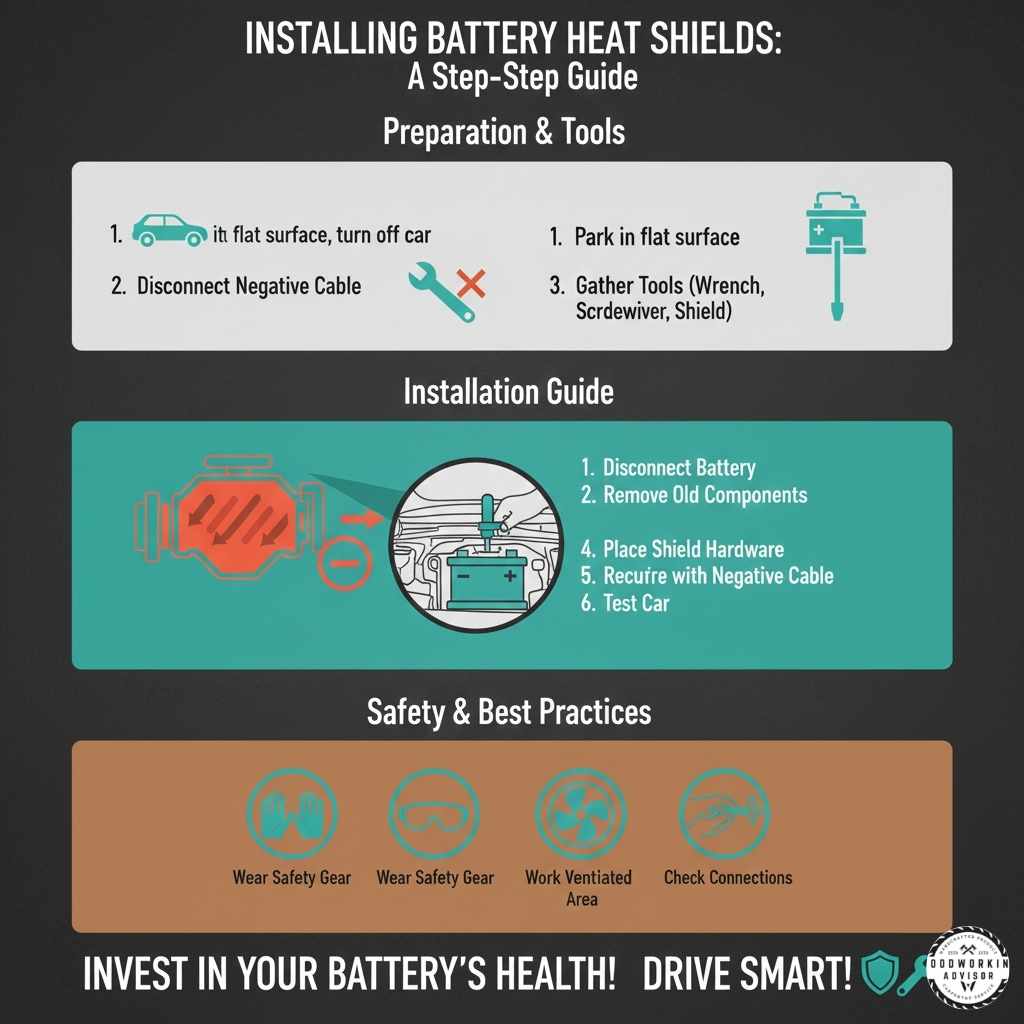
Proper preparation is key. Make sure the car is turned off and the key is removed. Disconnect the negative battery cable before starting any work on the battery. This step is important to prevent electrical shorts and ensure safety. Gather the necessary tools, including a wrench set, screwdriver, and any tools needed for removing the battery terminals and mounting hardware. Have the new heat shield and any included hardware ready. Read the instructions carefully before beginning the installation.
Step-by-Step Installation Guide
The installation process varies slightly depending on the type of heat shield and the car model, but here’s a general guide. First, find the battery, and take off the negative battery cable from the terminal using a wrench. Then, remove any brackets, covers, or existing heat shields that surround the battery. These parts will vary depending on your car.
Next, place the battery heat shield. Slide the shield around or over the battery, making sure it fits snugly. Use the provided hardware to secure the shield to the car. Make sure the shield is properly aligned and does not interfere with other components. Reconnect the negative battery cable. Double-check all connections to ensure they are tight. Start the car and check for any unusual sounds or problems. If everything looks good, the installation is complete. Always follow the manufacturer’s directions.
- Disconnect the battery: Remove the negative cable.
- Remove existing components: Take off any brackets or covers.
- Install the heat shield: Place the shield around the battery.
- Secure the shield: Use provided hardware.
- Reconnect the battery: Reattach the negative cable.
If you’re unsure about any step, refer to the manufacturer’s instructions. If you still have trouble, ask a professional mechanic for help. A properly installed heat shield should fit snugly around the battery. Ensure that it does not come into contact with moving parts or obstruct other car components. Following each step in the installation guide will make the process easier. Safety is important, so follow all safety precautions when working on your car.
Safety and Best Practices
Safety is the most important factor when working on any part of your car. Before starting, ensure the car is parked on a flat, stable surface. Turn off the engine and remove the key from the ignition. Always wear safety glasses and gloves to protect your eyes and hands from potential hazards. Disconnect the negative battery cable before starting any work on the battery. This prevents short circuits and protects you from electrical shock.
Work in a well-ventilated area, and avoid working near open flames or sparks. Batteries contain sulfuric acid, which can cause burns if it comes into contact with your skin or eyes. If you spill battery acid, immediately rinse the area with water and seek medical attention. After completing the installation, double-check all connections to ensure they are secure. Clean up any spilled fluids or tools from your workspace. When in doubt, consult a professional mechanic. Following these practices makes the process easier.
Frequently Asked Questions
Question: How long does a battery heat shield last?
Answer: A well-made battery heat shield can last for many years, often the entire lifespan of the vehicle, provided it’s made from durable materials like aluminum or fiberglass.
Question: Can I install a battery heat shield myself?
Answer: Yes, most battery heat shields are designed for easy installation. You usually only need basic tools and a bit of mechanical skill. Always follow the manufacturer’s instructions.
Question: Will a battery heat shield void my car’s warranty?
Answer: Typically, a battery heat shield will not void your car’s warranty, as it’s a non-intrusive add-on. However, it’s wise to double-check with your car manufacturer or warranty provider.
Question: Are battery heat shields effective in all climates?
Answer: Yes, battery heat shields are effective in various climates, but their impact is most noticeable in hot environments, where they provide the most significant benefits.
Question: What’s the main difference between a heat shield and a heat wrap?
Answer: A heat shield is typically a rigid barrier that deflects heat. In contrast, a heat wrap is a flexible material wrapped around components like exhaust pipes. Both help to manage heat, but they’re applied differently.
Final Thoughts
After exploring the topic, the question of Do Battery Heat Shields Actually Work? has a clear answer: yes, they do. They provide a vital layer of protection against the damaging effects of excessive heat. These shields can significantly extend battery life and improve overall electrical system performance. They achieve this by creating a thermal barrier that reduces the amount of heat reaching the battery. The materials used, like aluminum and fiberglass, are designed to reflect and absorb heat, keeping the battery at an ideal operating temperature.
The decision to invest in a battery heat shield depends on several factors, including the climate you live in, the type of car you drive, and how you use it. For those in hot climates or who frequently drive in stop-and-go traffic, a heat shield is a great choice. It is a cost-effective upgrade that can help you avoid unexpected breakdowns and save money in the long run. If you’re looking for a simple, yet effective way to improve your car’s reliability, consider installing a battery heat shield. It’s a small investment that can make a big difference.
Related pick: Check today's price on Amazon