Are Catalytic Converter Theft Shields Worth It?
Catalytic converter theft shields are worth it when theft risk and repair cost are higher than the shield’s price. For many drivers, one prevented theft can cover the cost, but low-risk vehicles may never pay it back. A missed catalytic converter theft can still mean roughly a $1,000-$3,000 repair bill, towing, and days without the car. This guide weighs expected loss prevented, fitment, noise, ground clearance, insurance, and local theft rates.
Verdict

- 14-gauge steel for strong physical deterrence
- Bolt-on installation, no fabrication needed
- Powder-coated finish resists corrosion
The clearest wins are high-risk trucks, street-parked vehicles, and drivers facing a high deductible or repeat thefts nearby. The weakest case is a low-clearance car parked inside most nights, where the shield can add cost and inconvenience without enough theft loss prevented to justify it. The right answer depends on vehicle fit and where the car sleeps.
Specs at a glance
| Spec | What to check |
|---|---|
| Shield type | Often sold as a skid plate, cover, or shield |
| Material | Some shields are marketed as 11-gauge steel, and some kits use 12-gauge steel. |
| Hardware | Some shield kits are sold with tamper-proof hardware |
| Fitment | Vehicle-specific application matters; check exact year, trim, drive type, and exhaust layout |
| Compatibility warning | An aftermarket lift kit may block fitment or change clearance |
| Service access | Allow for oil changes, exhaust work, and underbody inspections |
Material and thickness matter because the shield has to buy time. An 11 gauge steel cover is marketed as heavier truck-duty protection, while 12 gauge steel is also used in shield kits, often paired with tamper-proof hardware. A full aluminum plate can be lighter, but the tradeoff is usually less mass and sometimes less resistance to fast cutting.
Installation is not a simple bolt-on choice. Some kits are drill-less, while others add hardware and underbody coverage that can make service slower. If your vehicle has an aftermarket lift kit, check compatibility before purchase, not after the box arrives.
Who it
Catalytic converter theft shields are most useful for drivers whose vehicles are attractive targets and whose parking pattern leaves the exhaust exposed. Trucks and SUVs with easy underbody access gain the most from a physical barrier. Hybrids can also make sense, but only when theft exposure is high enough to justify the cost and installation hassle.
A shield also makes more sense when the deductible is high or the vehicle sits on the street overnight. If a theft would leave you paying a large share of the repair, the shield may pay back after one incident. If the car is parked in a locked garage most nights, the math changes fast.
Shield value decision table
| Vehicle type | Parking exposure | Insurance deductible | Local theft risk | Shield value | Buy it? |
|---|---|---|---|---|---|
| Truck with easy underbody access | Street parking nightly | $1,000+ | High | High | Yes |
| Truck with easy underbody access | Street parking nightly | $500 | High | High | Yes |
| Hybrid or high-target car | Mixed street and driveway parking | $1,000+ | High | Medium-High | Yes |
| Hybrid or high-target car | Garage most nights | $500 | Medium | Medium | Maybe |
| Low-clearance car | Garage most nights | $1,000+ | Low | Low | No |
| Low-clearance car | Street parking nightly | $500 | Low | Medium | Maybe |
This table is a practical shortcut. If the expected theft loss is high, the shield is easier to justify. If the risk is low, the price and installation cost may not return enough value before the vehicle changes hands.
What works
A catalytic converter theft shield is a physical deterrent. It adds a barrier between the thief and the converter, which slows removal and makes a quick grab harder. That delay matters because many thefts are fast, opportunistic, and done with basic tools.
Some listings for shields use tamper-proof hardware, which helps make removal slower and less convenient. That hardware does not make the shield permanent. It simply adds another step that may push a thief to move on to an easier target.
Picture a 2019 F-150 parked on the street near repeat theft reports. A shield that forces extra cutting or extra time can turn a two-minute theft into a riskier job. That is the value: delay, noise, and effort.
What does not?
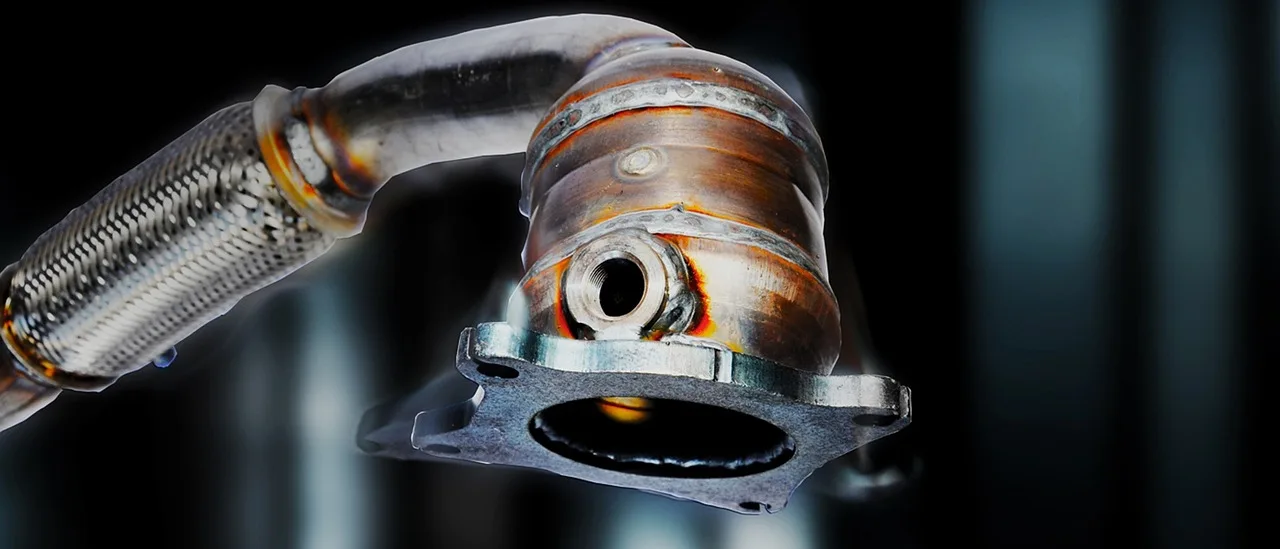
A shield does not stop every theft. A determined thief with enough time, access, and tools can still defeat it. The goal is delay and deterrence, not total immunity.
Service and maintenance can also be less convenient. A plate or cover can make inspections, exhaust work, and underbody service slower. On some vehicles, fitment is tight enough that an aftermarket lift kit creates a real compatibility problem.
Say your Tundra has an aftermarket lift kit and the listing warns it may not fit. That warning matters more than the steel gauge. A shield that sits wrong, rattles, or blocks service is a bad purchase even if the material sounds heavy-duty.
Vehicle-specific fitment matters
The product has to match the vehicle, not just the badge. A Tundra skid plate is listed for 2007-2021 Tundra models, and a Tundra shield listing warns it may not fit with an aftermarket lift kit. The Tacoma and 4Runner cover listing is for 2016+ Tacoma and 2010-2022 4Runner, and it is marketed for V-6 4WD and PreRunner models only.
Other examples are just as specific. One Tundra Hybrid cover is priced at $475.00, an F-150 catalytic converter cover is listed at $525.00, and the Silverado/Sierra listing applies to 2023+ 1500 V8 models. That kind of specificity is the point: fitment errors erase the value of the shield quickly.
Alternatives

- OEM Authorized Accessory for verified fit
- Completely drill-less installation
- Tamper-proof screws secure the shield
The MILLERCAT Anti-Theft Cat Shield for 2014-2019 Toyota Corolla is the clearer fit when you need a vehicle-specific cover with drill-less installation and tamper-proof screws. Based on the listed product details, the biggest strength is OEM-authorized fit confidence. The tradeoff is obvious: it is Corolla-specific, and the $210.00 price still has to make sense against your theft risk and deductible.
The Rough Country catalytic converter shield for Ram 1500 aims at drivers who want a bolt-on anti-theft skid plate without fabrication. It uses 14-gauge steel, and the powder-coated finish helps with corrosion resistance. The drawback is the same one that applies to most shields: fitment is specific, and the shield is only worth the money if your truck’s theft exposure is high enough to justify the added hardware.
Should you buy it?
Buy a shield when the vehicle is a known target, the car is parked outside often, and your deductible or downtime would make a theft painful. That is especially true for trucks and SUVs with easy underbody access. In those cases, a shield is a reasonable purchase because it can prevent a loss that would cost far more than the hardware.
Skip it when the vehicle sleeps in a garage most nights, theft risk is low, or fitment is uncertain because of suspension changes. If the shield will interfere with service or does not fit your lift kit, the right answer is no. In middle cases, a shield works best as part of a layered setup with an alarm, parking changes, and visible deterrents.
A common first-timer mistake is assuming every catalytic converter shield will clear the exhaust layout, then discovering the brackets or heat shields interfere after purchase. That can go wrong fast if the vehicle has a lift kit or a trim-specific exhaust layout. Another common mistake is treating engraving or parking habits as a full substitute; they help, but they do not block access the way a physical shield does.
What is the best anti-theft option for a catalytic converter?
The best option is usually a layered one, not a single part. A shield is the strongest physical delay measure, while engraving, alarms, surveillance, and parking choices all add friction in different ways. If you can only pick one, start with the measure that best matches your vehicle’s theft risk and parking pattern.
Parking indoors lowers exposure, but it is not always practical. A vehicle alarm or surveillance can help at home, yet neither always protects a car parked elsewhere. That is why shields are strongest on vehicles that cannot be kept out of sight.
Frequently asked questions
Are catalytic converter theft shields worth it?
They are worth it when the expected loss from theft is higher than the shield’s price plus installation. That usually means high-risk trucks, street parking, and a deductible that would sting. If the vehicle is low-risk and parked indoors, the math often points the other way.
Do catalytic converter shields actually stop theft?
They do not stop every theft, but they can slow it down enough to make your vehicle less appealing. The goal is to turn a quick removal into a noisy, time-consuming job. That is a deterrent effect, not a guarantee.
How much does a catalytic converter shield cost installed?
Prices vary by vehicle and kit, but the examples here show a range from $210.00 for a Corolla shield to $525.00 for an F-150 cover, with a Tundra Hybrid cover listed at $475.00. Installation can add more cost, especially if fitment is tight or service access becomes harder.
Will a theft shield fit my truck with a lift kit?
Maybe, but you need to verify it before buying. A Tundra shield listing specifically warns that it may not fit with an aftermarket lift kit. Lift kits can change clearance and mounting points, so compatibility has to be checked against your exact trim and suspension setup.
What vehicles benefit most from a catalytic converter shield?
Vehicles with easier underbody access and higher theft exposure benefit most. Hybrids can also benefit when local theft risk is high.
Can thieves still cut through a catalytic converter shield?
Yes. A shield can still be defeated with enough time, tools, and access. That is why the strongest setups combine the shield with other deterrents, such as alarms, surveillance, marking, or smarter parking. The shield slows the theft; it does not end it.