Can Exhaustion Cause Headaches: Essential Guide
Yes, exhaustion absolutely can cause headaches. When your body and mind are overly tired, it disrupts normal functions, often leading to tension headaches, migraines, and cluster headaches. Understanding this connection is key to managing both fatigue and headache pain. This guide will break down why this happens and what you can do about it.

Nexon Botanics
Head Calm Essential Oil Roll-On 10 ml…
- Natural Essential Oil Blend for Head Relief: Our Head Calm aromatherapy roll-on combines peppermint, lavender, spearmint and grape…
- Easy to Use Anytime, Anywhere: Apply this headache essential oil roller ball to temples, forehead, or back of neck - at home, work…
- Aromatherapy That Works on Contact: Inhale the refreshing scent by rolling onto hands or pulse points. Use for stress relief, tens…
As an Amazon Associate I earn from qualifying purchases.
Feeling drained and the throbbing in your head – sound familiar? It’s a frustrating cycle when your body signals it needs rest, but instead, you’re hit with a headache. Many people wonder if being utterly exhausted is the culprit behind their persistent head pain. The good news is, you’re not alone in this experience. This guide is here to shed light on the direct link between tiredness and headaches. We’ll explore the science behind it in simple terms and offer practical steps to help you feel better. Get ready to understand why exhaustion causes headaches and how you can start to prevent them.
The Surprising Link: How Exhaustion Fuels Headaches
It might seem like a simple cause and effect, but the way exhaustion triggers headaches is a little more complex. When you’re tired, your body goes through various changes that can make you more susceptible to head pain. Think of your body as a finely tuned machine; when it’s running on empty, little things can start to go wrong, and headaches are a common symptom.
Understanding Your Body’s Fatigue Signals
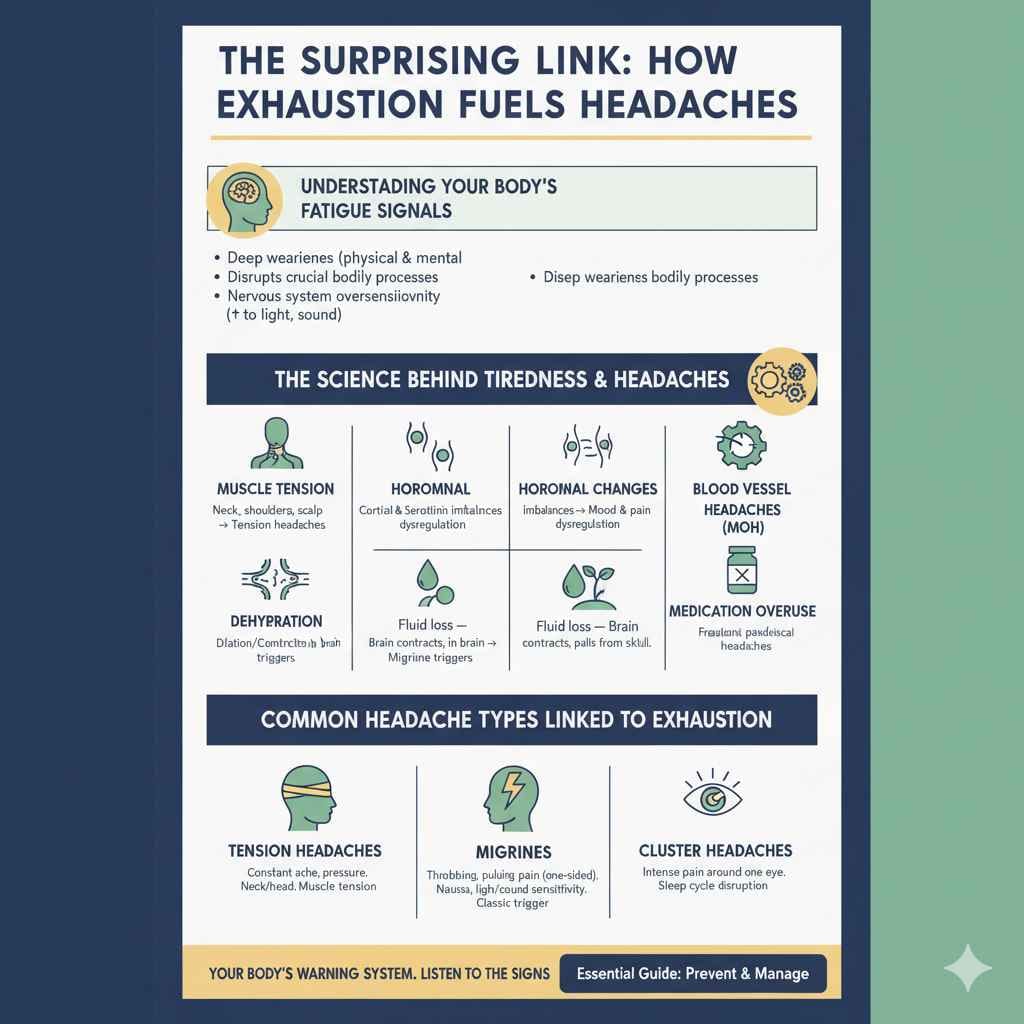
Our bodies are designed to tell us when they need a break. Exhaustion isn’t just feeling a bit sleepy; it’s a deep weariness that affects both our physical and mental state. This can stem from many things, like not getting enough sleep, stress, overwork, or even illness. When this fatigue sets in, it can disrupt crucial bodily processes.
One of the main ways exhaustion impacts us is by affecting our nervous system. A tired nervous system can become oversensitive to stimuli that it might normally filter out. This means sounds, lights, and smells that are usually just background noise can suddenly become triggers for pain. It’s like the volume knob on your senses gets turned up too high.
The Science Behind Tiredness and Headaches
There are several scientific reasons why exhaustion and headaches go hand-in-hand. It’s not just a random occurrence; it’s your body’s way of reacting to being overworked.
- Muscle Tension: When you’re exhausted, your muscles often tense up. This is your body’s protective response to feeling strained. This widespread muscle tightness, especially in the neck, shoulders, and scalp, is a primary cause of tension headaches. These often feel like a tight band around your head.
- Hormonal Changes: Lack of sleep and extreme fatigue can mess with your hormone levels. Cortisol, the stress hormone, can fluctuate, and changes in other hormones like serotonin can also play a role in headache development. Serotonin is important for mood and pain regulation, so when it’s out of balance, you might feel more pain.
- Blood Vessel Changes: Fatigue can affect the blood vessels in your brain. They might dilate (widen) or constrict (narrow) in ways that can trigger pain signals. This is particularly relevant for migraines, which are thought to involve changes in blood flow and nerve pathways.
- Dehydration: When you’re exhausted, you might also forget to drink enough water. Dehydration is a common headache trigger. Even mild dehydration can cause your brain to temporarily shrink or contract from fluid loss, pulling away from the skull and causing pain.
- Medication Overuse Headaches (MOH): If exhaustion is a chronic issue, you might find yourself relying on over-the-counter pain relievers more often. Taking these medications too frequently can paradoxically lead to more headaches, known as medication overuse headaches.
Common Headache Types Linked to Exhaustion
The type of headache you experience can often depend on what’s causing your exhaustion and how your body reacts. Here are the most common types:
- Tension Headaches: These are the most frequent. They typically feel like a constant ache or pressure around your head, especially at the temples or back of your head and neck. They are directly related to muscle tension aggravated by fatigue.
- Migraines: Migraines are more severe and often described as a throbbing or pulsing pain, usually on one side of the head. They can be accompanied by nausea, vomiting, and extreme sensitivity to light and sound. Lack of sleep and exhaustion are classic migraine triggers for many people.
- Cluster Headaches: While less common, these are intensely painful headaches that occur in cyclical patterns or clusters. They are often felt around one eye and can be associated with extreme exhaustion and disruptions to sleep cycles.
Simple Steps to Prevent & Manage Exhaustion Headaches
Now that you know exhaustion can cause headaches, the good news is you can take steps to manage and prevent them. It’s all about listening to your body and making small, consistent changes.
Prioritizing Sleep: The Foundation of Well-being
This might sound obvious, but it’s the most crucial step. When you’re exhausted, your body is crying out for restorative sleep. Making sleep a priority can drastically reduce headache frequency.
- Aim for Consistency: Go to bed and wake up around the same time every day, even on weekends. This helps regulate your body’s internal clock (circadian rhythm).
- Create a Relaxing Routine: Before bed, wind down. This could include reading, taking a warm bath, or gentle stretching. Avoid screens, caffeine, and heavy meals close to bedtime.
- Optimize Your Sleep Environment: Make sure your bedroom is dark, quiet, and cool. Consider blackout curtains or a white noise machine if needed.
- Limit Naps Wisely: While short power naps can help, long or late-afternoon naps can interfere with nighttime sleep.
Stress Management Techniques
Stress is a major contributor to exhaustion and headaches. Finding healthy ways to manage stress can make a world of difference.
- Mindfulness and Meditation: Even a few minutes of daily meditation can help calm your mind and reduce stress hormones. Apps like Calm or Headspace can guide you.
- Breathing Exercises: Deep breathing can quickly calm your nervous system. Try the 4-7-8 technique: inhale for 4 counts, hold for 7, and exhale for 8.
- Yoga or Tai Chi: These practices combine gentle movement, breathing, and meditation, which are excellent for stress relief and improving physical well-being.
- Journaling: Writing down your thoughts and worries can help process them and reduce their hold on you.
- Setting Boundaries: Learn to say no to commitments that overextend you. Protect your time and energy.
Hydration and Nutrition: Fueling Your Body Right
What you eat and drink significantly impacts your energy levels and headache susceptibility.
- Stay Hydrated: Keep a water bottle with you and sip throughout the day. Aim for at least 8 glasses of water daily, more if you’re active or in a hot climate.
- Balanced Diet: Focus on whole, unprocessed foods. Include plenty of fruits, vegetables, lean proteins, and whole grains.
- Regular Meals: Don’t skip meals, as this can cause blood sugar dips, leading to fatigue and headaches.
- Limit Caffeine and Alcohol: While caffeine can provide a temporary boost, too much can lead to crashes and headaches. Alcohol can dehydrate you and disrupt sleep.
Getting Moving Strategically: Exercise for Energy, Not Exhaustion
It might seem counterintuitive, but regular, moderate exercise can actually boost energy levels and help prevent headaches. The key is not to overdo it when you’re already exhausted.
- Choose Low-Impact Activities: Walking, swimming, or cycling are great options.
- Listen to Your Body: If you’re feeling extremely fatigued, opt for gentle stretching or a very light walk instead of a strenuous workout.
- Don’t Exercise Too Close to Bedtime: This can interfere with sleep.
For more information on how physical activity impacts overall health, the Centers for Disease Control and Prevention (CDC) offers excellent resources on the benefits of physical activity.
Recognizing and Managing Headache Triggers
Beyond exhaustion, other factors can trigger headaches. Identifying and avoiding these alongside managing your fatigue is crucial.
- Dietary Triggers: Common ones include aged cheeses, processed meats, artificial sweeteners, and MSG.
- Environmental Factors: Bright lights, strong smells, loud noises, and weather changes can all be triggers.
- Eyestrain: Prolonged screen time or uncorrected vision problems can lead to headaches, often felt around the eyes.
- Physical Strain: Poor posture or prolonged periods in an awkward position can contribute to muscle tension and headaches.
Keeping a headache diary can be incredibly helpful. Note when your headaches occur, their intensity, what you were doing, eating, and how much you slept. This can reveal patterns and specific triggers.
When to Seek Professional Help
While many exhaustion-related headaches can be managed with lifestyle changes, there are times when you should consult a doctor. Don’t hesitate to seek professional advice if:
- Your headaches are severe, sudden, or occur more frequently.
- Your headaches are accompanied by other symptoms like fever, stiff neck, confusion, or neurological changes (numbness, weakness, difficulty speaking).
- Your headaches significantly disrupt your daily life and don’t improve with self-care measures.
- You experience a “thunderclap” headache, which reaches maximum intensity very quickly.
For more in-depth information on headaches and when to seek medical attention, the National Institute of Neurological Disorders and Stroke (NINDS) provides comprehensive, reliable health information.
Tips for Using Over-the-Counter (OTC) Headache Relief
For mild to moderate headaches, OTC medications can offer relief. However, it’s crucial to use them wisely.
| Type of Medication | Common Ingredients | When to Use | Important Caution |
|---|---|---|---|
| Pain Relievers | Acetaminophen (Tylenol) | General pain relief, good for those who can’t take NSAIDs. | Do not exceed the recommended dose; can cause liver damage. |
| Pain Relievers | Nonsteroidal Anti-Inflammatory Drugs (NSAIDs): Ibuprofen (Advil, Motrin), Naproxen (Aleve) | Effective for tension headaches and migraines. | Can cause stomach upset, ulcers, or kidney problems with frequent or high-dose use. |
| Combination Medications | Acetaminophen, Aspirin, Caffeine (e.g., Excedrin Migraine) | Often very effective for migraines. | Risk of medication overuse headaches; caffeine can cause jitters or sleep issues. |
Remember the golden rule: never use OTC pain relievers more than a couple of days a week without consulting a healthcare professional. Overusing them can lead to rebound headaches, making your problem worse.
Lifestyle Tweaks for Sustained Energy and Fewer Headaches
Making sustainable changes is key to long-term well-being. It’s not about drastic overhauls, but consistent, healthy habits.
Creating an Energy Management Plan
Think of managing your energy like managing your finances. You need to track where it’s going and ensure you have enough reserves.
- Energy Auditing: Identify activities that drain your energy and those that replenish it.
- Prioritize High-Impact Tasks: When you have energy bursts, tackle your most important tasks.
- Schedule Downtime: Plan for rest and relaxation just as you would for important appointments.
- Learn to Delegate: If possible, share tasks at work or home to lighten your load.
The Role of Breaks and “Micro-Resets”
Don’t push through prolonged periods of exhaustion without breaks. Regular short breaks can prevent fatigue from escalating into a headache-inducing state.
- Short Pauses: Every hour, take a 5-10 minute break to stretch, walk around, or simply close your eyes and breathe.
- Mindful Moments: Step away from your work for a few minutes to focus on your surroundings or practice deep breathing.
- Lunch Breaks: Ensure you take a proper lunch break away from your desk to truly disengage and refuel.
Building a Supportive Environment
The people and places around you can significantly impact your energy and stress levels.
- Communicate Your Needs: Talk to your family, friends, or colleagues about what you’re experiencing.
- Seek Social Support: Spend time with people who uplift and energize you.
- Optimize Your Workspace: Ensure your workspace is comfortable, well-lit, and ergonomic to minimize physical strain.
A Deeper Look: Headaches as a Symptom of Chronic Exhaustion
Sometimes, headaches are more than just a fleeting annoyance caused by a single bad night’s sleep. When exhaustion is chronic, it can signal underlying issues that require more attention.
Burnout Syndrome
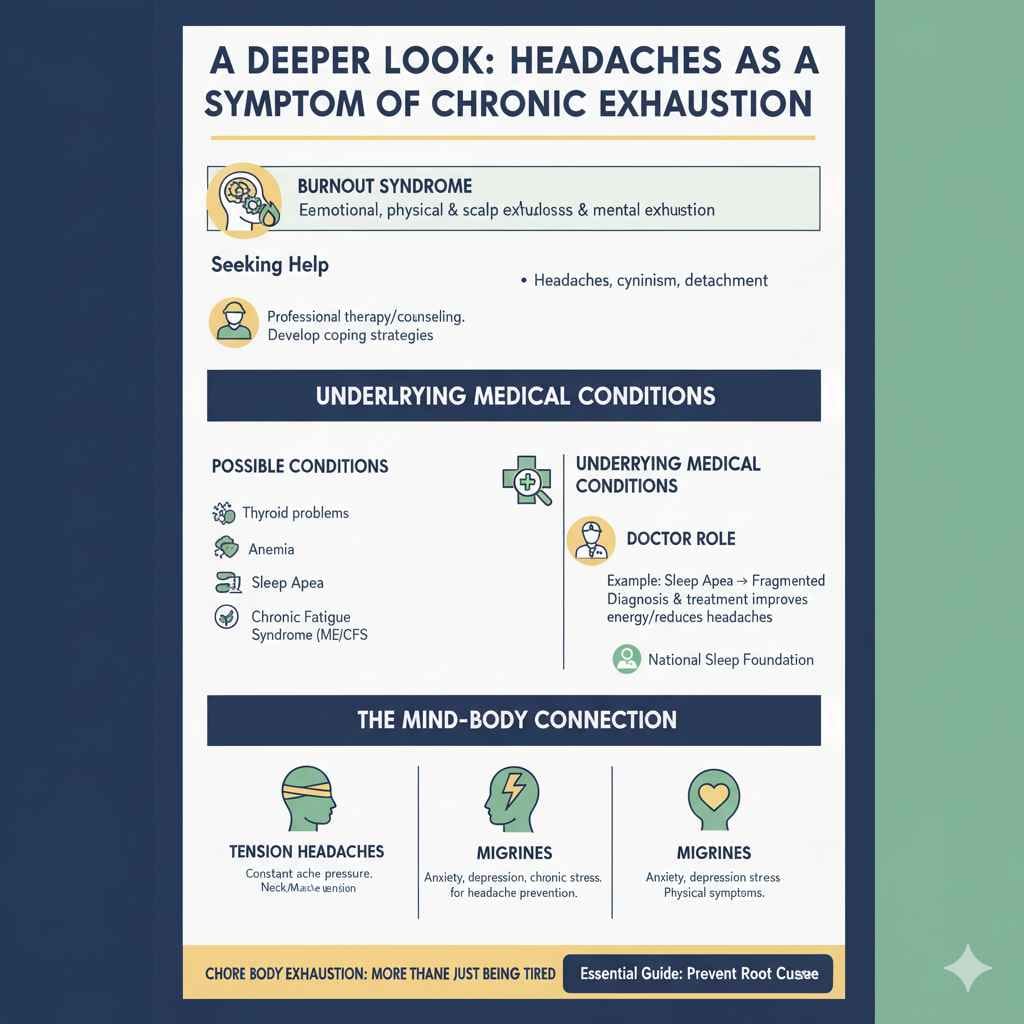
Chronic exhaustion can lead to burnout, a state of emotional, physical, and mental exhaustion caused by prolonged or excessive stress. Headaches are a common symptom of burnout, alongside feelings of cynicism, detachment, and a lack of accomplishment.
If you suspect burnout, professional help is often necessary. Therapists and counselors specialize in helping individuals develop coping strategies and address the root causes of burnout.
Underlying Medical Conditions
While less common, persistent exhaustion and severe headaches can sometimes be symptomatic of underlying medical conditions like thyroid problems, anemia, sleep apnea, or even chronic fatigue syndrome (ME/CFS). It’s important to rule these out with your doctor, especially if your symptoms are persistent and unexplained.
For example, sleep apnea can lead to fragmented sleep, causing daytime exhaustion and headaches. Diagnosing and treating it can dramatically improve energy levels and reduce headache frequency. The National Sleep Foundation provides valuable information on sleep disorders.
The Mind-Body Connection
It’s vital to recognize the profound connection between our mental and physical health. Anxiety, depression, and chronic stress can all manifest as physical symptoms, including exhaustion and debilitating headaches. Addressing your mental well-being is just as important as tending to your physical needs when it comes to headache prevention.
Frequently Asked Questions (FAQ)
Q1: Can a single night of bad sleep cause a headache?
Yes, absolutely. Even one night of poor or insufficient sleep can disrupt your body’s balance, leading to muscle tension, dehydration, or changes in blood flow that can trigger a headache, particularly a tension headache or a migraine for those prone to them.
Q2: What kind of headaches does exhaustion typically cause?
Exhaustion most commonly leads to tension headaches, which feel like a tight band around the head. It is also a significant trigger for migraines, characterized by throbbing pain often on one side, and can contribute to other headache types.
Q3: Are there specific vitamins or supplements that can help with exhaustion headaches?
While there’s no magic bullet, some people find certain supplements helpful. Magnesium deficiency is linked to migraines, so magnesium supplements might help some individuals. B vitamins are crucial for energy production. However, it’s always best to discuss any supplements with your doctor before starting them, as they can interact with other medications or conditions.
Q4: How quickly can I expect relief after a good night’s sleep?
Relief can be fairly quick. Many people find that after a solid 7-9 hours of quality sleep, their headache significantly reduces or disappears entirely. If your headaches are persistent, however, it may take several nights of consistent good sleep to see a lasting improvement.
Q5: I often get headaches after long workdays. Is this just exhaustion?
It’s highly likely that exhaustion is a major factor, but other elements from your workday could be contributing. Long hours often involve prolonged sitting, poor posture, eyestrain from screens, and stress. All of these can lead to muscle tension and trigger headaches alongside fatigue. Try incorporating short breaks and stretching into your workday.
Q6: Can children experience headaches from being tired?
Yes, children can definitely get headaches from exhaustion, stress, or lack of sleep. Young children might express it as just feeling “sick” or irritable. Ensuring they get regular, sufficient sleep and have downtime can help prevent these headaches.
Related pick: Check today's price on Amazon