Can Portable Ac Exhaust Kill You: Shocking Truth Revealed
Have you ever wondered if the exhaust from your portable air conditioner could be dangerous? It’s a question that might cross your mind when you see that hose pushing hot air outside your window.
You want to keep your space cool, but you also want to stay safe. Could that exhaust actually harm you or even be deadly? Understanding the risks and how to use your portable AC correctly is crucial for your health and peace of mind.
Keep reading to discover the truth about portable AC exhaust and how to protect yourself and your loved ones.
How Portable Ac Exhaust Works
Understanding how a portable AC exhaust works helps explain its safety and function. Portable air conditioners cool the air inside a room. They move hot air outside through an exhaust system. This process prevents the room from getting warmer.
Ventilation Mechanism
The portable AC uses a fan to pull warm air from the room. It cools this air using a refrigerant inside the unit. The heat from the air moves into the refrigerant, which absorbs it. Then, the warm air must leave the room through an exhaust hose. This hose vents the hot air outside.
Without proper ventilation, the room will not cool down. The hot air stays inside and raises the temperature. Good ventilation keeps the air fresh and maintains the cool temperature.
Common Exhaust Methods
Most portable ACs use a flexible hose to vent hot air. The hose usually goes out a window or through a wall opening. Window kits help seal the space around the hose to stop air leaks. Some units have a dual hose system. One hose draws air from outside to cool the machine. The other hose vents hot air outside.
Proper installation of the exhaust hose is crucial for safety and efficiency. A blocked or damaged hose can cause the unit to overheat. This may lead to poor cooling or even damage.
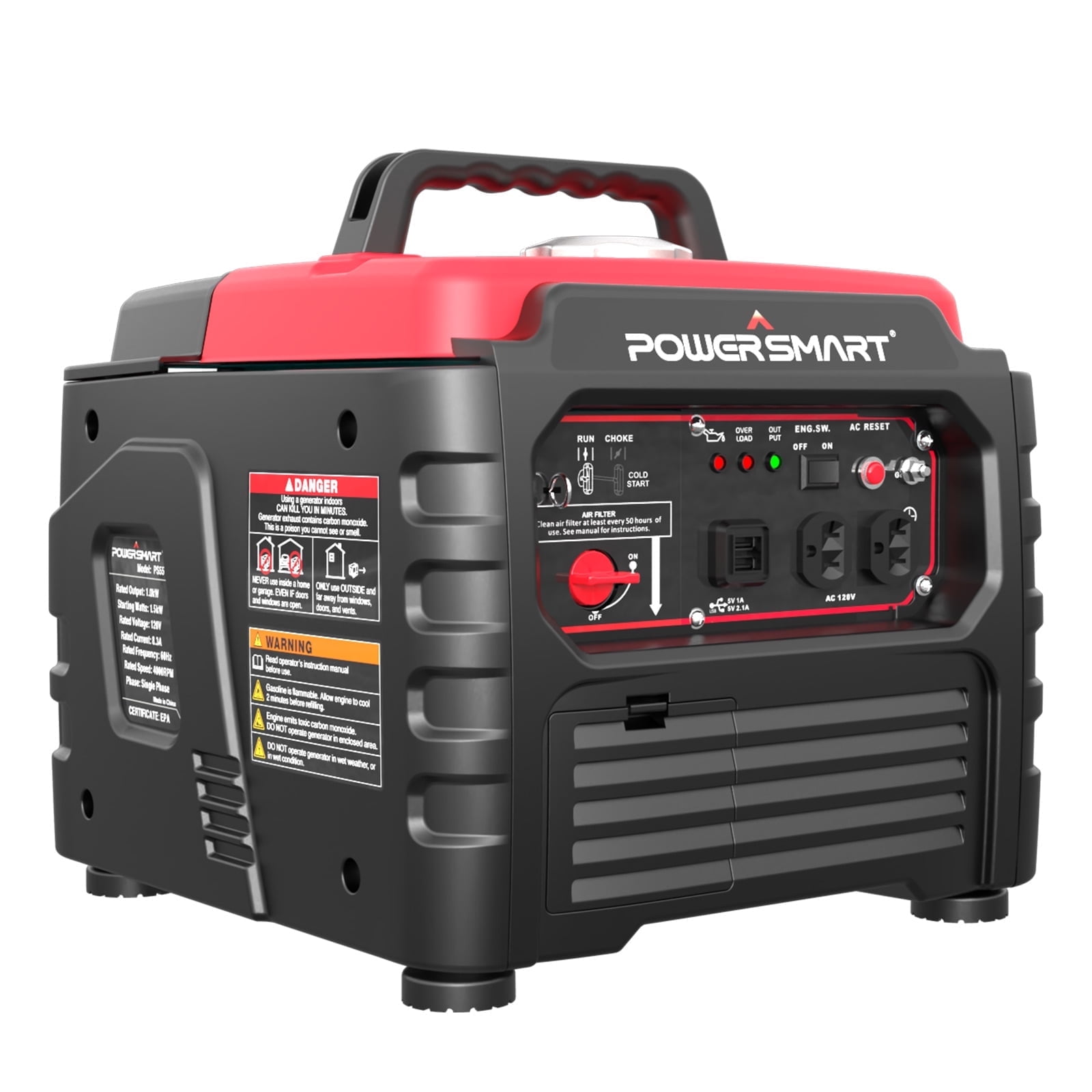
Potential Dangers Of Exhaust
Portable air conditioners often need to vent hot air outside. This venting creates exhaust, which can be risky if not handled properly. The exhaust may contain harmful gases that affect health. Understanding the dangers is crucial for safe use.
Exhaust from portable AC units can impact the air inside your home. Poor ventilation or blocked vents raise health concerns. Knowing these risks helps prevent accidents and keeps air clean.
Carbon Monoxide Risks
Carbon monoxide (CO) is a colorless, odorless gas. It can build up if the exhaust is trapped indoors. Breathing CO causes headaches, dizziness, and nausea. High levels lead to unconsciousness or even death. Portable ACs that burn fuel are the main CO source. Electric models usually do not produce CO. Always ensure exhaust pipes vent outside and remain clear.
Indoor Air Quality Impact
Exhaust gases contain dust, moisture, and chemicals. These can lower indoor air quality significantly. Poor air quality causes allergies and breathing problems. Mold and mildew may grow due to excess moisture. Proper venting prevents these issues. Regularly check and clean exhaust hoses to maintain fresh air.
Can Exhaust Cause Fatalities?
Portable air conditioners often use exhaust hoses to release hot air outside. This exhaust contains gases from the unit’s operation. Many ask if this exhaust can cause death. Understanding the risks is important for safe use.
Cases Of Poisoning
Exhaust gases can be dangerous. Carbon monoxide is a common harmful gas in exhaust. It is colorless and odorless. People have died from carbon monoxide poisoning in enclosed spaces. Portable AC exhaust can build up carbon monoxide indoors. Poor ventilation increases this risk. Several reported cases show fatalities linked to exhaust gas exposure.
Factors Increasing Danger
Small or sealed rooms trap exhaust gases. This raises gas concentration quickly. Running the portable AC without fresh air causes oxygen depletion. Faulty or damaged exhaust hoses leak gases inside. People sleeping or unaware of symptoms face higher risk. Symptoms include headache, dizziness, and nausea. Lack of ventilation and continuous use increase fatality chances.
Safe Usage Tips
Using a portable AC safely prevents health risks and improves comfort. Portable AC exhaust can be dangerous if not handled properly. Follow simple safety tips to keep your space safe and cool.
Proper Venting Practices
Always vent the exhaust hose outside through a window or door. Avoid venting into small enclosed spaces like closets or attics. Use window kits to seal gaps and stop hot air from coming back inside. Keep the hose straight and short to help airflow. Never block the exhaust hose or let it bend sharply.
Maintenance And Monitoring
Clean the filters regularly to keep the AC efficient. Check the exhaust hose for cracks or leaks often. Replace damaged parts quickly to avoid carbon monoxide risks. Monitor the room for unusual smells or heat buildup. Turn off the unit if you notice anything strange and inspect it.
Alternatives To Portable Ac Exhaust
Portable air conditioners often use exhaust hoses to vent hot air outside. This can cause safety concerns in some settings. Many people seek safer, easier ways to cool their rooms without using exhaust pipes. Alternatives to portable AC exhaust can provide fresh air and comfort without risks. These options include ventless cooling devices and better ways to improve room ventilation.
Ventless Cooling Options
Ventless cooling devices do not need exhaust hoses. They cool the air using water or ice to lower temperature. Evaporative coolers, also called swamp coolers, are popular ventless options. They work well in dry climates. These coolers add moisture to the air while lowering heat.
Another ventless solution is a fan with a water spray. This method cools air by evaporation. It uses less energy than traditional AC units. These options are safer and easier to use indoors without worry.
Improved Ventilation Solutions
Good ventilation helps keep rooms cool and fresh. Opening windows and doors allows hot air to leave. Cross-ventilation, where air flows through two openings, works well. Installing window fans can boost this airflow. They pull hot air out or bring cool air in.
Exhaust fans in kitchens or bathrooms also remove warm air. Using ceiling or standing fans helps move air inside. These simple steps improve comfort without the dangers linked to portable AC exhausts.

Frequently Asked Questions
Can Portable Ac Exhaust Cause Carbon Monoxide Poisoning?
No, portable AC exhausts typically do not produce carbon monoxide. They expel warm air from indoor cooling. However, using gas-powered generators indoors with exhaust can cause dangerous carbon monoxide buildup.
Is It Safe To Vent Portable Ac Exhaust Indoors?
No, venting portable AC exhaust indoors is unsafe. It releases hot, moist air that raises indoor temperature and humidity. Always vent exhaust outdoors to prevent discomfort and potential mold growth.
Can Portable Ac Exhaust Trigger Respiratory Problems?
Yes, if vented improperly, it can increase indoor humidity and mold growth. This may worsen allergies or asthma. Proper ventilation reduces these risks and maintains healthy indoor air quality.
How To Properly Vent Portable Ac Exhaust?
Use the included window kit to vent exhaust outside. Ensure the hose is not kinked or obstructed. Proper venting prevents heat buildup, reduces energy use, and maintains cooling efficiency.
Conclusion
Portable AC exhaust pipes release hot air and gases outside. These gases can be dangerous if trapped indoors. Carbon monoxide is colorless and odorless but deadly. Always vent the exhaust pipe properly to the outside air. Never block or seal the exhaust hose tightly.
Keep rooms well-ventilated when using portable AC units. Regularly check for leaks or damage in the exhaust system. Safety first—protect yourself and your family from risks. Portable ACs cool your space but handle exhaust with care. Stay safe, stay cool.