Can You Reuse Exhaust Gaskets? Expert Tips You Need to Know
Have you ever wondered if you can reuse exhaust gaskets when working on your vehicle? It’s a question many car owners face, especially when trying to save time and money.

YGDMD
2PCS Exhaust Gasket Graphite and Steel,Exhausts Flange…
- Compatible Models: Exhaust gaskets compatible with Harley Davidson Softail, Dyna, Touring, Sportster, includes models produced aft…
- Tight Sealing: Motorcycle flange gaskets can provide tight and effective seal for components connection, which improves system eff…
- Durable Material: Gaskets use graphite and steel as main material, with high temperature resistance and good sealing, long-term us…
As an Amazon Associate I earn from qualifying purchases.
But before you decide to reuse that old gasket, it’s important to understand the risks and benefits. You’ll discover the truth about reusing exhaust gaskets, what experts recommend, and how to make the best choice for your car’s performance and safety.
Keep reading to avoid costly mistakes and keep your engine running smoothly.
Exhaust Gasket Basics
Exhaust gaskets are small but important parts of a vehicle’s exhaust system. They help keep the system sealed and working properly. Knowing the basics of exhaust gaskets can help you understand their role and why they matter.
These gaskets stop exhaust gases from leaking out. They also reduce noise and prevent harmful fumes from entering the car’s cabin. Different types of exhaust gaskets serve different needs.
Purpose And Function
Exhaust gaskets seal the connection points in the exhaust system. They fit between pipes, the manifold, and other parts. This seal stops gas leaks and keeps the exhaust flowing smoothly. Without a good gasket, the engine may lose power and run poorly.
They also help reduce noise. By sealing gaps, they keep the sound of exhaust gases from escaping. This makes the ride quieter. Gaskets protect the system from damage caused by heat and vibration too.
Common Types
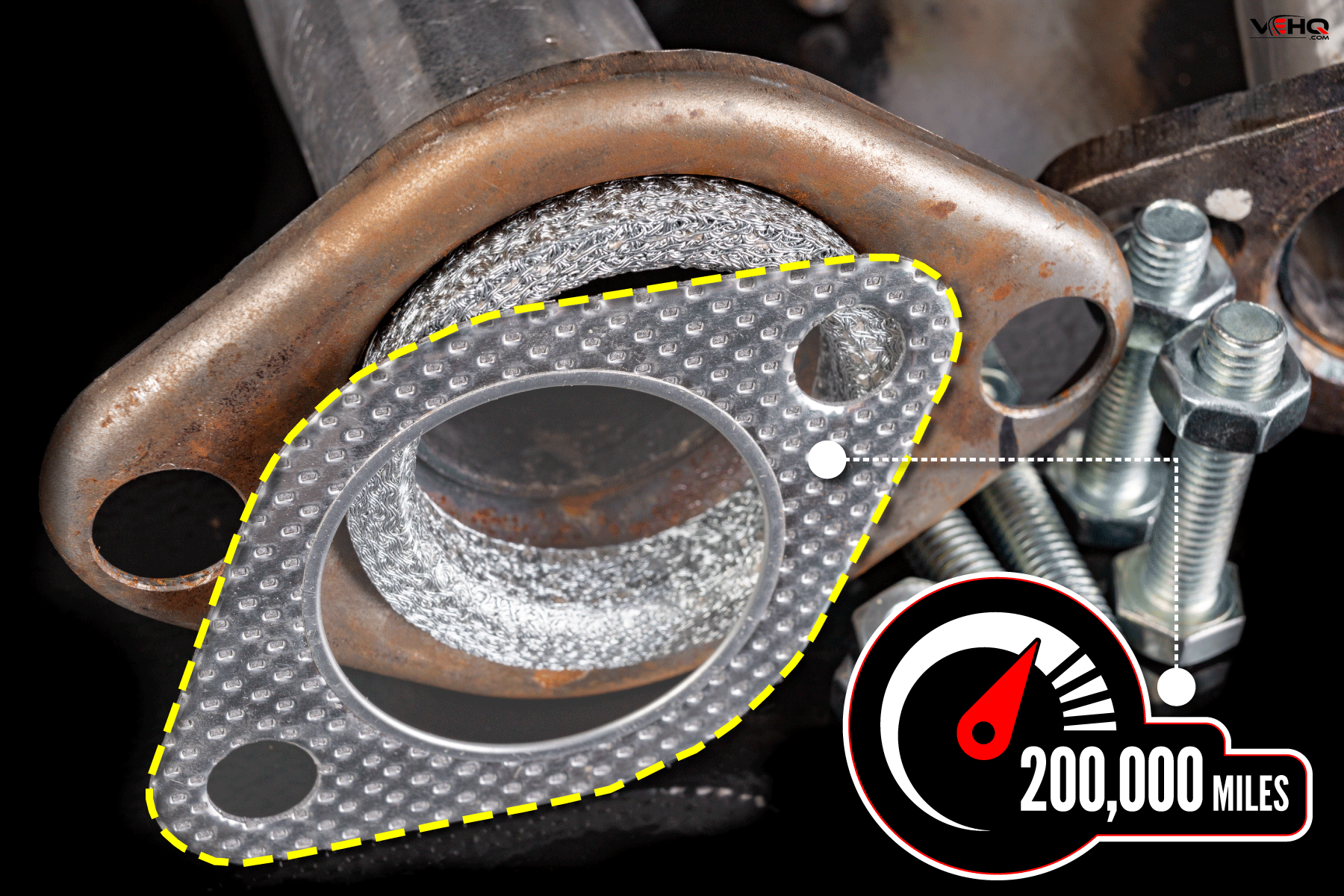
Several types of exhaust gaskets exist, each made for specific spots in the system. One common type is the flat gasket. It is made from metal or composite materials and fits between flat surfaces.
Another type is the ring gasket. It usually sits inside pipe joints. These gaskets handle high pressure and heat well. Some gaskets have a mesh or fiber core to improve sealing.
Choosing the right type is key to a good seal. The material and shape must match the exhaust parts. This ensures the gasket lasts long and performs well.

When To Replace Exhaust Gaskets
Knowing when to replace exhaust gaskets is crucial for vehicle health. These small parts seal exhaust pipes and prevent leaks. Over time, gaskets wear out and lose their ability to seal properly. Replacing them at the right time avoids bigger engine problems and costly repairs.
Signs Of Wear And Damage
Check for cracks, breaks, or burns on the gasket surface. A worn gasket may look flattened or cracked. Listen for unusual noises like hissing or tapping near the exhaust. Smells of exhaust fumes inside the car also signal gasket issues. Visible damage or leaks means it’s time to replace the gasket.
Impact On Engine Performance
A bad exhaust gasket can lower engine power. Exhaust leaks affect backpressure and fuel efficiency. Your engine may run rough or stall at idle. Strange noises and increased fuel consumption are common. Replacing the gasket helps restore engine performance and saves fuel.
Risks Of Reusing Exhaust Gaskets
Reusing exhaust gaskets can seem like a good idea to save money. Still, it brings several risks that can affect your vehicle’s performance and safety. Exhaust gaskets are designed to seal the connection between exhaust parts tightly. Once removed, their ability to seal properly may weaken.
Understanding these risks helps you make a better decision about gasket reuse.
Seal Integrity Issues
Exhaust gaskets lose their shape after being compressed. This change reduces their ability to seal tightly. A gasket that no longer fits well allows exhaust gases to escape. It can cause damage to nearby parts and reduce engine efficiency.
Potential For Leaks
Leaks happen more often with reused gaskets. Exhaust gases contain harmful chemicals that can escape into the air. Leaks may cause loud noises and reduce fuel efficiency. Over time, these leaks can lead to costly repairs.
Safety Concerns
Escaping exhaust gases can be dangerous. They contain carbon monoxide, which is toxic to humans. A leaking gasket increases the risk of this gas entering the vehicle cabin. This risk makes reusing exhaust gaskets a serious safety concern.
Situations Where Reuse Might Be Possible
Reusing exhaust gaskets is not common practice. These parts face high heat and pressure, which can wear them out fast. Yet, some situations allow gasket reuse. Knowing when this is possible helps save time and money. Careful checks and understanding the gasket’s condition matter most. Below are key points on when reuse might work.
Condition Assessment
Start by closely inspecting the gasket. Look for cracks, burns, or crushing marks. If the gasket looks intact with no damage, reuse may be possible. Check if the sealing surface is smooth and clean. A damaged gasket can cause leaks and engine issues. Only gaskets with no visible wear should be reused. Verify the gasket material is still flexible and not brittle.
Temporary Fixes
Sometimes, reusing a gasket is a short-term solution. For quick repairs or emergencies, a clean gasket can hold temporarily. Use new sealant along with the gasket for better sealing. Keep in mind, this fix does not last long. Plan to replace the gasket properly soon after. Temporary reuse helps avoid long downtime but is not permanent.
Expert Tips For Gasket Replacement
Replacing exhaust gaskets requires care and precision. Proper steps ensure a tight seal and prevent leaks. Experts share key tips to guide your gasket replacement process.
Following these tips helps you avoid common mistakes. It keeps your exhaust system working well and saves you time and money.
Proper Installation Techniques
Clean both surfaces before installing the new gasket. Remove old gasket material completely to avoid leaks. Place the gasket carefully to align with bolt holes. Avoid over-tightening bolts to prevent damage. Hand-tighten bolts first, then use a wrench for final tightening.
Recommended Tools And Materials
Use a gasket scraper to clean surfaces. A torque wrench helps apply the correct pressure. Clean rags remove dirt and oil. High-temperature gasket sealant may help in some cases. Always use new gaskets, never reuse old ones.
Torque Specifications
Follow the manufacturer’s torque settings exactly. Too much torque can crush the gasket. Too little torque may cause leaks. Use a torque wrench to tighten bolts evenly in a crisscross pattern. Check torque after a short drive for safety.
Maintenance Tips To Extend Gasket Life
Exhaust gaskets play a key role in keeping your engine sealed and running smoothly. Maintaining them properly can help you avoid leaks and costly repairs. Simple care steps help extend gasket life and keep your exhaust system healthy.
Follow these maintenance tips to protect your exhaust gaskets and get the most out of them.
Regular Inspections
Check exhaust gaskets often for signs of damage or wear. Look for cracks, breaks, or leaks around the gasket area. Early detection helps prevent bigger issues later on. Use a flashlight to see hard-to-reach spots clearly. Listen for unusual noises, which can indicate a gasket problem. Replace gaskets at the first sign of damage to avoid engine trouble.
Avoiding Common Mistakes
Do not overtighten bolts on exhaust gaskets. Excessive pressure can crush or deform the gasket. Clean the surfaces before installation to ensure a proper seal. Avoid reusing old gaskets, as they may lose their sealing ability. Use the correct gasket type and size for your vehicle. Follow manufacturer guidelines during installation to prevent leaks and damage.
Frequently Asked Questions
Can You Reuse Exhaust Gaskets Safely?
Reusing exhaust gaskets is generally not recommended. They compress and deform during installation, losing their sealing ability. Using a new gasket ensures a proper seal, preventing leaks and exhaust system damage. For best results, always replace exhaust gaskets when performing repairs or maintenance.
What Happens If An Exhaust Gasket Is Reused?
Reusing an exhaust gasket can cause leaks and poor engine performance. The gasket may not seal correctly, allowing exhaust gases to escape. This can lead to increased noise, reduced fuel efficiency, and potential damage to other components. Always install a new gasket to avoid these issues.
How To Tell If An Exhaust Gasket Needs Replacement?
Signs of a failing exhaust gasket include loud exhaust noise, visible leaks, and a strong smell of exhaust fumes. You might also notice reduced engine power or poor fuel economy. If any of these occur, inspect the gasket and replace it if damaged or worn.
Are All Exhaust Gaskets Reusable?
Most exhaust gaskets are designed for single use only. They compress to form a tight seal and cannot regain their shape once removed. Some specialized gaskets might be reusable, but these are rare. Always check manufacturer recommendations before reusing any exhaust gasket.
Conclusion
Exhaust gaskets play an important role in your vehicle’s engine. Reusing them can cause leaks and damage over time. Always inspect gaskets carefully before considering reuse. New gaskets ensure a proper seal and better engine performance. Saving a few dollars now might lead to costly repairs later.
For safety and efficiency, choose new exhaust gaskets during repairs. Keep your engine running smoothly by using the right parts. Don’t risk problems by reusing old gaskets. Your car will thank you with longer life and fewer issues.
Related pick: Check today's price on Amazon