Do Exhaust Tips Add Power to Diesel Engines? Exploring the Facts
Thinking about adding an exhaust tip to your diesel engine? A common question for anyone getting into cars is: Do Exhaust Tips Add Power to Diesel Engines? It’s a tricky question because there’s a lot of talk, but sometimes, the real answer is hidden. Don’t worry, we’ll break it down in a way that’s easy to follow. This will cover the important parts, and help you decide what’s best for your vehicle. Ready to get started?

XKMT
XKMT-Exhaust Tip Muffler Power Compatible With Artic…
- This angle is not always present on the competitions exhaust tips as it is more time consuming to manufacture.
- This Billet exhaust tip fits on the end of your OEM Yamaha exhaust system increasing your rides overall performance and sound.
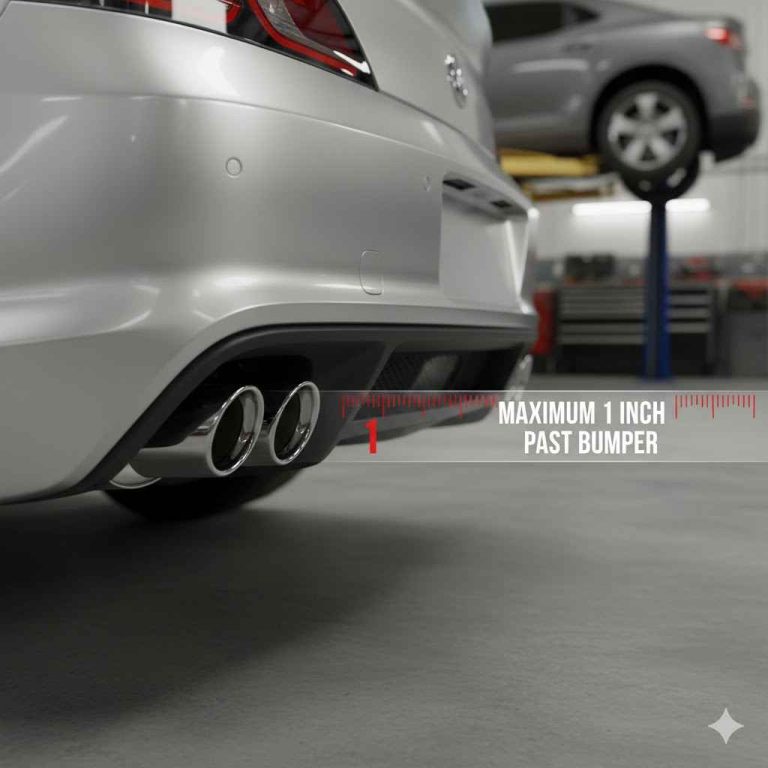
- This angled outlet directs the exhaust fumes down and away from fenders and tailgates.
As an Amazon Associate I earn from qualifying purchases.
Exhaust Tips Basics and Their Role
Exhaust tips are the very end part of your car’s exhaust system. They’re usually seen just under the bumper, and they come in many different shapes, sizes, and materials. Their main purpose is to guide exhaust fumes away from the car, protecting people and the environment. Exhaust tips also play a role in how your car looks. They can give your vehicle a sporty, aggressive, or stylish appearance, depending on the design you choose. However, many wonder if these tips do anything more than just look cool. We will explore those functions in detail.
Materials and Designs of Exhaust Tips
The material and design of an exhaust tip affect both how it looks and how it performs. Common materials include stainless steel, which is rust-resistant, and chrome, which offers a shiny appearance. There’s also carbon fiber, known for its light weight and unique look. The design of the tip matters too. It can be straight-cut, angled, rolled, or even have a double-walled construction. Each design influences the exhaust flow and the overall aesthetic. Selecting the right one is about considering the performance benefits and the style you want.
Stainless Steel Tips: These are popular because they resist rust and last a long time. They’re a practical choice for all weather conditions.
Stainless steel is an alloy of steel with a minimum of 10.5% chromium content. This chromium creates a passive layer of chromium oxide that protects the steel from corrosion. The addition of other elements, such as nickel, molybdenum, and titanium, can further enhance its properties. Stainless steel exhaust tips are a reliable option because they withstand extreme temperatures and environmental conditions. This makes them a great choice for vehicle longevity and appearance.
Chrome Exhaust Tips: Chrome gives a shiny, reflective look. It’s often used for a classic or custom appearance.
Chrome plating involves applying a thin layer of chromium to a base metal, usually steel or brass. This process is done using electrolysis, where the metal is immersed in a solution of chromium salts and an electric current is applied. The chrome layer not only improves the appearance of the metal but also enhances its resistance to corrosion and wear. Chrome exhaust tips are often favored for their aesthetic appeal and ability to resist the elements, though the plating can be more susceptible to scratches than other materials.
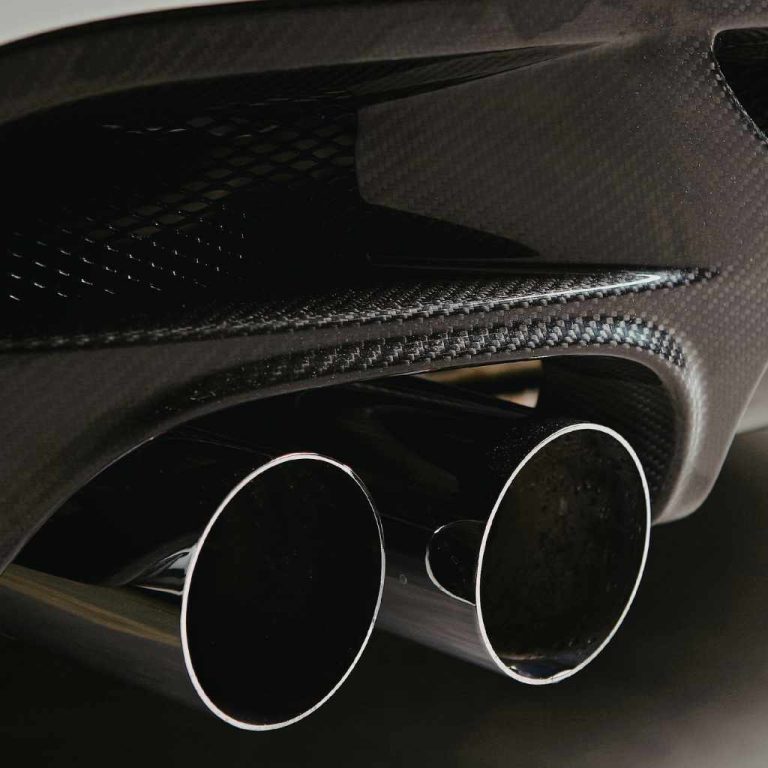
Carbon Fiber Exhaust Tips: Carbon fiber offers a lightweight and high-tech look. It’s often used in sports cars.
Carbon fiber is a polymer that consists of extremely thin fibers of carbon atoms bound together. These fibers are exceptionally strong and lightweight, making them ideal for performance applications. Carbon fiber exhaust tips are known for their sleek, sporty appearance and weight savings compared to traditional materials. The manufacturing process of carbon fiber components involves laying up carbon fiber fabrics and then curing them with resin. Carbon fiber tips can provide a slight performance edge and are less likely to heat up compared to metals.
Angled vs. Straight-Cut Designs: Angled tips can direct exhaust flow, and straight-cut tips provide a cleaner look.
The design of an exhaust tip plays a role in how exhaust gases exit the vehicle. Straight-cut tips offer a simple, clean look, directing the exhaust flow straight out. Angled tips, on the other hand, can direct the exhaust flow to the side, potentially reducing the impact on surrounding surfaces. This can be helpful in preventing soot buildup. The choice between them often comes down to personal preference for appearance and desired exhaust gas distribution.
Rolled vs. Double-Walled Tips: Rolled edges give a finished look, and double-walled tips can reduce heat.
The edges of exhaust tips also vary in their design, with rolled and double-walled constructions providing different benefits. Rolled edges provide a finished, rounded look, which helps to improve the aesthetics of the tip and reduce sharpness. Double-walled tips feature an inner and outer layer, offering improved heat resistance and helping to keep the outer surface cooler. These designs contribute to both the appearance and the operational efficiency of the exhaust system, as they reduce the likelihood of heat damage and improve the visual appeal.

Does an Exhaust Tip Increase Diesel Engine Power?
The immediate answer to this question isn’t a simple yes or no. In most cases, a basic exhaust tip alone doesn’t directly increase power. However, it can affect performance in specific situations. The key is to examine the entire exhaust system, not just the tip. If the current exhaust setup is restrictive, then changing the exhaust tip could free up the system a bit, but it will not add significant power. Let’s explore the science behind it.
Exhaust Flow Dynamics
Exhaust flow dynamics is the way exhaust gases move through the exhaust system. The efficiency of this flow can have a notable impact on engine performance. Several things influence this flow, including the diameter of the exhaust pipes, the bends in the system, and the backpressure. A well-designed exhaust system allows gases to exit quickly, which allows for more efficient combustion in the engine. This increased efficiency can lead to gains in horsepower and torque, and it is a key factor to consider when evaluating whether an exhaust tip can add power.
Backpressure and Engine Performance: Excessive backpressure slows exhaust flow and reduces engine power.
Backpressure is the resistance to the flow of exhaust gases. Too much backpressure can restrict the engine’s ability to expel exhaust, which hurts engine performance. When the exhaust gases cannot escape quickly, they stay in the cylinders longer, making it harder for the engine to draw in fresh air and fuel. This inefficiency reduces the engine’s power output. Systems that reduce backpressure, like larger diameter pipes and less restrictive mufflers, help the engine breathe easier and reach its full potential.
Pipe Diameter and Exhaust Flow: The diameter of exhaust pipes affects how quickly exhaust gases exit.
The diameter of the exhaust pipes impacts how well the exhaust gases move through the system. Larger diameter pipes usually allow for better exhaust flow, because there is less resistance. However, it is not always a simple case of “bigger is better.” If the pipes are too large, the exhaust flow can lose velocity, which can also affect performance. The right diameter depends on the engine type and the desired outcome, with high-performance engines often benefiting from wider pipes. The goal is to balance efficiency and flow rate.
Bends and Restrictions: Sharp bends and obstructions slow down exhaust flow.
Sharp bends or any kind of obstruction in the exhaust system make it harder for exhaust gases to flow freely. Each bend or restriction creates resistance, and it slows down the exhaust flow. The result is increased backpressure. Exhaust systems should have smooth, gradual bends instead of sharp angles to optimize flow. Removing obstructions is helpful to improve exhaust flow. Any design choices that streamline the exhaust system help the engine perform better by improving its ability to breathe.
Impact of Exhaust Tip Design: The exhaust tip’s design impacts exhaust flow, but the impact is minimal.
While the design of the exhaust tip does play a small role in exhaust flow, the overall impact is usually very minor. The tip is the last part of the exhaust system, so it can’t fix any problems earlier in the exhaust pathway. An exhaust tip’s shape can direct the exhaust gases. For example, an angled tip may help direct the exhaust flow away from the bumper. However, the tip has little effect on the core engine performance itself. Other elements, like the diameter of the exhaust pipes and the design of the muffler, play a much bigger role.
The Role of the Exhaust System as a Whole
When considering whether an exhaust tip can add power, it is important to think about the bigger the whole exhaust system. An engine’s performance depends on the exhaust system’s efficiency, and the exhaust tip is just a part of that. Optimizing the exhaust system requires a balanced approach. It can include larger pipes, free-flowing mufflers, and well-designed headers. Just changing the tip will not do much if the rest of the system is restrictive. A comprehensive upgrade to the exhaust system may increase power by allowing the engine to breathe easier, resulting in noticeable improvements in horsepower and torque. In other words, look at the exhaust system.
Here are some of the typical exhaust system components in relation to potential performance boosts.
Headers: Headers are at the beginning of the exhaust system and can greatly affect performance.
Headers, also known as exhaust manifolds, are a crucial element in maximizing exhaust flow. These
Catalytic Converters: Upgrading catalytic converters affects both emissions and performance.
Catalytic converters reduce pollutants in exhaust gases by converting harmful substances into less harmful ones. While catalytic converters are necessary for reducing emissions, they can also restrict exhaust flow. High-performance catalytic converters are designed to reduce emissions while minimizing the restriction to exhaust flow. These converters often feature a larger surface area or a more efficient catalyst material. Upgrading the catalytic converter can help increase engine power by improving exhaust flow and reducing backpressure without compromising emissions control. Keep in mind that changes must meet local and federal regulations.
Mufflers: Mufflers control the sound and influence exhaust flow.
Mufflers reduce engine noise by absorbing and deflecting sound waves, but the internal design of the muffler impacts exhaust flow. A restrictive muffler will hurt performance. Free-flowing mufflers are designed to minimize backpressure. These are often used to increase engine power. They typically feature a straight-through design with minimal obstructions. The choice of muffler involves a trade-off between noise and performance, as the goal is to optimize exhaust flow without increasing noise levels too much. Selecting a muffler to fit the vehicle is key to making sure that the vehicle has the optimal performance.
Exhaust Pipe Diameter: A balanced diameter boosts exhaust flow.
The diameter of the exhaust pipes is very important for engine performance, as it affects the speed and efficiency of exhaust flow. The exhaust pipe diameter affects engine efficiency, and choosing the right size is important for maximizing power. Pipes that are too small will restrict exhaust flow, increasing backpressure and reducing engine performance. Pipes that are too large may cause a drop in exhaust velocity, which can also hurt performance. The ideal diameter depends on the engine’s specifications and the desired performance goals. Many choose the pipes to fit the vehicles they drive.
Diesel Engine Exhaust Tips: Installation and Considerations
If you choose to install an exhaust tip, it’s important to do it right. This section will guide you through the process, along with all safety measures. Proper installation will help ensure the tip looks good and lasts a long time. It also covers the things to keep in mind, like local laws, that will help you select the best choice for your diesel engine. Remember, while an exhaust tip might not provide a big power boost by itself, it is part of your car’s visual appearance.
Step-by-Step Exhaust Tip Installation
Installing an exhaust tip is usually a simple task that you can handle yourself. Here are the steps involved. Always follow safety practices.
Gather Your Supplies: Collect the exhaust tip, necessary tools, and any clamps or hardware needed.
Before you begin, make sure you have everything you need. This includes the exhaust tip, which you should select based on its style, material, and size to ensure it fits your vehicle’s exhaust pipe. Gather the tools: a wrench or socket set, a measuring tape, and safety glasses. Also, have some penetrating oil to help remove the existing tip if needed, and new clamps or hardware to secure the new exhaust tip. You’ll want to review any instructions that came with the exhaust tip.
Prepare the Vehicle: Ensure the vehicle is cool and secure, with the parking brake engaged.
Before working under your car, take steps to ensure your safety. Make sure the engine is turned off and has cooled completely to prevent burns. Engage the parking brake to prevent the vehicle from rolling. If you’re lifting the car, use jack stands. Do not rely solely on a jack. Wear safety glasses to protect your eyes. Work in a well-ventilated area to avoid inhaling exhaust fumes, and it is also good to wear gloves. These simple actions make the installation safer.
Remove the Old Exhaust Tip (if applicable): Loosen and remove any clamps or bolts holding the existing tip in place.
If your vehicle already has an exhaust tip, you’ll need to remove it. Use a wrench or socket to loosen the clamp that secures the tip to the exhaust pipe. You may need penetrating oil to loosen stubborn bolts or clamps, particularly if they are corroded. Once the clamp is loose, carefully twist and pull the old tip off the exhaust pipe. Be careful not to damage the exhaust pipe, and set the old tip aside. Ensure that the exhaust pipe is clean of any debris.
Install the New Exhaust Tip: Slide the new tip onto the exhaust pipe and secure it.
Once you’ve removed the old tip, slide the new exhaust tip onto the exhaust pipe. Make sure the tip is aligned to your preference. Use the clamp and hardware to secure the tip to the exhaust pipe. Tighten the clamp with a wrench or socket, being careful not to overtighten and damage the exhaust pipe. Ensure the tip is firmly in place and does not move. Check the fit and appearance of the exhaust tip to make sure that it meets your expectations. This is the last step in fitting your new exhaust tip.
Final Checks: Inspect the installation and start the engine to check for leaks.
After installing the new exhaust tip, it’s important to perform some final checks. Inspect the tip to make sure it is securely attached and properly aligned. Check all clamps and bolts to ensure they are tightened. Start the engine and listen for any exhaust leaks. Look for any visible exhaust escaping around the tip or the clamp. If you detect any leaks, turn off the engine and tighten the clamp or correct the installation. Make sure the exhaust tip doesn’t come into contact with any other parts of the vehicle.
Safety Precautions During Installation
Working on your car, especially the exhaust system, can be dangerous. It is important to know the potential hazards. Following these guidelines will keep you safe during the whole process.
Wear Protective Gear: Always wear safety glasses, gloves, and appropriate clothing.
When working on your car, especially under the vehicle or around the exhaust system, safety should be a top priority. Wear safety glasses to protect your eyes from debris, such as rust or dirt that may fall during the installation. Wear gloves to protect your hands from sharp edges, heat, and any chemicals. Wear closed-toe shoes and clothes that won’t get caught in moving parts. These protective measures help to protect you during the installation.
Work in a Well-Ventilated Area: Avoid inhaling exhaust fumes.
Exhaust fumes contain harmful gases like carbon monoxide, which can be dangerous if inhaled. Always work in a well-ventilated area, and never run the engine in an enclosed space. If you are working in a garage, make sure the doors and windows are open to allow for air circulation. If you start the engine, watch for any signs of exhaust leaks. Being sure to work in a well-ventilated area will protect your health.
Use Jack Stands Properly: Never work under a vehicle supported only by a jack.
When lifting your vehicle to install an exhaust tip, it is very important to use jack stands. A jack is only for lifting the vehicle, and it is not a safe way to support it while you work. Place jack stands under the frame of the vehicle to provide stable support. Always make sure the jack stands are on a stable, level surface. The jack stands prevent the vehicle from falling, and they are essential for your safety when working underneath it. You must always use jack stands.
Allow the Exhaust System to Cool: Avoid touching hot exhaust components.
The exhaust system can become extremely hot when the engine is running. Before starting any work on the exhaust system, let the vehicle cool down completely. This can take some time, especially if the engine has been running recently. Allow enough time for the exhaust pipes, muffler, and catalytic converter to cool down to avoid burns. Touching hot exhaust parts can cause serious burns. Make sure the exhaust system is cool to the touch before you begin the installation.
Legal and Environmental Considerations
While adding an exhaust tip is usually safe, it’s important to consider any local laws and environmental regulations. These rules ensure that your vehicle meets certain standards. It’s helpful to be informed about these rules to make sure you are compliant.
Emissions Regulations: Ensure compliance with local emission standards.
Many areas have strict rules about the exhaust emissions from vehicles. These rules are in place to help cut down on air pollution. Before installing any modifications to your exhaust system, make sure the changes meet all local emission standards. You can check the regulations in your area. This includes things like catalytic converter requirements. Be aware of the rules to avoid any fines or problems.
Noise Restrictions: Check for any noise level limits in your area.
Some areas have rules about how loud vehicles can be, and this can affect the modifications you can make to your exhaust system. Check your local laws to see if there are any limits on exhaust noise levels. Adding a larger exhaust tip or modifying the muffler can change the sound your car makes. Some modifications may cause your exhaust to be too loud. Be mindful of these laws to make sure you do not cause unnecessary noise pollution.
Material Regulations: Be aware of any rules regarding exhaust tip materials.
While it is rare, some locations may have rules about what materials can be used for exhaust tips. These regulations are designed to keep the environment safe. Some materials may not be allowed because of environmental concerns. You should research the regulations to make sure the exhaust tip material is allowed in your area. Be sure to select materials that are both legal and durable. It’s important to make informed decisions.
| Aspect | Details |
|---|---|
| Emissions Regulations | Check local rules on emissions standards; be compliant. |
| Noise Restrictions | Consider any noise level limits in your area. |
| Material Regulations | Know the laws for what your exhaust tip is made of. |

Frequently Asked Questions
Question: Does a new exhaust tip give my diesel engine more power?
Answer: A new exhaust tip alone usually doesn’t boost power. However, it can change the exhaust flow. To increase power, consider modifying the complete exhaust system.
Question: Are there any safety measures I need to follow when installing an exhaust tip?
Answer: Yes, always use safety glasses and gloves, and make sure the engine is cool. Also, use jack stands if you’re working under the car, and work in a well-ventilated area.
Question: What materials are exhaust tips usually made from?
Answer: Common materials include stainless steel, chrome, and carbon fiber. Each has its own benefits and look.
Question: How do I choose the right size exhaust tip for my car?
Answer: Measure the diameter of your existing exhaust pipe and get an exhaust tip that matches. Make sure the tip fits properly without altering the exhaust system’s efficiency.
Question: Do I need to worry about any laws or regulations when adding an exhaust tip?
Answer: You may need to consider local rules on emissions, noise, and the materials used for the tip.
Final Thoughts
So, Do Exhaust Tips Add Power to Diesel Engines? Not directly, in most cases. Exhaust tips mainly change how your car looks. They do little to improve horsepower or torque on their own. The real gains in performance come from looking at the bigger the whole exhaust system. It’s smart to focus on improving exhaust flow through the entire system to get more power. Upgrading things like headers, catalytic converters, and mufflers is often needed. However, if you are looking for a cool appearance and a small improvement in exhaust flow, an exhaust tip can be helpful. Always install the tip safely and comply with local regulations. With this knowledge, you are ready to make a choice that fits both your vehicle and your goals. Now, have fun and enjoy the road!
Related pick: Check today's price on Amazon