What Causes Carbon Buildup On Exhaust Tip: Essential Facts
Carbon buildup on your exhaust tip is usually caused by incomplete fuel combustion, leading to soot. This can stem from issues like a rich fuel mixture, engine problems, or driving habits. Regular maintenance and addressing underlying issues prevent excessive buildup.

BÖRFH
BORFH Diesel Particulate Filter Cleaner Spray DPF…
- DISSOLVES CARBON & ASH DEPOSITS: Professional-grade diesel particulate filter (DPF) cleaner breaks down stubborn carbon and ash bu…
- NO FILTER REMOVAL REQUIRED: Connect the included hose to the pressure or temperature sensor port and spray directly into the filte…
- RESTORES FILTER PERFORMANCE: Clears clogged filters that cause power loss, warning lights, and fault codes, helping restore full e…
As an Amazon Associate I earn from qualifying purchases.
Hey there, fellow car enthusiasts and everyday drivers! Ever noticed that black, sooty stuff clinging to your car’s exhaust tip and wondered what’s going on? It’s a common sight, especially on older vehicles or if you do a lot of short trips. Don’t worry, it’s not usually a sign of a major disaster, but understanding what causes it can help you keep your car running smoothly and looking its best.
Think of your exhaust tip as a little window into what’s happening inside your engine. That black residue, often called carbon buildup or soot, tells a story about how your fuel is burning. Sometimes, it’s just a normal part of the process, but too much can point to something that needs a little attention.
In this guide, we’re going to break down exactly why this carbon buildup happens. We’ll cover the common culprits in simple terms, explain why it matters, and give you practical tips to manage it. By the end, you’ll feel much more confident about understanding and taking care of your car’s exhaust system. Let’s get started and demystify that sooty exhaust tip!
What is Carbon Buildup on an Exhaust Tip?
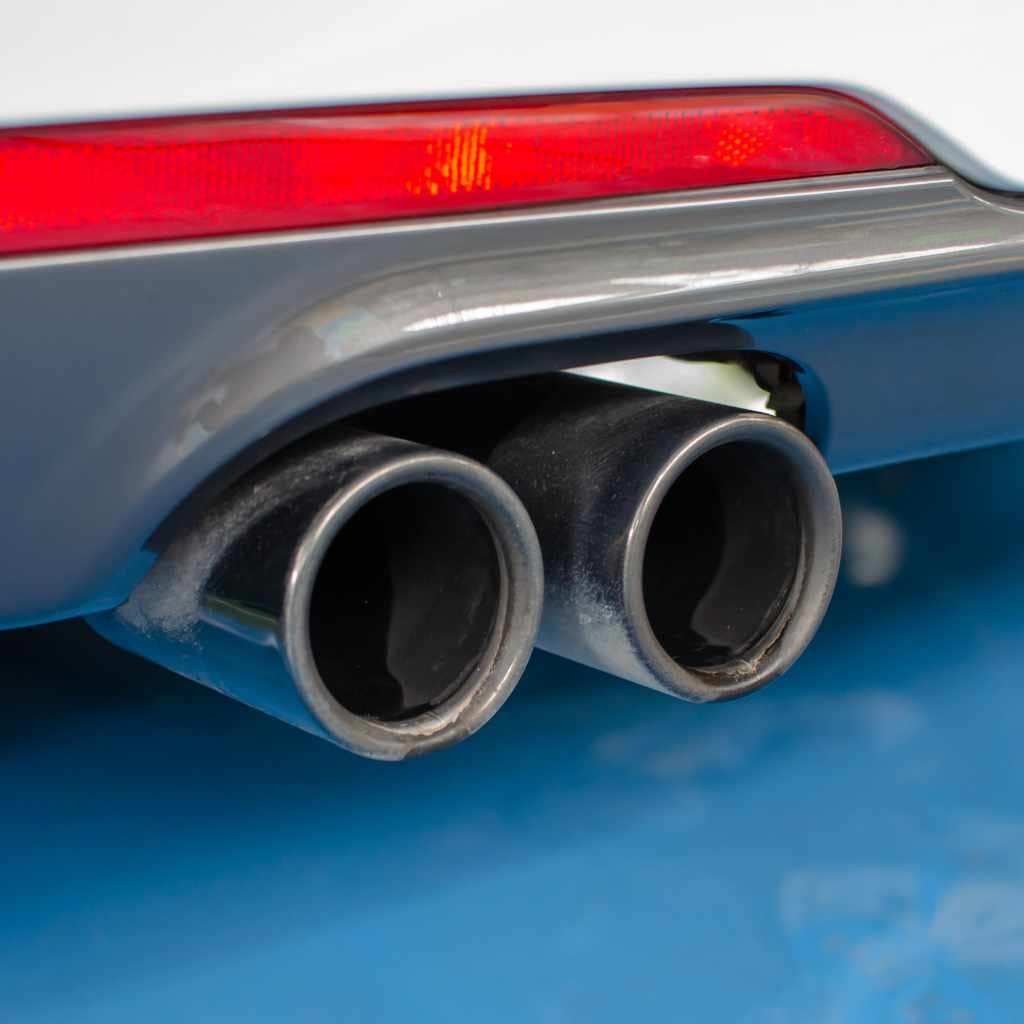
When we talk about carbon buildup on your exhaust tip, we’re primarily talking about soot. Soot is essentially unburned or partially burned fuel particles that escape the combustion process in your engine. These tiny black particles are carried out with the exhaust gases and, over time, can accumulate on the inner walls and the very end of your exhaust pipe, your exhaust tip.
Visually, it often looks like a black, dry, powdery substance. It can range from a light dusting to a thick, caked-on layer. While a small amount is normal, excessive buildup can be a sign that your engine isn’t running as efficiently as it could be, impacting performance and potentially even emissions.
The Science Behind the Soot: Why It Happens
The main reason for carbon buildup is incomplete combustion. Your engine is designed to burn fuel and air in a precise ratio to create power. When this ratio is off, or when other engine conditions aren’t ideal, the fuel doesn’t burn completely. This leaves behind carbon particles that form soot.
Several factors can contribute to this incomplete combustion. Let’s dive into the most common causes:
1. Rich Fuel Mixture
This is probably the most frequent cause of excessive carbon buildup. A “rich” fuel mixture means there’s too much fuel compared to air going into the engine’s cylinders for combustion. Think of it like trying to burn a log that’s too wet – it smolders and produces smoke (soot) instead of burning cleanly and efficiently.
Why does a rich mixture happen?
- Faulty Fuel Injectors: Injectors are responsible for spraying fuel into the engine. If one is dirty, clogged, or leaking, it can spray too much fuel.
- Malfunctioning Oxygen Sensor: Oxygen sensors (or O2 sensors) tell the engine control unit (ECU) how much oxygen is in the exhaust. This helps the ECU adjust the fuel mixture. If the sensor is bad, it might tell the ECU to add more fuel than needed. You can find more information about how O2 sensors work on sites like Energy.gov’s explanation of vehicle emissions control.
- Problems with the Mass Airflow (MAF) Sensor: The MAF sensor measures the amount of air entering the engine. If it’s dirty or faulty, it can send incorrect readings, leading the ECU to calculate the wrong fuel amount.
- Leaky Fuel Pressure Regulator: This part controls the gasoline pressure going to the fuel injectors. If it malfunctions, it can allow too much fuel to enter the system.
- Clogged Air Filter: A dirty air filter restricts airflow. This effectively makes the fuel mixture richer because there’s less air to mix with the available fuel.
2. Short Driving Trips and Low Engine Temperatures
Modern engines are designed to run most efficiently when they reach their normal operating temperature. When you only drive short distances, especially in colder weather, your engine might not get hot enough to burn off all the fuel completely.
During a cold start, the engine management system often injects a richer fuel mixture to help the engine start smoothly and warm up faster. If the engine isn’t allowed to reach its full operating temperature, this richer mixture, combined with less efficient combustion at lower temperatures, can lead to more soot accumulating. This is why you might see more buildup if you primarily use your car for quick errands around town.
3. Engine Oil Burning (Less Common for Soot, More for Blue Smoke)
While we’re mainly focused on black soot from fuel, it’s worth mentioning that if your engine is burning oil, you’ll often see blue smoke. However, sometimes a small amount of oil can contribute to deposits. If there are worn piston rings, valve seals, or gaskets, oil can leak into the combustion chamber and burn along with the fuel. This can create different types of deposits, but severely damaged seals could theoretically contribute to more complex residue if fuel combustion is also inefficient.
4. Spark Plug Issues
Spark plugs are crucial for igniting the fuel-air mixture. If your spark plugs are worn, fouled, or not firing correctly, the combustion process can be less effective. This means fuel might not be burned completely, leading to more soot being produced and ending up in your exhaust.
- Worn Spark Plugs: Over time, the electrodes on spark plugs can wear down, leading to a weaker spark.
- Fouled Spark Plugs: Deposits (like oil or carbon) can build up on the spark plug, preventing a good spark from jumping the gap.
- Incorrect Spark Plug Gap: If the gap between the spark plug electrodes is too wide or too narrow, it can affect the spark’s strength and the effectiveness of combustion.
5. Exhaust Gas Recirculation (EGR) System Problems
The EGR system recirculates a small amount of exhaust gas back into the engine’s cylinders. This helps lower combustion temperatures, which reduces the formation of nitrogen oxides (NOx) – a pollutant.
If the EGR valve gets stuck open, it can allow too much exhaust gas into the engine, which can disrupt the combustion process and potentially lead to more unburned fuel and soot. If it gets stuck closed, it won’t perform its function of reducing NOx, but it’s less likely to directly cause soot buildup compared to other issues.
6. Catalytic Converter Issues
The catalytic converter in your exhaust system is designed to convert harmful pollutants into less harmful ones. If it’s starting to fail or is clogged, it can affect the overall exhaust flow and backpressure in your engine. This can indirectly lead to inefficiencies in combustion. A failing catalytic converter might not be able to do its job effectively, meaning more incompletely burned fuel could pass through. For more on catalytic converters and their function, check out the U.S. Environmental Protection Agency’s (EPA) resources on emissions control systems.
7. Specific Fuel Types and Additives
Some fuels, especially certain diesel fuels or fuels with higher sulfur content, can naturally produce more soot. Additionally, using certain fuel additives that haven’t been thoroughly tested or that aren’t compatible with your vehicle could potentially contribute to deposit buildup. It’s always best to stick with the fuel type recommended by your car manufacturer and use reputable fuel system cleaners.
Why Should You Care About Carbon Buildup?
While that black residue might seem like just a cosmetic issue, excessive carbon buildup can actually impact your vehicle’s health in a few ways:
- Reduced Fuel Efficiency: When your engine isn’t burning fuel efficiently, you’re essentially wasting gas. This means you’ll be filling up your tank more often, costing you more money.
- Decreased Performance: Incomplete combustion and potential backpressure from heavy deposits can reduce your engine’s power output. Your car might feel sluggish or less responsive.
- Increased Emissions: Soot is a particulate emission. More soot means your car is releasing more of these particles into the atmosphere, which is bad for air quality and can cause your vehicle to fail emissions tests.
- Potential for Engine Damage (in extreme cases): While rare for tip buildup alone, severe carbon deposits within the engine itself can lead to knocking, pinging sounds, and in the long run, could contribute to engine wear or damage if the underlying problem is severe and unaddressed.
- Aesthetic Concerns: For many car owners, a clean exhaust tip looks much better than a heavily sooted one. It reflects a well-maintained vehicle.
Differentiating Soot from Other Exhaust Tip Residues
It’s important to note that not all residue on your exhaust tip is necessarily dry, black soot from incomplete fuel combustion. Here’s a quick comparison:
| Type of Residue | Color | Texture | Likely Cause | Action |
|---|---|---|---|---|
| Soot (Incomplete Combustion) | Black, dark grey | Dry, powdery, can be caked on | Rich fuel mixture, short trips, engine issues | Address engine/fuel system issues, regular driving, cleaning |
| Oil Deposits | Black, greasy, sometimes with blueish tint | Greasy, sticky, oily | Engine burning oil (worn seals, rings) | Requires engine repair (e.g., valve seals, piston rings) |
| Water/Condensation Residue | Light grey to whitish, sometimes rusty bits | Damp, chalky, rust flecks if steel parts are involved | Normal condensation, especially on cold starts, can mix with road grime. | Usually harmless, cleans off easily. Monitor if persistent and discolored. |
| Fuel Additive/Fuel Burn Residue | Varies (can be dark grey, brown, or black) | Can be sticky or powdery | Certain fuel types or additives, or incomplete burn of these. | Use recommended fuel/additives, clean tip. |
By understanding the difference, you can better diagnose potential issues. If you’re seeing a greasy, oily residue, it’s a more serious internal engine problem than just sooty exhaust tips.
What You Can Do: Managing Carbon Buildup
The good news is that you can often manage and prevent excessive carbon buildup. It often involves a combination of good driving habits and regular maintenance.
1. Drive Your Car for Longer Distances Regularly
As mentioned, short trips don’t allow the engine to reach its optimal operating temperature. Try to incorporate longer drives (at least 20-30 minutes at highway speeds) into your routine once a week or so. This helps burn off accumulated deposits and keeps the exhaust system hotter, allowing for more efficient combustion and cleaning.
2. Regular Maintenance is Key
Sticking to your car’s recommended maintenance schedule is crucial. This includes:
- Changing the Air Filter: A clean air filter ensures your engine gets enough air for proper combustion. Check and replace it according to your owner’s manual, or more often if you drive in dusty conditions.
- Replacing Spark Plugs: Worn or fouled spark plugs can lead to misfires and incomplete combustion. Have them inspected and replaced as recommended.
- Fuel System Cleaning: Using a quality fuel injector cleaner periodically can help keep your injectors free of deposits, ensuring they spray fuel correctly. Some mechanics recommend this every oil change or slightly more often.
- Regular Oil Changes: Clean oil ensures all engine components are lubricated properly. Dirty oil can lead to internal wear that might eventually cause oil consumption.
3. Use Quality Fuel
Opt for reputable brands of gasoline. Top-tier fuels often contain detergents that help keep your fuel system and engine clean. If your car manufacturer recommends a specific octane rating, stick to it.
4. Clean Your Exhaust Tips
While this doesn’t fix the underlying cause, cleaning your exhaust tips regularly can help maintain your car’s appearance. You can use:
- Mild soap and water: For light dust and grime.
- Automotive degreaser: For tougher, oily residues.
- Chrome polish: If your tips are chrome, polish will restore shine and can help remove some stubborn soot.
- Clay bar: For very stubborn tar or tar-like deposits once the tip is clean.
Always ensure the exhaust tip is cool before cleaning. For stainless steel or chrome tips, you can use products like a clay bar after washing to remove any embedded contaminants. For highly polished stainless steel, a dedicated stainless steel cleaner and polish can work wonders.
5. Consider Professional Diagnosis
If you’re experiencing significant carbon buildup along with other symptoms like poor acceleration, stalling, check engine lights, or unusual noises, it’s time to visit a trusted mechanic. They have the tools and expertise to diagnose issues with fuel injectors, sensors (like O2 or MAF), spark plugs, or other engine components that might be causing the problem.
For instance, a mechanic can perform a diagnostic scan to read trouble codes and check live data from engine sensors. This advanced troubleshooting is key to identifying the root cause of a rich fuel mixture or other combustion problems. Sites like AutoZone’s Repair Guides, while requiring caution for DIY application, can offer insights into common diagnostic procedures for various car models.
When to Get Professional Help
While some carbon buildup is normal and manageable with good habits, there are times when you should book an appointment with your mechanic. If you notice any of the following, it’s a good idea to seek professional advice:
- Check Engine Light is On: Modern cars have sophisticated onboard diagnostics. A check engine light usually indicates a problem that needs attention.
- Significant Drop in Fuel Economy: If you’re suddenly using much more fuel than usual, it points to an inefficiency that needs to be investigated.
- Noticeable Loss of Power or Sluggishness: Your car feeling less powerful than it used to can be a symptom of numerous engine issues, including those causing poor combustion.
- Rough Idling or Misfires: If your engine is shaking or sputtering when stopped, or if you hear the engine sputtering while driving, it suggests combustion problems.
- Unusual Smells from the Exhaust: While soot is black, other smells could indicate different issues. A strong gasoline smell might point to a fuel leak or a very rich mixture. Rotten egg smells often indicate a failing catalytic converter.
- Visible Smoke (other than light condensation): If you see persistent blue (oil), white (coolant), or thick black smoke from your exhaust, investigate immediately.
- You’ve Tried Basic Maintenance and the Problem Persists: If you’ve replaced air filters, used fuel cleaners, and the carbon buildup (or associated symptoms) continues to be an issue, it’s time for a deeper dive by a professional.
A qualified technician can perform tests to accurately diagnose the cause, whether it’s a faulty sensor, a clogged fuel injector, or an issue with engine timing. Early detection and repair often save you money in the long run by preventing more extensive damage.
Frequently Asked Questions (FAQ)
Q1: Is a little bit of black stuff on my exhaust tip bad?
A: No, a small amount of black, sooty residue on your exhaust tip is generally normal. It’s a natural byproduct of fuel combustion. However, significant, heavy buildup can indicate an issue.
Conclusion
Seeing carbon buildup on your exhaust tip is a common automotive phenomenon, and understanding its causes is the first step to addressing it. Most often, it’s a visual cue of incomplete fuel combustion, frequently driven by a rich fuel mixture, short driving trips, or the need for routine engine maintenance like air filter and spark plug replacements. While a light dusting is generally normal, excessive soot can signal inefficiencies that impact your car’s performance and fuel economy.
By adopting good driving habits, like incorporating longer drives, and staying on top of your vehicle’s maintenance schedule – from oil changes to checking filters – you can significantly minimize this buildup. Regularly cleaning your exhaust tips will also help keep your car looking its best. If you suspect a more serious underlying issue or notice accompanying symptoms, don’t hesitate to consult a trusted mechanic for a professional diagnosis. Empowering yourself with this knowledge ensures your car runs smoothly, efficiently, and reliably, keeping you confident on the road for years to come.
Related pick: Check today's price on Amazon