How Deep Are GMC Sierra Exhaust Tips? A Simple Guide
Figuring out How Deep Are GMC Sierra Exhaust Tips? can be tricky when you’re just starting out. It’s something many people wonder about, especially when they are looking to upgrade their truck’s look. Don’t worry, it’s not as hard as it might seem. This post breaks down everything in easy steps. We’ll explore the different measurements and factors that affect it. Get ready to find your answers.

Redants
Performance Exhaust Muffler Delete Bypass Kit, 2.75"…
- Compatible Vehicle Models: 2.75" OD chevrolet silverado 1500 Muffler Delete Kit compatible with 2019-2024 Chevrolet Silverado 1500…
- Excellent Performance: GMC Sierra 1500 Muffler Delete Kit adopts High-quality galvanized steel material, which can effectively red…
- Deep Aggressive Exhaust Sound:Chevrolet Silverado 1500 Muffler Delete Kit can bring a magnetic and low pitched sound to your car,…
As an Amazon Associate I earn from qualifying purchases.
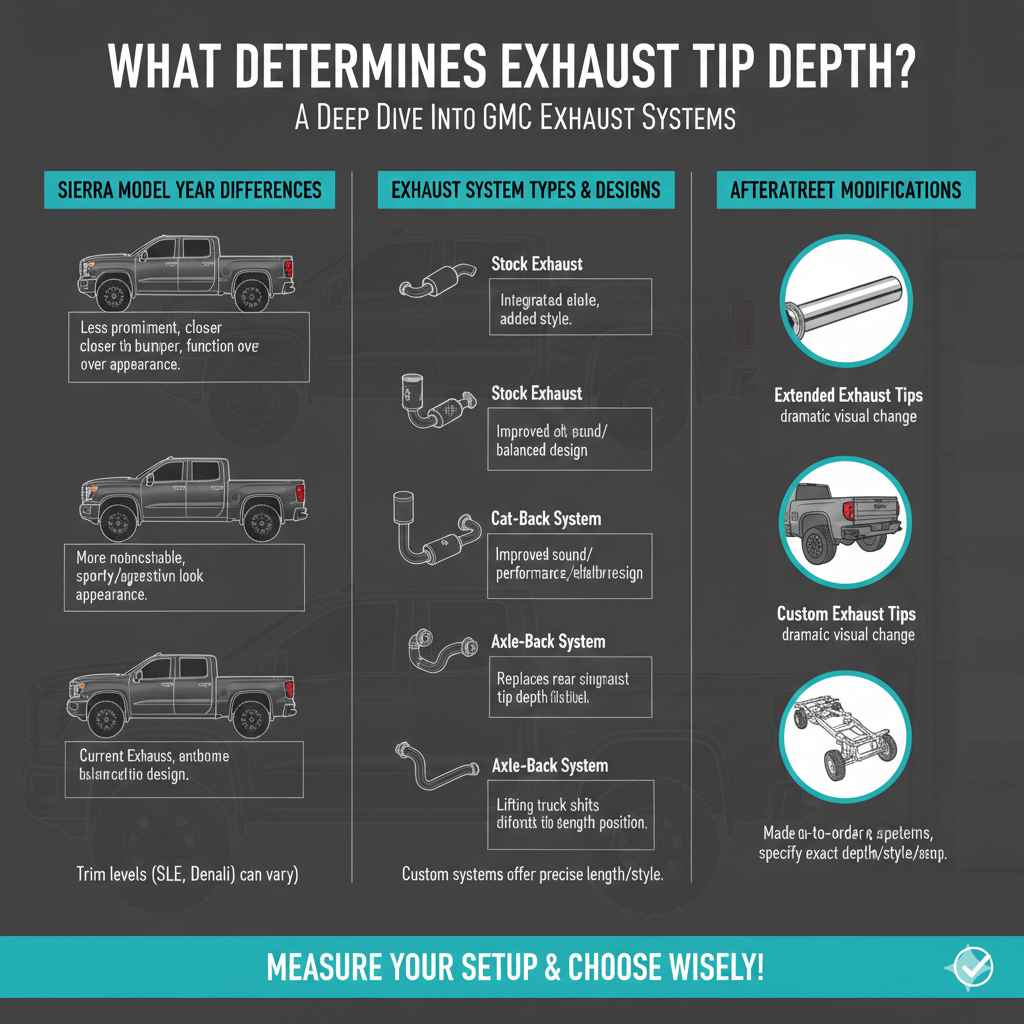
What Determines Exhaust Tip Depth?
The depth of a GMC Sierra exhaust tip isn’t a fixed number. Several things impact how far the tip extends from the bumper. These include the specific model year of the Sierra, any aftermarket modifications, and the design of the exhaust system itself. For example, a heavy-duty Sierra might have different exhaust tip placement than a standard model. Knowing these factors is the first step in getting the information you need. Understanding the nuances will help you make a good decision.
Sierra Model Year Differences
The model year of your GMC Sierra plays a huge role in exhaust tip depth. Truck designers regularly change the exhaust systems. This is due to things like new engine designs, stricter emission regulations, and evolving aesthetics. Trucks from different eras often have varying bumper designs and exhaust configurations. Knowing the year is essential. This helps to narrow down the possible ranges for your specific truck. Older models might have tips that sit more flush, while newer ones could extend further.
- Early Model Sierras: These trucks often have exhaust tips that are less prominent, fitting closely to the bumper. The design focus was usually on function over flashy appearance.
- Mid-Generation Sierras: These models might show a shift toward more noticeable exhaust tips. This era of design could add a touch of style while retaining a practical feel.
- Current Sierras: Modern Sierras can have exhaust tips that are more integrated. This offers a sporty or aggressive look. Designers are paying close attention to both form and function.
It’s also important to realize that even within a model year, there might be variations. Trim levels, like the SLE or Denali, can have unique exhaust setups that affect depth. Always check the specific specifications for your truck. This will help you find the precise measurements.
Exhaust System Types and Designs
The type and design of your Sierra’s exhaust system greatly determine how deep the exhaust tips are. Stock exhaust systems, designed by GMC, have specific lengths and placements. Aftermarket systems offer diverse designs, often prioritizing performance or aesthetics. The presence of mufflers, catalytic converters, and the overall pipe routing influences tip depth. These systems are crafted to improve engine output. They can influence where the tips are positioned. Custom exhaust systems are frequently made to order. These allow you to select the exact depth and style you prefer.
- Stock Exhaust Systems: These are designed to meet factory standards, often aiming for a balance of performance, noise, and appearance.
- Cat-Back Systems: Cat-back systems begin after the catalytic converter, offering improvements in sound and performance. They provide some flexibility in tip placement.
- Axle-Back Systems: These systems replace only the portion of the exhaust from the rear axle back, which directly influences the exhaust tip depth.
When selecting a new exhaust system, consider the look you want to achieve. Also, think about how it matches your truck’s overall design. Some systems are designed to sit flush with the bumper. Others extend outwards for a more aggressive appearance.
Aftermarket Modifications and Their Effect
Aftermarket modifications have a major impact on exhaust tip depth. Adding custom exhaust components, like extended tips or different mufflers, will change how far the tips stick out. If you’ve lifted your truck or altered the suspension, it can shift the position of the exhaust system. If you change any part of the exhaust system, the depth will be changed. This means it is very important to carefully assess your options. Doing so will help make certain that the modifications complement your truck’s appearance and function.
- Extended Exhaust Tips: These are designed to protrude further from the bumper. They can dramatically change the look of your truck.
- Custom Exhaust Systems: These are usually made to order. They provide great flexibility. You can specify the exact length and position of the exhaust tips.
- Suspension Modifications: Lifting your truck or making other suspension changes can shift the exhaust system. This can affect the tip depth.
Before making any modifications, it’s wise to measure your current exhaust tip depth. This will help you compare options. Make certain the aftermarket parts fit your truck model and won’t interfere with other components.
Measuring GMC Sierra Exhaust Tip Depth
Accurately measuring the exhaust tip depth will help you understand your truck’s current setup. It will also help you when thinking about changes. Here’s a simple, step-by-step guide. It will explain how to take these measurements correctly. Precise measurements are key. This gives you exact data for future comparisons.
Tools Needed for Measurement
You don’t need fancy tools. These simple items will allow you to precisely measure your Sierra’s exhaust tip depth. A tape measure is necessary. Also, a level is often used to ensure measurements are accurate. Keeping things simple ensures that anyone can measure their truck. This means the process is straightforward, and the results are reliable. It is important to have these handy.
- Tape Measure: A standard tape measure with inches and centimeters is vital. It allows you to take precise length measurements.
- Level (Optional): A level helps make certain your measurements are accurate. Especially if the exhaust tip isn’t perfectly aligned with the bumper.
- Pen and Paper: To record your findings, take notes. This is very useful for comparing results or documenting before and after modifications.
Make sure you have all the tools before starting. This preparation will make the measuring process smooth. Consider using a flashlight, especially if the exhaust tip area is dimly lit. This provides better visibility.
Step-by-Step Measuring Guide
Following this guide, you can measure your Sierra’s exhaust tip depth accurately. Doing this will let you evaluate the position of your current exhaust tips. You can also compare them to aftermarket alternatives. This guide makes certain that anyone can take reliable measurements. It does not matter what your skill level is. The directions are clear and easy to follow. Remember to note any variations between your exhaust tips.
- Prepare the Vehicle: Park your GMC Sierra on a flat, level surface. Ensure the engine is cool. Working near a hot exhaust system can lead to injury.
- Locate the Exhaust Tip: Find the exhaust tip. It’s the end of the exhaust pipe that sticks out from the bumper. Note how it is positioned.
- Measure the Depth: Hold your tape measure horizontally. Place the end of the tape measure at the point where the exhaust tip meets the bumper. Extend the tape measure straight outward. Measure to the furthest point of the exhaust tip.
- Record the Measurement: Write down your measurement in inches or centimeters. Note whether the measurement is for the left or right exhaust tip.
- Repeat for Other Tips: If your Sierra has dual exhaust tips, repeat the process. This will ensure consistency.
If you’re unsure about any step, take a picture of your setup before you start. This visual aid can help you keep track of things. You can always get help from a friend or professional if needed.
Common Measurement Challenges
Taking accurate measurements can present some difficulties. Common issues include the truck not being parked on a level surface. Also, trying to measure in difficult to reach locations. Keeping these challenges in mind makes the measuring process easier. Overcoming these hurdles ensures that your measurements are accurate. This knowledge helps when it comes to any future customization of your truck. Knowing what to watch out for leads to better results.
- Uneven Surfaces: Parking on a slope can skew measurements. Always park on a flat area to get accurate readings.
- Obstructed Access: Getting to the exhaust tips might be difficult. You might need to kneel or work in a tight space. Be cautious and take your time.
- Variations in Tip Design: Different tip shapes can change how you measure. Be sure to measure from the same reference point on each tip.
If you have any uncertainty about a measurement, take it again. Double-check your results for consistency. It’s always helpful to have a second person help. They can confirm the readings.
Variations in Tip Depth by Trim and Model
GMC Sierras come in many trim levels and models. Each can have unique exhaust setups that affect tip depth. This includes the SLE, SLT, AT4, and Denali. Understanding these differences will help you understand what to expect. It will also help you when modifying your truck. There is a wide range of exhaust systems. This lets owners personalize their trucks.
Base Model vs. High-End Trim Differences
Base model Sierras often feature standard exhaust systems. This offers a practical design. Higher-end trims like the Denali have distinct features. These might include upgraded exhaust tips. This makes them more noticeable. These distinctions show how GMC designs its trucks. They also show how it changes the look of the vehicle based on the model. Considering these differences is key for anyone. Doing this helps in selecting and customizing an exhaust system. It also ensures the look you want.
- Base Model Exhaust: Typically, these models have simpler exhaust tip designs. They are practical, but may not have the styling of more expensive trims.
- SLE and SLT Trim: These trims add features and often include enhanced styling. They might offer slightly more prominent exhaust tips.
- AT4 Models: These models have an off-road focus. The exhaust systems are engineered to endure tougher conditions. The tips might have unique designs.
- Denali Exhaust: Denali models showcase luxury. They often have stylish exhaust tips. These tips can be chromed, larger, or feature unique designs to boost the truck’s overall appeal.
The differences are subtle. However, these small changes have a big impact on the overall look of the truck. Paying attention to these differences helps when choosing and personalizing your exhaust.
Impact of Engine Choices on Exhaust Tip
The engine that your GMC Sierra has impacts the exhaust system design. This includes the exhaust tip. Engines like the V6, V8, and Duramax diesel may have different exhaust layouts. This means that the tip depth will be different. The engineering decisions that go into an engine’s design and its exhaust system affect appearance. Choosing the right engine influences both the performance and look of your truck. This influences the exhaust tip’s position and style.
- Gasoline Engines: Gasoline engines, like the 5.3L and 6.2L V8s, often have exhaust systems designed for optimal flow and sound. They may have specific tip designs.
- Diesel Engines: Diesel engines like the Duramax often have larger exhaust systems to handle the exhaust. They often have robust exhaust tips, and specific placements.
- Engine Performance and Tip Design: High-performance engines might have exhaust systems designed for improved flow and performance. The tips may be more noticeable.
When you’re choosing or customizing your exhaust, think about your engine. Also think about the driving experience that you want. Doing this will let you to fine-tune your truck’s exhaust to achieve the look and sound you like.
Comparing Exhaust Tip Depths Across Models
Comparing exhaust tip depths across different Sierra models shows the wide range of designs. This comparison will help you see the contrasts. It will also show you the impact of trim levels and engine choices on exhaust appearance. This information will help you when selecting an exhaust system. The details will help you make a decision that matches your preferences. It also helps you understand what is typical for your truck.
| Model | Engine Type | Approximate Tip Depth (Inches) | Notes |
|---|---|---|---|
| Sierra 1500 (Base) | 5.3L V8 | 2-3 | Standard design, may sit relatively flush. |
| Sierra 1500 SLT | 5.3L V8 | 2.5-3.5 | Slightly more prominent design, chrome tips. |
| Sierra 1500 AT4 | 6.2L V8 | 3-4 | Often has a more aggressive look. |
| Sierra 1500 Denali | 6.2L V8 | 3.5-5 | Luxury design, chrome or unique tips. |
| Sierra 2500HD (Diesel) | Duramax Diesel | 4-6 | Typically has larger diameter tips. |
These numbers are general estimates. Always measure your specific vehicle. Doing this makes sure you get the most accurate results. This detailed comparison provides useful information. It will help owners in making informed decisions about their truck’s exhaust systems.
Choosing the Right Exhaust Tip Depth
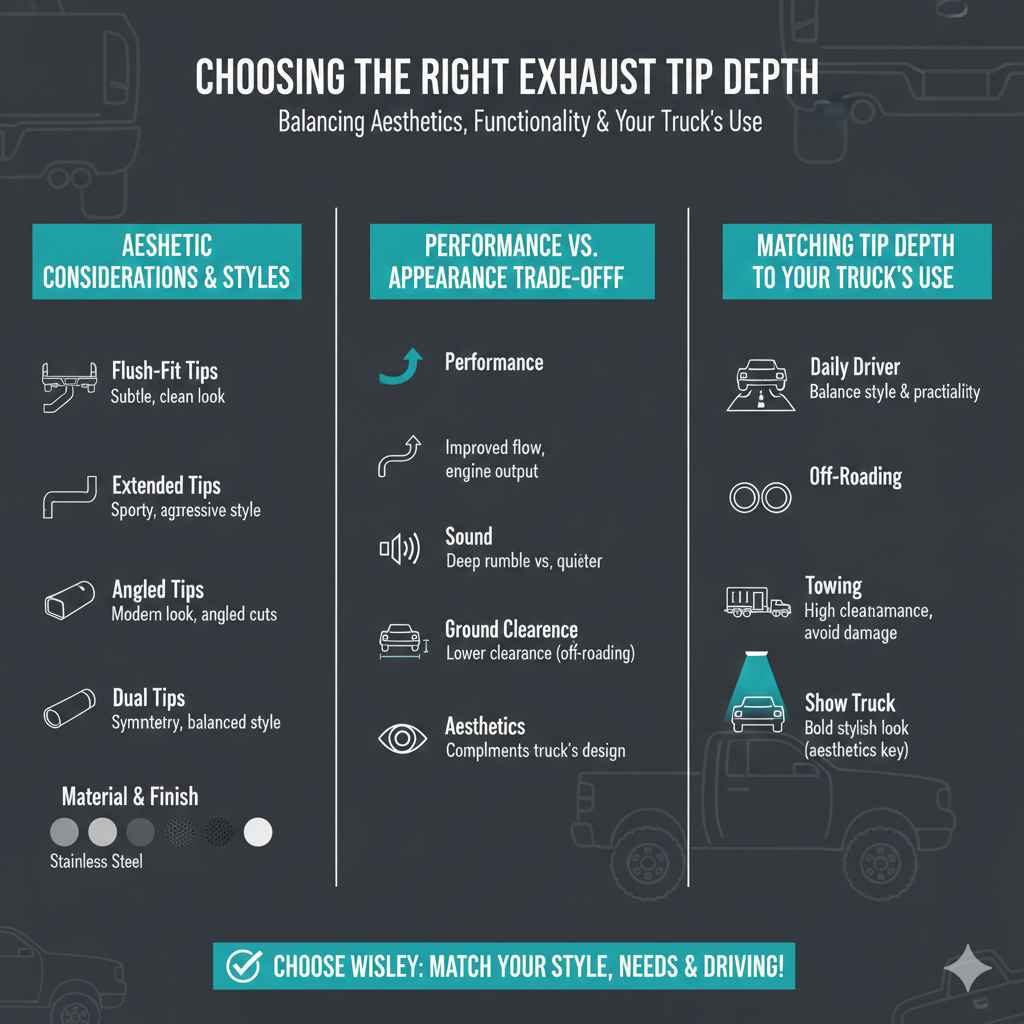
Picking the ideal exhaust tip depth is a matter of personal taste and practical concerns. The key is to find a balance between aesthetics, functionality, and your truck’s use. It is important to know the styles available. It is also important to consider your truck’s requirements and your driving style. This will allow you to make a choice that enhances your truck. It also allows you to make a choice that improves the driving experience.
Aesthetic Considerations and Styles
The look of your exhaust tips can have a big effect on the overall look of your GMC Sierra. There are many different styles and finishes to select from. Picking the proper one for your truck requires some thought. Considering what you want to achieve can help. It will also help you determine the kind of exhaust tip style that is the best for your truck. Different styles can change how your truck appears. This is why it is important to think about them before making a final decision.
- Flush-Fit Tips: These tips sit close to the bumper. They give a subtle, clean look. They are perfect for drivers who like a more understated appearance.
- Extended Tips: These tips extend beyond the bumper. They are eye-catching. They can give the truck a sporty, aggressive style.
- Angled Tips: Angled tips can enhance the look of the exhaust. They often give a modern look. They can be angled up, down, or to the sides.
- Dual Tips: Dual tips can be added to the exhaust system. They can add symmetry and improve performance. This gives the truck a more balanced style.
- Material and Finish: Exhaust tips come in a variety of materials. This includes stainless steel, chrome, and black finishes. The color and style you choose make a big difference. They will determine the overall appearance.
When selecting your exhaust tip style, consider your truck’s paint color, trim, and overall theme. You may want to look at photos of similar trucks with different tip styles. This can give you an idea of what would look best.
Performance vs. Appearance Trade-Offs
When choosing exhaust tip depth, it’s key to balance looks with how well your truck performs. Deeper tips can impact the exhaust’s performance and also how it looks. You should carefully consider the advantages and drawbacks of each choice. Understanding this will help you to pick what best suits your driving style. It will also help you determine your priorities for your truck.
- Performance: Some exhaust tips and systems are designed to improve exhaust flow. This can increase engine output. Deep tips can change the exhaust flow characteristics.
- Sound: Exhaust tips can affect the sound of your exhaust. Some designs focus on creating a deep rumble. Others prioritize a quieter operation.
- Ground Clearance: Extended exhaust tips can lower ground clearance. This is something to keep in mind, especially if you drive off-road.
- Aesthetics: The primary consideration for exhaust tip selection is often appearance. Make certain the style complements your truck’s overall design.
Think about where and how you typically drive your GMC Sierra. If you drive off-road a lot, you might favor tips that offer good ground clearance. If performance is a high priority, choose an exhaust system that has been carefully engineered for better flow.
Matching Tip Depth to Your Truck’s Use
The depth of your exhaust tips should reflect your truck’s usage. Whether your truck is for work or pleasure, this choice will improve both looks and performance. Thinking about how you use your truck will help you choose exhaust tips. This will give you the look and function that fit your needs. Knowing your truck’s use is important. This is one of the most important things when making a decision.
- Daily Driver: For a truck that is driven daily, balance style and practicality. Choose tips that look good but don’t interfere with everyday driving.
- Off-Roading: If you often drive off-road, ground clearance is important. Select tips that sit close to the bumper. Also, consider the angle of the exhaust. This will help you avoid damage.
- Towing: For towing, you might want a system that improves engine performance. Think about exhaust flow. This can help with towing efficiency.
- Show Truck: If you’re building a show truck, aesthetics are key. You can choose a bold, stylish look with extended tips.
Consider your lifestyle and the kinds of activities you do with your GMC Sierra. Knowing your driving habits will help you to select an exhaust tip depth that matches your needs.
Frequently Asked Questions
Question: Can I change the exhaust tip depth on my GMC Sierra myself?
Answer: Yes, in many cases. Changing exhaust tips is a task that many truck owners can handle. It usually involves unbolting the old tip and bolting on the new one. Check your vehicle’s manual. Safety first! It’s always a good idea to seek help from a professional if you’re uncertain.
Question: Will changing the exhaust tip depth void my warranty?
Answer: It depends. Changing the exhaust tip itself probably won’t void your warranty. However, modifications to other parts of the exhaust system could. Always check your warranty details. If you have concerns, speak with a certified mechanic.
Question: What’s the best material for GMC Sierra exhaust tips?
Answer: Stainless steel is often the top choice for exhaust tips. It’s strong and resists rust and corrosion. Chrome tips look great but might require more upkeep. Consider how you use your truck and your location when choosing a material.
Question: Do I need to reprogram my truck after changing the exhaust tip?
Answer: Usually, no. Changing the exhaust tip itself doesn’t affect engine operations. You shouldn’t have to reprogram your truck’s computer. Replacing the whole exhaust system might need some adjustments. Consult a mechanic if you do a full system upgrade.
Question: Where can I buy exhaust tips for my GMC Sierra?
Answer: You can find exhaust tips at auto parts stores, online retailers, and specialty exhaust shops. Make sure you get the right size and style for your truck model. Compare prices and read reviews before buying.
Final Thoughts
Knowing How Deep Are GMC Sierra Exhaust Tips? is not just about measurements. It’s about matching your truck’s look and use. We’ve covered everything from measuring techniques to deciding on the best style for your needs. Remembering your truck’s model year, the exhaust system type, and any modifications you’ve made is important. These things greatly impact how far your exhaust tips extend. Weigh your choices carefully, considering both how your truck will look and how it performs. From selecting the proper style to thinking about how it will look, you can get exactly what you want.
You can customize your truck exactly as you want. Take the time to measure your current exhaust depth. Compare styles and finishes to get what you want. Enjoy the process of creating the right look for your GMC Sierra!
Related pick: Check today's price on Amazon