Do Slash Cut Exhaust Tips Make a Difference: Essential Guide
Do Slash Cut Exhaust Tips Make a Difference? Yes, they can enhance your vehicle’s look and slightly alter its sound, but they don’t typically boost horsepower. This guide breaks down what they are, how they work, and what to expect.
Ever noticed those sleek, angled exhaust tips on some cars and wondered if they’re just for show? Many car owners also ponder if these stylish cuts actually do anything for their vehicle’s performance or sound. It’s a common question, especially when you’re looking to give your ride a little upgrade without getting too technical. Don’t worry, understanding exhaust tips, including the slash cut style, is simpler than you think! We’ll walk through everything you need to know, making it easy to decide if slash cut tips are right for you.
What Exactly Are Slash Cut Exhaust Tips?
So, what are slash cut exhaust tips, and why do they look different? Simply put, these tips are distinguished by the angled cut at their end, often around 30 to 45 degrees. This isn’t just a random design choice; it has a subtle effect. Think of it like a designer’s touch for your car’s rear. While they’re a popular aesthetic upgrade, many people also wonder if this angle changes anything else. Let’s dive into what truly makes them stand out.
The Anatomy of an Exhaust System
Before we focus on the tips, let’s quickly touch on the whole exhaust system. It’s a series of pipes that carries exhaust gases away from your engine, through a muffler and catalytic converter (responsible for reducing emissions), and finally out the back of your vehicle. The muffler is key for reducing noise. The exhaust tips are the final visible piece, like the cherry on top! They can be found in many shapes and sizes, and a slash cut is just one of those popular styles.
Why the Angled Cut? Aesthetic and Sound Subtleties
The primary reason for the slash cut design is visual appeal. The angle can make the exhaust tip appear shorter and more aggressive, complementing the sporty lines of many vehicles. It’s a popular choice for those seeking a more custom look.
Beyond looks, that angled cut can also have a very slight effect on the exhaust note. By directing the sound wave outward and slightly away from the direct rear, it can sometimes create a slightly sharper or more distinct tone. However, this effect is generally minimal and not a significant performance enhancer. It’s more about the character of the sound rather than a loud increase.

Do Slash Cut Exhaust Tips Make a Difference?
Now, let’s get to the core question: Do slash cut exhaust tips make a difference? The answer is nuanced.
Aesthetics: Absolutely. They add a modern, sporty, and often more premium look to the rear of your vehicle.
Sound: In a very subtle way. They can slightly alter the tone and direction of the exhaust note, but don’t expect a dramatic change in volume or performance.
Performance: Generally, no. For most everyday drivers, simply changing the exhaust tip, regardless of its cut, will not result in any noticeable increase in horsepower or fuel efficiency.
Think of it this way: the exhaust tip is the very end of a long journey for the exhaust gases. While it’s visible, it has very little influence on how the engine breathes or performs. The real power and sound characteristics are determined much earlier in the exhaust system, in the engine and the exhaust manifold, catalytic converter, and muffler.
Debunking Performance Myths
It’s easy to get caught up in the idea that any aftermarket part will boost performance. However, for exhaust tips, this is rarely the case. The diameter and length of the tubing leading up to the tip, as well as the internal design of the muffler and the efficiency of the catalytic converter, have a much greater impact.
For scientifically proven modifications that can impact performance, you’d typically look at components like performance air intakes, exhaust headers, high-flow catalytic converters, or aftermarket mufflers designed for improved airflow. Exhaust tips are more about finishing touches.
Types of Exhaust Tips and Their Differences
While slash cut is popular, it’s good to know other styles exist:
Straight Cut: The most basic. A clean, straight end. Simple and classic.
Rolled Edge/Tucked: The edge of the tip is rolled inward, giving a more refined and often slightly larger appearance.
Double Wall: Features an inner and outer pipe, adding a more substantial and premium look.
Resonated: Some tips have internal baffling to further quiet the exhaust.
Each type offers a different look, but like the slash cut, the performance impact is minimal to none. The primary difference is always visual.
Benefits of Slash Cut Exhaust Tips
Why do so many people opt for slash cut tips?
Enhanced Aesthetics: They offer a sporty, aggressive, or refined look depending on the angle and finish.
Customization: They allow for personalization of your vehicle’s appearance.
Subtle Sound Modification: A slight tweak to the exhaust note’s character.
Easy Installation: Often a simple bolt-on or clamp-on upgrade.
Considerations Before Buying
Before you rush to buy slash cut tips, consider these points:
Material: Look for stainless steel for durability and rust resistance. Titanium is lighter and stronger but much more expensive.
Size: Ensure the tip diameter and outlet size fit your existing exhaust pipe. Measure carefully!
Finish: Chrome, carbon fiber, black chrome, or brushed metal – choose what matches your car.
Clamping vs. Welding: Clamp-on tips are easier for DIY, while welded tips offer a more permanent and secure fit.
How to Install Slash Cut Exhaust Tips (A Beginner’s Guide)
Installing exhaust tips is one of the simplest ways to personalize your car. Here’s a general guide for a clamp-on style, which is the most beginner-friendly.
Tools You’ll Likely Need:
Socket wrench set (with appropriate socket sizes for your clamps)
Screwdriver (flathead or Phillips, depending on clamp type)
Penetrating oil (like WD-40, for stubborn bolts)
Gloves (to protect your hands from heat and dirt)
Safety glasses (always protect your eyes!)
Wire brush (to clean the exhaust pipe)
Measuring tape
Step-by-Step Installation:
1. Safety First: Ensure your vehicle is parked on a level surface with the parking brake engaged. It’s best to do this when the exhaust system is completely cool. Exhaust components can get extremely hot!
2. Locate and Inspect: Find your current exhaust tip. Check the existing clamp or hanger mechanism.
3. Measure: Measure the outside diameter of your existing exhaust pipe where the new tip will attach. This is crucial for buying the right size tip and clamp.
4. Remove Old Tip (If Necessary): If you’re replacing an existing tip, loosen the clamp or bolt securing it with your socket wrench or screwdriver. For stubborn bolts, apply penetrating oil and let it sit for a few minutes. Gently twist and pull the old tip off.
5. Clean the Pipe: Use a wire brush to clean the end of the exhaust pipe where the new tip will go. This ensures a snug fit and removes any rust or debris that could interfere with the connection.
6. Position the New Tip: Slide the new slash cut exhaust tip over the end of the exhaust pipe. Ensure it’s straight and centered. Check the desired appearance from the rear of the vehicle.
7. Align the Clamp: If your tip uses a clamp, position the clamp over the junction of the pipe and the new tip. Make sure the clamp evenly spans both parts.
8. Tighten the Clamp: Using your socket wrench or screwdriver, tighten the clamp bolts gradually and evenly. Don’t overtighten, as this can damage the clamp, the tip, or the exhaust pipe. Tighten until the tip feels secure and doesn’t wobble.
9. Final Check: Give the tip a gentle shake to ensure it’s firmly attached. Double-check its alignment.
10. Start the Engine: Start your car and let it run for a few minutes. Listen for any unusual sounds or leaks. Check that the pipes aren’t vibrating excessively against the car body.
For a welded installation, it’s generally recommended to seek professional help from an automotive shop or a skilled welder. Improper welding can lead to leaks or structural damage.
Comparing Exhaust Tip Materials and Finishes
The material and finish of your exhaust tip can significantly impact its appearance and longevity. Here’s a quick look:
| Material | Pros | Cons | Typical Cost (per tip) range |
|---|---|---|---|
| Stainless Steel | Durable, rust-resistant, good value | Can rust in harsh conditions over time | $30 – $150 |
| Chrome Plated Steel | Shiny, attractive, relatively inexpensive | Prone to chipping, peeling, and rust | $30 – $100 |
| Carbon Fiber | Lightweight, exotic look, high-performance race car aesthetic | Can be prone to UV damage/discoloration, expensive | $100 – $300+ |
| Titanium | Extremely lightweight, durable, high-performance | Very expensive, can discolor with heat | $200 – $500+ |
| Polished Aluminum | Lightweight, bright finish, affordable | Can corrode or oxidize, less durable | $25 – $75 |
Note: Costs are approximate and vary greatly based on brand, size, and seller.
Finishes also play a big role:
Polished Chrome: The classic, mirror-like shine.
Brushed Stainless Steel: A matte, textured look that hides fingerprints well.
Black Chrome/Powder Coat: A sleek, modern, and often stealthy appearance.
Carbon Fiber Wrap/Overlay: Offers the distinct woven carbon fiber look.
Choosing the right material and finish depends on your budget, desired aesthetic, and how much maintenance you’re willing to do. For most daily drivers, a good quality stainless steel tip, whether polished or brushed, is often the best balance of looks, durability, and cost.
Are Slash Cut Tips Legal?
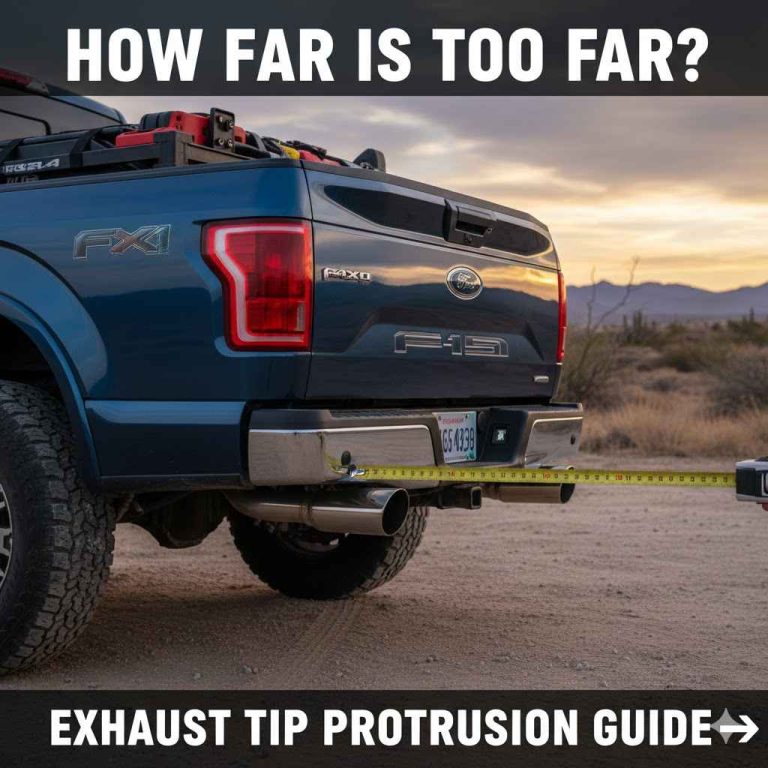
In most places, exhaust tips, including slash cut designs, are perfectly legal. The legality of exhaust systems usually concerns noise levels and emissions, not the shape of the final tip. However, it’s always a good idea to check your local regulations if you’re unsure. For example, some jurisdictions might have restrictions on how far the exhaust tip extends beyond the body of the vehicle to prevent carbon monoxide buildup in the cabin. But for the shape itself, slash cuts are generally fine.
For reference, organizations like the Environmental Protection Agency (EPA) in the United States focus on emissions standards and noise pollution levels as key regulatory factors for vehicle exhausts. Unless your slash cut tip is part of a system designed to bypass emissions controls or is excessively loud, it should comply with regulations.
Troubleshooting Common Exhaust Tip Issues
Even with simple upgrades, you might encounter minor hiccups.
Rattling: This usually means the tip isn’t tight enough or is rubbing against another part of the car. Re-tighten the clamp or adjust its position.
Tip Moves/Slides: The clamp needs to be tighter. Ensure the clamp is gripping the exhaust pipe firmly.
Rust/Corrosion: If you chose a lower-quality material or finish, rust can appear. For stainless steel, a good metal polish can often restore its shine. For chrome, it’s harder to fix.
Fitment Issues: If the tip doesn’t slide on easily or clamp securely, it might be the wrong size. Double-check your measurements and the manufacturer’s specifications.

Frequently Asked Questions (FAQs) about Slash Cut Exhaust Tips
Q1: Do slash cut exhaust tips add horsepower?
A1: Generally, no. Exhaust tips are primarily an aesthetic modification and do not significantly impact engine performance or horsepower. The true performance gains come from changes earlier in the exhaust system or engine components.
Q2: Will slash cut exhaust tips make my car louder?
A2: The change in sound is usually very subtle. While the angled cut can slightly alter the direction and perceived tone of the exhaust note, it won’t dramatically increase the volume. For a louder exhaust, you’d typically need to consider a performance muffler or a cat-back exhaust system.
Q3: Are slash cut exhaust tips difficult to install?
A3: Clamp-on slash cut exhaust tips are usually very easy to install and can often be done by beginners in under an hour with basic tools. Welded tips require professional expertise.
Q4: What is the best material for an exhaust tip?
A4: High-quality stainless steel is generally considered the best material for most car owners. It offers excellent durability, corrosion resistance, and a good balance of cost and longevity. Titanium is lighter and stronger but considerably more expensive.
Q5: How do I measure for the correct exhaust tip size?
A5: You need to measure the outside diameter of your vehicle’s existing exhaust pipe where the new tip will attach. It’s also good to measure the desired inner diameter for the tip itself if specified by the manufacturer.
Q6: Can I use slash cut tips with my stock muffler?
A6: Yes, most aftermarket exhaust tips, including slash cut designs, are designed to fit over standard factory exhaust pipes and are fully compatible with stock mufflers.
Conclusion
So, do slash cut exhaust tips make a difference? For your car’s appearance, yes, they can make a significant and stylish difference! They provide a sleek, modern look that can elevate the rear of your vehicle. When it comes to sound, the effect is subtle at best, and for performance, you’re unlikely to notice any gains.
They are an accessible and often affordable way for car owners, especially those new to modifications, to personalize their ride. With a straightforward installation process for clamp-on models and a variety of materials and finishes to choose from, slash cut tips are a popular choice for a reason. Just remember to measure carefully, choose quality materials, and prioritize safety during installation. Enjoy the enhanced look of your vehicle!
Related pick: Check today's price on Amazon