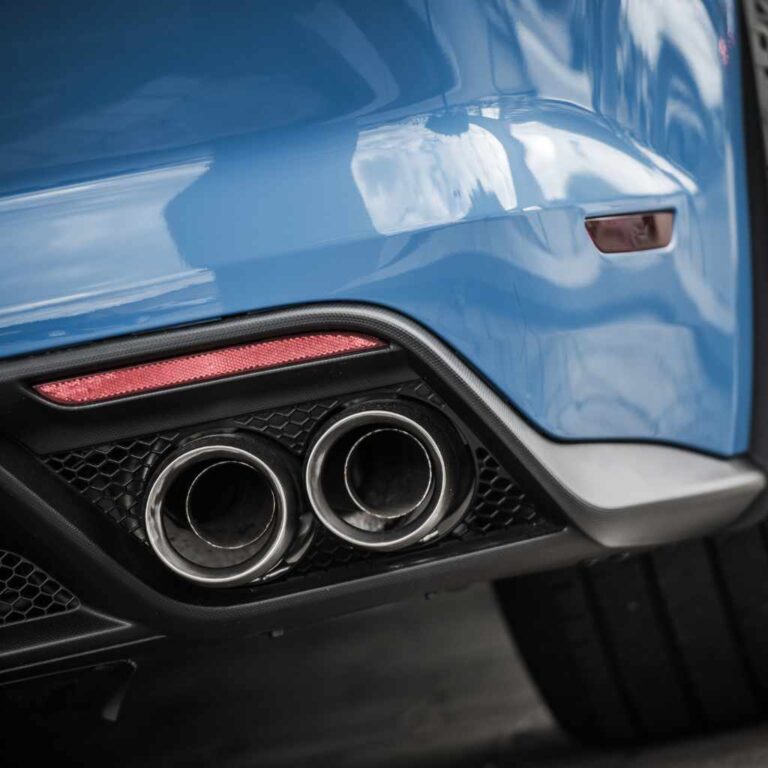
How Much Does Performance Exhaust Cost for Dodge Challenger: Ultimate Guide
Are you thinking about upgrading your Dodge Challenger’s exhaust system? You’re probably wondering, “How much does a performance exhaust cost for my ride?” Getting the right exhaust can boost your car’s power and give it that deep, roaring sound you crave.
But before you dive in, it’s important to know what to expect in terms of price. You’ll discover the real costs involved, what factors can change the price, and how to make the best choice for your Challenger. Keep reading to find out how to get the most value from your upgrade without breaking the bank.
Performance Exhaust Options
Performance exhaust systems can improve your Dodge Challenger’s sound and power. Different options suit different needs and budgets. Each type changes the exhaust flow and noise level. Here are some common choices for your car.
Cat-back Systems
Cat-back systems replace the pipe from the catalytic converter to the exhaust tip. They improve airflow and boost engine sound. Installation is usually simple and does not affect emissions. Cat-back systems offer a good balance of cost and performance.
Axle-back Systems
Axle-back systems replace the mufflers and pipes behind the rear axle. They mainly change the exhaust sound and appearance. Axle-back upgrades cost less than other systems. This option suits those who want a louder exhaust without big changes.
Header-back Systems
Header-back systems replace the exhaust from the headers to the exhaust tip. They improve power by reducing exhaust restrictions. Installation requires more work but gives better performance gains. This option fits drivers who want strong engine improvements.
Turbo-back Systems
Turbo-back systems replace the exhaust from the turbocharger to the tailpipe. They maximize flow for turbocharged Dodge Challengers. This system helps increase horsepower and throttle response. Turbo-back setups cost more but offer the best power gains.

Factors Affecting Exhaust Cost
The cost of a performance exhaust for a Dodge Challenger varies. Several factors affect the final price. Understanding these helps you make a smart choice. These factors include material quality, brand reputation, installation complexity, and customization needs.
Material Quality
Material quality plays a big role in exhaust cost. Stainless steel exhausts last longer and resist rust. They cost more than mild steel options. Titanium is light and strong but very expensive. Higher quality materials improve sound and performance. They also need less maintenance over time.
Brand Reputation
Brands with good reputations often charge more. They offer tested and reliable products. Well-known brands provide warranties and customer support. Lesser-known brands may be cheaper but less trusted. Choosing a reputable brand ensures better quality and fit.
Installation Complexity
Installation can add to the total cost. Some exhaust systems fit directly with no changes. Others need custom fitting or modifications. Complex installations require more time and skill. Labor costs increase with the difficulty of the job.
Customization Needs
Custom exhausts cost more than standard kits. Custom work includes unique pipe bends or tips. Special sound tuning and performance tweaks add price. Personalizing your exhaust makes your car stand out. The more custom parts, the higher the cost.
Price Ranges For Dodge Challenger
Performance exhaust systems for the Dodge Challenger come in different price ranges. Each range offers unique benefits and features. Choosing the right one depends on your budget and what you want from your car’s sound and performance.
Budget-friendly Choices
Basic performance exhaust systems start around $300 to $600. These options improve sound and offer slight performance gains. They usually include single exhaust setups and simple designs. Perfect for drivers who want a better sound without big expenses.
Mid-range Options
Mid-range systems cost between $600 and $1,200. They provide better materials and improved sound quality. Many come with dual exhaust setups for a deeper tone. These systems also help increase horsepower and fuel efficiency. Ideal for enthusiasts seeking balance between cost and performance.
Premium Systems
Premium exhaust systems range from $1,200 to $2,500 or more. They use high-grade materials like stainless steel or titanium. These systems offer the best sound, durability, and performance boosts. Many include advanced features such as adjustable valves. Great for drivers who want top-tier quality and strong engine sound.
Installation Expenses
Installing a performance exhaust on your Dodge Challenger involves costs beyond just the part price. Installation expenses vary widely based on how you choose to install it. Understanding these costs helps you plan your budget better.
DIY Installation Pros And Cons
Doing the installation yourself can save money. You only pay for tools and materials. It gives you control over the process. But it takes time and effort. Mistakes can cause damage or poor performance. You need some mechanical skills and proper tools. It is not for everyone.
Professional Installation Costs
Hiring a professional ensures proper fitting and performance. Shops typically charge between $100 and $300. Prices depend on labor rates and job complexity. Professionals have experience and tools. This option reduces risk and saves time. It offers peace of mind for many owners.
Possible Additional Fees
Extra costs may appear during installation. You might need new gaskets or clamps. Some parts may require adjustments or modifications. Shop fees or disposal charges can add up. Always ask for a full estimate before work starts. This prevents surprises on your final bill.
Benefits Of Upgrading Exhaust
Upgrading the exhaust system on your Dodge Challenger offers many benefits. It improves how your car performs and sounds. You also get better fuel use and a cooler look. These benefits make the upgrade worth considering for any car lover.
Improved Performance
A new exhaust system helps your engine breathe better. This means more power and faster acceleration. It reduces back pressure, so your engine runs smoother. Overall, you can feel your car respond quicker and drive stronger.
Enhanced Sound
The exhaust sound becomes deeper and louder. It gives your Dodge Challenger a more aggressive and sporty tone. This sound matches the car’s powerful image. It also makes driving more exciting and fun.
Fuel Efficiency
A better exhaust helps your engine use fuel more wisely. It improves air flow and reduces waste. This can lead to saving money on gas. Your car can go further without filling up as often.
Aesthetic Appeal
Upgraded exhausts often look sleek and stylish. Shiny tips and custom designs enhance the car’s rear view. It adds a touch of personality and style. This makes your Dodge Challenger stand out on the road.
Where To Buy Performance Exhausts
Finding the right place to buy a performance exhaust for your Dodge Challenger is important. The quality and price can vary greatly. Choosing a trusted source ensures you get a good product and proper support.
Several options exist for buying performance exhausts. Each option offers different benefits and shopping experiences. Knowing where to look helps you make the best choice for your car and budget.
Authorized Dealers
Authorized dealers sell exhaust systems approved by manufacturers. They offer genuine parts that fit your Dodge Challenger perfectly. Staff can provide expert advice on the best exhaust for your needs. Buying here often includes warranties and after-sales support.
Online Retailers
Online stores offer a wide range of performance exhausts at competitive prices. You can compare brands and read customer reviews easily. Many sites provide detailed product descriptions and installation guides. Watch out for shipping costs and return policies before buying.
Specialty Shops
Specialty shops focus on performance parts for muscle cars like the Dodge Challenger. Their staff usually have hands-on experience with exhaust upgrades. These shops may offer custom exhaust options tailored to your car. Personalized service can help you get the sound and performance you want.
Tips For Choosing The Right Exhaust
Choosing the right performance exhaust for your Dodge Challenger affects sound, power, and driving feel. It is important to consider key factors that fit your needs and car use. This helps you get the best value and enjoy your ride.
Here are some tips to guide your choice of the perfect exhaust system.
Match Exhaust To Driving Style
Think about how you use your Challenger daily. For city driving, a quieter exhaust works well. For open roads or track days, a louder, more aggressive sound may suit you. Choose an exhaust that fits your driving habits and comfort level.
Consider Local Regulations
Check noise and emission rules in your area. Some places have strict limits on exhaust noise and pollution. An exhaust legal in one state may cause fines in another. Make sure your choice meets local laws to avoid trouble.
Check Warranty And Support
Look for brands that offer good warranties on parts and labor. A solid warranty shows confidence in product quality. Also, find out if customer support is easy to reach. Good support can help with installation and future issues.

Frequently Asked Questions
How Much Does A Performance Exhaust Cost For Dodge Challenger?
Performance exhaust systems for Dodge Challenger typically cost between $500 and $2,000. Prices depend on brand, materials, and system type. Installation fees may add $100 to $300. Higher-end systems with advanced features cost more. Always compare options for best value and quality.
What Factors Affect Dodge Challenger Exhaust System Prices?
Exhaust cost varies by material, brand, and system complexity. Stainless steel is pricier but durable. Cat-back systems cost less than full headers. Brand reputation and sound quality also influence price. Installation and customization increase total expenses.
Is Professional Installation Necessary For Dodge Challenger Exhaust?
Professional installation is recommended for Dodge Challenger exhaust systems. It ensures proper fit, function, and safety. Incorrect installation may cause leaks or damage. Labor costs vary, typically $100 to $300. DIY installation risks voiding warranty and performance issues.
Can Performance Exhaust Improve Dodge Challenger Sound And Power?
Yes, performance exhaust enhances both sound and horsepower. It improves exhaust flow, reducing backpressure. This results in louder, more aggressive exhaust notes. Power gains vary but typically offer a noticeable boost. It also improves throttle response and engine efficiency.
Conclusion
Performance exhaust costs for the Dodge Challenger vary by brand and type. Expect to pay between $500 and $2,000. Installation fees can add to the total price. Choosing the right exhaust depends on your budget and sound preference. A quality system improves engine performance and sound.
Research and compare options before making a decision. This helps you find the best fit for your car. Investing in a good exhaust can enhance your driving experience. Keep your needs and costs in balance for the best results.