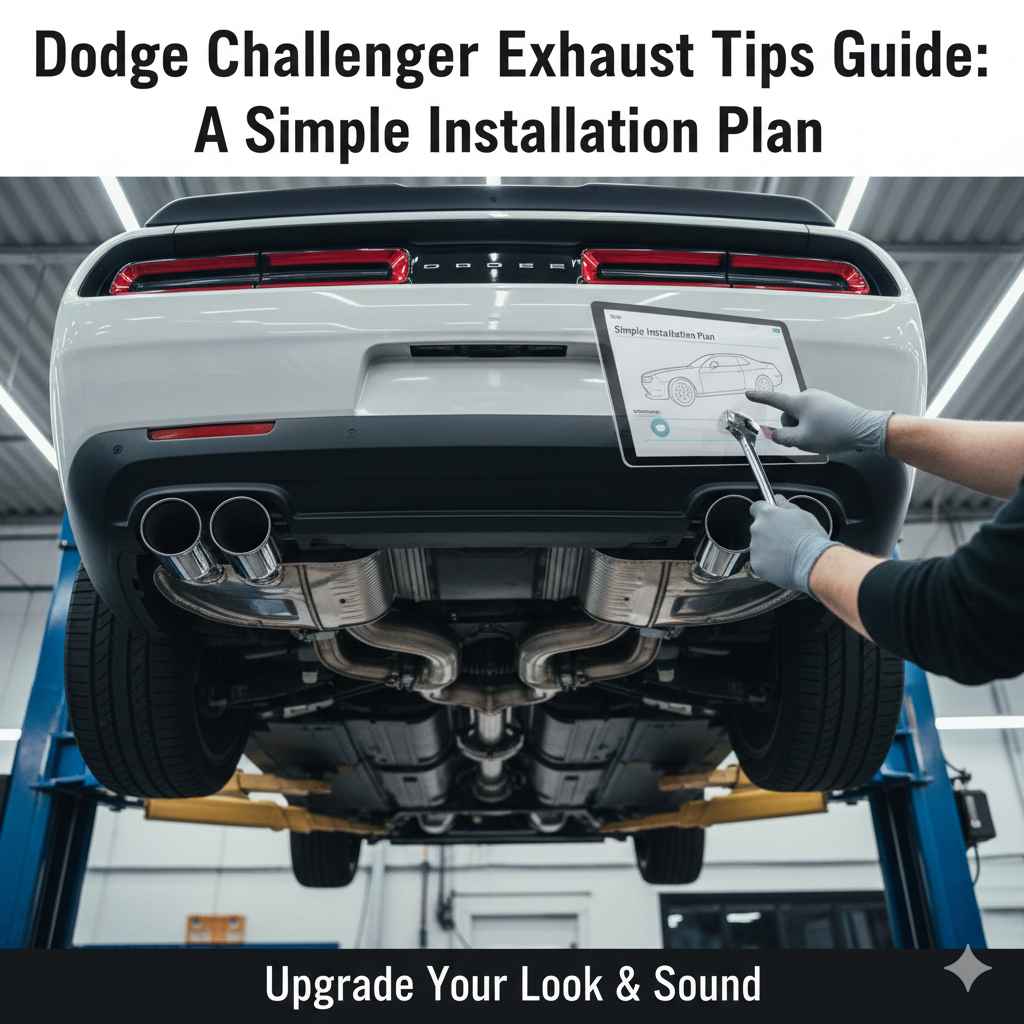
Dodge Challenger Exhaust Tips Guide: A Simple Installation Plan
Figuring out the Dodge Challenger Exhaust Tips Guide can feel tricky if you’re just starting. There are different types, sizes, and ways to install them. Don’t worry, this guide will make it super easy to choose and put on new exhaust tips for your Challenger. We’ll break down everything step-by-step so you can give your car a cool new look. Let’s get started!
Choosing the Right Exhaust Tips for Your Challenger
Picking the correct exhaust tips for your Dodge Challenger is a fun process that significantly impacts your car’s appearance. It’s not just about looks; the tips also influence the overall aesthetic and style of your vehicle. The market offers many options, including different materials, shapes, and sizes. Each element contributes uniquely to the car’s final look. By carefully considering these factors, you can make an informed choice that suits your preferences and enhances your Challenger’s visual appeal. The right tips can truly make your car stand out.
Material Matters: Stainless Steel, Chrome, and More
The material of your exhaust tips affects their appearance, durability, and resistance to corrosion. Common materials include stainless steel, chrome-plated steel, and carbon fiber. Stainless steel is a popular option, known for its rust resistance and durability. Chrome-plated tips provide a shiny, reflective finish, but they can be more susceptible to corrosion than stainless steel. Carbon fiber tips offer a sporty, high-tech look and are lightweight, but they typically come with a higher price tag. Consider your climate, driving conditions, and desired aesthetic when choosing the material. For example, if you live in an area with harsh winters or salty roads, stainless steel might be the most practical choice.
Stainless Steel: Stainless steel is an alloy of steel with a minimum of 10.5% chromium. This chromium creates a protective layer that resists rust and corrosion. It’s a great choice for long-lasting tips that can withstand various weather conditions. Stainless steel tips often have a brushed or polished finish, giving them a sleek and modern look. The 304 stainless steel is generally preferred for its excellent corrosion resistance.
Did you know? The average lifespan of stainless steel exhaust tips is about 5-10 years, depending on care and climate.
Chrome-Plated Steel: Chrome plating involves applying a thin layer of chromium to a base metal, typically steel. This process gives the tips a bright, reflective shine, enhancing the car’s visual appeal. However, chrome is more vulnerable to rust and corrosion, especially if the plating is damaged. Regular cleaning and maintenance are essential to keep chrome tips looking their best.
Chrome exhaust tips were especially popular in the 1950s and 60s, contributing to the iconic look of classic cars.
Carbon Fiber: Carbon fiber is a high-performance material known for its strength and lightweight properties. It’s made from carbon atoms bonded together to form a strong, stiff fiber. Carbon fiber exhaust tips have a unique, sporty appearance and often complement performance vehicles. They are more expensive than other options, but the lightweight nature can slightly improve your car’s performance.
Carbon fiber is often used in high-end sports cars and racing applications due to its combination of low weight and high strength.
Tip Shape and Size: Round, Oval, Angle Cut, and Beyond
The shape and size of your exhaust tips significantly impact the car’s overall appearance. Round tips are a classic choice that often suits various vehicles. Oval tips offer a more unique look, adding a touch of elegance. Angle-cut tips, where the tip’s end is cut at an angle, provide a sporty and aggressive feel. The size of the tips should also be carefully considered. Too small, and they might look out of place; too large, and they could overpower the car’s design. The best approach is to compare different sizes and shapes on similar Challengers to get a clear picture of what you want.
Round Tips: Round exhaust tips are the most common shape and offer a timeless, clean look that can complement many car styles. They are often a good choice if you’re unsure which shape to select. Round tips come in various sizes and finishes, allowing you to customize your car’s appearance to fit your taste.
Round exhaust tips were standard on most cars for many years, offering a practical and visually appealing design.
Oval Tips: Oval tips provide a unique, sophisticated look that adds a touch of elegance to the car’s rear end. They can make the car appear wider and more streamlined. Oval tips are available in various sizes and finishes, allowing you to create a customized look that fits your style.
Oval exhaust tips are more common on luxury and sports cars, creating a premium aesthetic.
Angle-Cut Tips: Angle-cut exhaust tips have a diagonal cut at the end, giving the car a sporty and aggressive appearance. This design can enhance the car’s overall visual appeal, making it appear more dynamic and performance-oriented. They are often chosen for muscle cars and other vehicles that want to project a performance image.
Angle-cut exhaust tips are a popular option among car enthusiasts because they project a sense of power and speed.
Installation Types: Bolt-On, Clamp-On, and Weld-On
Understanding the different installation methods is key to a smooth process. Bolt-on tips are straightforward, attaching using bolts or screws. Clamp-on tips use clamps to secure the tip to the exhaust pipe. Weld-on tips need professional installation because welding is involved. Selecting the installation type should depend on your tools, expertise, and time. Bolt-on tips are best if you prefer an easy DIY project. Clamp-on tips are a good balance between ease of installation and stability. Weld-on tips offer a secure and permanent solution, but they require welding experience.
Bolt-On: Bolt-on exhaust tips are the easiest to install, making them ideal for DIY enthusiasts. They attach to the existing exhaust pipe using bolts or screws. No welding is required, and you’ll only need basic tools like a wrench or screwdriver. The installation process typically takes a short amount of time, making this a convenient option.
Bolt-on tips are a great choice if you’re not comfortable with welding or if you want to swap out the tips without a professional.
Clamp-On: Clamp-on exhaust tips attach to the exhaust pipe using clamps. This method is simpler than welding but provides a secure fit. You’ll need a clamp-on exhaust tip and a wrench to tighten the clamps. Clamp-on tips balance ease of installation with a secure connection, making them a good middle-ground choice.
Clamp-on tips are suitable if you want a reliable connection without the need for welding equipment.
Weld-On: Weld-on exhaust tips offer the most secure and permanent connection to the exhaust pipe. Welding is required, so professional installation is often recommended unless you’re experienced in welding. This method provides a very clean look as the tip is seamlessly integrated with the exhaust system.
Weld-on tips are the best option if you want a long-lasting, secure connection that won’t come loose over time.

Preparing for Exhaust Tip Installation
Before installing your new exhaust tips, some preparation is needed to ensure a smooth and successful project. These steps involve gathering the necessary tools, getting your car ready, and understanding the installation type that you have selected. Preparing will save you time, effort, and possibly prevent damage to your car. Doing this preparation will make the entire process easier and more enjoyable. Taking these preliminary steps can make the difference between a quick, easy upgrade and a frustrating experience.
Gathering Your Tools: Wrenches, Sockets, and More
Having the correct tools makes the installation process more manageable and efficient. The required tools vary depending on the exhaust tip type (bolt-on, clamp-on, or weld-on). For bolt-on and clamp-on tips, you’ll need basic tools, such as wrenches, sockets, and a screwdriver. A penetrating oil is useful to loosen stubborn bolts. For weld-on tips, you’ll need welding equipment, including a welder, welding mask, gloves, and wire brush. If you lack certain tools, consider borrowing from a friend, or buying a tool kit that contains a range of commonly used tools.
Wrenches and Sockets: Essential for removing and tightening bolts and nuts on your car’s exhaust system. A combination wrench set that includes both open-end and box-end wrenches provides you with the most flexibility for tackling various bolt sizes. A socket set, including both metric and standard sizes, is equally important.
A wrench or socket that fits perfectly will ensure that you can remove and install bolts quickly and without damaging them.
Screwdrivers: Useful for removing and installing screws, especially on bolt-on exhaust tips. Phillips head and flathead screwdrivers should cover most needs.
Screwdrivers can be used to hold or adjust components during the installation process.
Penetrating Oil: Applying penetrating oil to rusted bolts makes them easier to remove. This will reduce the risk of stripping the bolt head or damaging the exhaust system. Spray the oil onto the bolts and let it soak for a few minutes before trying to loosen them.
Penetrating oil reduces friction, which makes rusted bolts come loose with less effort.
Preparing Your Challenger: Safety First
Safety should always be your top concern when working on your car. Ensure the vehicle is parked on a level surface, apply the parking brake, and consider using wheel chocks to prevent any movement. If you’re using jack stands, place them on the vehicle’s frame. Wear safety glasses and gloves to protect your eyes and hands. If you are working underneath the car, make sure to use jack stands for support. Double-check all safety measures to ensure a safe and secure working environment.
Level Surface: Park your Challenger on a level surface to make sure the car stays steady when you’re working on it. This will prevent it from rolling or shifting.
If the car isn’t on a level surface, there is a risk it could roll, causing injury or damage.
Parking Brake and Wheel Chocks: Engage the parking brake to prevent the car from rolling. Place wheel chocks behind the rear wheels to provide an extra layer of security.
These features will keep the car in place during the installation, providing more safety.
Jack Stands: If you are working underneath the car, use jack stands. They provide a safe means of supporting the car. Place them on the vehicle’s frame at the appropriate points.
Jack stands are essential to prevent the car from falling, preventing injury or damage.
Identifying Your Exhaust Tip Type
Knowing the type of exhaust tips you have is key for a successful installation. Before you begin, examine your car’s exhaust system. Determine if the exhaust tips are bolt-on, clamp-on, or weld-on. This will guide your tool selection and installation process. If your car already has exhaust tips, inspecting the current mounting system will help you prepare. If the tips are new, read the manufacturer’s instructions. Incorrectly identifying the tip type can lead to frustrating delays and potentially damage your car.
Bolt-On Exhaust Tips: These tips attach directly to the exhaust pipe with bolts or screws. Look for visible bolts or screws that secure the tip to the exhaust pipe. You may need a wrench or socket to remove them.
Bolt-on tips are usually the easiest to identify, with visible fasteners.
Clamp-On Exhaust Tips: These tips are held in place by clamps. Look for clamps that wrap around the exhaust pipe, securing the tip. You will likely need a wrench to loosen and tighten the clamps.
Clamp-on tips are identifiable by the presence of clamps that hold the exhaust tip in position.
Weld-On Exhaust Tips: These tips are welded directly to the exhaust pipe. Check for weld marks where the tip connects to the exhaust pipe. You’ll need to cut or grind the weld and then weld on the new tips if you’re replacing them.
Welded exhaust tips need a welding experience to remove and replace.
Installing Your New Exhaust Tips
Installing your new exhaust tips is a straightforward process when you know the steps. This section provides detailed, step-by-step instructions for each of the primary types of exhaust tip installations. The actual procedure varies slightly depending on the type you have selected. Carefully follow these instructions to ensure a proper and successful installation, enhancing your car’s style. Remember to prioritize safety and double-check your work to get the best result.
Bolt-On Exhaust Tip Installation: A Step-by-Step Guide
Bolt-on exhaust tips are generally the easiest to install, making them a great option for people who like DIY projects. Follow these steps to install your bolt-on exhaust tips. Make sure you have all the necessary tools on hand and prepare the vehicle as described in the previous section. If you follow these directions carefully, you will successfully install your exhaust tips and give your car a fresh new look.
Preparation: Make sure the car is on a level surface and the parking brake is engaged. Use wheel chocks for added safety. Gather your tools, including wrenches, sockets, and a screwdriver.
Proper preparation is key to a smooth installation process and ensures your safety.
Loosen the Old Exhaust Tip: Locate the bolts or screws that secure the existing exhaust tip to the exhaust pipe. Use a wrench or socket to loosen and remove these fasteners. If the bolts are rusted or difficult to remove, apply penetrating oil and let it sit for a few minutes.
Penetrating oil can make removing rusted fasteners easier and reduce the risk of damaging the exhaust system.
Remove the Old Tip: Once the bolts are loose, gently remove the old exhaust tip from the exhaust pipe. If it’s stuck, try wiggling it gently. Be careful not to damage the exhaust pipe during removal.
Removing the old tip properly is essential for a clean and efficient installation of the new one.
Position the New Tip: Place the new exhaust tip onto the exhaust pipe. Ensure it is aligned correctly. If the tip has a specific orientation (e.g., angle-cut), double-check it.
Correct positioning of the new exhaust tip will guarantee that it looks and fits correctly on the car.
Secure the New Tip: Insert the bolts or screws that secure the new exhaust tip to the exhaust pipe. Tighten them with a wrench or socket. Make sure not to overtighten, as this could damage the tip or the exhaust pipe.
Tightening the bolts properly will ensure that the exhaust tip stays firmly in place during driving.
Double-Check the Fit: After installing the new exhaust tip, double-check that it is securely attached and properly aligned. Make sure there are no gaps or loose parts.
A final check confirms that the exhaust tip is correctly installed and ready for use.
Clamp-On Exhaust Tip Installation: Easy Steps
Clamp-on exhaust tips provide a good combination of convenience and reliability. This type requires no welding, making them accessible to many DIYers. The steps are simple and straightforward. Follow these steps to correctly install clamp-on exhaust tips, improving your car’s look. Clamp-on tips often come with all the required hardware.
Preparation: Ensure your car is safely parked on a level surface with the parking brake engaged and wheels chocked. Assemble your tools, including a wrench or socket.
Proper preparation is essential for a safe and efficient installation process.
Loosen the Existing Exhaust Tip: If there is an old exhaust tip, locate the clamp that secures it to the exhaust pipe. Use a wrench or socket to loosen the clamp. If the clamp is rusted, apply penetrating oil.
Loosening the clamp is a necessary step to remove the old tip.
Remove the Old Tip: Gently remove the old exhaust tip by sliding it off the exhaust pipe. If it’s stuck, try wiggling it to free it. Be careful not to damage the exhaust pipe.
Removing the old exhaust tip correctly ensures the installation of the new one.
Position the New Tip: Slide the new clamp-on exhaust tip onto the exhaust pipe. Make sure it is correctly aligned and positioned.
Correct positioning is necessary to ensure that the exhaust tip looks and fits correctly on the car.
Secure the New Tip with the Clamp: Place the clamp around the exhaust pipe and the exhaust tip. Tighten the clamp with a wrench or socket until the tip is securely attached. Do not overtighten, as this could damage the exhaust pipe or tip.
Proper tightening of the clamp is essential to securely fasten the exhaust tip.
Final Check: Check the alignment and ensure the exhaust tip is securely attached. Look for any gaps or loose connections.
A final inspection verifies the tip’s correct installation and ensures its safety.
Weld-On Exhaust Tip Installation: A Professional’s Task
Weld-on exhaust tips provide the most secure and long-lasting connection, but they require welding, so this installation is typically done by professionals or people with welding experience. Safety is also very important, since working with a welder can be risky. Follow these general steps for this process. If you’re not experienced in welding, it is better to seek professional help.
Safety First: Make sure the car is on a level surface. Wear appropriate safety gear, including a welding mask, gloves, and safety glasses. Ensure adequate ventilation.
Safety is critical for all welding activities.
Remove the Old Tip (If Applicable): If there is an old exhaust tip, use a grinder or cutting tool to remove the welds that connect it to the exhaust pipe.
The old tip must be removed to prepare the exhaust pipe for the new one.
Prepare the Pipe: Clean and prepare the end of the exhaust pipe where the new tip will be welded. Remove any rust or debris to ensure a clean weld.
A clean weld surface is essential for proper and strong welding.
Position the New Tip: Place the new exhaust tip onto the exhaust pipe, making sure it is properly aligned and positioned.
Correct alignment ensures the tip looks and fits properly.
Weld the New Tip: Use a welder to attach the new exhaust tip to the exhaust pipe. Create a solid, continuous weld around the entire circumference of the tip.
Welding requires skill and experience to create a strong, secure bond.
Cool and Inspect: Allow the welds to cool. Once cooled, inspect the welds to ensure they are solid, without gaps or defects.
Careful inspection ensures the safety and durability of the installation.

Frequently Asked Questions
Question: Can I install exhaust tips myself?
Answer: Yes, bolt-on and clamp-on exhaust tips are designed for easy DIY installation, provided you have basic tools and follow the instructions.
Question: What if I don’t know how to weld?
Answer: Weld-on tips require welding. If you lack welding skills, seek professional help.
Question: Are there any extra tools I may need?
Answer: You may need penetrating oil to help loosen rusted bolts, depending on the tip style.
Question: How often should I check my exhaust tips?
Answer: It’s good practice to visually inspect your exhaust tips every few months, especially after winter.
Question: Do I need to remove my bumper to install exhaust tips?
Answer: No, in most cases, you do not have to remove the bumper to install exhaust tips. The tips usually fit to the end of the exhaust pipe.
Final Thoughts
Giving your Dodge Challenger a fresh look with new exhaust tips is a project that you can do yourself. By considering the different types, shapes, materials, and installation methods, you can choose the best option. Bolt-on and clamp-on tips are friendly to the DIYer. Preparing properly and taking your time will ensure a smooth, successful install. Now you’re ready to pick the perfect tips for your car, making it stand out from the crowd. Enjoy the enhanced appearance and the personal touch that your new exhaust tips bring to your Challenger!