How to Achieve the Ultimate Rally Car Exhaust Sound

How to Achieve the Ultimate Rally Car Exhaust Sound

Getting that awesome rally car exhaust sound might seem tricky at first. Many people wonder if it’s even possible without a huge budget or expert knowledge. It can be a bit confusing with all the different parts and options out there.

But don’t worry! We’re going to break down exactly How to Achieve the Ultimate Rally Car Exhaust Sound in a way that’s easy to follow. We’ll go step-by-step so you can get the sound you’re looking for.

Understanding Rally Car Exhaust Basics

The sound of a rally car’s exhaust is iconic. It’s a loud, aggressive, and thrilling noise that makes you feel the power and excitement of the sport. This distinctive sound comes from how the exhaust system is designed and the engine’s characteristics.

For many car enthusiasts, recreating this sound on their own vehicle is a dream. It involves more than just making a car loud; it’s about achieving a specific tone and intensity that’s linked to performance and rally racing heritage.

This section will help you understand the fundamental parts of an exhaust system and why they matter for sound. We will look at the engine’s role in creating noise. We will also touch on how different materials and designs affect the final sound output.

Knowing these basics is the first step to making informed choices about your car’s exhaust setup. It sets the stage for all the modifications we’ll discuss later.

The Role of the Engine

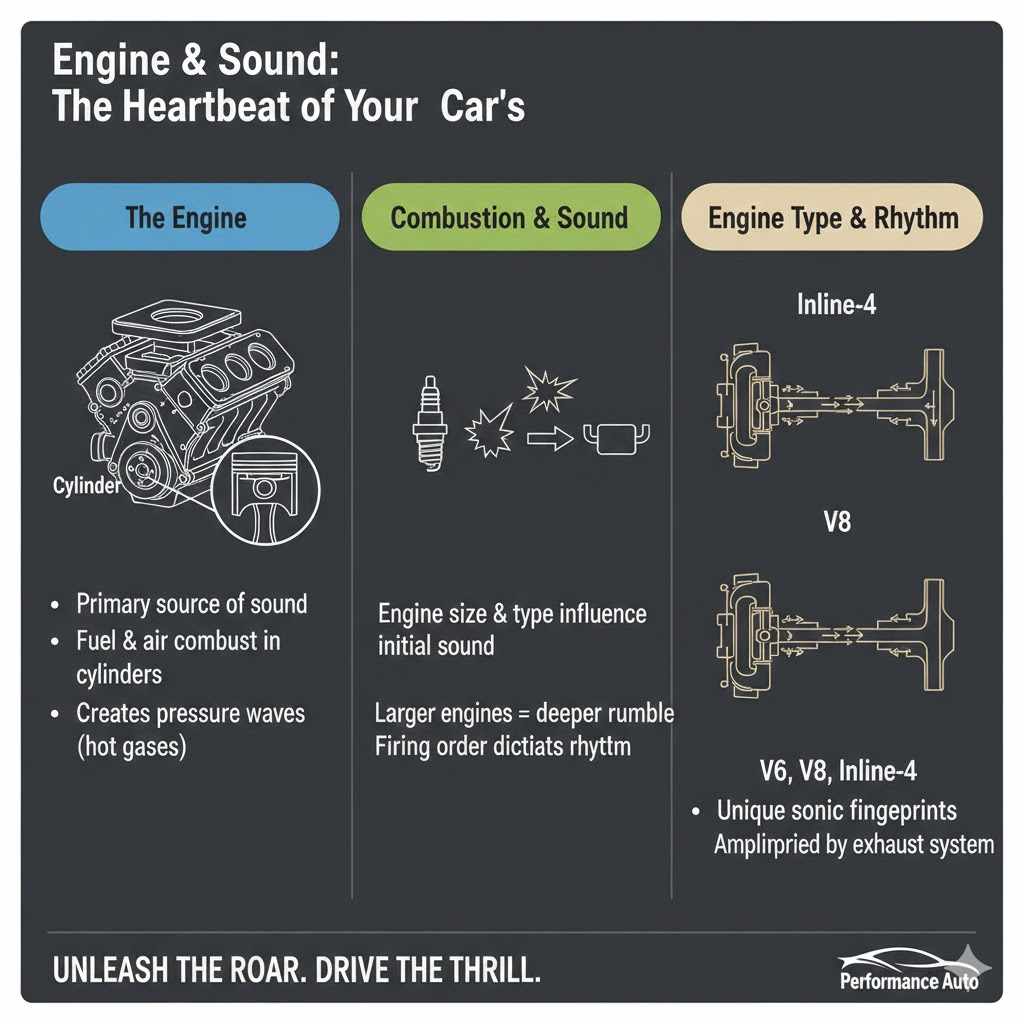
The engine itself is the primary source of sound. When fuel and air combust inside the cylinders, they create pressure waves. These waves are pushed out through the exhaust ports as hot gases.

The type of engine, its size, and how it fires all influence the initial sound. For example, a larger engine with more cylinders might naturally produce a deeper rumble than a smaller, four-cylinder engine. The firing order of the cylinders also plays a big part in the exhaust note’s rhythm and character.

Think of the engine like a giant set of drums. The way the pistons move and the explosions happen create a rhythmic beat. This beat is then amplified and shaped by the rest of the exhaust system.

Different engine configurations, like V6, V8, or inline-four, each have their unique sonic fingerprints even before any exhaust modifications are made. Understanding this initial engine sound is key to knowing what you’re starting with.

Engine Size and Cylinders

Larger engines, often those with eight or more cylinders, tend to have a naturally deeper and more resonant exhaust note. This is because they have more combustion events happening per engine cycle. These engines also often have longer exhaust manifolds.

The longer pipes help to create lower frequency sounds. Smaller engines, like four-cylinder units, usually produce a higher-pitched, sometimes raspy sound. This is due to fewer and quicker combustion events and typically shorter exhaust components.

Firing Order and Timing

The sequence in which the engine’s cylinders ignite, known as the firing order, greatly impacts the exhaust sound. A common V8 firing order might create a smooth, pulsing “burble” or “rumble.” Other firing orders can lead to more irregular pulses, creating a more aggressive or “choppy” sound. The timing of these explosions, controlled by the engine’s computer, also influences the pressure waves that travel into the exhaust system.

Precise timing can enhance performance and refine the exhaust tone.
The Role of the Engine

Find out more about Performance & Tuning by exploring this related topic. How to Make a Truck Exhaust Sound Like G63

Exhaust System Components Explained

The exhaust system is a network of pipes and chambers designed to safely channel exhaust gases away from the engine. It also plays a crucial role in reducing noise and emissions. For rally car sound, modifications to these components are key.

Each part of the system can be altered to change the sound. This includes the exhaust manifold, catalytic converter, muffler, and exhaust tips.

Let’s break down what each of these parts does and how changing them can help you get closer to that desired rally sound. It’s like tuning a musical instrument; each piece has a specific job in shaping the final output.

Exhaust Manifold

The exhaust manifold bolts directly to the engine’s cylinder head. It collects the exhaust gases from each cylinder into a single pipe. The design of the manifold affects how efficiently gases flow out.
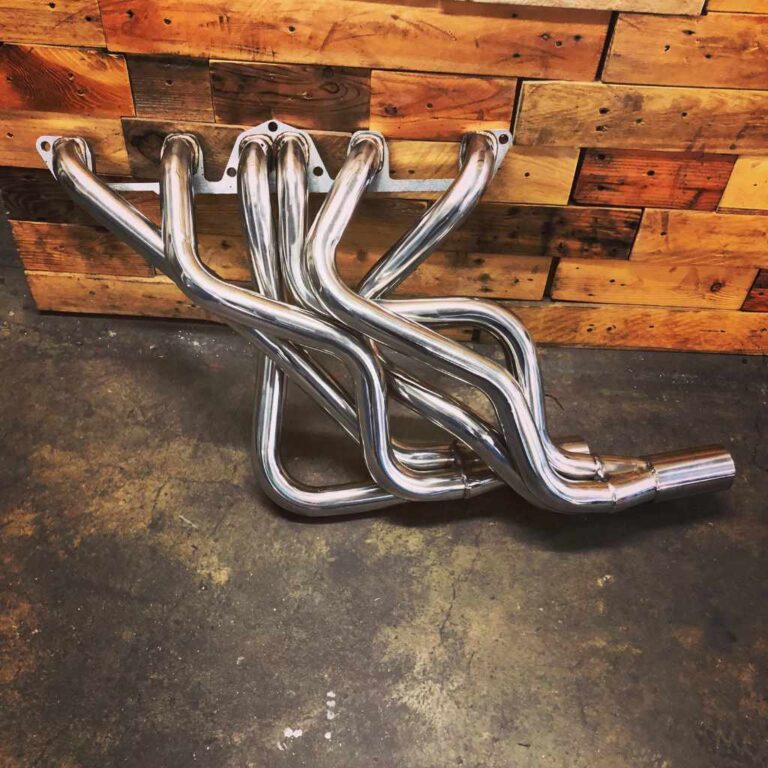

A performance manifold, often called headers, is typically made of smoother, larger diameter tubing. This helps the engine breathe more freely. Some headers are designed to equalize the length of the pipes leading to the collector.

This can create a more consistent exhaust pulse, leading to a smoother and more aggressive sound. For rally cars, headers are often designed for maximum flow, which naturally increases volume.

Catalytic Converter

The catalytic converter is a device that reduces harmful emissions by converting toxic gases into less harmful ones. It uses a honeycomb structure coated with precious metals. While essential for legal emissions standards, it can also dampen exhaust sound.

Removing or replacing the catalytic converter with a high-flow or “test pipe” (a straight pipe that bypasses the converter) can significantly increase exhaust volume and alter the tone. However, this is often illegal in many regions due to emissions regulations.

Muffler (Silencer)

The muffler is designed to reduce the noise produced by the engine. It uses chambers and baffles to absorb and redirect sound waves. Different muffler designs create different sound characteristics.

Straight-through mufflers, also known as glasspacks, offer minimal sound reduction and a louder, more aggressive tone. Chambered mufflers use a series of chambers to cancel out sound waves, resulting in a deeper and often quieter sound. For a rally car sound, a less restrictive muffler, or even a straight pipe in place of a muffler, is often preferred.

Resonator

A resonator is another component that helps tune the exhaust sound. It’s usually placed before or after the muffler. Resonators work by using a hollow chamber that is tuned to cancel out specific sound frequencies, often the droning or unpleasant highway sounds.

Removing a resonator can make the exhaust louder and more raw, but it might also introduce unwanted drone at certain RPMs. For a rally car sound, a resonator might be kept to manage drone while still allowing for a loud, aggressive tone from other components.

Exhaust Tips

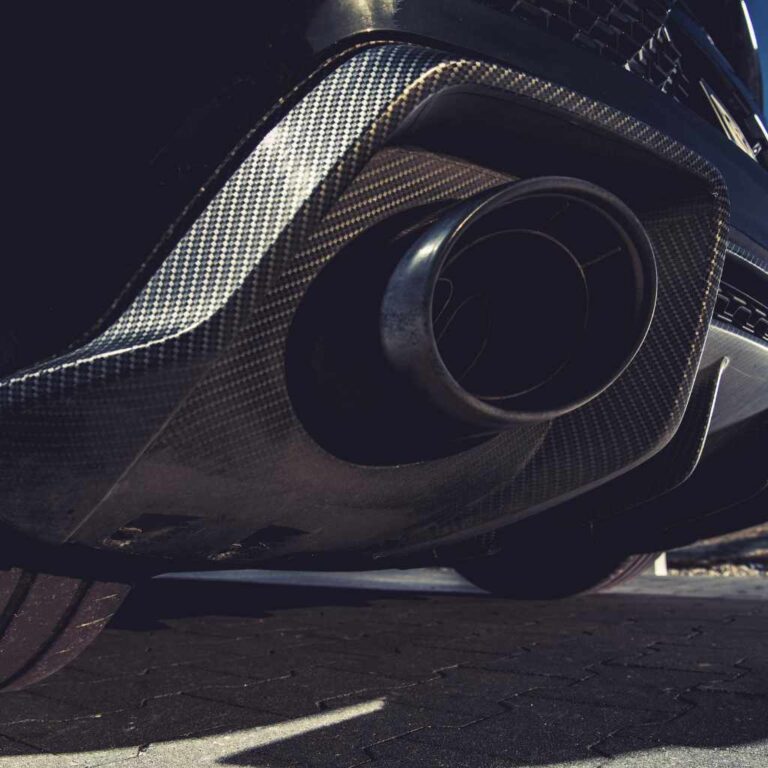
The exhaust tip is the visible end of the exhaust system. While its primary function is aesthetic, the shape and size of the tip can subtly influence the exhaust note. Larger diameter tips can sometimes contribute to a deeper tone, while the overall system design has a much greater impact.

For a rally look, large, straight-cut, or rolled tips are common.

Interested in more about Performance & Tuning? Here's an article you might find helpful. How to Restore Old Car Exhaust Sound Quality

Choosing the Right Exhaust Components for a Rally Sound

Achieving that distinctive rally car exhaust sound involves carefully selecting and sometimes modifying specific exhaust components. It’s not just about making your car loud; it’s about getting a specific kind of aggressive, raw, and exciting noise. This usually means reducing restrictions in the exhaust flow.

It also means choosing parts that enhance the natural engine sound without adding unwanted drone or rasp.

We will explore the different types of aftermarket exhaust systems and individual parts that enthusiasts often use. This includes understanding the trade-offs between sound, performance, legality, and daily drivability. The goal is to build a system that delivers the thrill of a rally car exhaust while still being practical for your needs.

Aftermarket Exhaust Systems

Many companies offer complete aftermarket exhaust systems designed to improve both performance and sound. These systems are engineered as a package, with each component working together. They often feature larger diameter pipes, high-flow catalytic converters (or options to remove them), and performance mufflers or resonator deletes.

When choosing an aftermarket system, look for descriptions that specifically mention a “sport,” “racing,” or “rally” tone. These are usually designed to be louder and more aggressive.

When selecting an aftermarket exhaust system, it is important to research the specific sound profile. Some systems focus on a deep, rumbling V8 sound, while others aim for a higher-pitched, more aggressive tone suitable for four or six-cylinder engines. Reading reviews and watching video demonstrations of the exhaust system installed on similar vehicles can be very helpful.

Many manufacturers also provide sound clips on their websites. These can give you a good idea of what to expect before making a purchase.

Performance Headers (Exhaust Manifolds)

As mentioned, performance headers

When considering headers, you might encounter terms like 4-2-1 or 4-1 designs. A 4-2-1 header design often provides a good balance of low-end torque and high-end power. It can also contribute to a smoother, more refined aggressive sound.

A 4-1 design, on the other hand, typically prioritizes maximum high-RPM power and can produce a louder, more raw sound. The material of the headers also plays a role. Stainless steel is durable and resists corrosion.

Titanium is lighter and can produce a slightly different, sometimes higher-pitched, sound.

High-Flow Catalytic Converters and Cat-Back Systems

For those who want a louder exhaust but need to remain somewhat emissions compliant, high-flow catalytic converters are an option. These still filter emissions but are designed with a less restrictive internal structure. This allows exhaust gases to pass through more easily, increasing sound and a slight performance gain.

A “cat-back” system refers to an exhaust system that replaces everything from the catalytic converter back to the exhaust tip. These systems are popular because they can be fitted to existing catalytic converters, making them a more accessible modification for many car owners. They often include a performance muffler and larger piping.

Cat-back systems are a great way to get a noticeable change in exhaust sound without modifying the emissions control equipment directly attached to the engine. Manufacturers often design these systems to be a direct bolt-on replacement for the stock parts. This simplifies installation and ensures proper fitment.

The sound difference from a cat-back system can be substantial, ranging from a mild sporty growl to a much more aggressive roar, depending on the muffler and pipe diameter chosen.

Muffler Deletes and Straight Pipes

For the most aggressive sound, some enthusiasts opt for muffler deletes or straight pipes. A muffler delete is essentially a pipe that replaces the stock muffler, offering no sound dampening whatsoever. A straight pipe is a continuous pipe that runs from the catalytic converter (or header) all the way to the rear of the car.

These setups produce the loudest possible exhaust sound. However, they are often extremely loud, can cause significant drone, and are frequently illegal for road use due to noise and emissions regulations.

Using a muffler delete or straight pipe can dramatically change the character of the exhaust note. It amplifies the raw engine sound and any pops or crackles that occur during deceleration. This is often the sound people associate with race cars.

However, it is crucial to be aware of local laws regarding exhaust noise levels. Driving with an excessively loud exhaust can lead to fines and even confiscation of the vehicle in some areas. It is also important to consider the impact on passengers, as the cabin noise can become overwhelming.

Discover more interesting content on Performance & Tuning by reading this post. How To Make Your Exhaust Sound Sporty

Installation and Tuning Considerations

Once you have chosen your exhaust components, the next step is proper installation. Poor installation can lead to leaks, rattles, and a compromised sound. Tuning is also important, especially if you’ve made significant changes to the exhaust system.

This ensures your engine runs optimally with the new setup.

We will discuss the importance of professional installation versus DIY. We will also cover how engine tuning can complement exhaust modifications. Getting these aspects right ensures you get the best performance and sound from your rally car exhaust setup.

Professional Installation vs. DIY

Installing an exhaust system can range from relatively simple to quite complex. A simple cat-back system might be a straightforward bolt-on job for someone with basic tools and mechanical experience. However, installing headers, especially if they require cutting or welding, is often best left to experienced professionals.

Professional installers have the specialized tools and knowledge to ensure a perfect fit, seal all connections properly, and avoid damaging other parts of the car. They can also advise on the best way to integrate new components with your existing system.

If you are considering a DIY installation, it is vital to have a good set of tools, including wrenches, sockets, and potentially pipe benders if custom work is needed. Safety is also paramount. Always ensure the vehicle is securely supported on jack stands.

Wear appropriate safety gear, such as gloves and eye protection. For complex jobs like header installation or significant modifications, consulting a professional is usually the safer and more effective route. They can also help diagnose any issues that arise during or after installation.

Tuning the Engine Control Unit (ECU)

When you make significant changes to the exhaust system, particularly by increasing airflow, the engine’s computer (ECU) may need to be retuned. Modern cars have sophisticated ECUs that monitor engine performance and adjust fuel and ignition timing accordingly. If the exhaust is less restrictive, the engine can breathe more freely, and the ECU’s default settings might no longer be optimal.

A professional tune can recalibrate the ECU to take full advantage of the new exhaust system.

ECU tuning, often referred to as “remapping” or “chipping,” can optimize air-fuel ratios and ignition timing. This can lead to improved horsepower, torque, and throttle response. For exhaust systems that significantly increase airflow, a proper tune can prevent the engine from running too lean, which can cause damage.

It can also help refine the exhaust note by ensuring the engine is operating at its peak efficiency. Some tuning platforms are specifically designed to enhance the sound characteristics of modified exhaust systems, making them sound even more aggressive.

Managing Drone and Resonance

One of the biggest challenges with achieving a loud, aggressive exhaust sound is managing unwanted drone. Drone is a low-frequency humming noise that can be very irritating, especially during steady-state cruising. It occurs when the exhaust pulses resonate within the exhaust system and the car’s cabin at certain RPMs.

This is why mufflers and resonators are often included in factory systems. Finding the right balance is key to a satisfying rally car sound.

To combat drone, you might choose a performance muffler that is specifically designed to cancel out these frequencies. Alternatively, adding a small resonator or a “Helmholtz resonator” can target specific problematic sound frequencies without significantly restricting flow. Some aftermarket exhaust manufacturers offer different muffler options or tuning tips to help customers find a sound they like while minimizing drone.

Experimenting with different exhaust tip designs or lengths can also sometimes help manage resonance. It’s often a process of trial and error to get it just right.

Dive deeper into Performance & Tuning by checking out this article. How To Make BMW Performance Exhaust Louder

Legal and Practical Considerations

While the allure of a loud, performance-oriented exhaust is strong, it’s essential to consider the legal implications and practical aspects. Noise regulations and emissions standards vary significantly by location. Modifying your exhaust system without regard for these rules can lead to fines, mandatory repairs, or even having your vehicle impounded.

We will cover the common legal restrictions you might encounter. We will also discuss how to choose modifications that offer a great sound while minimizing issues for daily driving and passing inspections. The aim is to have a car that sounds amazing but also remains practical and legal.

Noise Ordinances and Emissions Standards

Many cities and states have specific noise ordinances that limit how loud a vehicle’s exhaust can be. These are often measured in decibels (dB) at a certain distance from the vehicle. Similarly, emissions standards are in place to control the amount of pollutants released into the air.

Modifying or removing catalytic converters typically violates these emissions standards. It is crucial to be aware of the regulations in your specific area before making any exhaust modifications.

Exhaust testing for emissions is common during vehicle inspections. If your car fails an emissions test due to exhaust modifications, you will need to revert to the stock setup or install compliant parts to pass. Some performance catalytic converters are designed to meet specific emissions standards, such as CARB (California Air Resources Board) compliance, making them a good option for those in stricter regions.

Passing Vehicle Inspections

To pass a vehicle inspection, your exhaust system must meet certain criteria. This usually includes having a functioning catalytic converter (if your vehicle originally came with one) and not exceeding the maximum allowable noise levels. Some modifications, like muffler deletes or straight pipes, are almost guaranteed to cause a failure.

Even loud performance mufflers can be an issue if they exceed the legal decibel limit.

If you plan to modify your exhaust for sound, it’s wise to choose components that are either designed to be emissions compliant or offer a sound that is aggressive but not excessively loud. Many manufacturers offer “sport” exhaust systems that are designed to be louder than stock but still within legal limits. If you are unsure about whether a particular modification will pass inspection, it is best to consult with the inspection station or a reputable mechanic.

Daily Drivability and Comfort

A rally car exhaust is exciting on the track or for short bursts of spirited driving. However, living with an extremely loud or droney exhaust on a daily basis can become tiresome. Constant cabin noise can be fatiguing, and it can make conversations difficult.

It can also attract unwanted attention from law enforcement.

Consider how you use your car most of the time. If it’s a daily driver, you might want to opt for a system that offers a more aggressive sound under acceleration but quiets down considerably during cruising. This often involves using a well-designed performance muffler and possibly a resonator.

The goal is to find a sound that excites you when you want it, but doesn’t make everyday driving a chore.

Example Scenario for Daily Driver

Imagine you have a four-door sedan and want a sportier exhaust note. You decide against a muffler delete because you drive an hour to work each day. Instead, you opt for a cat-back system with a performance muffler and a resonator.

Under light acceleration, the exhaust has a pleasant, sporty growl. When you step on the gas for merging onto the highway, it opens up with a satisfying roar. However, on the highway at a steady speed, the sound is subdued, with minimal drone, allowing for comfortable conversations and listening to music.

This setup provides an enhanced sound experience when desired, without sacrificing daily comfort.

Example Scenario for Weekend Fun Car

For a weekend track car or a vehicle primarily used for spirited driving on twisty roads, you might be more willing to sacrifice some daily comfort. You could choose a cat-back system with a less restrictive muffler or even a muffler delete and a high-flow catalytic converter. This setup would produce a very aggressive, loud, and raw exhaust note that is thrilling during aggressive driving.

While it might be too much for a daily commute, it perfectly matches the intended use of the vehicle, providing an exciting and visceral experience every time you get behind the wheel.

Find out more about Performance & Tuning by exploring this related topic. How to Make Your Car Exhaust Sound Deeper

Making Your Rally Car Exhaust Dream a Reality

Achieving the ultimate rally car exhaust sound is a rewarding process. It involves understanding your car’s existing setup, choosing the right parts, and ensuring proper installation and tuning. The goal is to create a sound that is aggressive, exciting, and authentic to the spirit of rally racing.

By following the steps and considerations outlined in this guide, you can confidently make modifications that will transform your car’s exhaust note. You will get that unmistakable rally car sound you’ve been aiming for. Enjoy the thrilling performance and sound!

Making Your Rally Car Exhaust Dream a Reality

Frequently Asked Questions

Question: What is the single most important factor for rally car exhaust sound

Answer: The muffler choice is arguably the most significant factor for rally car exhaust sound. While other components contribute, the muffler directly controls sound dampening, and its design (or absence) dictates the raw volume and tone.

Question: Can I remove my catalytic converter for more sound

Answer: Yes, removing a catalytic converter will significantly increase exhaust volume and can alter the sound. However, this is often illegal and will cause your car to fail emissions tests.

Question: How do I avoid exhaust drone with a loud exhaust

Answer: To avoid exhaust drone, use a performance muffler designed to cancel specific frequencies or add a resonator. These components help tune the exhaust note for a more pleasant driving experience.

Question: Is a straight pipe the best way to get a loud exhaust

Answer: A straight pipe will produce the loudest possible exhaust sound. However, it offers no sound dampening and is often too loud for street use, potentially leading to legal issues and discomfort.

Question: What kind of sound does a V8 engine make with a performance exhaust

Answer: A V8 engine with a performance exhaust typically produces a deep, throaty rumble with aggressive undertones. The specific sound depends on the exhaust system’s design, including the mufflers, headers, and pipes.

Summary

Achieving the ultimate rally car exhaust sound involves understanding engine basics and exhaust components. Choosing aftermarket headers, high-flow systems, or performance mufflers is key. Proper installation, tuning, and consideration for legal noise and emissions limits are also vital.

Aim for a sound that excites without sacrificing daily drivability.

Similar Posts