How Loud Are Gintani X-Pipes
Figuring out just how loud Gintani X-pipes get can be a tricky question for folks just starting out. There are so many different opinions and sound clips online that it’s easy to get lost. You might wonder if they’ll be too much for your daily drive or just right for a bit of fun.
Don’t worry, we’re here to make it super simple. We’ll break down everything you need to know about How Loud Are Gintani X-Pipes? so you can make a confident choice. Get ready to explore what makes these exhausts sound the way they do.
Understanding Gintani X-Pipe Sound Levels
This section will help you grasp the core factors that determine the sound output of Gintani X-pipes. We’ll look at what makes an X-pipe affect exhaust noise and how Gintani designs them to produce their signature sound. You’ll learn about the basic science behind exhaust acoustics and how different materials and construction methods play a role.
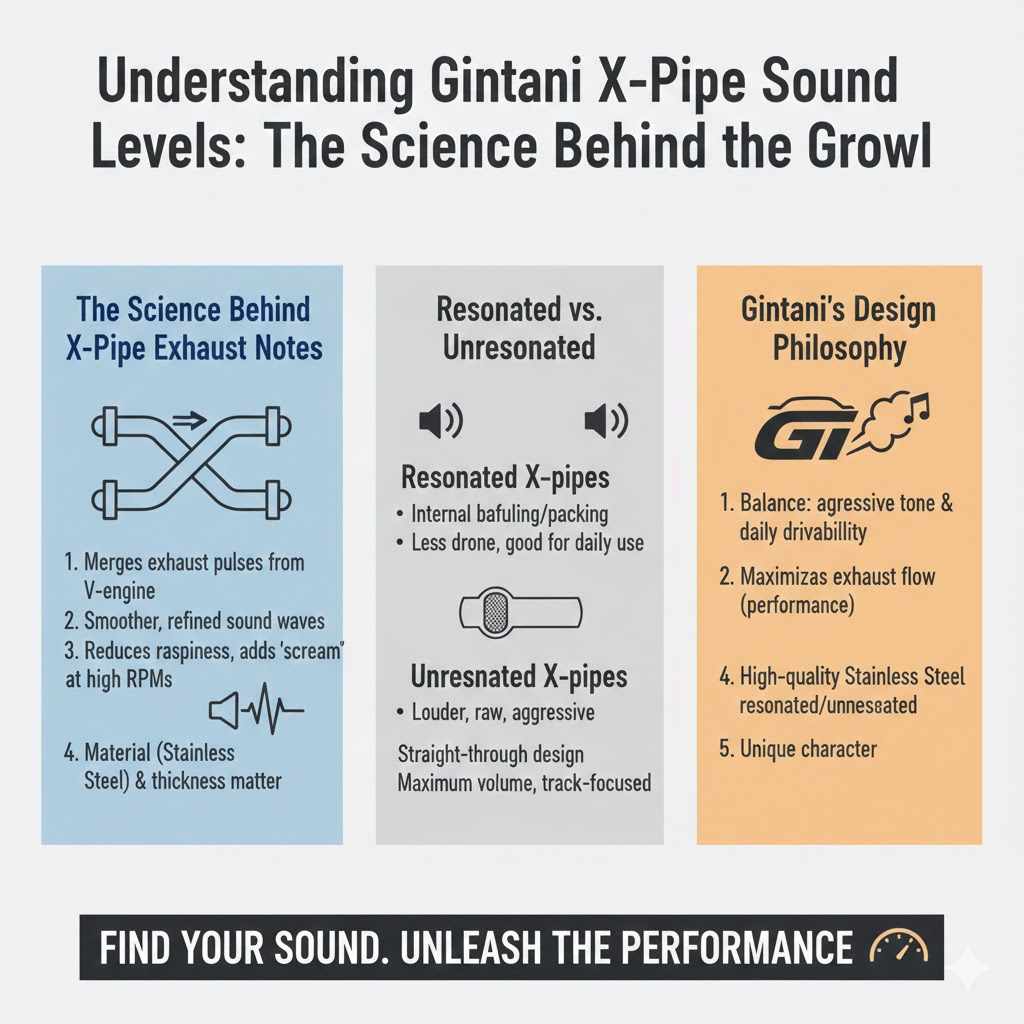
The Science Behind X-Pipe Exhaust Notes
An X-pipe in an exhaust system is designed to improve exhaust scavenging and alter the sound. It connects the two exhaust manifolds from opposite banks of a V-engine, creating an ‘X’ shape. This connection allows exhaust pulses to merge, which can help reduce backpressure.
It also creates a smoother flow for the exhaust gases.
When exhaust gases flow through the X-pipe, they mix. This mixing changes the sound waves. It tends to smooth out the raspier notes and can create a more refined, often higher-pitched, tone compared to an H-pipe.
The sound can become more of a “scream” or “wail” at higher RPMs. This is a key difference from how a straight pipe or an H-pipe sounds.
The material used for the X-pipe also matters. Stainless steel is common because it’s durable and doesn’t rust easily. Different grades of stainless steel can have slight variations in how they resonate.
Thicker materials tend to dampen sound more than thinner ones. The internal design, like whether it’s a resonated or unresonated X-pipe, significantly impacts the final sound volume and tone.
Resonated vs. Unresonated X-Pipes
Resonated X-pipes have an additional chamber or packing material inside that helps to absorb some of the sound waves. This makes the exhaust note quieter and smoother. It’s a good option if you want a more aggressive sound than stock but still need to keep noise levels manageable for everyday driving or to pass sound regulations.
Unresonated X-pipes are essentially straight pipes that form the ‘X’ shape. They offer the least amount of sound muffling. This results in the loudest and most aggressive exhaust note.
If you’re aiming for maximum volume and a raw, unadulterated exhaust sound, an unresonated X-pipe is the way to go. It allows the engine’s natural exhaust note to come through with minimal alteration.
Many enthusiasts choose based on their preference for a deeper rumble or a higher-pitched bark. The choice also depends on the specific car model. For example, a V8 engine might produce a different tone with an X-pipe than a V6.
The overall exhaust system, including mufflers and catalytic converters, also plays a huge role.
- Resonated X-pipes: Quieter, smoother sound, less drone. Good for daily drivers who want a bit more growl without being obnoxious. They use internal baffling or packing to cancel out some noise frequencies.
- Unresonated X-pipes: Louder, more raw, aggressive sound. Ideal for track use or those who want their car to be heard. They offer maximum exhaust flow and volume.
Material and Construction Impact
The type of metal used for an X-pipe can affect its sound. Stainless steel is a popular choice due to its strength and corrosion resistance. Different grades of stainless steel, like 304 or 409, can have minor differences in their resonant frequencies.
Thicker gauge metal generally absorbs more vibration and can lead to a slightly deeper or more muted tone.
The welding quality and the precision of the bends also contribute to the overall sound. Clean, smooth welds reduce turbulence, which can lead to a cleaner exhaust note. Poorly made pipes with rough internal surfaces can create unwanted noise and turbulence.
Gintani often uses high-quality materials and precise manufacturing to ensure a consistent and desirable sound.
Some X-pipes are designed with specific internal diameters and lengths to tune the exhaust note. These dimensions are calculated to optimize exhaust scavenging and to create specific harmonic frequencies. A well-designed X-pipe will sound better and perform more efficiently than a generic one.
This attention to detail is what separates premium exhaust components.
Gintani’s Design Philosophy for X-Pipes
Gintani is known for producing exhaust systems that offer a distinct sound profile. Their X-pipes are often engineered to provide a balance between aggressive tone and manageable loudness. They aim for a sound that is sporty and exciting without being overwhelming for daily use, though some configurations can be quite loud.
Their designs typically focus on maximizing exhaust flow to improve performance. However, they also pay close attention to the acoustic properties of their pipes. This means that the shape, diameter, and material are all chosen to achieve a specific sound.
They want their exhausts to have a unique character that enthusiasts can recognize.
Gintani often uses high-quality stainless steel for durability and sound quality. They might also offer different options, such as resonated or unresonated versions, to cater to a wider range of customer preferences. This allows individuals to choose a sound level that best suits their needs and driving style.
The goal is to enhance the driving experience with a premium exhaust note.
What Makes a Gintani X-Pipe Sound Loud?
The loudness of any exhaust, including a Gintani X-pipe, is determined by several factors. The primary reason is the reduction of muffling. Traditional mufflers are designed to absorb and redirect sound waves, significantly reducing noise.
An X-pipe, especially an unresonated one, bypasses or replaces much of this muffling capacity.
The engine’s displacement and configuration also play a massive role. A larger engine, like a V8, naturally produces more exhaust volume and therefore louder exhaust notes. The firing order of the engine can also influence the sound.
The X-pipe’s design itself, particularly its diameter and how it merges the exhaust gases, directly affects the sound waves that reach the listener.
Furthermore, the absence or presence of catalytic converters and secondary mufflers further modifies the sound. If a Gintani X-pipe is installed with a straight-pipe setup or minimal muffling, the resulting sound will be significantly louder. The materials used, like thinner gauge metals, can also vibrate more, contributing to overall perceived loudness.
Assessing the Sound Output of Gintani X-Pipes
Here, we’ll discuss how to measure and describe the sound of Gintani X-pipes. We will look at subjective opinions, objective measurements, and common user feedback. Understanding these different aspects will give you a clearer picture of what to expect.
Subjective Descriptions of Gintani Exhaust Sound
Many enthusiasts describe Gintani X-pipes as having a deep, aggressive, and exotic tone. At lower RPMs, they might offer a noticeable growl that is more pronounced than stock. As the engine speed increases, the sound can transform into a high-pitched, exotic scream, often compared to sports car sounds from European manufacturers.
Some users report a significant increase in volume, especially when the throttle is applied. They note that the exhaust can be quite loud and attention-grabbing. Others find that Gintani offers a good balance, providing a sporty sound without excessive drone during highway cruising.
Drone is an unwanted, persistent humming sound that can be annoying.
The specific vehicle application also influences subjective descriptions. A Gintani X-pipe on a BMW M3 might sound different than on a Porsche 911, even with similar X-pipe designs. Factors like engine size, exhaust manifold design, and the rest of the exhaust system all contribute to the final audible experience.
Online videos can give a sense, but hearing one in person is the best way.
Common Adjectives Used by Owners
- Aggressive: This is a frequent description, suggesting a bold and powerful sound that stands out. It implies a noticeable departure from a quiet factory exhaust.
- Exotic: Many users associate the sound with high-performance European sports cars. It often means a sharper, higher-pitched note, especially at higher engine speeds.
- Deep Growl: At idle and lower RPMs, the exhaust can produce a satisfyingly low rumble. This is a characteristic many drivers look for.
- Screamer: When the engine revs up, the sound can become very intense and high-pitched, often described as a “scream” or “wail.” This is a hallmark of many performance exhausts.
- Raspy: Some configurations, particularly when paired with certain engine types or other exhaust components, might exhibit a slight raspiness. This can be a matter of personal preference.
- Throaty: This term suggests a rich, full-bodied sound that is pleasing to the ear. It implies a powerful and resonant exhaust note.
These descriptions highlight the dramatic change an X-pipe can bring. It’s not just louder; it’s a different quality of sound. The goal for many is to achieve this more engaging auditory feedback from their vehicle.
It enhances the driving experience by making the car feel more alive.
Objective Sound Measurements Decibel Levels
Measuring exhaust loudness involves using a decibel (dB) meter. While specific dB ratings for every Gintani X-pipe configuration on every car aren’t readily available from Gintani themselves, general expectations can be formed. Stock exhausts typically operate in the 70-80 dB range during normal driving.
Aftermarket performance exhausts, especially those that bypass mufflers or catalytic converters, can easily push these numbers much higher. An unresonated X-pipe, when paired with a cat-back exhaust system without mufflers, could potentially reach 95-105 dB or more under acceleration. This is significantly louder than stock and can be comparable to loud motorcycles.
For context, 90 dB is often considered the threshold where prolonged exposure can cause hearing damage. Many car clubs and track days have dB limits, often around 95-100 dB. Therefore, knowing the specific dB output of a Gintani X-pipe for your particular car is important if you plan to attend track events or live in areas with strict noise ordinances.
It’s important to note that dB readings can vary based on the testing environment, the distance of the meter from the exhaust, and the engine RPM. The shape of the exhaust tip and its position also influence how sound is projected.
Sample Decibel Ranges (Estimated)
| Exhaust Configuration | Estimated Decibel Range (dB) | Notes |
|---|---|---|
| Stock Exhaust | 70-80 dB | Normal driving, quiet. |
| Gintani Resonated X-Pipe (with mufflers) | 85-95 dB | Sporty, noticeable growl, manageable for daily use. |
| Gintani Unresonated X-Pipe (with mufflers) | 90-100 dB | Aggressive, loud acceleration, potential for drone. |
| Gintani Unresonated X-Pipe (cat-back, no mufflers) | 95-105+ dB | Very loud, track-focused, may exceed local noise limits. |
These are approximate figures. Actual results will depend heavily on the vehicle and other exhaust components. Always check specific product reviews or forums for your car model to get more precise information.
User Feedback and Reviews
Online forums and owner reviews are invaluable resources for understanding the real-world sound of Gintani X-pipes. Many owners share their experiences, often with video clips and detailed descriptions of the sound at different RPMs and throttle positions.
Users often praise Gintani for delivering an exciting sound that enhances the driving experience. For many, the “exotic” or “screamer” note at high RPMs is a major selling point. However, some users also mention that certain Gintani X-pipe setups can produce a significant amount of drone, especially on longer highway drives.
This is a common trade-off with performance exhausts.
When reading reviews, it’s helpful to look for feedback from owners with the same or a similar car model. The exhaust note can vary greatly depending on the engine. Pay attention to descriptions of sound at idle, during acceleration, and at cruising speeds.
This will give you a comprehensive picture of the sound profile.
- Positive Feedback: Owners frequently highlight the aggressive tone and the dramatic change from the stock exhaust. The high-RPM “scream” is often cited as a major benefit.
- Concerns about Drone: A recurring theme in some reviews is the presence of drone at highway speeds. This is more common with unresonated versions.
- Video and Audio Comparisons: Many owners upload sound clips, which, while not perfect, offer a good preview of the exhaust note. Comparing these clips can help you gauge the loudness.
- Car-Specific Experiences: Always try to find reviews from owners of the same car you drive. A Gintani X-pipe on a BMW might sound very different from one on a Subaru WRX.
This real-world feedback is often more reliable than marketing descriptions. It reflects the actual auditory experience of using the product daily.
Factors Influencing Gintani X-Pipe Loudness
This part delves into the specific aspects of an X-pipe and its installation that dictate how loud it will be. We will explore how choices made during manufacturing and by the installer affect the final sound level.
Resonators and Mufflers
The presence or absence of resonators and mufflers is the biggest factor in exhaust loudness. A Gintani X-pipe is typically part of a larger exhaust system. If it’s paired with high-flow mufflers and resonators, the sound will be less aggressive and loud.
If it’s used with a straight-pipe setup or minimal muffling, it will be very loud.
Resonators are designed to cancel out specific sound frequencies, often the low-frequency drone that can be annoying. Mufflers use chambers and sound-absorbing materials to reduce overall sound pressure. Gintani may offer X-pipe kits that include options for resonated or unresonated mid-pipes, or they may be designed to be compatible with aftermarket or factory mufflers.
An unresonated X-pipe allows exhaust pulses to merge directly without any sound dampening. This results in a louder, more raw sound. A resonated X-pipe has an internal chamber or baffle that breaks up sound waves, reducing volume and smoothing the tone.
The choice between these options will dramatically affect how loud your Gintani X-pipe setup sounds.
The Role of the Muffler
The muffler is the primary component responsible for quieting an exhaust system. It’s a chamber designed to absorb sound energy. Inside, exhaust gases pass through a series of baffles, chambers, and perforated tubes.
These features force the sound waves to bounce around, collide, and cancel each other out.
Aftermarket mufflers, especially “performance” mufflers, are designed to be less restrictive than stock mufflers. This allows more exhaust flow, which can increase power, but it also means they muffle sound less effectively. Some performance mufflers aim for a balance, offering a sportier sound without being excessively loud.
If you are installing a Gintani X-pipe, the type of mufflers you use will greatly determine the final sound level. A straight-through muffler design will be louder than a chambered muffler. Gintani often designs their X-pipes to work with specific muffler types or offers full cat-back systems that integrate their X-pipe with their own designed mufflers for a specific sound result.
Catalytic Converters
Catalytic converters are part of the emissions control system. They use a honeycomb structure coated with precious metals to convert harmful gases into less harmful ones. This structure also acts as a significant sound baffle, reducing exhaust noise.
Removing or replacing catalytic converters with “cat deletes” or high-flow catalytic converters will increase exhaust loudness. High-flow cats reduce backpressure for performance but still offer some sound dampening. Cat deletes offer the maximum increase in sound and performance but are illegal in many places and can cause check engine lights.
When considering the loudness of a Gintani X-pipe, it’s crucial to factor in the catalytic converters. If your setup retains the factory catalytic converters, the sound will be noticeably quieter than if they are removed or
High-Flow Catalytic Converters
High-flow catalytic converters are designed with a larger, less restrictive honeycomb structure. This allows exhaust gases to pass through more easily, improving engine performance. However, because the internal structure is less dense, they do not absorb as much sound energy as stock catalytic converters.
While they offer some sound dampening, they are significantly louder than factory catalytic converters. When paired with an X-pipe, they contribute to a more aggressive exhaust note. Many performance exhaust systems include high-flow cats as part of the package to balance sound, performance, and emissions compliance.
The choice of high-flow catalytic converters can therefore make a Gintani X-pipe setup noticeably louder than if the stock units were retained. It’s a modification that many performance enthusiasts consider when aiming for a louder and sportier exhaust sound.
Engine Size and Type
The engine is the source of the exhaust sound. Larger engines, especially those with more cylinders like V8s, produce a greater volume of exhaust gases and thus a naturally louder sound. The firing order of an engine also influences the exhaust note’s character and frequency.
For example, a Gintani X-pipe on a 4.0L V8 engine will likely sound much louder and deeper than the same X-pipe on a 2.0L 4-cylinder engine. The V8 will have more exhaust pulses to merge and a larger overall volume of expelled gas. The X-pipe helps to shape this sound.
The configuration of the engine, such as a V-engine versus an inline engine, dictates the need for an X-pipe in the first place. V-engines have two banks of cylinders, and the X-pipe merges the exhaust from these two banks. This merging is key to the sound alteration it provides.
Inline engines typically use different exhaust manifold designs.
Specific Engine Examples
- BMW V8 Engines (e.g., S65, S85): These engines are known for their high-revving nature and characteristic exotic scream. A Gintani X-pipe on such an engine will amplify this sound significantly, creating a very aggressive and loud exhaust note, especially at higher RPMs.
- Porsche Flat-Six Engines (e.g., Mezger, DFI): Porsche boxers have a unique exhaust note. A Gintani X-pipe can enhance the raspiness and volume, leading to a very distinctive and loud sound that is highly sought after by enthusiasts.
- Audi V10 Engines (e.g., Gallardo, R8): These naturally aspirated V10s produce an incredible sound. Adding a Gintani X-pipe can elevate this to an extreme level, making it exceptionally loud and exotic, often described as a symphony of high-pitched exhaust notes.
These examples illustrate how the base engine’s characteristics are magnified by an aftermarket X-pipe. The Gintani X-pipe acts as a tuning device, shaping and amplifying the engine’s natural exhaust symphony.
Exhaust Pipe Diameter and Length
The diameter of the exhaust pipes, including the X-pipe itself and the piping leading to and from it, affects flow rate and resonance. Larger diameter pipes generally allow for more exhaust gas flow, which can contribute to increased volume. However, the diameter must be correctly matched to the engine’s needs.
Too large a diameter can hurt low-end torque and may not produce the desired tone. Too small a diameter will restrict flow and limit performance. Gintani designs their X-pipes with specific diameters tailored to the vehicles they are intended for, aiming for an optimal balance of sound and performance.
The length of the exhaust system also plays a role in acoustics. Different lengths can emphasize certain frequencies and cancel others out. This is why exhaust systems are carefully engineered.
An X-pipe’s specific dimensions, including the length of the merging tubes, are calculated to influence the sound wave patterns.
Importance of Proper Fitment
Correct fitment is crucial for both performance and sound. An X-pipe that is not properly installed or is the wrong size for the vehicle can lead to leaks, exhaust backpressure issues, and an unintended, often unpleasant, sound. Gintani typically offers specific X-pipe models for various car makes and models.
When you purchase a Gintani X-pipe, it’s usually designed to bolt directly onto the existing exhaust hangers and connect to the factory or aftermarket catalytic converters and mufflers. This ensures that the gases flow correctly through the pipe’s intended design.
Improper installation, such as exhaust leaks at the connection points, can cause popping, crackling, and a generally unrefined sound. It can also make the exhaust seem louder in unintended ways due to the escaping gases. Professional installation is often recommended to ensure optimal sound and performance.
Installing a Gintani X-Pipe and Sound Expectations
This section covers what happens during installation and how it might change the sound you hear. We’ll discuss common installation methods and what to expect post-installation.
Professional Installation vs. DIY
Installing an exhaust system like an X-pipe can range from straightforward to moderately difficult, depending on your vehicle and your mechanical skills. For many, professional installation is the preferred route. Mechanics have the specialized tools, lifts, and experience to ensure the system is fitted correctly and safely.
A professional installer will ensure there are no exhaust leaks, which are critical for both sound quality and performance. They can also properly torque all connections, preventing future issues. For complex systems or if you’re not comfortable working under your car, professional installation is the best option.
DIY installation can save money, but it requires proper tools, such as jack stands, wrenches, sockets, and potentially an exhaust hanger removal tool. It also demands patience and attention to detail. If you choose to DIY, follow the manufacturer’s instructions closely and double-check all connections for leaks.
Tools and Techniques for Installation
- Lifting the Vehicle: Safely raising the car on jack stands or a lift is the first step. Ensure the car is stable and secure.
- Removing the Old Exhaust Section: This usually involves unbolting the existing mid-pipe or resonator section. Exhaust hangers might need to be carefully pried off.
- Installing the New X-Pipe: Position the Gintani X-pipe, aligning the inlet and outlet pipes with the existing exhaust system. Connect it using the provided clamps or bolts and gaskets.
- Checking for Leaks: After installation, start the engine and listen for any hissing or popping sounds, which indicate leaks. These need to be sealed.
- Tightening and Securing: Ensure all bolts are tightened to the proper specification and that the exhaust system is securely hung.
Proper installation is key to achieving the intended sound and performance benefits of the Gintani X-pipe. A poorly installed system can sound worse than stock and may not function as designed.
Post-Installation Sound Changes
Once a Gintani X-pipe is installed, you’ll immediately notice a significant change in sound. The exhaust will be louder, with a deeper growl at idle and a more aggressive tone during acceleration. The characteristic “X-pipe sound” — often a smoother, more exotic note compared to an H-pipe — will become apparent.
At higher RPMs, the sound typically intensifies, becoming louder and often developing a higher-pitched “scream” or “wail.” This is the sound many performance enthusiasts seek. However, you might also notice more exhaust drone, which is a persistent humming sound that can be heard inside the cabin, especially during steady-state cruising at highway speeds.
The intensity of the sound and the amount of drone will depend heavily on whether you chose a resonated or unresonated X-pipe and the type of mufflers and catalytic converters that remain in your system. The engine itself will also contribute to the overall sound profile.
Break-in Period Considerations
Some exhaust components can sound slightly different after a brief break-in period. As the exhaust system heats up and the materials settle, the sound might change subtly. For a new exhaust system, the sound might become a bit deeper or smoother after a few hundred miles of driving.
This settling-in process allows the metal to expand and contract, and any residual manufacturing oils or coatings to burn off. While not as dramatic as the initial change from stock, this refinement can lead to a slightly more developed exhaust note. It’s generally a positive change that enhances the sound.
It’s worth noting that while a break-in period is common for engines, the effect on exhaust sound is usually minimal for most aftermarket parts. However, some installers and manufacturers suggest driving normally for a bit to allow the system to “mature.”
Sound Levels in Different Driving Conditions
The loudness of a Gintani X-pipe will vary greatly depending on how you are driving.
- Idle: At idle, the exhaust will be noticeably louder and more resonant than stock. You’ll hear a deeper, more aggressive growl that indicates the presence of a performance exhaust. It’s usually present but not overwhelming.
- Light Acceleration: As you gently accelerate, the exhaust note will build. You’ll hear a sporty tone that is more pronounced than stock but still quite manageable for everyday driving.
- Hard Acceleration: This is where the X-pipe truly shows its character. Under full throttle, the exhaust will become very loud, with a high-pitched, exotic scream. This is the sound that turns heads.
- Cruising Speed (Highway): This is where drone can become an issue, especially with unresonated X-pipes. A persistent humming or resonating sound can be heard inside the car. The intensity of this drone depends on the specific setup and the car’s sound insulation.
The overall sound experience is dynamic, changing significantly with engine load and RPM. It offers a thrilling soundtrack during spirited driving but might require adjustments for comfort during long highway trips.
Comparisons: Gintani X-Pipes vs. Other Exhaust Options
This section provides a look at how Gintani X-pipes compare to other popular exhaust modifications. We will focus on sound differences and overall impact.
Gintani X-Pipe vs. H-Pipe
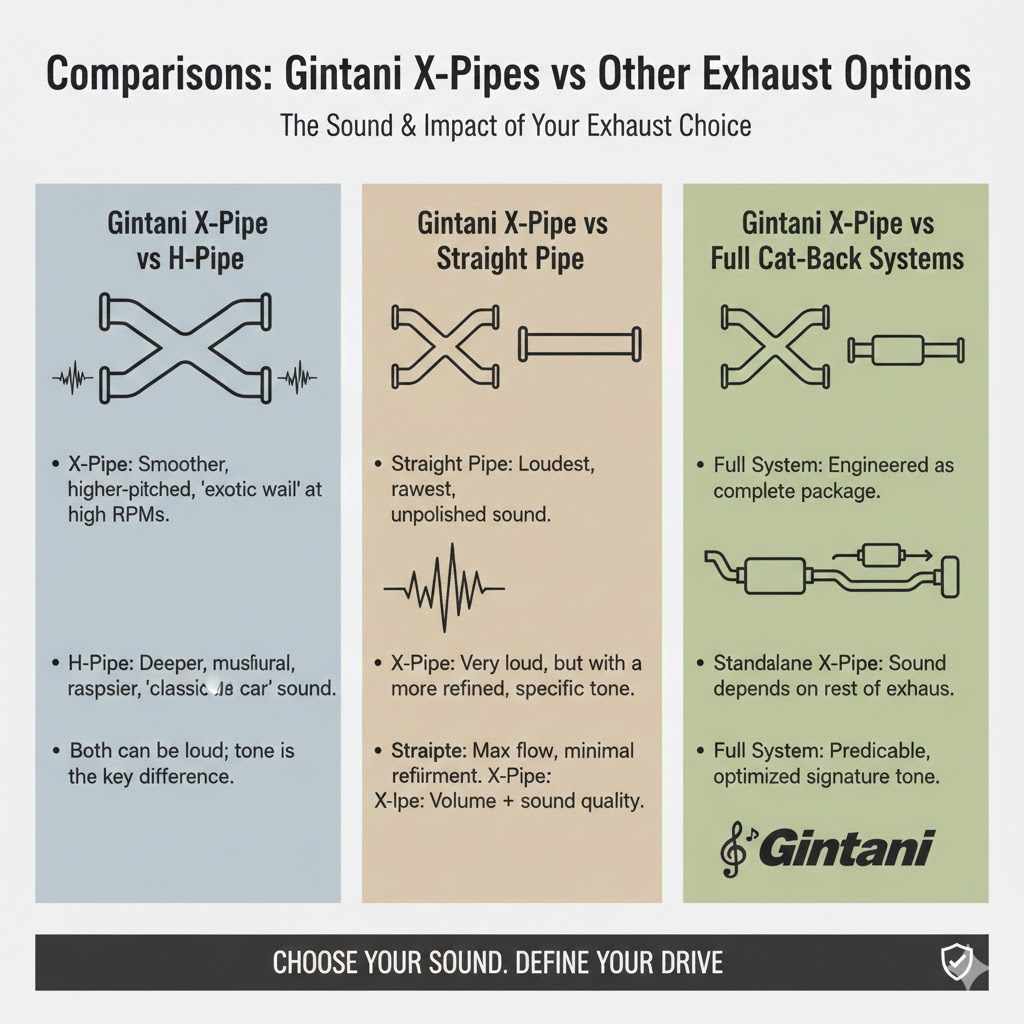
The main difference between an X-pipe and an H-pipe lies in how they merge exhaust gases, which directly impacts sound. An H-pipe uses a simple crossover pipe to connect the two exhaust banks, forming an ‘H’ shape. This merging is less efficient than an X-pipe’s merge.
An H-pipe tends to produce a deeper, more muscular, and often raspier sound. It’s sometimes described as a classic muscle car sound. An X-pipe, as discussed, tends to create a smoother, higher-pitched, and more exotic or “wailing” sound, especially at higher RPMs.
Gintani X-pipes are engineered for this latter characteristic.
In terms of loudness, both can be equally loud when unresonated. However, the tonal quality is very different. If you want that signature European sports car scream, an X-pipe like Gintani’s is usually preferred.
If you’re after a burly V8 rumble, an H-pipe might be more your style.
Gintani X-Pipe vs. Straight Pipe
A straight pipe bypasses all restrictive components, including mufflers and resonators, and often catalytic converters. It’s essentially an open tube from the engine back. This results in the loudest possible exhaust note.
A Gintani X-pipe, even an unresonated one, still influences how the exhaust gases merge. While it can be very loud, it often has a more refined and specific tone than a completely straight pipe. A straight pipe might sound more raw and unpolished, with potentially more popping and crackling.
Most performance X-pipes, including Gintani’s, are designed to offer a balance of increased volume and a desirable sound quality. A straight pipe prioritizes maximum volume and flow above all else, often at the expense of tonal refinement and legality in many areas.
Gintani X-Pipe vs. Full Cat-Back Systems
A cat-back system replaces the exhaust from the catalytic converter back to the muffler and tailpipe. It often includes an X-pipe or H-pipe as part of the kit. Gintani itself might offer full cat-back systems that incorporate their X-pipe.
When comparing a Gintani X-pipe as a standalone component versus a full cat-back system from Gintani or another brand, the loudness and sound characteristics can differ. A full system is designed as a complete package, with all components optimized to work together for a specific sound and performance profile.
If you buy just the Gintani X-pipe, the final sound will depend on the rest of your exhaust system. If you buy a full cat-back system that includes their X-pipe, you can be more certain of the intended sound outcome, as it’s engineered as a complete unit. Gintani’s full systems are usually designed to deliver their signature aggressive, exotic tone.
Frequently Asked Questions
Question: Are Gintani X-pipes too loud for daily driving?
Answer: It depends on the specific Gintani X-pipe configuration and your car. Resonated versions are often suitable for daily driving, offering a sportier sound without excessive noise. Unresonated versions can be quite loud and may produce drone, making them less ideal for some drivers.
Question: How does an X-pipe affect horsepower?
Answer: X-pipes are designed to improve exhaust scavenging and reduce backpressure, which can lead to a slight increase in horsepower and torque, particularly in the mid to upper RPM range. This effect is usually more pronounced on performance-oriented engines.
Question: Can Gintani X-pipes cause my car to fail emissions tests?
Answer: Generally, if you retain the factory catalytic converters, installing a Gintani X-pipe should not affect your ability to pass emissions tests. However, modifications that remove or alter catalytic converters are illegal and will cause failure.
Question: Will a Gintani X-pipe fit my specific car model?
Answer: Gintani designs X-pipes for specific makes and models. It’s crucial to purchase the exact X-pipe designed for your vehicle to ensure proper fitment and optimal performance and sound.
Question: What is exhaust drone and how can I reduce it with a Gintani X-pipe?
Answer: Exhaust drone is an unpleasant, resonating hum at certain RPMs. You can reduce drone by choosing a resonated Gintani X-pipe or by ensuring you have effective mufflers in your exhaust system. Some people also add drone-cancelling modules.
Summary
Gintani X-pipes offer a thrilling, aggressive, and often exotic exhaust note. Their loudness varies significantly based on whether they are resonated or unresonated, and how they are integrated with your car’s mufflers and catalytic converters. For a sportier growl, they excel.
For a high-RPM scream, they deliver powerfully. You can expect a dramatic sound upgrade that truly enhances the driving experience.