How High Should Tailpipes Sit on a Pickup?
Many pickup truck owners wonder about the best height for their exhaust pipes. This is a common question, especially for those new to customizing their trucks or looking to make modifications. It can seem a little tricky to know the right way to go. Don’t worry, though! We’re here to make it super simple. We’ll walk you through it step-by-step. After this, you’ll know exactly what to do. Let’s get started and see what’s involved.
Understanding Tailpipe Height for Your Pickup
The height of your pickup’s tailpipes matters for a few good reasons. It’s not just about how your truck looks; it can also affect performance and even safety. Getting this right ensures your truck works well and stays in good shape.
Legal and Practical Considerations
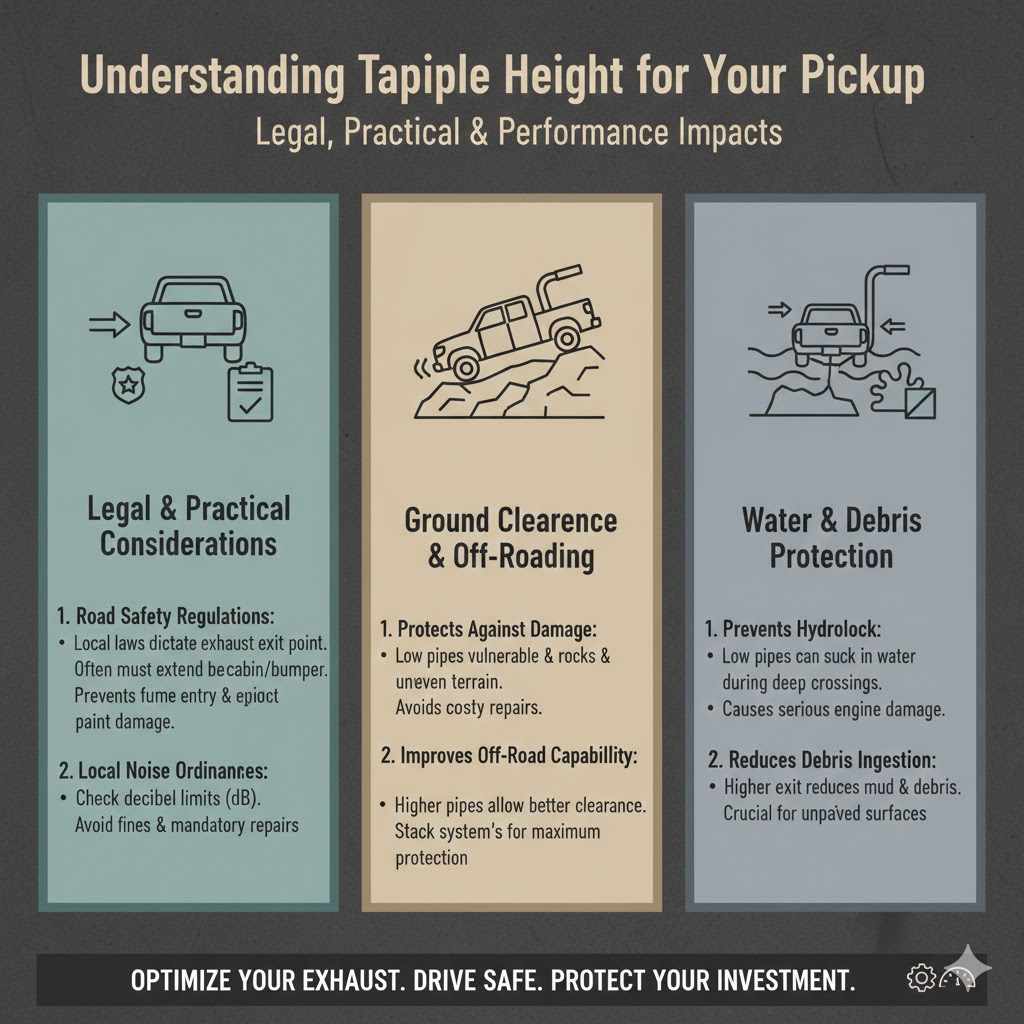
There are rules about how high tailpipes can be. These rules help keep everyone safe and the air clean. Your tailpipes also need to be positioned so they don’t cause problems when you drive.
Road Safety Regulations
Many places have rules about exhaust pipe placement. These rules often say the tailpipe tip must extend beyond the truck’s body. This is to move exhaust fumes away from the cabin and people nearby. For instance, some regulations require the exhaust to exit behind the cab or under the rear bumper. This prevents drivers and passengers from inhaling harmful gases. It also helps keep the truck’s paintwork cleaner. Checking your local laws is always a smart first step.
Ground Clearance and Off-Roading
If you plan to take your pickup off-road, tailpipe height is very important. Lower tailpipes can easily get damaged by rocks or uneven terrain. This can lead to costly repairs. Raising the tailpipes higher on the vehicle can protect them. It allows for better ground clearance, so your truck can handle tougher trails without issue. Many off-road enthusiasts opt for “stack” exhaust systems that exit upwards. This keeps the pipes well out of harm’s way.
Water and Debris Protection
The height of your tailpipe can also protect your engine. If tailpipes are too low, they can suck in water during deep crossings. This can cause serious engine damage, a problem known as hydrolock. Keeping the tailpipe exit point higher can help prevent water from entering the exhaust system. It also helps reduce the amount of mud and debris kicked up into the exhaust. This is especially true for trucks that frequently drive on unpaved surfaces.
Factors Influencing Tailpipe Placement
Several things will help you decide how high your tailpipes should be. Your truck’s design, what you use it for, and even how you want it to look all play a part.
Truck Design and Body Style
Different pickup trucks have different body shapes and frame designs. This affects where tailpipes can be placed. Some trucks have more room underneath than others.
Frame Rails and Undercarriage Space
Pickup trucks have a sturdy frame that runs underneath the body. This frame provides space for exhaust systems. The distance between the frame rails and the ground is crucial. Trucks with higher frames naturally offer more options for tailpipe routing. Trucks with lower frames might limit how high you can run the pipes without hitting the body. Examining the underside of your specific truck will show you the available space. You’ll see where the existing exhaust is routed and what options exist for changes.
Bed and Cab Configurations
The length of your truck’s bed and the type of cab (single, extended, crew) also influence tailpipe options. For standard setups, pipes might exit under the rear bumper. For trucks with custom beds or modified bodies, you might have more freedom. Some people choose to route pipes through the bed. This is often seen on show trucks for a unique look. However, it requires careful planning to ensure it’s functional and safe.
Suspension Modifications
If you’ve changed your truck’s suspension, it can affect tailpipe height. Lifting a truck raises its ground clearance. This means you can potentially run tailpipes higher and away from obstacles. Conversely, lowering a truck reduces ground clearance. This makes tailpipe placement trickier. You might need to use smaller diameter pipes or tuck them up tightly to avoid scraping. It’s vital to consider suspension changes when planning any exhaust modifications.
Intended Use of the Pickup
How you use your truck significantly impacts tailpipe placement. A daily driver has different needs than a work truck or an off-road vehicle.
Daily Driving and Commuting
For trucks used primarily for daily driving, appearance and noise levels are often key. Most stock trucks have tailpipes exiting neatly under the rear bumper. This is a practical and legal choice. It keeps the exhaust fumes away from the cabin and minimizes noise. If you’re just looking for a slight upgrade, maintaining a similar exit point is usually best. You might opt for polished tips for a better look.
Work Truck Applications
Work trucks often face demanding conditions. They might carry heavy loads or tow trailers regularly. The tailpipe should be positioned to avoid interference with towing equipment. It should also be robust enough to withstand potential impacts from loading or unloading. Keeping pipes tucked up and away from the bumper can be beneficial. This prevents damage when the truck is working hard.
Off-Road and Overland Adventures
This is where tailpipe height becomes critical. Off-road trucks need maximum ground clearance. They also face hazards like rocks, mud, and water crossings. Tailpipes that exit upwards, often called “stack” exhausts, are popular. These direct fumes high into the air, away from passengers and the vehicle itself. They also prevent water from entering the exhaust system during deep water fords. For serious off-roading, it’s essential to protect the exhaust from damage.
Aesthetic Preferences and Customization
Many truck owners modify their exhaust systems for looks. This is where personal taste comes into play.
Visible Tips and Stacks
Some owners want their exhaust tips to be a visible part of the truck’s design. They might choose large, shiny tips that exit at the rear corners of the bumper. Others prefer “stack” exhausts that rise vertically along the sides of the truck bed. These can be purely for looks or for functional reasons as mentioned before. The visual impact of the tailpipe is a major consideration for many custom builds.
Subtle Integration
Other owners prefer a more understated look. They might opt for tailpipes that are hidden or blend in with the truck’s body. This often means routing them to exit just before or behind the rear wheels, without prominent tips. The goal here is to enhance the truck’s appearance subtly rather than making a bold statement. This approach focuses on clean lines and a factory-like finish.
How High Should Tailpipes Sit on a Pickup? Key Dimensions
Deciding on the exact height involves considering a few specific measurements and guidelines.
Minimum Clearance Guidelines
To ensure safety and legality, tailpipes must meet certain minimum clearance requirements from the ground.
Ground Clearance Measurements
Most regulations suggest tailpipes should be at least 6 inches from the ground when the truck is empty. However, this can vary greatly by location and vehicle type. The important thing is that the exit point is high enough to avoid scraping on normal road surfaces and minor obstacles. When the truck is loaded or traveling over uneven ground, the exhaust pipes will be closer to the surface. Thus, a buffer is needed.
Regulatory Differences
Laws about exhaust systems differ from country to country and even state to state. Some areas might have stricter rules on how far the exhaust must extend from the vehicle body. Others focus more on noise levels and emissions. It is always best to consult your local Department of Motor Vehicles (DMV) or equivalent authority. They can provide precise details on tailpipe regulations for your area.
Optimal Height for Various Uses
The “best” height depends on how you plan to use your truck. There isn’t a single answer that fits all.
Standard Use Trucks
For trucks used for everyday driving, a height that tucks neatly under the rear bumper is common. This typically places the tailpipe tip around 10-12 inches from the ground. This height provides sufficient clearance for most road conditions and keeps the exhaust fumes away from the cabin. It also maintains a clean aesthetic.
Off-Road Focused Trucks
For serious off-roading, tailpipes should be as high as possible. Ideally, they should exit above the truck bed, or at least at the top of the rear fenders. This ensures they are well clear of obstacles and water. Some advanced setups even route the exhaust system discreetly through the bodywork. This maximizes protection and clearance.
Work or Towing Trucks
For trucks that frequently tow or carry heavy loads, tailpipe placement needs to consider potential interference. Positioning them to exit slightly to the side and higher up, perhaps just in front of the rear wheels or under the bumper but angled slightly upward, can be effective. This keeps them out of the way of trailer hitches and other equipment.
Considerations for Exhaust Pipe Diameter
The size of your exhaust pipe also plays a role in how it fits and where it can be routed.
Pipe Diameter and Ground Clearance
Larger diameter exhaust pipes take up more space. If you have limited room under your truck, a smaller diameter pipe might be necessary. This can affect the sound and performance of your engine. A common diameter for aftermarket exhaust systems on pickups is 3 to 4 inches.
Routing and Bending
The flexibility of the exhaust pipe material and the ability to bend it will influence routing options. Some pipes are designed to be more easily manipulated to fit around frame components or body panels. This allows for higher mounting positions. Custom bending might be required for specific placements.
Installing and Modifying Pickup Tailpipes
Once you know how high you want your tailpipes, the next step is installation or modification. This can be a DIY project or done by a professional.
DIY Installation Steps
For those comfortable with tools, installing new tailpipes can be a rewarding project.
Gathering Tools and Materials
You’ll need basic tools like wrenches, sockets, a jack, and jack stands. You might also need a pipe cutter and possibly a welder if you’re doing custom work. Safety equipment, like gloves and eye protection, is essential. Ensure you have all the necessary exhaust hangers and clamps.
Measuring and Cutting Existing System
Carefully measure where you want the new tailpipe to exit. Mark the old exhaust pipe and cut it using a pipe cutter. If you are extending an existing system, you’ll need to ensure a secure connection. This often involves slip-fit connectors or clamps.
Fitting and Securing New Pipes
Attach the new tailpipe sections to the existing system. Use appropriate hangers to support the weight and position the pipes correctly. Ensure they have enough clearance from the body, suspension, and driveshaft. Double-check that the pipes are not rubbing against anything. This can cause noise and damage over time.
Final Checks and Testing
Start the engine and check for any leaks. Listen for any unusual noises or rattles. Inspect the tailpipe placement to confirm it meets your desired height and clearance. A test drive is a good idea to ensure everything stays in place.
When to Seek Professional Help
Not all exhaust modifications are simple. Some require specialized knowledge and equipment.
Complex Customizations
If you’re planning significant changes, like routing pipes through the bed or creating a custom stack system, it’s best to go to a professional exhaust shop. They have the tools and expertise to fabricate and install these complex systems safely and correctly. This includes proper welding and mounting techniques.
Welding and Fabrication
Many custom exhaust setups require welding to join pipes or create specific bends. If you don’t have welding experience or equipment, a professional shop can handle this. They can ensure strong, leak-free welds that will last.
Ensuring Legal Compliance
An experienced exhaust shop can also ensure your modifications meet all local legal requirements. They understand emissions standards and safety regulations. This can save you trouble down the road.
Example Scenario: Off-Road Tailpipe Upgrade
Imagine you have a pickup truck you take off-roading frequently. Your current tailpipes exit under the rear bumper and have already been scraped a few times.
1. You decide to have a custom exhaust shop install “stack” tailpipes.
2. The shop measures your truck and plans to route the pipes up along the sides of the bed.
3. They cut and fabricate new exhaust sections, ensuring smooth bends.
4. The new pipes are welded securely and then mounted using strong brackets and hangers.
5. The tips are positioned just above the rear fender line, providing excellent clearance.
6. Your truck can now tackle rough terrain without worrying about damaging the exhaust.
Case Study: Impact of Tailpipe Height on Towing
A landscaping company uses a fleet of pickup trucks for hauling equipment and trailers. They noticed that on some trucks, the standard tailpipes were getting bent or damaged when towing heavier loads, especially when backing up.
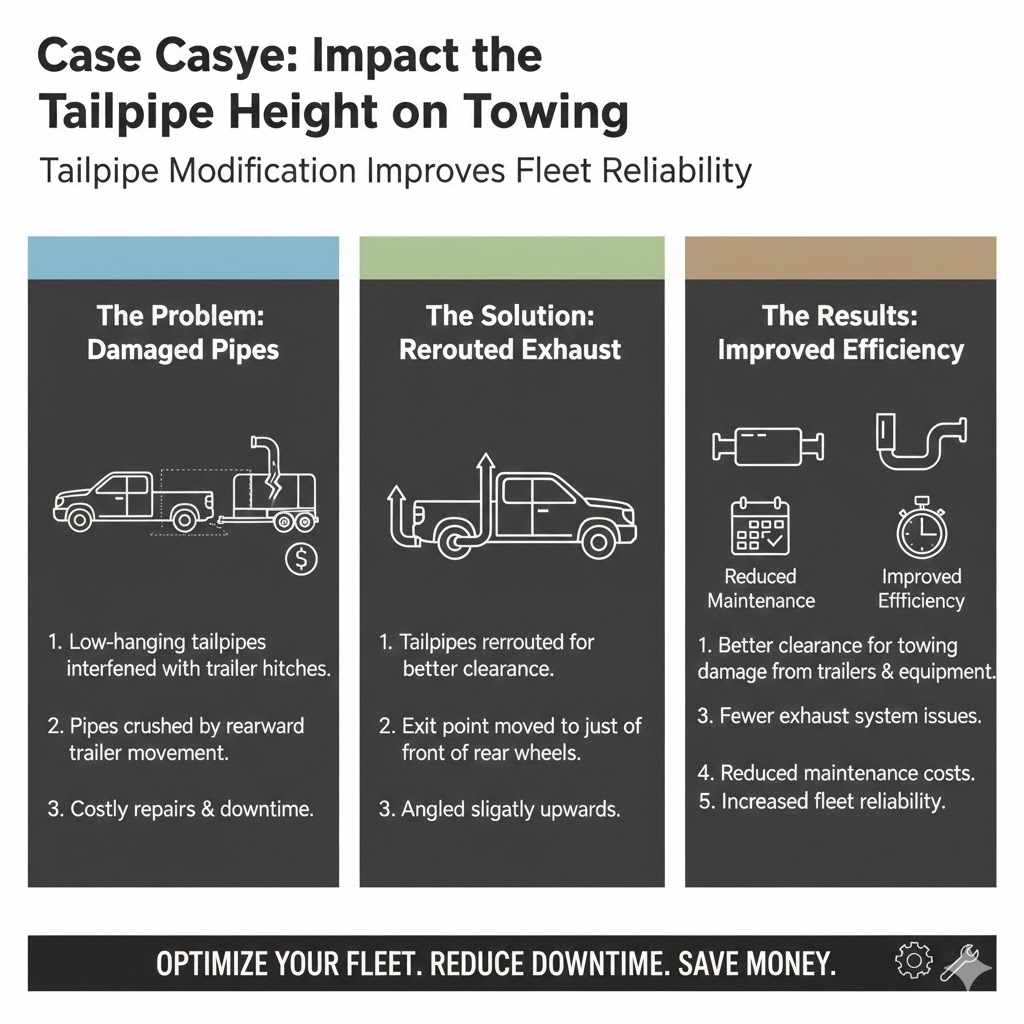
The Problem: Low-hanging tailpipes interfered with trailer hitches and could be crushed by rearward trailer movement. This led to costly repairs and downtime.
The Solution: The company decided to modify the tailpipes on their newer trucks. They chose to have the tailpipes rerouted to exit just in front of the rear wheels, angling slightly upwards.
The Results: This change provided better clearance for towing. The tailpipes were less exposed to damage from trailers and also from loading and unloading equipment in the bed. The trucks experienced fewer exhaust system issues, leading to reduced maintenance costs and improved operational efficiency. This practical adjustment significantly improved their fleet’s reliability.
Frequently Asked Questions
Question: What is the minimum height for pickup truck tailpipes
Answer: Generally, tailpipes should be at least 6 inches from the ground, but local laws vary, and higher is often better for clearance.
Question: Can tailpipes be routed through the truck bed
Answer: Yes, some custom builds route tailpipes through the truck bed, often for aesthetic reasons or to maximize ground clearance.
Question: Will higher tailpipes affect my truck’s sound
Answer: The height itself doesn’t significantly change the sound, but the muffler and pipe diameter you choose will have a bigger impact.