Are 5.2 And 5.9 Exhaust Manifolds the Same: Key Differences
You’ve probably heard about the 5.2 and 5.9 exhaust manifolds if you’re diving into the world of car modifications or maintenance. But are they really the same, or do they have distinct differences that could impact your vehicle’s performance?

POFOEA
POFOEA 2PCS Exhaust Gasket, Bolt Exhaust Flange…
- Compatibility Wide Applications: Universal fit for most cars trucks and SUVs. This multifunctional 3-bolt exhaust flange gasket wo…
- Material Construction: Made from high-quality composite material with a galvanized or stainless steel outer layer and graphite asb…
- Installation: Easy installation with three slotted bolt holes. Simply place the gasket between clean exhaust flange contact surfac…
As an Amazon Associate I earn from qualifying purchases.
Your curiosity might be piqued, and you’re not alone. Many car enthusiasts and professionals alike often ponder this question. By understanding the nuances between these two components, you can make informed decisions that could enhance your car’s efficiency and power.
Let’s explore the answers together, so you can gain the knowledge you need to optimize your vehicle’s performance. Keep reading, because the insights you’ll uncover could be the key to unlocking your car’s full potential.
Exhaust Manifold Basics
Understanding exhaust manifold basics is essential for vehicle owners. This component plays a key role in a car’s performance. It connects the engine to the exhaust system. It helps guide exhaust gases away. This ensures the engine runs smoothly and efficiently. Let’s dive into its function and materials used.
Function And Importance
An exhaust manifold collects exhaust gases from engine cylinders. It directs these gases into the exhaust pipe. Proper functioning prevents engine damage. It also helps reduce noise. The manifold is crucial for maintaining optimal engine performance. A faulty manifold can cause reduced efficiency. It can also lead to increased emissions.
Common Materials Used
Exhaust manifolds are often made from cast iron. Cast iron is durable and can withstand high temperatures. Steel is another common material. It offers good heat resistance and strength. Some manifolds use stainless steel. Stainless steel resists corrosion and lasts longer. Each material has its own advantages. Choosing the right material affects durability and performance.
Credit: www.ebay.com
Design And Structure
Understanding the design and structure of exhaust manifolds is crucial. The manifolds in engines help direct exhaust gases. Each engine type has its unique manifold design.
The 5.2 and 5.9 exhaust manifolds are two distinct types. They may seem similar at first glance. Yet, their design and structure reveal differences.
Visual Characteristics
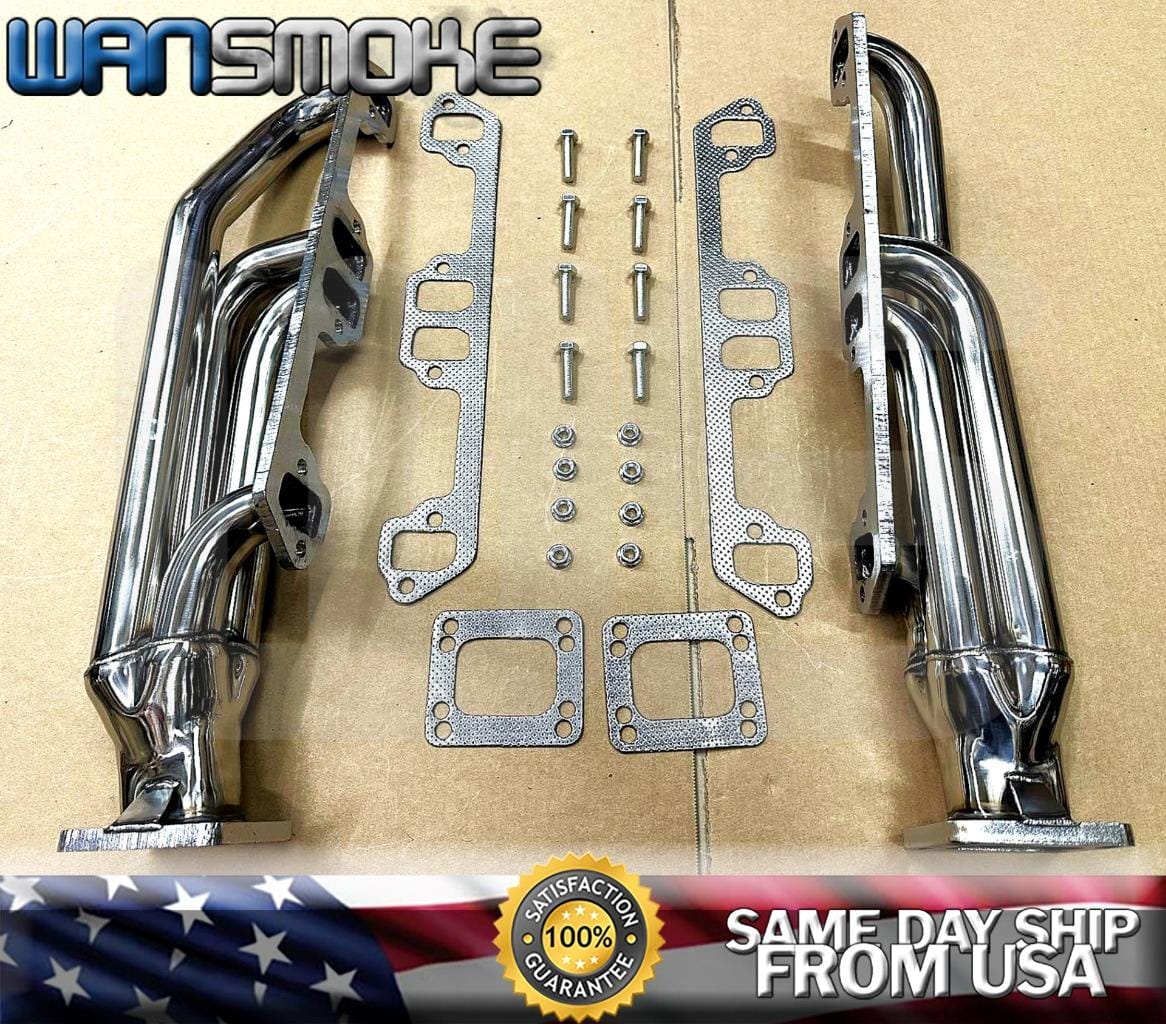
The visual characteristics of 5.2 and 5.9 manifolds vary. The 5.2 manifold has a simpler design. Its shape is more compact and streamlined.
The 5.9 manifold appears more robust. It has larger ports and a bulkier frame. This makes it stand out in engine bays.
Engineering Specifications
Engineering specifications highlight the differences. The 5.2 manifold is designed for efficiency. It handles moderate exhaust flow rates.
The 5.9 manifold supports higher power outputs. It can manage increased exhaust flow. This makes it suitable for heavy-duty applications.
Material choice also differs. The 5.2 often uses lightweight materials. The 5.9 uses more durable materials for strength.
Performance Implications
Exhaust manifolds play a crucial role in engine performance. They direct exhaust gases away from the engine. The design differences between 5.2 and 5.9 manifolds can affect performance. Understanding these implications can help optimize your vehicle’s efficiency and sound.
Impact On Engine Efficiency
Engine efficiency relies heavily on exhaust flow. The 5.2 manifold may have a different flow pattern than the 5.9. This can influence how quickly gases exit the engine. A smoother flow often enhances efficiency. Efficient exhaust flow reduces engine strain. It can result in better fuel economy. Choosing the right manifold can lead to more miles per gallon.
Effects On Vehicle Sound
Vehicle sound is an essential aspect for many drivers. The manifold impacts the sound of your vehicle. A 5.2 manifold might produce a distinct tone compared to a 5.9. This difference can affect your driving experience. Some prefer a quieter ride. Others enjoy a more robust engine sound. The choice of manifold can cater to these preferences. It’s all about finding the right balance for your needs.
Compatibility And Installation
Compatibility and installation of exhaust manifolds are crucial for optimal performance. Understanding the differences between 5.2 and 5.9 manifolds can prevent installation headaches. Proper fit ensures smooth engine operation and avoids costly damage.
Fitment Issues
5.2 and 5.9 exhaust manifolds have different dimensions. Using the wrong manifold can lead to misalignment. Misalignment affects engine efficiency and increases wear and tear. Always check the manufacturer’s specifications before purchasing. A visual inspection can also reveal potential fitment problems.
Installation Process
Installing a manifold requires patience and precision. Begin by gathering necessary tools like wrenches and screwdrivers. Ensure the engine is cool before starting the process. Remove the old manifold carefully to avoid damaging surrounding components. Align the new manifold correctly to prevent leaks. Tighten bolts in a criss-cross pattern for an even fit.
Test the installation by starting the engine and checking for leaks. Listening for unusual sounds can indicate installation errors. Regular maintenance checks can prevent future issues. Following these steps ensures a successful installation every time.
Cost Considerations
Considering the cost differences, exhaust manifolds for 5. 2 and 5. 9 engines might seem identical. Yet, variations in design and material can affect price. It’s crucial to ensure compatibility with your vehicle’s engine before purchasing.
When considering the purchase of exhaust manifolds for your vehicle, cost is often a critical factor. Are you wondering if the 5.2 and 5.9 exhaust manifolds are the same when it comes to cost considerations? Let’s dive into the specifics of what you might expect to pay and the long-term value you could receive.
Price Comparison
The price tag of a 5.2 exhaust manifold can differ significantly from that of a 5.9. Typically, the 5.2 exhaust manifold is more budget-friendly. You might find this appealing if you’re looking to save some cash upfront. However, it’s essential to compare prices from multiple sources. Online retailers, local auto shops, and even second-hand sellers can offer varied prices. Keep an eye out for deals or discounts that can tip the scales in your favor.
Long-term Value
While initial cost is important, think about the long-term value. A cheaper manifold might not last as long, leading to more frequent replacements. This can add up in the long run. Consider the material and build quality. A durable manifold might cost more now but save you money over time through reduced maintenance and replacement needs. Isn’t it worth spending a bit more for peace of mind? Reflect on your driving habits and vehicle needs. Are you someone who pushes your vehicle to its limits?
If so, investing in a more robust manifold might be wise. Ultimately, weigh the upfront cost against potential future expenses. Which option aligns best with your budget and expectations? Your vehicle’s performance and your wallet will thank you for making an informed decision.

Credit: www.ebay.com
Aftermarket Options
Aftermarket options for exhaust manifolds offer variety and flexibility. Choosing the right exhaust manifold impacts vehicle performance. For 5.2 and 5.9 engines, aftermarket options are plentiful. These parts are tailored to specific needs and preferences.
Popular Brands
Many brands offer quality exhaust manifolds for 5.2 and 5.9 engines. Some brands focus on durability. Others emphasize performance enhancements. Borla is a well-known name in exhaust systems. It provides options that increase horsepower. Gibson offers manifolds that enhance torque. Each brand has unique features. Choosing the right one depends on your needs.
Customization Possibilities
Customizing exhaust manifolds offers several advantages. You can enhance power output. Or improve fuel efficiency. Modifying the manifold can change sound characteristics. Custom designs can fit specific engine setups. This ensures better compatibility. Customization allows a personal touch to engine performance. It provides an opportunity to experiment with different configurations.
Frequently Asked Questions
Are 5.2 And 5.9 Manifolds Interchangeable?
No, 5. 2 and 5. 9 exhaust manifolds are not interchangeable due to differences in engine design. While they may seem similar, slight variations in mounting points and dimensions can lead to compatibility issues. It’s crucial to use the correct manifold for each engine to ensure optimal performance and avoid potential damage.
Do 5.2 And 5.9 Engines Share Parts?
5. 2 and 5. 9 engines share some parts, but not exhaust manifolds. While they belong to the same engine family, specific components like manifolds differ due to engine size variations. Always verify part compatibility before installation to avoid issues and ensure proper engine function.
What Affects Manifold Compatibility?
Manifold compatibility is affected by engine size, mounting points, and design differences. Each engine has unique specifications, which can impact the fitment of exhaust manifolds. It’s essential to consider these factors to ensure proper installation and function, avoiding potential exhaust system problems.
Can Wrong Manifold Cause Engine Issues?
Using the wrong manifold can lead to engine issues such as poor exhaust flow or leaks. These problems may result in reduced performance, increased emissions, and potential engine damage. Always ensure you use the correct manifold for your specific engine model to maintain optimal functionality.
Conclusion
Choosing the right exhaust manifold matters. Not all are the same. The 5. 2 and 5. 9 manifolds differ in design. They fit different engines. Before buying, check compatibility. This avoids costly mistakes. Proper fit ensures better performance. It also improves engine efficiency.
Always consult a professional if unsure. A little research goes a long way. Keep your engine running smoothly. Make informed decisions. Your vehicle deserves the best.
Related pick: Check today's price on Amazon