How to Drain Wet Log Exhaust Manifolds Safely
Dealing with a wet log exhaust manifold can seem tricky, especially if you’re new to engines. Sometimes, water or other fluids can get trapped in your exhaust manifold, which isn’t good for your engine. You might be wondering how to get it out safely without causing more problems.

Drain Defender
Drain Defender Easy-Install Two-Stage Stairwell Drain Cover…
- PATENTED two-piece filter. Pull it straight from the box and place it over your existing drain. Protects round drains up to 8.5" d…
- Product dimensions: 12" Diameter x 2" High, but effective on smaller drains.
- Slotted barrier wall stops larger debris. Inner perforated screen traps smaller debris
As an Amazon Associate I earn from qualifying purchases.
It’s a common issue that can leave people scratching their heads. But don’t worry, it’s not as hard as it sounds! We’ll walk you through How to Drain Wet Log Exhaust Manifolds Safely with easy, step-by-step instructions.
Get ready to learn how to tackle this problem like a pro.
Understanding Wet Log Exhaust Manifolds
A wet log exhaust manifold is a situation where liquid, most commonly water, accumulates inside the exhaust manifold of an engine. This can happen for several reasons, like coolant leaks from a blown head gasket or condensation build-up from short trips where the engine doesn’t get hot enough to evaporate it. When this liquid sits in the manifold, especially during startup or when the engine is off, it can cause serious damage like rust, corrosion, and even cracks due to thermal shock.
It’s a problem that needs to be addressed quickly to prevent more expensive repairs down the line.
Why Water Enters The Exhaust Manifold
Several issues can lead to water getting into your exhaust manifold. The most frequent culprit is a faulty head gasket. This gasket seals the combustion chamber, and when it fails, coolant can leak directly into the cylinders and then into the exhaust system.
Another common cause is excessive condensation, especially if the vehicle is used for frequent short trips. During these trips, the engine doesn’t reach its optimal operating temperature, so the exhaust gases don’t get hot enough to vaporize the moisture that naturally forms inside the engine. This moisture then cools and condenses in the exhaust manifold.
Cracked engine blocks or cylinder heads can also allow coolant to enter the exhaust ports. In rare cases, issues with the exhaust system itself, like backpressure problems, might contribute to moisture accumulation. Understanding these origins helps in preventing future occurrences after you’ve dealt with the immediate problem.
The Dangers of A Wet Exhaust Manifold
Leaving a wet exhaust manifold unattended can lead to a cascade of problems. The metal of the manifold will begin to rust and corrode rapidly when exposed to moisture and exhaust gases. This corrosion can weaken the manifold structure, eventually leading to cracks.
Thermal shock is another major concern. When a cold, wet manifold is suddenly exposed to the high temperatures of exhaust gases, the rapid expansion and contraction can cause it to crack. This can lead to exhaust leaks, which are noisy and can be dangerous as they release toxic fumes into the cabin.
Beyond physical damage, the presence of water can hinder the proper flow of exhaust gases. This can negatively impact engine performance, reduce fuel efficiency, and even cause misfires. In severe cases, the water can get pushed back into the engine, leading to hydrolock, where water fills a cylinder and prevents the piston from moving, potentially causing catastrophic engine failure.
Recognizing The Signs
Several tell-tale signs indicate you might have a wet log exhaust manifold. One of the most obvious is a loud hissing or sputtering sound coming from the engine bay, especially when you first start the car. This is often the trapped water being forced out by the initial exhaust pressure.
You might also notice white smoke or steam coming from your exhaust pipes, even on a warm day, which is the water being vaporized. Another sign is a significant loss of engine power or rough idling.
Corrosion on the exterior of the exhaust manifold, appearing as rust or flaky metal, can also point to internal moisture issues. If you smell a strong, unusual odor, especially a sweet smell like antifreeze, it could indicate coolant leaking into the exhaust. Keep an ear out for any new or unusual noises from your exhaust system, as these are often the first indicators of a problem.

How to Drain Wet Log Exhaust Manifolds Safely
Now that we know why it happens and what signs to look for, let’s get to the practical steps for How to Drain Wet Log Exhaust Manifolds Safely. The goal is to remove the trapped liquid without causing further harm to your engine or yourself. This process typically involves allowing the engine to run at a controlled temperature to evaporate the moisture or, in more severe cases, physically removing components to drain and clean them.
We will focus on the safest and most common methods for most vehicle owners.
Method 1 Running The Engine To Evaporate Water
This is the simplest method and works best for minor amounts of condensation or water that isn’t substantial. The idea is to get the exhaust system hot enough for the water to turn into steam and escape. You’ll need to start the engine and let it run for a significant period, typically 20 to 30 minutes.
It’s important to let it reach its normal operating temperature and stay there.
During this time, avoid revving the engine excessively. A steady idle or gentle acceleration is best. This allows the heat to build up gradually and evenly throughout the exhaust system.
You should observe the white smoke or steam dissipating as the water evaporates. After the run time, let the engine cool down completely before checking for any residual signs of moisture or unusual noises.
Preparing for the Engine Run
Before you start the engine to evaporate water, there are a few things to consider. First, ensure you are in a well-ventilated area. Running an engine indoors or in an enclosed space can lead to dangerous carbon monoxide buildup.
If you’re doing this in a garage, open the doors and consider using a fan to push exhaust fumes outside. Make sure your vehicle is parked on a level surface.
Also, check your engine oil and coolant levels before starting. If you suspect a blown head gasket, the oil might be milky, or the coolant might be low. Addressing these underlying issues is crucial.
If the problem is severe, this simple evaporation method might not be enough, and you may need to proceed to more involved steps.
Executing The Engine Run
Once prepared, start your engine. Let it idle until it reaches its normal operating temperature. You can monitor this using your dashboard’s temperature gauge.
Once it’s at temperature, continue running it for at least 20-30 minutes. If you have the opportunity to drive the vehicle gently for this duration, it can be even more effective than just idling, as the increased exhaust flow helps carry away moisture.
Listen for any changes in the engine sound. Initially, you might hear sputtering or hissing as water boils off. This should gradually decrease and stop as the system dries out.
Pay attention to the exhaust; you should see steam initially, which will eventually clear up. Do not rev the engine hard, as this can put extra stress on a potentially compromised manifold.
Method 2 Manual Draining and Cleaning
When the engine run method isn’t enough, or if you suspect a significant amount of liquid is trapped, manual draining might be necessary. This involves physically accessing the exhaust manifold to let the liquid out. This method requires more mechanical skill and tools, and safety precautions are paramount.
Assessing the Need for Manual Draining
You’ll know you need to move beyond just running the engine if the steam or sputtering continues for an extended period, or if you hear a significant gurgling sound from the exhaust manifold area. Persistent loss of power or engine misfires after an engine run also indicate a more substantial blockage. If you can see visible rust or damage on the exterior of the manifold, it’s a good sign that internal corrosion is also present, suggesting a more thorough approach is needed.
If you’ve recently experienced a situation where water could have entered the exhaust, such as driving through deep water or suspecting a coolant leak, manual draining is a proactive step. It’s also recommended if you’ve bought a used vehicle and want to ensure the exhaust system is in good condition. Always prioritize your safety and consider seeking professional help if you’re unsure about any step.
Safety Precautions Before You Start
Working on a vehicle’s exhaust system can be dangerous. Always ensure the engine is completely cool before you begin. Exhaust components can get extremely hot and cause severe burns.
Wear safety glasses to protect your eyes from debris. Wear thick gloves to protect your hands. Make sure the vehicle is securely supported on jack stands if you need to get underneath it.
Never rely solely on a jack to hold the vehicle up. A fire extinguisher should be readily accessible in case of any unexpected sparks or fires, although this is unlikely with exhaust system work if no fuel leaks are present. It’s also a good idea to disconnect the negative battery terminal to prevent accidental electrical shorts.
Steps for Manual Draining
Locate the exhaust manifold. It’s the component connected to the engine’s cylinder head that collects exhaust gases. You may need to remove heat shields or other components to get clear access.
Look for drain plugs if your manifold is designed with them; some performance manifolds might have these. If not, you might need to gently loosen or temporarily remove a section of the exhaust pipe connected to the manifold.
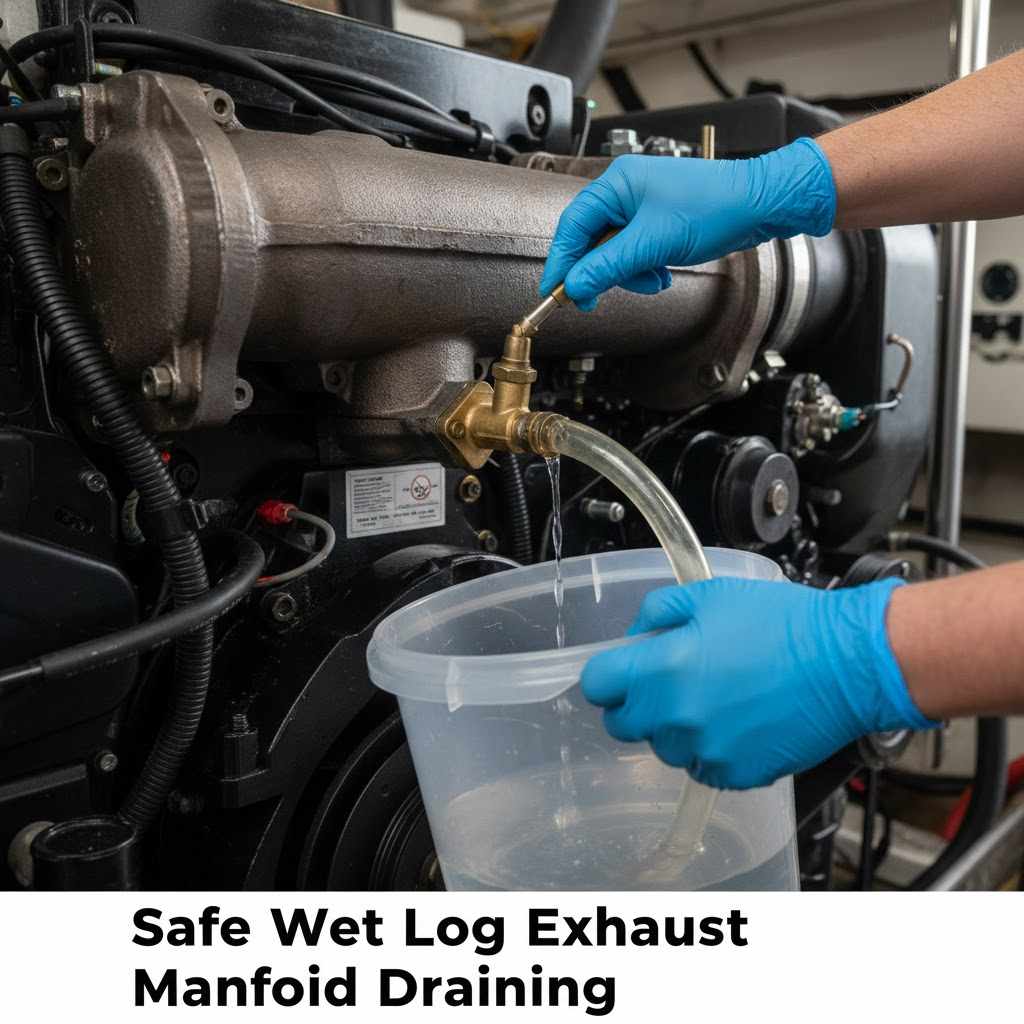
Position a drain pan underneath the suspected low point of the manifold. If there are drain plugs, carefully loosen and remove them. Be prepared for fluid to flow out.
If there are no drain plugs, you may need to carefully disconnect the exhaust pipe flange from the manifold. Again, have your drain pan ready. Once the fluid has drained, clean the area and reassemble any parts you removed.
Ensure all connections are tight and secure.
Inspecting and Cleaning The Manifold
After draining, it’s important to inspect the manifold. Look for signs of rust, cracks, or severe corrosion. If you find significant damage, the manifold may need to be
If coolant was the issue, you’ll want to flush the exhaust system as much as possible. For stubborn residue, a mild solvent might be used, but ensure it’s compatible with your exhaust system materials and thoroughly rinsed out. Thorough cleaning helps prevent further issues and ensures optimal exhaust flow.
Once clean and dry, reinstall any removed parts, making sure gaskets are properly seated for a leak-free seal.
Tools and Materials You Might Need
For manual draining, you’ll typically need a socket set or wrench set to remove heat shields and exhaust pipe bolts. A torque wrench is advisable for reassembling exhaust components to the manufacturer’s specifications. You’ll also need a sturdy drain pan, safety glasses, work gloves, and possibly a wire brush or scraper for cleaning.
Rags or shop towels are essential for wiping down surfaces.
Depending on the vehicle and the extent of disassembly required, you might also need penetrating oil to loosen stubborn bolts, replacement gaskets for exhaust pipe flanges, and possibly anti-seize compound for reassembling exhaust bolts to prevent them from seizing in the future. Always consult your vehicle’s repair manual for specific tool recommendations and torque values.
Dealing with Underlying Issues
It’s crucial to remember that draining the manifold is often just treating the symptom, not the cause. If a head gasket is blown, coolant will continue to leak, and you’ll face the same problem repeatedly. The same applies to cracked engine blocks or heads.
Short trip syndrome causing condensation needs to be managed with longer drives or specific engine tune-ups.
Always investigate why the water entered the manifold in the first place. If you’re unsure, it’s best to have a qualified mechanic diagnose the root cause. Addressing the underlying issue will save you time, money, and potential engine damage in the long run.
A mechanic can pressure test your cooling system, perform a combustion leak test, or inspect for physical damage to pinpoint the problem.
Preventing Future Water Ingress
Once you’ve successfully drained your wet log exhaust manifold, the next critical step is to prevent it from happening again. Prevention is always better than repair, and by taking a few proactive measures, you can keep your exhaust system healthy and avoid the headaches associated with waterlogged components. These preventative measures often involve regular maintenance and mindful driving habits.
Regular Maintenance Checks
Make it a habit to regularly inspect your exhaust system. Look for any signs of rust, leaks, or damage. Pay attention to the exhaust manifold specifically.
Checking your coolant and oil levels at every fuel stop or at least monthly can alert you to potential leaks before they become serious. If you notice any unusual smells or sounds, investigate them promptly.
Scheduled maintenance with a trusted mechanic is invaluable. They can perform thorough inspections of your cooling system, head gasket integrity, and the exhaust system as a whole. Catching small problems early can prevent them from escalating into major issues like a wet exhaust manifold.
Follow your vehicle’s recommended service intervals.
Mindful Driving Habits
If your vehicle is primarily used for short trips, try to incorporate at least one longer drive each week. A drive of 20-30 minutes at highway speeds will allow the engine and exhaust system to reach optimal operating temperature, burning off built-up condensation. This helps prevent moisture from sitting in the manifold and causing corrosion.
Avoid driving through deep puddles or floodwaters if possible. If you must, do so slowly and steadily. Driving through water at high speed can force water into various engine components, including the exhaust system.
Being aware of road conditions can save you a lot of trouble.
Addressing Coolant Leaks Promptly
Coolant leaks are a significant cause of water in the exhaust. If you notice your coolant level dropping without any visible external leaks, it’s a strong indicator that the coolant might be leaking internally, potentially into the combustion chambers and then the exhaust. This often points to a failing head gasket or a crack in the engine block or cylinder head.
Do not ignore signs of coolant loss. Get your vehicle inspected by a mechanic as soon as possible. Continuing to drive with a coolant leak can lead to overheating, engine damage, and the very problem of a wet exhaust manifold that you’re trying to avoid.
Early detection and repair of cooling system issues are key to maintaining engine health.

Frequently Asked Questions
Question: Can I use compressed air to dry the exhaust manifold
Answer: While compressed air can help remove loose debris, it’s not the most effective method for thoroughly drying out a wet exhaust manifold. The heat generated by running the engine is much better at converting trapped moisture into steam for removal. Compressed air might push water further into tight spots.
Question: How long does it take for an exhaust manifold to rust through
Answer: The time it takes for an exhaust manifold to rust through varies greatly depending on the material it’s made from, the severity of the moisture exposure, and environmental conditions like humidity and salt. Cast iron manifolds can take years to show significant rust, but persistent moisture can accelerate this process, potentially leading to cracks within months in severe cases.
Question: Is it dangerous to drive with a wet exhaust manifold
Answer: Yes, it can be dangerous. Trapped water can lead to exhaust leaks, releasing toxic fumes like carbon monoxide into the cabin. It can also cause performance issues and, in severe cases, lead to hydrolock or catastrophic engine failure.
It’s best to address the issue promptly.
Question: What is thermal shock on an exhaust manifold
Answer: Thermal shock occurs when a material experiences rapid temperature changes. In a wet exhaust manifold, when cold water is present, and the hot exhaust gases suddenly rush in, the rapid expansion and contraction of the metal can cause stress. This stress can lead to cracks or warping of the manifold.
Question: Can a catalytic converter be damaged by a wet exhaust manifold
Answer: While direct damage from water to a catalytic converter is less common, the issues that cause water to enter the exhaust (like engine misfires or coolant entering the exhaust) can indirectly affect the catalytic converter. For instance, unburned fuel or excessive moisture can coat the catalyst materials, reducing their efficiency and potentially leading to premature failure.
Summary
Dealing with a wet log exhaust manifold might seem intimidating, but How to Drain Wet Log Exhaust Manifolds Safely is achievable. We covered why water gets trapped, how to identify the signs, and two main methods for draining it: running the engine to evaporate moisture and manual draining and cleaning. Remember to always prioritize safety and address the root cause of the water ingress to prevent recurrence.
Regular maintenance and smart driving habits will keep your exhaust system in great shape.
Related pick: Check today's price on Amazon