Are All Oxygen Sensor the Same on a Vehicle? Discover Now!
Are you puzzled about the oxygen sensors in your vehicle and wondering if they are all the same? You’re not alone.

QIYBONE
Oxygen O2 Sensor Upstream Downstream 234-4622 234-9049…
- 【Vehicle Fitment】Compatible with Toyota Camry Base CE LE SE XLE 2004 2005 2006 2007 2008 2009, Camry Hybrid 2007 2008 2009 2010 20…
- 【Reference Number】Part Number or OE Number: Oxygen O2 Sensor Upstream: 234-4622, 2344622; Downstream: 234-9049, 2349049.
- 【Product Features】Our oxygen sensors are made of stainless steel and high temperature resistant materials, double protection with…
As an Amazon Associate I earn from qualifying purchases.
Many car owners face the same confusion, and it’s crucial to get this right. The performance of your vehicle, its fuel efficiency, and even how smoothly it runs can be significantly affected by these small but mighty components. Imagine driving with the confidence that your vehicle is operating at its best.
Understanding the differences in oxygen sensors can save you from unexpected repairs and enhance your car’s longevity. Keep reading to uncover the truth about oxygen sensors and find out what you need to know to keep your vehicle in top shape.
Oxygen Sensor Basics
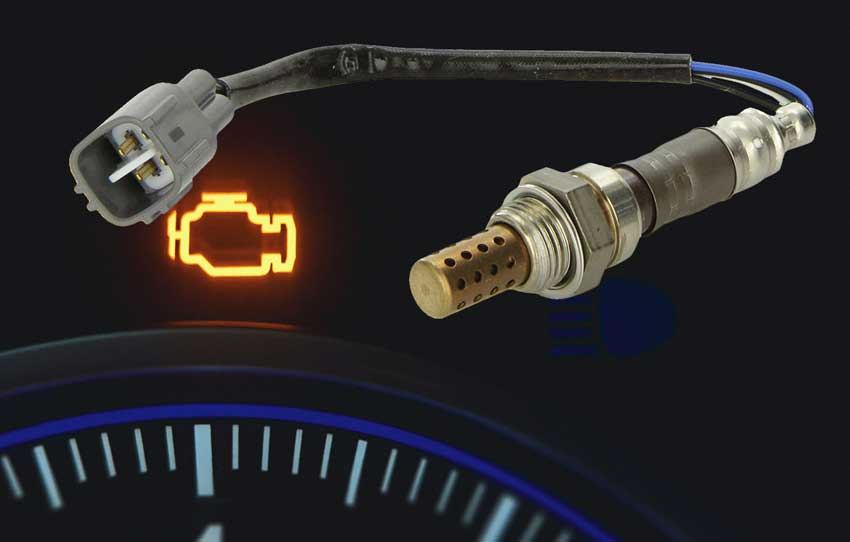
Oxygen sensors help cars run smoothly. They measure oxygen in car exhaust. This helps engines use the right fuel mix. Too much or too little oxygen can hurt the engine. Sensors send signals to the car’s computer. The computer adjusts the fuel mix based on these signals.
Not all oxygen sensors are the same. Some cars have more than one sensor. Some sensors are heated. Others are not. Heated sensors work better in cold weather. They start faster. Each sensor has a specific job. Placement in the exhaust system can vary.
It’s important to use the right sensor for your car. Using the wrong sensor can cause problems. The engine might not work well. Fuel efficiency can drop. Always check your car’s manual. It will tell you which sensor to use.

Credit: www.reddit.com
Types Of Oxygen Sensors
Zirconia oxygen sensors are very common. They measure oxygen in the exhaust. Zirconia material is used. It helps in detecting oxygen levels. These sensors are reliable. Most vehicles use them. They are good for basic oxygen checks.
Titania sensors use titanium dioxide. They work differently than zirconia sensors. They change resistance with oxygen levels. Titania sensors are found in some vehicles. They are less common. But they have unique uses.
Wideband sensors give more detailed data. They are more advanced. These sensors help in better fuel control. Wideband sensors are used in modern cars. They improve performance. They are important for precise tuning.
Differences In Sensor Design
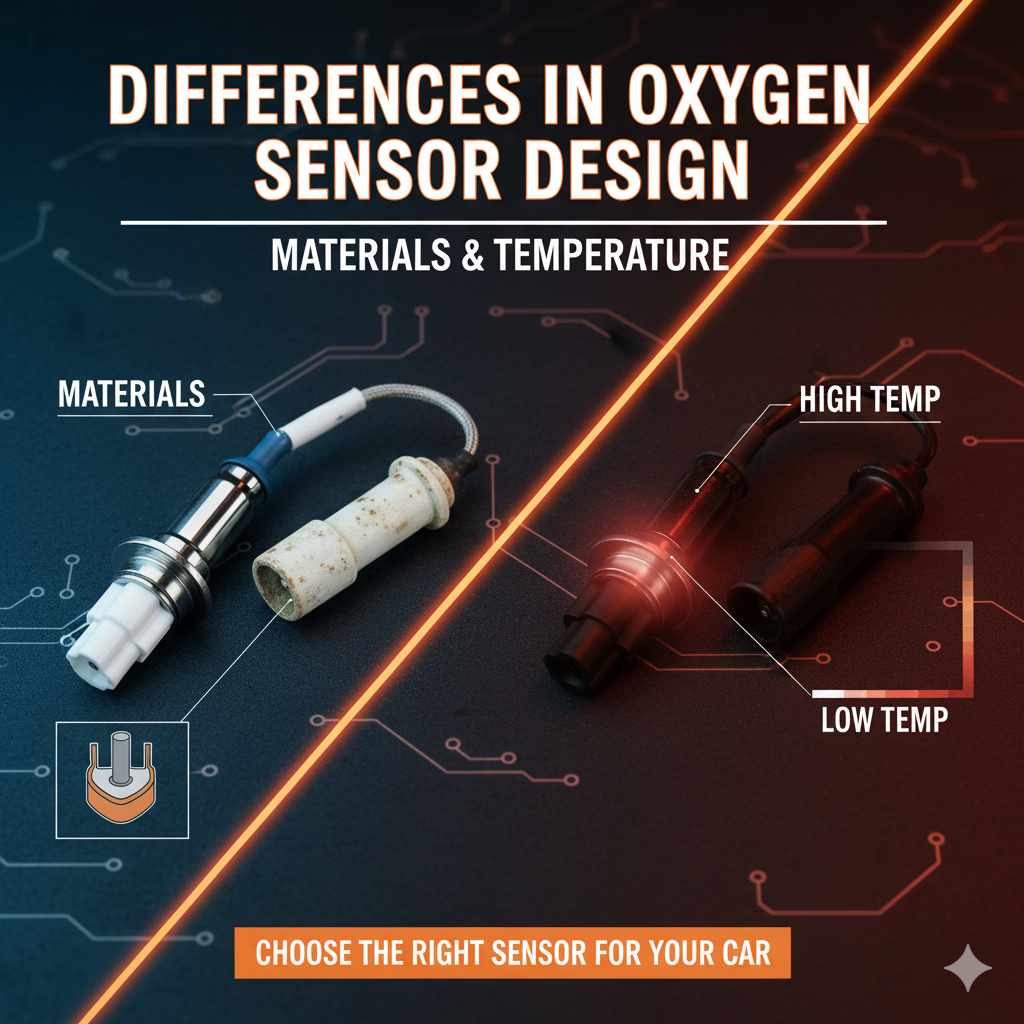
Oxygen sensors use different materials. Ceramic and zirconia are common. These materials react with oxygen. They send signals to the car’s computer. Ceramic sensors are cheaper. Zirconia sensors are more accurate. The choice affects performance and cost. Cars have different needs. Some need more precision. Others need to save money. Material affects how sensors work.
Sensors need heat to work well. Temperature affects their readings. Some sensors work at low temperatures. Others need high temperatures. Cars have different engine heat levels. Sensors must match these levels. Wrong sensors give bad data. This can cause problems. Choosing the right temperature range is key. It ensures the car runs smoothly.
Functionality Variations
Oxygen sensors can have different voltage outputs. Some sensors output a range from 0 to 1 volt. Others might have an output range of 0 to 5 volts. These variations affect how the engine control unitreads the sensor. Each type suits different vehicle models. It’s important to know which sensor your car needs. Using the wrong one can cause issues. It might lead to incorrect fuel adjustments. This can reduce engine efficiency.
Response time for oxygen sensors can vary. Some sensors respond quickly. Others might take a bit longer. Faster sensors help the engine adjust fuel better. Quick adjustments lead to smoother driving. Slow sensors might cause lag. This can result in less smooth rides. Choosing the right sensor is vital. It ensures optimal vehicle performance. Always check your car’s requirements.
Compatibility With Vehicle Models
Oxygen sensorsdiffer across vehicle models. Each car has its own sensor needs. Manufacturers design sensors to fit specific models. Using the wrong sensor can cause problems. This can affect your car’s performance.
Each manufacturer has unique specificationsfor their sensors. These details ensure the right fit and function. Not all sensors are made equally. They vary in size and features. Always check the specs before buying.
Sensor Fitment And Installation
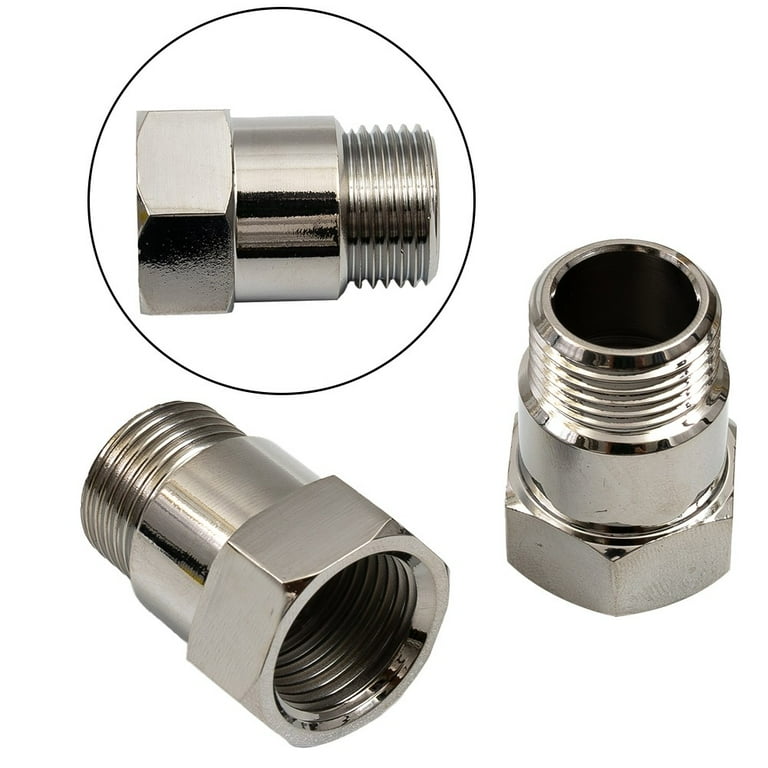
Proper fitment is crucial for sensor installation. Incorrect fit can lead to errors. Installation must follow manufacturer guidelines. Some sensors need professional installation. Others are easier to install at home. Always ensure the sensor fits well.
Credit: www.walmart.com
Impact On Vehicle Performance
Oxygen sensors help cars use less fuel. They check the air-fuel mixin the engine. If the mix is wrong, the engine uses more fuel. A good sensor saves fuel. This means you spend less money on gas. Cars that save fuel are better for the planet too. Everyone wants their car to be efficient. That is why sensors matter. They keep the engine running smooth. More fuel efficiency, more savings.
Oxygen sensors control the gases from cars. They make sure the car pollutes less. Bad sensors let harmful gases escape. Good sensors trap these gases. This keeps the air clean. Clean air is good for health. Kids and adults need clean air. Sensors help protect the planet. They make cars safer for everyone. Less pollution means a healthier world. Sensors are small but important. They help keep emissions low.
Selecting The Right Sensor
Choosing the right oxygen sensoris important. Different cars need different sensors. The first thing to check is the sensor type. Some cars use wide-band sensors. Others use narrow-band sensors. The car’s make and modelalso matter. Older cars might need different sensors than newer ones. Consider the sensor quality. Good sensors last longer. Bad sensors can cause problems.
Vehicle manuals are very helpful. They tell you what sensorto use. Manuals have detailed information. They show you where to find the sensor in the car. Look for the sensor part number. This ensures you get the right one. Manuals also give installation tips. They make the process easier.
Credit: www.protoolreviews.com
Frequently Asked Questions
Are All Vehicle Oxygen Sensors Interchangeable?
No, vehicle oxygen sensors are not interchangeable. Different vehicles require specific sensors to function properly. Variations in sensor design, size, and connection types mean that sensors are vehicle-specific. Always refer to your vehicle’s manual or consult a professional to ensure correct sensor compatibility.
Do Oxygen Sensors Affect Vehicle Performance?
Yes, oxygen sensors significantly impact vehicle performance. They monitor exhaust gases to optimize fuel mixture and combustion. A faulty sensor can lead to poor fuel efficiency, increased emissions, and reduced engine performance. Regular maintenance ensures sensors function correctly, enhancing overall vehicle performance.
How Often Should Oxygen Sensors Be Replaced?
Oxygen sensors typically require replacement every 60,000 to 100,000 miles. Replacement frequency depends on driving conditions and vehicle age. Regular checks and timely replacements prevent performance issues and maintain fuel efficiency. Always consult your vehicle’s manual for specific maintenance guidelines.
Can A Bad Oxygen Sensor Trigger A Check Engine Light?
Yes, a malfunctioning oxygen sensor can trigger the check engine light. The sensor’s role in regulating fuel mixture is crucial. If it fails, the vehicle’s computer detects the issue and alerts the driver. Prompt diagnosis and repair are essential to avoid further engine complications.
Conclusion
Choosing the right oxygen sensor is crucial for your vehicle. Not all sensors are the same. Different engines require specific sensors. Ensure compatibility with your car model. This affects performance and fuel efficiency. Consult a trusted mechanic for advice. Quality matters, so invest wisely.
Regular checks can prevent bigger issues. A small part, but vital for smooth driving. Keep your vehicle running efficiently. Always use the right parts for safety. Reliable sensors mean fewer trips to the repair shop. Remember, a little attention goes a long way.
Your car deserves the best care.
Related pick: Check today's price on Amazon