Are Cat-Back Exhausts Louder Than Axle-Back? Explained
Figuring out Are Cat-Back Exhausts Louder Than Axle-Back? can be tricky when you’re just starting. It’s common to feel a little lost with all the car talk. Don’t worry, though! This post will break it down simply. We’ll explore the differences between cat-back and axle-back exhaust systems and how they affect the sound of your car. By the end, you’ll have a clear idea of what to expect. Let’s get started!

Truck Exhaust Kits
Truck Exhaust Kits - Cat-back 2.5" Dual…
- 2.5" Mandrel Bent for Maximum Flow
- 2.5" Mandrel Bent for Maximum Flow
- No Muffler is Included
As an Amazon Associate I earn from qualifying purchases.
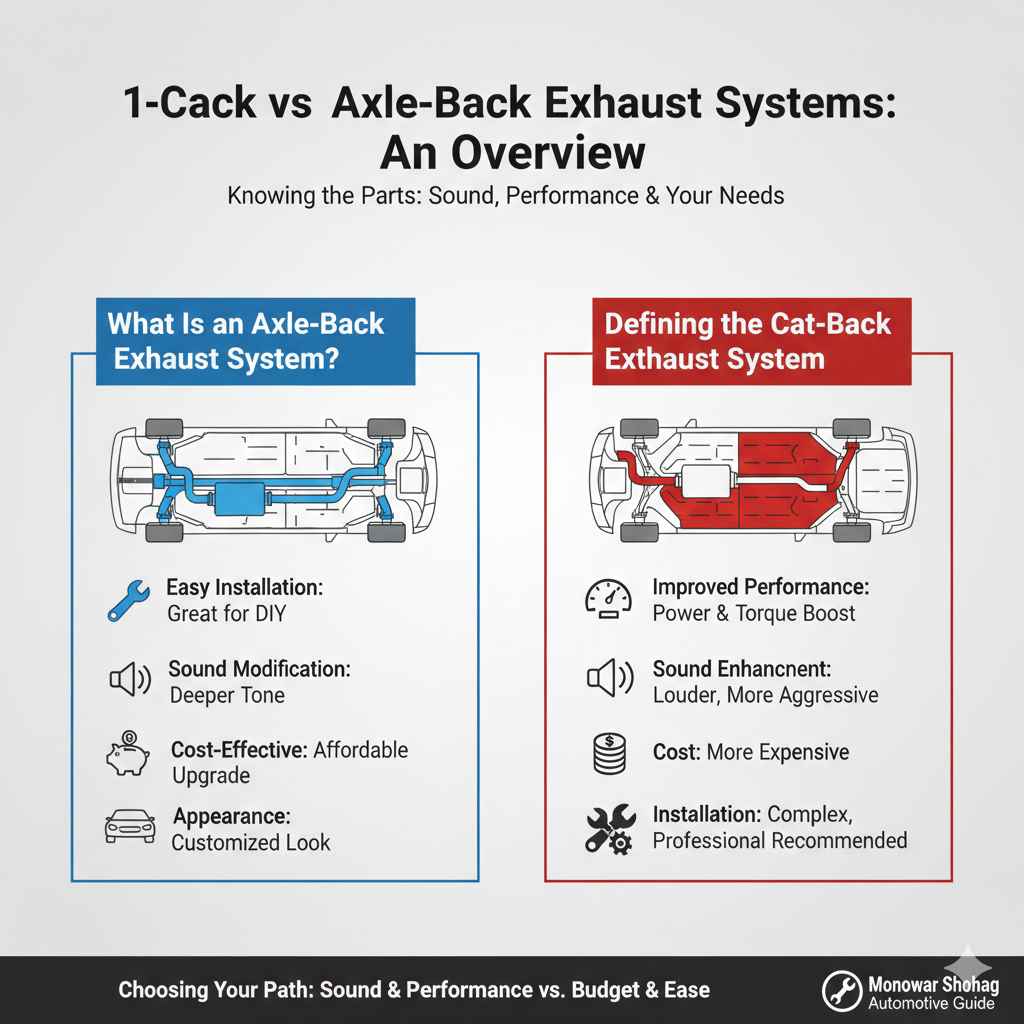
Cat-Back vs. Axle-Back Exhaust Systems: An Overview
Exhaust systems play a massive role in how your car performs and sounds. Knowing the parts helps you figure out which one is right for you. Two common types are cat-back and axle-back systems. Understanding these differences is the first step in deciding which setup meets your needs. This initial overview gets you ready for a more detailed look at sound, performance, and what you should consider when making your choice.
What Is an Axle-Back Exhaust System?
The axle-back exhaust system is the simplest upgrade. It’s called axle-back because it starts at the rear axle of your car and goes back to the exhaust tips. This system typically includes the muffler and the exhaust tips. You can often install it without many tools or advanced technical skills. The main purpose is to give your car a different sound and look. It’s a popular choice for people wanting to make a small change without spending too much money.
- Easy Installation: Most axle-back systems can be installed quickly. This makes them great for DIY projects. The ease of putting them in means you do not need to take your car to a mechanic, and this saves you both time and money.
- Sound Modification: Axle-back systems change the exhaust sound without many adjustments. This can give your car a deeper tone or make it louder. The change in sound is the main reason why people upgrade.
- Cost-Effective: Compared to full exhaust systems, axle-back systems are more affordable. This price point makes them a good option if you are on a budget. You still improve the sound without spending a fortune.
- Appearance: Upgrading your exhaust tips can improve the look of your vehicle. You can choose different styles and finishes to suit your taste. These changes provide a customized look.
Axle-back systems often offer a more direct and noticeable change in sound compared to just changing the exhaust tips. The sound improvement depends on the muffler’s design, often resulting in a more aggressive or refined tone, depending on the desired effect. The price difference between different axle-back systems is usually not huge. The price mostly depends on the materials and build quality.
Defining the Cat-Back Exhaust System
A cat-back exhaust system is a more extensive upgrade. This system starts from the catalytic converter and goes back. This includes the catalytic converter, the muffler, and the exhaust tips. Cat-back systems usually result in performance gains and sound changes. However, this often means a higher cost and a more challenging installation. Cat-back systems improve the flow of exhaust gases, improving how your car performs. This can give you a boost in power.
- Improved Performance: By removing the stock exhaust components and fitting larger pipes and better mufflers, the cat-back system will make it easier for exhaust gasses to leave. This increases power and torque, and it improves your vehicle’s performance.
- Sound Enhancement: The sound will be louder and more aggressive. The type of muffler and the diameter of the pipes will impact the final sound. Different systems offer varied tones.
- Cost: Cat-back systems are more expensive. This is because they use more components and usually take more time to fit. The price reflects the improved performance and sound.
- Installation: Installation is more complex and usually needs special tools. If you’re not used to working on cars, it is best to have this done by a professional mechanic. Proper fitting is important for optimal performance.
Cat-back systems often involve a complete overhaul of the exhaust. The change in sound can be dramatic, depending on the parts. The increase in power depends on the original exhaust and other modifications. The advantages of the cat-back system make it a popular choice for car owners looking for significant upgrades. The choice depends on your needs, your budget, and the type of performance you want.
Sound Levels: Are Cat-Back Exhausts Louder Than Axle-Back?
One of the top questions is about the sound difference between these two systems. Both can change how your car sounds, but they do it in different ways. Understanding the variations in noise output is important if you want to find the setup that best suits your needs and the sound you prefer. The factors that influence sound levels include design, components, and the overall construction of each type of system. Each provides a different balance of sound and performance.
Sound Comparisons
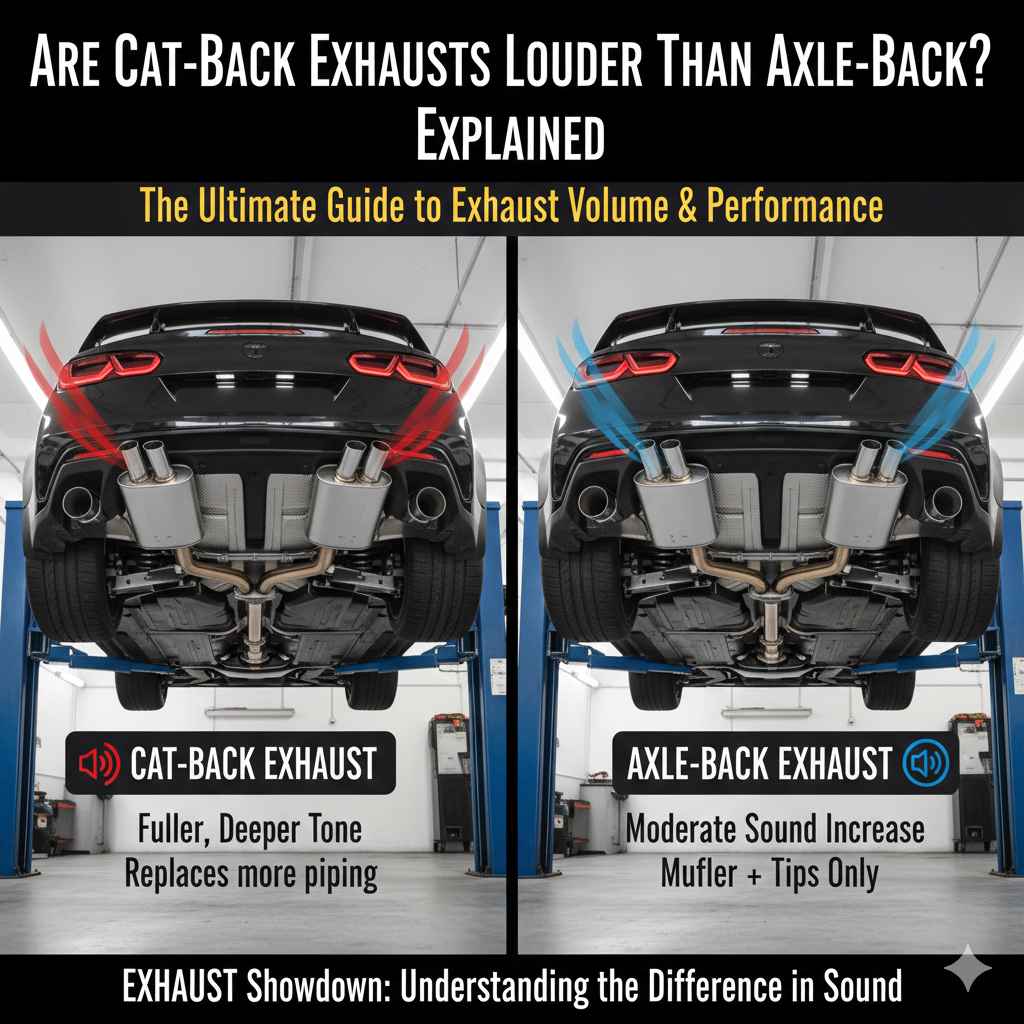
In general, cat-back exhaust systems are louder than axle-back systems. This is because they start further forward in the exhaust system and replace more components. The cat-back system has a bigger impact on the noise your car makes. Axle-back systems only modify a small part of the exhaust system. This means that, usually, the change in sound is less dramatic. The sound of the exhaust will depend on the muffler, the diameter of the pipes, and the car’s engine.
- Cat-Back Loudness: Because cat-back systems replace more of the exhaust, they offer greater volume. The deeper tone is usually more noticeable than the axle-back. These systems allow for a wider range of sound tuning.
- Axle-Back Volume: Axle-back systems offer changes in the sound, but usually, it is not as loud as a cat-back system. This is an excellent choice for a person wanting a slight boost in sound without making too much noise.
- Engine Type: The type of engine will change the exhaust sound. Some engines naturally produce a deep sound, while others are more high-pitched. Both systems will change the engine sound.
- Muffler Choice: The muffler is the most important part in determining the sound. Different types of mufflers (like straight-through, chambered, or absorption) change the sound of the exhaust. Choosing the right muffler will impact the sound.
The sound comparison is not just about loudness. It also involves the tone, the engine performance, and the type of modifications the owner wants. The difference in sound can be important, so make sure you choose the right system.
Factors That Impact Sound Volume
Several things change the sound level of an exhaust system. The design, the materials, and the setup of the exhaust all impact the sound your car makes. The quality and type of components that you choose can help you get the exact sound you want. Looking at each detail will help you make a good choice when upgrading your exhaust. The design of the system plays a critical role in the final sound. The type of materials will change the sound too.
- Muffler Design: The muffler is the main part that changes the sound. Straight-through mufflers will be loud, while chambered mufflers make a deeper sound. The shape, size, and design of the muffler will help determine the overall sound.
- Pipe Diameter: Larger diameter pipes let the exhaust flow more easily. This can often make the system louder. Bigger pipes can change the performance and sound of the exhaust.
- Catalytic Converter: The catalytic converter has a part in how the exhaust sounds. Removing or changing the converter can change the sound. This choice is usually made for increased performance.
- Installation Quality: The installation also plays a part in the sound. Poorly installed systems can leak, changing the sound. The way the exhaust is set up affects the overall sound of the car.
These elements work together to create the sound of your exhaust. Paying attention to these things when choosing your exhaust system helps you get the sound you want. Choosing the right components means having the perfect sound for your car. These aspects are important when you are thinking about improving your car’s sound and performance.
Performance Gains: Cat-Back vs. Axle-Back
Performance changes are another key difference between cat-back and axle-back exhaust systems. Both systems are made to improve how your car runs, but they do it in different ways. Understanding the effects on power, torque, and overall engine efficiency will help you decide which setup suits your driving needs. The improvements range from small sound changes to improvements in the engine’s ability to breathe, thus increasing its power.
Power and Torque Improvements
Cat-back exhaust systems usually offer more power and torque gains than axle-back systems. They improve the exhaust flow, which means the engine works more efficiently. Axle-back systems focus more on changing the sound. Cat-back systems may give your car a noticeable boost in power. However, the amount of improvement depends on the original exhaust system, engine, and other modifications. A more efficient exhaust system helps the engine run better, giving you more power.
- Cat-Back Potential: A well-designed cat-back system can improve the engine’s breathing, meaning more power. The increase is usually from better exhaust flow. This can result in quicker acceleration and higher top speeds.
- Axle-Back Limitations: The performance gains with an axle-back system are generally not as big. The changes are limited because it only replaces a part of the exhaust system. These systems often provide more changes to the sound and appearance than performance.
- Engine Efficiency: Both systems can improve engine efficiency by reducing back pressure. This allows the engine to burn fuel more efficiently. An engine that works better saves fuel and generates more power.
- Dyno Testing: Checking your car with a dynamometer is a way to see real-world power changes. This helps you track performance before and after the modifications. Knowing the actual results helps to determine the value of the upgrade.
The improvements in power and torque are not just numbers. They translate to better driving experience. Choosing the system that matches your goals and needs is key to getting the best performance. The impact of the system depends on the other modifications you have on your car.
Flow Characteristics and Efficiency
The flow of exhaust gases is important. Better flow means less restriction, which makes the engine more efficient. Cat-back systems are designed for better flow than axle-back systems. The design of the pipes, the use of larger diameters, and the choice of mufflers are all made to reduce back pressure. This lets exhaust gases move quicker and easier, making the engine more efficient. The type of exhaust components directly impacts the overall efficiency.
- Cat-Back Advantages: These systems usually use wider pipes and smooth bends. This makes it easier for the gases to move. The goal is to provide maximum flow and minimal restriction, which improves performance.
- Axle-Back Considerations: While axle-back systems will change the sound, they have less impact on overall flow. They may improve flow compared to the original parts, but the changes are not as dramatic as with a cat-back system. The focus is more on aesthetics and sound.
- Back Pressure: Back pressure is the resistance to exhaust flow. Reducing back pressure helps the engine work better. The best exhaust systems are made to reduce back pressure as much as possible, thus improving performance.
- Material Quality: The materials used to make the exhaust can affect flow and efficiency. Stainless steel is often used in cat-back systems because it lasts longer and lets gases flow well. Better materials are typically worth the extra cost.
Understanding these flow features helps you decide which exhaust system is the better choice. It is important to match your exhaust system with your performance goals. The engine’s efficiency will improve with the right choice, enhancing your driving experience.
Installation and Cost Considerations
The ease of installation and the price of each system are important factors to explore. The amount of work needed to install an exhaust system can vary. The overall cost will include the parts and labor. These factors can have a big effect on your final decision. Consider the time, skill, and money involved in each option.
Installation Difficulty
Axle-back systems are usually simple to fit. They only replace a small part of the exhaust. Cat-back systems are more complex. They change more components and usually take more time to install. You must consider your skills and the equipment you have when choosing an exhaust system. Doing it yourself can save money, but you must make sure the system is fitted right.