Are Cat Back Exhaust Legal in Massachusetts? Know the Rules!
Are you thinking about upgrading your car’s exhaust system with a cat back exhaust in Massachusetts? You might have heard they can boost performance and give your ride a deeper sound.
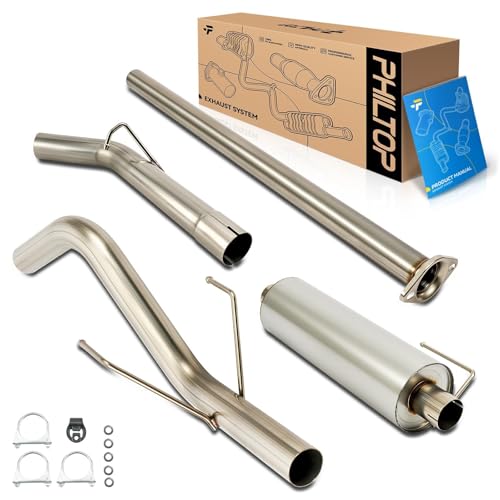
PHILTOP
PHILTOP Cat-Back System Fit for 2005-2009 2011-2015…
- Vehicle Fitment - The Catback System exhaust kit compatible with 2005-2009 2011-2015 Toyota Tacoma 4.0L V6
- Engineering Excellence - Vehicles are all about dependability and capability, which is why MagnaFlow engineers every one of our du…
- Reduce Noise - The larger pipes, low-restriction mufflers, and tuned resonators of a well-designed performance exhaust system can…
As an Amazon Associate I earn from qualifying purchases.
But before you make any changes, you need to know if cat back exhausts are legal where you live. Breaking the rules can lead to fines, failed inspections, or even trouble with the law. You’ll find clear answers about the legality of cat back exhausts in Massachusetts, what the state’s laws say, and how to stay on the right side of the rules.
Keep reading to make sure your upgrade won’t cost you more than you bargained for.
Massachusetts Exhaust Laws
Massachusetts has clear rules about car exhaust systems. These rules help keep the air clean and reduce noise on the roads. Understanding these laws is important before installing a Cat Back Exhaust on your vehicle. The state focuses on two main areas: noise levels and emissions.
State Noise Regulations
Massachusetts limits how loud a car’s exhaust can be. The law sets a maximum noise level measured in decibels. Exhaust systems that are too loud can lead to fines. Modified exhausts must not exceed these noise limits. This includes Cat Back Exhaust systems, which can sometimes increase noise.
Police may use sound meters to check vehicles. If your exhaust is too noisy, you might be ordered to fix it. Keeping your car within noise rules avoids trouble on the road.
Emission Standards
The state also controls car emissions strictly. All vehicles must pass an emissions test each year. This test checks harmful gases like carbon monoxide and nitrogen oxides. Cat Back Exhaust systems must not affect these emissions.
Massachusetts requires that exhaust systems keep pollution low. Removing or altering catalytic converters is illegal. A proper Cat Back Exhaust keeps the catalytic converter intact. This helps ensure your car meets all emission standards.

What Is A Cat Back Exhaust?
A cat back exhaust is a popular car modification. It replaces the exhaust system from the catalytic converter to the rear of the vehicle. This upgrade changes how the car sounds and can improve performance. Many car owners choose it for better engine breathing and a sportier tone.
Components Included
A cat back exhaust system includes several parts. It starts just after the catalytic converter. The main parts are the pipes, muffler, and exhaust tips. These parts connect to guide exhaust gases out efficiently. The system usually uses stainless steel for durability.
Purpose And Benefits
The main purpose is to improve exhaust flow. This helps the engine breathe better and work more efficiently. It can increase horsepower slightly. The system also changes the sound, making it deeper or louder. Many drivers enjoy the improved engine sound. A cat back exhaust can also reduce back pressure. This leads to better fuel efficiency and engine life. It is a common upgrade for car enthusiasts.
Legality Of Cat Back Exhausts
Cat back exhaust systems are a popular upgrade for car owners in Massachusetts. These systems replace the exhaust parts from the catalytic converter back. Many drivers want to know if these upgrades are legal on state roads. Understanding the rules helps avoid fines and keeps your vehicle safe to drive.
Massachusetts has clear laws about vehicle modifications. These laws focus on noise levels and emissions. Cat back exhausts can affect both. Knowing the legal limits is important for every driver.
Compliance With Noise Limits
Massachusetts sets strict noise limits for vehicles. Exhaust systems must not make loud or disturbing sounds. Cat back exhausts that increase noise too much can break the law. Police may stop drivers if their car is too loud. Installing a quieter system helps stay within the rules.
Emission Compliance
Exhaust systems must not affect a car’s emission controls. The catalytic converter must remain unchanged and work properly. Cat back exhausts usually do not change emissions if the catalytic converter stays intact. Removing or tampering with emission devices is illegal. Regular vehicle inspections check these parts for compliance.
Common Violations And Penalties
Understanding the common violations and penalties related to cat-back exhaust systems in Massachusetts is crucial. These rules help keep the roads safe and the environment clean. Knowing the consequences can help you avoid fines and legal trouble.
Noise Violation Consequences
Massachusetts has strict noise limits for vehicles. Cat-back exhausts can increase noise levels beyond legal limits. If your exhaust is too loud, you may face a ticket. Fines often start around $100 but can increase for repeated offenses. Police may also require you to fix or replace the exhaust system. Excessive noise can cause warnings and even court appearances.
Emission Violation Consequences
Exhaust systems must meet emission standards. Cat-back exhausts that alter emissions can cause your vehicle to fail inspections. A failed emission test means you cannot register your car. Penalties include fines and repair orders to fix emission problems. Ignoring these can lead to higher fines and legal issues. Keeping your exhaust system compliant helps avoid these problems.
Tips For Choosing Legal Exhausts
Choosing a legal exhaust system in Massachusetts can be tricky. The state has strict rules about noise and emissions. Picking the right exhaust helps avoid fines and keeps your car street-legal.
Focus on quality and compliance. Not every exhaust fits the legal standards. Here are some tips to help you choose wisely.
Certified Brands
Choose exhausts from brands certified for Massachusetts laws. Certified products meet noise and emission limits. They come with official approval or testing documents. These brands offer peace of mind and reduce legal risks. Avoid cheap or unverified options. Certified brands also tend to last longer and perform better.
Professional Installation
Have a skilled mechanic install your exhaust. Proper installation ensures it works correctly and meets regulations. Poor fitting can cause leaks or excess noise. Professionals know how to adjust the system to keep it legal. They also use the right tools and parts. This step protects your investment and keeps your car safe to drive.
How To Check If Your Exhaust Is Legal
Knowing if your cat back exhaust is legal in Massachusetts is important. The state has rules about noise and emissions. Checking the legality helps you avoid fines and keep your car safe on the road. Follow these steps to confirm your exhaust system meets state standards.
Inspection Procedures
Start by inspecting your exhaust system for noise levels. Massachusetts law limits how loud your exhaust can be. Use a decibel meter during inspection. The system should not produce noise above the allowed limit. Also, check for proper emission controls. The exhaust must not increase pollution beyond legal levels. A certified mechanic can help with these checks. They will measure sound and emissions accurately.
Testing Locations
Massachusetts offers official places to test your exhaust. State inspection stations provide noise and emission testing. These centers use approved equipment for accurate results. You can also visit authorized repair shops. They have tools to test exhaust legality. Testing at these locations ensures your system meets state rules. Keep the test report as proof of compliance.

Frequently Asked Questions
Are Cat Back Exhaust Systems Legal In Massachusetts?
Cat back exhausts are legal if they meet Massachusetts noise and emission standards. Modifications must not exceed noise limits or cause excess emissions.
What Are Massachusetts Noise Laws For Exhaust Systems?
Massachusetts limits vehicle noise to 82 decibels at 50 feet. Exhausts must not produce excessive noise or violate local ordinances.
Do Cat Back Exhausts Affect Vehicle Emissions Compliance?
Cat back systems do not alter emissions controls. They must retain the catalytic converter and pass state emissions testing.
Can I Get Fined For Illegal Exhaust Modifications In Massachusetts?
Yes, fines apply for exhausts violating noise or emissions laws. Police enforce these rules during inspections or traffic stops.
Conclusion
Cat back exhaust systems must meet Massachusetts emission rules. The state has strict laws to keep air clean. Many cat back exhausts may not pass inspection. Choosing legal parts helps avoid fines and problems. Always check local rules before making changes to your car.
Staying informed keeps your vehicle safe and legal. Remember, clean air benefits everyone around you.
Related pick: Check today's price on Amazon