
Are Chambered Mufflers Loud: Unveiling the Truth Behind Noise
Are chambered mufflers loud? If you’ve been thinking about upgrading your vehicle’s exhaust system, this question is probably on your mind.
You want your ride to sound powerful, but not annoyingly loud. Understanding how chambered mufflers work can help you find the perfect balance between performance and noise. Keep reading to discover what makes these mufflers tick and whether they’re the right choice for your car.
Your ears will thank you.
Chambered Muffler Basics
Chambered mufflers are popular in the automotive world. They help control the sound your vehicle makes. These mufflers use a special design to change and reduce noise. Understanding their basics can help you know if they are loud or quiet. Let’s explore how they are built and how they work.
Design And Structure
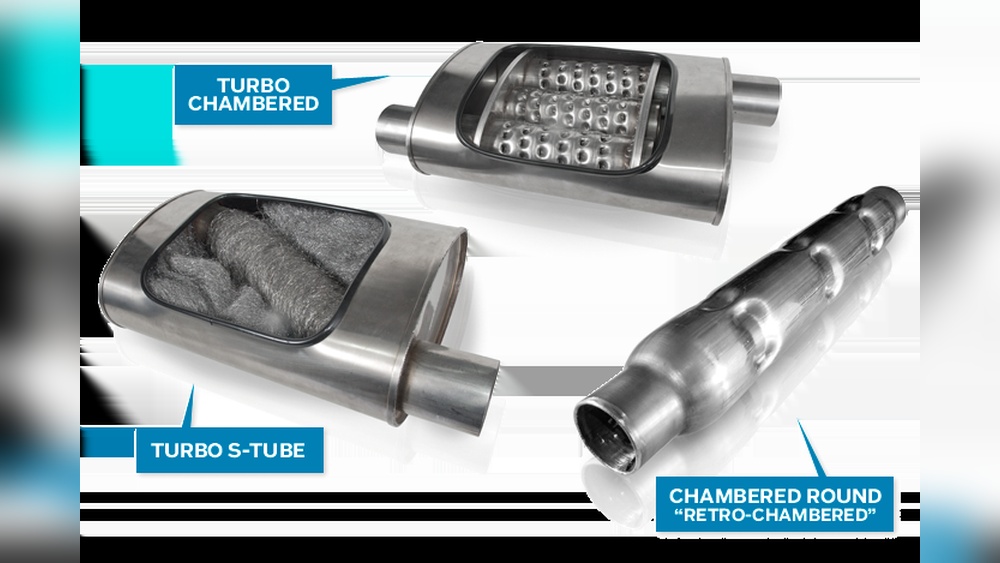
Chambered mufflers have separate sections inside. These sections are called chambers. Each chamber has a specific shape and size. The muffler’s body holds these chambers firmly. Pipes connect each chamber to guide exhaust gases through. The chambers create a path that alters the sound waves. This design helps lower noise levels. The shape and number of chambers affect the sound quality.
How They Work
Exhaust gases enter the muffler and pass through chambers. Sound waves bounce inside these chambers. The bouncing causes some sounds to cancel out. Some sound waves combine and change in tone. This process reduces loud noises from the engine. It also shapes the sound to be smoother or deeper. The result depends on the muffler’s design. Chambered mufflers can make a car sound louder or softer.
Sound Characteristics
Chambered mufflers have unique sound features. They change how a car’s exhaust sounds. These mufflers use chambers inside to control noise and tone. Understanding these sound traits helps decide if chambered mufflers suit your needs.
The sound is not just about loudness. It also includes pitch and quality. Let’s explore how chambered mufflers affect noise levels and tone.
Noise Levels Compared
Chambered mufflers usually make moderate noise. They are louder than stock mufflers. But quieter than straight pipes or glasspacks. The chambers reflect sound waves, reducing extreme loudness. This design balances sound and noise control well.
Sound volume depends on engine size and exhaust setup. Larger engines can sound louder even with chambered mufflers. Still, these mufflers keep noise within a reasonable range. They offer a noticeable growl without being too noisy.
Tone And Pitch
The tone of chambered mufflers is deep and throaty. The chambers tune the sound waves for richer bass notes. This bass tone gives a sporty feel to the exhaust note. It is not sharp or high-pitched like some other mufflers.
Pitch changes with engine speed. At low rpm, the sound is smooth and calm. At high rpm, the tone sharpens but stays controlled. This creates a dynamic sound that many drivers enjoy.
Factors Influencing Loudness
Several factors affect how loud chambered mufflers sound. These elements shape the noise level your vehicle produces. Understanding these can help you know what to expect from a muffler.
Each factor plays a key role in the overall loudness of the exhaust sound. Small changes in design or parts can make a big difference.
Engine Type And Size
Engines with larger sizes usually create louder sounds. Bigger engines push out more exhaust gases. This leads to stronger noise waves that a muffler must control. V8 and V6 engines often sound louder than four-cylinder engines. The engine’s design also matters. Some engines naturally produce deeper and louder sounds.
Exhaust System Setup
The layout of the exhaust system changes noise levels. Systems with shorter pipes allow louder sounds to escape. Long pipes help reduce noise but can affect performance. The number of mufflers and resonators also impacts sound. More parts in the exhaust path mean quieter noise. How tightly the system is sealed plays a role too. Leaks can increase volume by letting sound out early.
Material And Build Quality
The materials used affect sound absorption. Steel mufflers can block sound better than lighter metals. Thicker walls reduce vibrations that cause noise. High-quality mufflers have better designs inside to cancel sound waves. Cheaper models may let more noise through. Well-built mufflers last longer and keep sound levels consistent over time.
Pros And Cons Of Chambered Mufflers
Chambered mufflers have unique designs that affect how a vehicle sounds and performs. They create deeper, throaty noises that many drivers enjoy. Still, they have both advantages and drawbacks. Understanding these can help decide if chambered mufflers suit your needs.
Performance Impact
Chambered mufflers can improve low-end torque. They reduce exhaust backpressure, helping engines breathe better. This can lead to smoother acceleration at lower speeds. They are not usually made for maximum horsepower gains. Instead, they focus on balanced power and sound.
Sound Preferences
These mufflers produce a deep, rumbling sound. It is louder than stock mufflers but not overly noisy. The sound can be aggressive but still controlled. Some drivers love this bold tone for daily driving. Others may find it too loud for quiet neighborhoods.
Durability And Maintenance
Chambered mufflers are typically made from durable materials like stainless steel. This helps resist rust and wear over time. They need regular checks for leaks or damage. Proper care ensures a longer life and steady performance. Simple maintenance keeps the sound and function consistent.
Comparing Chambered Mufflers To Other Types
Comparing chambered mufflers to other muffler types helps understand their sound levels and performance. Each muffler design affects noise and engine flow differently. Knowing these differences helps choose the right muffler for your vehicle.
Straight-through Mufflers
Straight-through mufflers have a simple design. They allow exhaust gases to flow in a straight path. This design reduces back pressure and increases power. They often produce a loud, deep sound. These mufflers are louder than chambered mufflers. Their sound is more aggressive and raw. They suit drivers who want maximum volume and power.
Turbo Mufflers
Turbo mufflers use internal chambers to control sound. They create a smooth and balanced tone. These mufflers reduce harsh noises effectively. Turbo mufflers are quieter than straight-through types. They provide good sound control with moderate loudness. Turbo mufflers often appeal to those wanting a sporty sound without too much noise.
Glasspack Mufflers
Glasspack mufflers feature a straight pipe surrounded by fiberglass packing. This design offers a loud, sharp sound. They produce a high-pitched growl. Glasspacks are louder than chambered mufflers but less refined. Their noise level is often described as aggressive and piercing. They fit well with muscle cars or custom builds needing strong sound presence.
Legal And Environmental Considerations
Understanding the legal and environmental aspects of chambered mufflers is important. These factors affect both drivers and communities. Laws and eco-concerns shape how these mufflers are made and used.
Noise Regulations
Many areas have strict rules on vehicle noise. Chambered mufflers can be louder than standard types. Authorities set limits to keep noise at safe levels. Excess noise can lead to fines or vehicle inspections. Drivers must check local laws before installing chambered mufflers. Quiet zones exist near schools and hospitals. Following noise rules helps maintain peace in neighborhoods.
Emissions Impact
Chambered mufflers mainly affect sound, not emissions. Still, some designs may slightly change exhaust flow. This change can influence engine efficiency and pollution output. Modern mufflers must meet emission standards. Using the wrong muffler might cause a car to fail emissions tests. Clean air is vital for health and environment. Choosing the right muffler helps keep emissions low and engines running well.
Choosing The Right Muffler For Your Vehicle
Choosing the right muffler for your vehicle affects both sound and performance. The muffler controls how loud your car is and how it feels to drive. Different mufflers produce different sounds, from quiet to loud. Picking the best one depends on your style and needs.
Matching Sound To Style
Your car’s sound should fit its look. A sporty car may need a louder, deeper sound. A family car might need a quieter muffler. Chambered mufflers often give a rich, deep tone. Consider what sound matches your vehicle’s personality.
Balancing Performance And Noise
A good muffler lets your engine breathe better. This can improve power and fuel efficiency. Some mufflers are loud but reduce performance. Chambered mufflers can balance noise and power well. Choose one that keeps your engine strong and sound pleasant.
Installation Tips
Proper installation is key for muffler performance. Use a professional if unsure about fitting. Check for leaks or loose parts after installation. A well-installed muffler works better and lasts longer. Follow all safety rules during installation.

Frequently Asked Questions
Are Chambered Mufflers Louder Than Stock Mufflers?
Chambered mufflers are generally louder than stock mufflers. They enhance exhaust sound by reflecting sound waves inside chambers, creating a deeper tone. However, volume varies by design and vehicle type.
How Do Chambered Mufflers Affect Exhaust Noise?
Chambered mufflers modify exhaust noise by using internal chambers to reflect and cancel certain sound frequencies. This results in a louder, more aggressive exhaust note compared to straight-through mufflers.
Can Chambered Mufflers Increase Vehicle Performance?
Yes, chambered mufflers can improve performance slightly by reducing exhaust backpressure. This allows the engine to breathe better, potentially increasing horsepower and torque.
Are Chambered Mufflers Street Legal?
Street legality depends on local noise regulations. Some chambered mufflers may exceed permissible sound levels, so always check local laws before installation.
Conclusion
Chambered mufflers can be louder than some other types. They create a deep, booming sound that many drivers like. Sound levels depend on the muffler design and the vehicle. Some chambered mufflers balance noise with good performance. Choosing the right muffler means thinking about sound and power.
Your personal taste matters most in picking a muffler. Quiet or loud, find what fits your driving style. Understanding mufflers helps you enjoy your ride more.
Related pick: Check today's price on Amazon


