Are Performance Exhaust Illegal in Texas? Know the Truth Now!
Are you thinking about upgrading your car with a performance exhaust in Texas? You’re not alone.
mhanewv
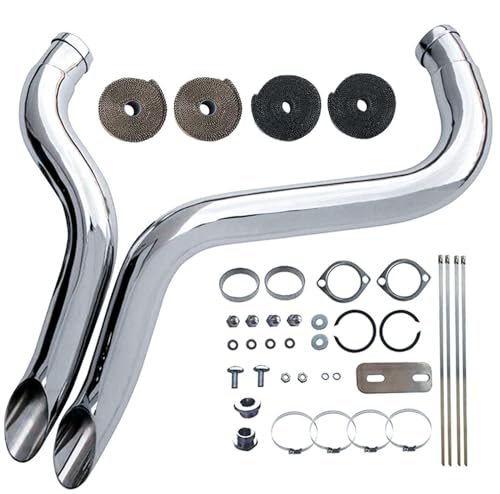
2"LAF Exhaust Pipes with Flange Kits for…
- 1. Wide Compatibility Fits 1984-2023 Harley models: Sportster, Softail, Dyna, Touring, Chopper, Bobber. Perfect match for your ri…
- 2Performance That Speaks Fits 1984-2023 Harley Sportster & Softail like a glove. Chrome plating shines bright, resisting rust even…
- 3. Powerful Straight Pipe Sound (No Baffle) Baffle-free design delivers a thrilling, soul-stirring roar. Reduces exhaust resistan…
As an Amazon Associate I earn from qualifying purchases.
Many drivers want that powerful sound and better engine performance. But before you make the change, you need to know if performance exhausts are legal in Texas. Breaking the law could mean fines, trouble with the police, or even having to remove the exhaust.
Keep reading to find out exactly what Texas rules say and how you can stay safe and legal while enjoying your ride.
Texas Exhaust Laws
Texas has specific laws about car exhaust systems. These rules protect people from loud noise and harmful pollution. Knowing these laws helps avoid fines and trouble. Performance exhausts can change your car’s sound and emissions. Understanding Texas exhaust laws is important before making changes.
State Regulations
Texas sets rules for exhaust noise and emissions. Cars must have mufflers to reduce noise. The state limits how loud an exhaust can be. Performance exhausts must meet these limits. Texas also follows federal emission standards. Removing or modifying parts that control pollution is illegal. These rules apply to all vehicles on Texas roads.
Local Ordinances
Cities in Texas may have extra rules. Some places have stricter noise limits. Local police can stop cars with loud exhausts. Fines and penalties vary by city. Check local laws before installing a performance exhaust. Local rules add another layer to state laws. Always follow both state and local exhaust laws.
Noise Limits
Noise limits set rules on how loud vehicles can be on Texas roads. These limits help reduce noise pollution and keep neighborhoods peaceful. Performance exhaust systems often make cars louder. Understanding Texas noise limits is important for drivers who want to upgrade their exhausts.
Decibel Restrictions
Texas law limits vehicle noise by decibel levels. The maximum allowed noise depends on the type of vehicle and where it is driven. Most passenger cars must not exceed 95 decibels at 50 feet. Loud exhausts that go beyond this limit can be illegal. Decibels measure sound intensity, so a higher number means louder noise.
Enforcement Practices
Police officers check noise levels during traffic stops or special checks. They use sound meters to measure decibels. If a vehicle is too loud, the driver can get a ticket. Repeat offenders may face higher fines or other penalties. Some cities in Texas have stricter noise rules and enforce them more strictly.
Emission Standards
Emission standards control the amount of pollution cars can release. Texas follows strict rules to keep the air clean. Performance exhaust systems must meet these standards. Otherwise, they could be illegal on Texas roads. Understanding emission standards helps you choose the right exhaust system.
Epa Requirements
The Environmental Protection Agency (EPA) sets rules for vehicle emissions. All exhaust systems must comply with these rules. Performance exhausts that increase pollution break EPA laws. They can cause your vehicle to fail inspections. Only EPA-approved exhausts are legal in Texas. Check for certification before buying or installing.
Inspection Process
Texas requires vehicle inspections to check emissions. Inspectors measure pollutants from the exhaust pipe. Performance exhausts that raise emissions may cause failure. Vehicles with illegal exhausts might face fines or repairs. Passing inspection means your exhaust meets emission limits. Regular checks help keep your car legal and clean.
Common Exhaust Modifications
Many car owners in Texas like to change their exhaust systems. These changes can improve the car’s sound and performance. Some modifications are simple, while others are more complex. Understanding these common exhaust modifications helps to know their legal status in Texas.
Exhaust modifications can affect noise levels and emissions. Texas has rules to keep these safe and legal. Let’s look at two popular types: aftermarket systems and muffler deletes.
Aftermarket Systems
Aftermarket exhaust systems replace the original parts. They often make the car sound louder and run better. These systems can include new pipes, mufflers, and tips. Some models improve airflow, helping the engine breathe easier. This can boost power and fuel efficiency.
Texas law allows aftermarket systems if they meet noise and emission rules. The system must not make the car louder than allowed. It must also keep pollution controls intact. Otherwise, the car may fail inspection or be fined.
Muffler Deletes
Muffler deletes remove the muffler from the exhaust system. This makes the car very loud. Some people like this aggressive sound. It can also reduce weight slightly.
Texas law forbids muffler deletes on public roads. Cars must have mufflers that reduce noise. Driving without a muffler can lead to fines and citations. The rule aims to reduce noise pollution and keep neighborhoods quiet.
Legal Consequences
Using performance exhaust systems that do not meet Texas regulations can lead to serious legal problems. Authorities take noise and emission laws seriously. Violating these rules can result in fines and other penalties that affect your daily driving and wallet.
Fines And Penalties
Texas law sets clear limits on vehicle noise and emissions. If your exhaust system is too loud or harmful, you may face fines. These fines can range from small fees to several hundred dollars. Repeat violations often bring higher fines. Law enforcement officers may also require you to fix the exhaust system immediately. Failure to comply could mean more penalties.
Vehicle Impoundment
In some cases, police may impound your vehicle. This happens if your exhaust system breaks the law repeatedly or causes safety concerns. Impoundment means you lose access to your vehicle until you fix the problem. You must pay towing and storage fees during this time. Vehicle impoundment adds extra costs and inconvenience beyond fines.
Tips To Stay Compliant
Staying legal with performance exhausts in Texas requires care. Following key tips helps you avoid fines and troubles with the law. These steps keep your vehicle safe and your ride smooth.
Choosing Legal Parts
Pick parts that meet Texas noise and emission rules. Look for labels showing compliance with state laws. Avoid parts that make your car louder than allowed. Use parts made by trusted manufacturers. Check if the parts fit your car model. This prevents illegal modifications and keeps your vehicle street-legal.
Regular Maintenance
Keep your exhaust system in good shape. Check it often for leaks or damage. Fix any issues quickly to meet noise limits. Clean parts regularly to avoid buildup that raises noise. Visit a professional mechanic to inspect your exhaust. Routine care helps your vehicle stay legal and run well.
Resources For More Info
Finding trustworthy information about performance exhaust laws in Texas helps you stay legal. This section points to key resources. These sources offer clear, updated details. You can use them to check rules and avoid fines.
Official Websites
Texas Department of Motor Vehicles website explains vehicle equipment rules. Visit the Texas Commission on Environmental Quality for noise and emissions standards. These sites publish the latest laws and guidelines. They are reliable places for official updates.
Local Authorities
City and county offices handle local noise regulations. Contact your local police or sheriff’s department for specific rules. They can tell you about local limits on exhaust noise. Local authorities enforce rules and answer questions.
Frequently Asked Questions
Are Performance Exhaust Systems Legal In Texas?
Yes, performance exhaust systems are legal in Texas if they meet state noise and emission regulations. Ensure your exhaust complies with Texas Department of Transportation rules to avoid fines or penalties.
What Noise Limits Apply To Performance Exhausts In Texas?
Texas enforces noise limits typically around 95 decibels for vehicles. Exhausts must not exceed these limits when tested at a specific distance. Check local laws to confirm exact permissible noise levels.
Can Modified Exhausts Cause Vehicle Inspection Failure In Texas?
Yes, non-compliant exhaust modifications can cause inspection failures. Texas requires vehicles to pass emissions and safety tests, including exhaust noise and pollution standards. Use approved parts to ensure passing inspections.
Do Performance Exhausts Affect Texas Emissions Compliance?
Performance exhausts must meet Texas emissions standards to be legal. Some aftermarket systems may increase emissions, leading to violations. Choose exhausts certified for emission compliance to avoid legal issues.
Conclusion
Texas has rules about performance exhaust systems. They must follow noise and emissions limits. Not all exhausts are legal on public roads. Check your local laws before making changes. Staying within the law helps avoid fines and troubles. A legal exhaust keeps your vehicle safe and street-ready.
Know the rules, and enjoy your ride responsibly.
Related pick: Check today's price on Amazon