How to Learn and Recognize Car Exhaust Sounds
Have you ever wondered what that strange noise your car is making means? Figuring out car exhaust sounds can be tough for many people, especially if you’re new to cars. It’s like learning a new language, but for your car!

Simachine
Car Muffler Turbo Whistle Exhaust Pipe Roar…
- Durable Aluminum Alloy Design – High-quality rustproof and corrosion-resistant material ensures longevity under high temperatures…
- Turbocharged Sound Effect – Simulates turbine or blow-off valve sounds to enhance your vehicle’s sporty roar (sound intensity depe…
- Universal Fit – 12*3.5cm ( Length*Diameter ) approx XL. fits most cars, trucks, motorcycles with straight exhaust pipes (displacem…
As an Amazon Associate I earn from qualifying purchases.
Don’t worry, though. We’re going to break down How to Learn and Recognize Car Exhaust Sounds in a simple way. We’ll show you exactly what to listen for, step by step.
Get ready to become a car sound expert.
Listening To Your Car’s Engine Sounds
Understanding what your car is trying to tell you through its engine sounds is a super useful skill for any driver. It’s not just about knowing when something is wrong; it can also help you appreciate your car’s normal operation. Many people find this challenging because they haven’t been taught what to listen for or don’t have a reference point for what sounds “normal.” Cars make a lot of different noises, and it’s easy to get them mixed up. This section will help you tune into your car’s engine noises, so you can better understand its health and performance.
What is a Normal Engine Sound
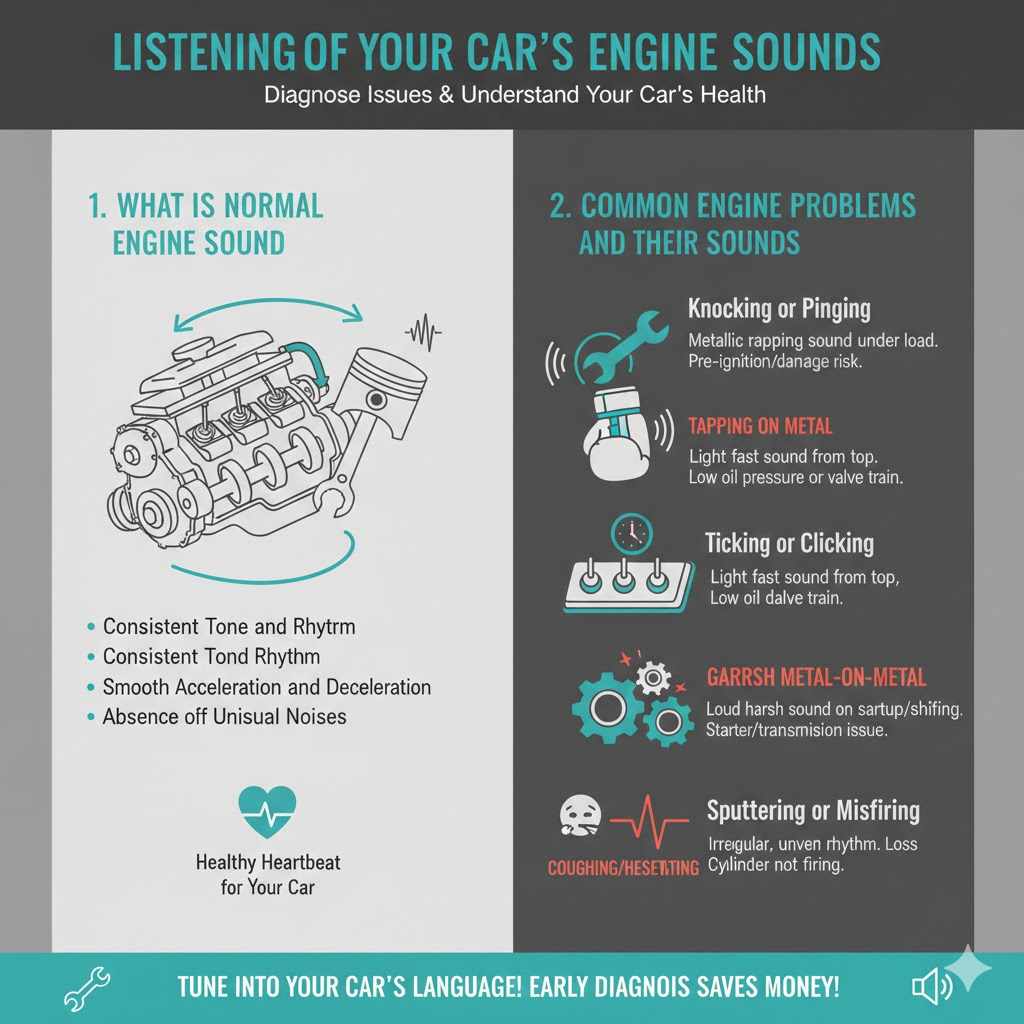
A normal car engine sound is often described as a steady hum or a consistent rumble, depending on the type of vehicle. When the engine is running smoothly, you’ll hear a predictable rhythm. This sound might change slightly as you accelerate or decelerate, but it should remain consistent and without any harsh or irregular noises.
It’s the sound of all the engine’s parts working together in harmony. Think of it as a healthy heartbeat for your car.
- Consistent Tone and Rhythm: The most important sign of a normal engine sound is its steady tone and consistent rhythm. There should be no skipping, sputtering, or irregular beats in the sound. This indicates that the combustion process inside the engine is happening smoothly and at a regular pace.
- Smooth Acceleration and Deceleration: When you press the gas pedal, the engine sound should smoothly increase in pitch and volume, and then decrease just as smoothly when you ease off. This shows that the engine is responding well to your input and is operating efficiently under different loads.
- Absence of Unusual Noises: A healthy engine will not produce banging, knocking, grinding, whistling, or hissing sounds. If you hear any of these out of the ordinary noises, it’s a strong signal that something might be wrong and needs attention. These sounds often point to specific issues within the engine’s mechanics.
Common Engine Problems and Their Sounds
When your car’s engine starts to act up, it often lets you know with a distinct sound. These noises are like warning signals from your car. Learning to identify these sounds can save you a lot of trouble and money down the road by allowing you to address issues early.
Often, what might seem like a small noise can indicate a larger problem if left unchecked.
- Knocking or Pinging: This sound is often described as a metallic rapping or pinging noise, especially when the engine is under load (like going uphill). It can be caused by the fuel igniting too early in the cylinder, a problem known as pre-ignition or detonation. This can lead to serious engine damage if ignored.
- It might sound like someone is lightly tapping on metal inside your engine.
- Ticking or Clicking: A light ticking or clicking sound, often heard from the top of the engine, can indicate low oil pressure or an issue with the valve train. This is typically a faster sound than knocking and might become more pronounced as the engine warms up. It’s like a rapid, light hammer tap.
- Grinding: A loud, harsh grinding sound, especially when starting the engine or when shifting gears, often points to problems with the starter motor, transmission, or other metal-on-metal contact points. This sound is very unpleasant and suggests a significant mechanical issue that needs immediate inspection.
- Sputtering or Misfiring: If your engine sounds like it’s coughing or hesitating, you might be experiencing a misfire. This means one or more cylinders are not firing correctly. The sound is irregular and uneven, often accompanied by a loss of power.
It sounds like the engine is struggling to keep a steady rhythm.
Understanding Car Exhaust System Noises
The exhaust system is a crucial part of your car that handles the waste gases from the engine. It’s also a major source of unique sounds. Many people only think about their exhaust when it’s broken, but paying attention to its normal sounds and changes can tell you a lot. This part of your car is designed to control noise, so any new or different sounds usually mean something needs fixing. We’ll explore the common sounds your exhaust system makes and what they mean for your car’s health.
What Does a Healthy Exhaust Sound Like
When your exhaust system is working perfectly, it should be relatively quiet, producing a low, steady hum or rumble. The main job of the muffler and other components is to reduce the loud, explosive noises from the engine’s combustion. So, a healthy exhaust system lets you hear the engine’s overall tone, but without excessive loudness or harshness.
It’s a subdued sound that blends into the background operation of the vehicle.
- Muffled and Consistent Tone: A well-functioning exhaust system will produce a deep, muffled sound. You should hear the engine’s basic rhythm, but without any sharp or piercing noises. This indicates that the exhaust gases are being properly contained and silenced by the muffler.
- Low Rumble at Idle: When your car is idling, the exhaust should produce a low, steady rumble. This sound should be consistent and not fluctuate wildly. It’s the sound of the engine breathing out, but in a controlled and quiet manner.
- Smooth Sound Under Acceleration: As you accelerate, the exhaust sound will naturally get louder, but it should remain smooth and consistent. There shouldn’t be any rattling, hissing, or sudden bursts of noise. The increase in sound should be proportionate to the engine’s RPMs.
Common Exhaust Problems and Their Sounds
Your car’s exhaust system is made up of several parts, including pipes, a catalytic converter, a muffler, and tailpipes. If any of these parts get damaged or worn out, they can start to make unusual noises. These sounds are your car’s way of telling you it needs attention.
Fixing these problems quickly can prevent more serious issues and ensure your car runs safely and efficiently.
- Hissing or Puffing: This sound often means there’s a leak in the exhaust system. Gases are escaping before they reach the muffler. It might sound like a snake hissing or short bursts of air puffing out.
- Leaks can also reduce your car’s fuel efficiency and can be dangerous if exhaust fumes enter the cabin.
- Rattling: A rattling sound, especially when you start the car or go over bumps, can be caused by a loose heat shield, a damaged catalytic converter, or a loose exhaust pipe. The metal components might be vibrating against each other. This sound can be quite annoying and might vary in intensity.
- Loud Roaring or Drone: If your exhaust suddenly becomes very loud, it usually means the muffler has a hole or is damaged. You’ll hear a much deeper, louder roar than usual, especially when you accelerate. It can sound like a race car, but without the performance to match.
- This is one of the most common signs of an exhaust problem.
- Chirping or Squealing: Sometimes, a worn bearing in a component connected to the exhaust system, like a turbocharger (if your car has one), can cause a chirping or squealing sound. This is often more noticeable when the engine is under load. It’s a higher-pitched sound, distinct from the low rumble of the exhaust itself.
Recognizing Other Car Noises
Besides the engine and exhaust, your car has many other systems that can produce sounds. These can include the brakes, suspension, tires, and even the transmission. Learning to identify these different sounds helps you pinpoint potential problems before they become major. Paying attention to noises when you’re braking, turning, or driving over different surfaces is key. This section covers some of the most common non-exhaust sounds you might hear and what they signal.
Brake System Sounds
Your brakes are vital for safety, and they often give audible warnings when something isn’t right. These sounds are designed to alert you so you can get them checked. Ignoring brake noises can lead to reduced braking performance, putting you and others at risk.
- Screeching or Squealing: This is probably the most common brake noise. It often means your brake pads are worn down and the wear indicator is rubbing against the rotor. It’s a high-pitched, irritating sound that gets louder when you apply the brakes.
- It’s like a metal-on-metal scream.
- Grinding: A deep grinding sound when braking is more serious. It typically indicates that the brake pads have worn down completely, and the metal backing plate is now grinding against the brake rotor. This can cause significant damage to the rotors and requires immediate attention.
- Clicking: Sometimes, a clicking sound when turning and braking might be related to a loose brake caliper or other suspension components, rather than the brake pads themselves.
Suspension and Steering Noises
The suspension and steering systems allow your car to handle smoothly and steer accurately. Problems here can affect ride comfort and control. Noises from these systems often occur when going over bumps or turning.
- Clunking or Knocking Over Bumps: This usually means a part of your suspension is loose or worn out, like a shock absorber, ball joint, or control arm. It’s a dull thudding sound that you hear when the car’s suspension is working hard, like when you drive over potholes or speed bumps.
- Squeaking or Creaking When Turning: A squeaking sound when you turn the steering wheel can sometimes point to issues with the power steering system, like low fluid or a worn pump. It can also be caused by dry suspension components.
- Popping or Clicking When Turning Sharply: This noise, often heard when making sharp turns at low speeds, can indicate a worn CV (constant velocity) joint in the drive axle. This is a more serious issue that needs prompt repair to avoid further damage.
Tire and Wheel Noises
Your tires and wheels are the only parts of your car that touch the road. Issues here can range from simple imbalances to more serious problems.