How to Check Z51 Performance Exhaust Upgrade
Figuring out how to check a Z51 performance exhaust upgrade can seem tricky when you’re just starting out. Many people wonder if they have the right parts or if everything is working as it should. It’s a common question, but don’t worry!
We’ll walk you through it step by step. You’ll learn exactly what to look for and how to confirm your upgrade is correct. Let’s get started and make sure your car sounds and performs its best.
Understanding Z51 Performance Exhaust Systems
This section will explore what makes a Z51 performance exhaust system unique. We will look at the specific components that contribute to its enhanced sound and performance. Understanding these parts is key to knowing how to check your upgrade properly.
We’ll break down the main parts of the exhaust and what makes them ‘performance’ oriented for a Z51 package. This will give you a solid foundation for checking your system.
What is a Z51 Performance Exhaust
The Z51 performance exhaust is a specific upgrade designed for certain vehicles, often associated with performance models like the Chevrolet Corvette. It’s not just any exhaust; it’s engineered to improve the car’s sound and potentially its power. This system usually features different mufflers, pipes, and sometimes catalytic converters compared to a standard exhaust.
The goal is a sportier exhaust note and a bit more airflow, which can lead to better engine response.
For example, a typical Z51 exhaust might have larger diameter piping to allow exhaust gases to flow more freely. The mufflers are often designed to be less restrictive, producing a deeper, more aggressive sound. This can be a significant upgrade for drivers who want their car to sound as good as it looks and performs.
The specific design varies by car model and year, but the core principles of improved sound and flow remain.
When you’re checking a Z51 performance exhaust upgrade, you are essentially verifying that these specialized components are present and correctly installed. It’s about making sure the parts that make it a “performance” exhaust are indeed there. This is the first step in confirming your car has the intended sound and performance characteristics.
Without these specific parts, you wouldn’t truly have the Z51 performance exhaust.
Key Components of a Performance Exhaust
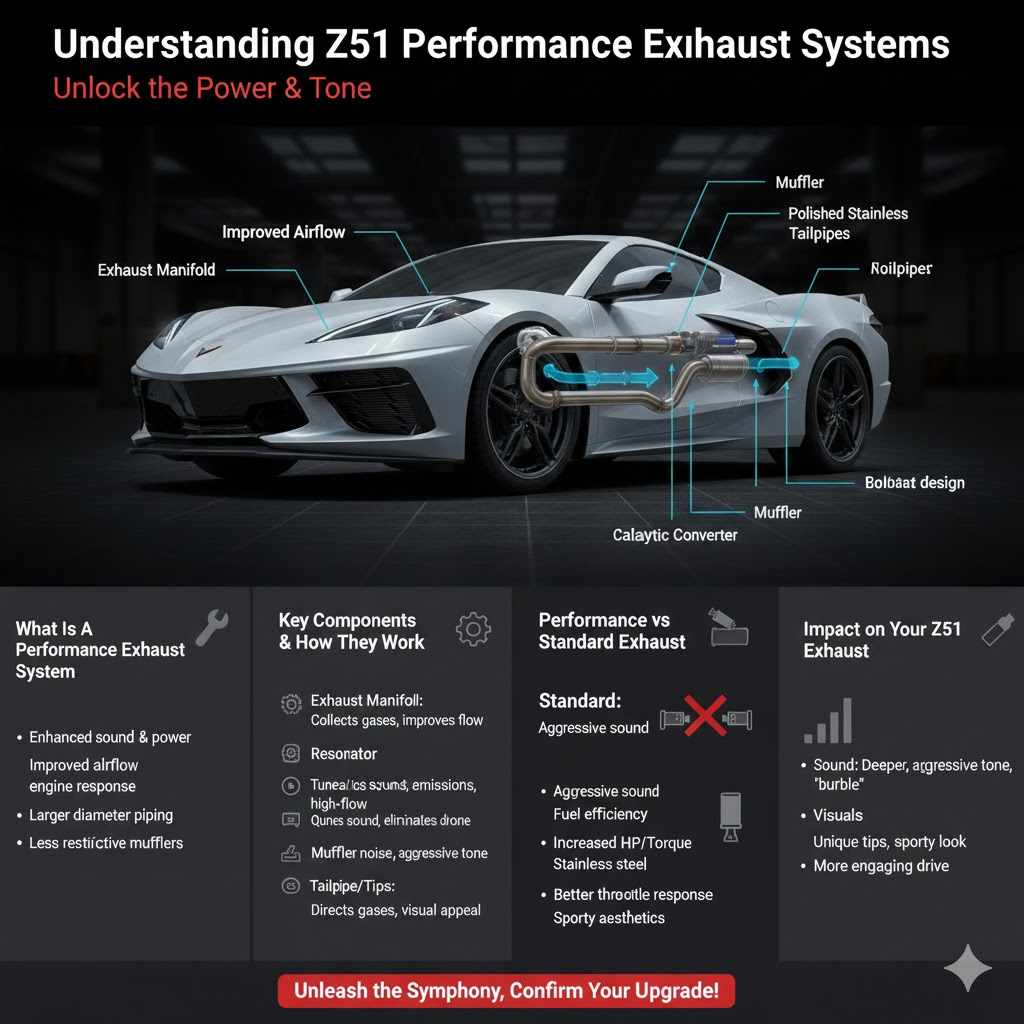
A performance exhaust system typically consists of several key parts that work together. These include the exhaust manifold, catalytic converter, resonator, muffler, and tailpipe. Each plays a role in managing exhaust gases, reducing noise, and contributing to the overall sound and performance of the vehicle.
For a Z51 upgrade, these components are usually designed with higher performance in mind.
The exhaust manifold collects exhaust gases from the engine cylinders. A performance manifold might be designed for better flow. The catalytic converter reduces harmful emissions.
Performance systems might use high-flow converters or, in some cases, be designed to work with aftermarket systems that have modified converters. Resonators help tune the exhaust sound by canceling out specific sound frequencies, often contributing to a deeper tone.
The muffler is crucial for reducing noise. Performance mufflers are often designed to be less restrictive, allowing more sound to escape, which is what drivers typically want for a sportier exhaust note. Finally, the tailpipe directs the exhaust gases out of the vehicle.
Performance tailpipes might be larger in diameter or have a specific shape to enhance the sound and appearance. Knowing these parts helps you identify them on your car.
Exhaust Manifold
The exhaust manifold is the first part of the exhaust system. It bolts directly to the engine’s cylinder head. Its job is to gather the hot exhaust gases from each cylinder and funnel them into a single pipe.
For a Z51 performance exhaust, the manifold itself might be upgraded to a “long tube” or “shorty” header. These are designed to improve the efficiency of exhaust gas scavenging, which means pulling the gases out of the cylinders more effectively. Better scavenging can lead to a slight increase in horsepower and torque.
When you’re checking a Z51 performance exhaust, the manifold might look different from a stock one. It could be made of stainless steel or have a ceramic coating for better heat management. The tubing might be larger in diameter or have a specific bending pattern to optimize gas flow.
If you see headers instead of a standard cast-iron manifold, it’s a strong indicator of a performance upgrade. However, headers are not always part of every Z51 exhaust upgrade, so it’s good to know what to expect for your specific vehicle.
Catalytic Converter
The catalytic converter is an important environmental component. It uses special metals like platinum, palladium, and rhodium to convert harmful pollutants in the exhaust gases into less harmful substances like water vapor and carbon dioxide. For a Z51 performance exhaust, you might encounter high-flow catalytic converters.
These are designed to reduce the restriction on exhaust gases while still performing their environmental function. This means they let gases pass through more easily than standard converters.
When checking your Z51 performance exhaust, the catalytic converter might look similar to the stock one from the outside. However, inside, the honeycomb structure might be designed with larger passages or a different material to allow for better airflow. Some aftermarket performance exhausts might even offer “cat-back” systems, which means they replace everything from the catalytic converter back, leaving the original converter in place.
So, you might be checking for a specific type of converter or confirming that the system starts after it.
Resonator and Muffler
The resonator and muffler are primarily responsible for controlling the sound of the exhaust. The resonator works to eliminate specific sound frequencies, often a drone that can be irritating at certain engine speeds. The muffler is the main component that quiets the exhaust noise.
In a Z51 performance exhaust, these parts are engineered to reduce backpressure and create a more aggressive, sporty sound while still keeping the noise levels acceptable for street driving.
When you’re checking your upgrade, you’ll want to see if the resonator and muffler look different from the original ones. Performance mufflers are often straighter through, meaning the exhaust gases travel a more direct path. They might also be smaller or have a different internal design to allow more sound to escape.
The resonator might be absent in some systems, or it might be a different shape to complement the muffler’s sound tuning. The goal is a rich, deep tone, not just loud noise.
Tailpipe and Tips
The tailpipe is the final section of the exhaust system, exiting at the rear of the vehicle. The tips are the visible end pieces that enhance the car’s aesthetics. For a Z51 performance exhaust, the tailpipe might be of larger diameter to match the rest of the performance system.
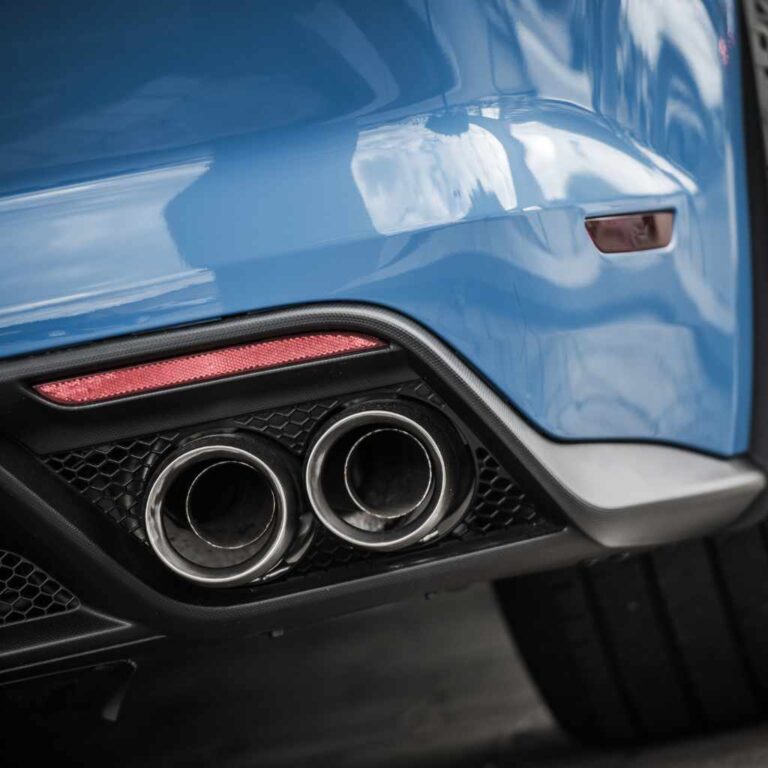
The tips themselves are often a key visual indicator of an upgrade. They can be polished stainless steel, carbon fiber, or have a specific shape like square or angled cut ends.
When you are looking to check your Z51 performance exhaust upgrade, the tailpipe and tips are often the easiest parts to visually inspect. You’ll be looking for the size and finish of the tips. Are they larger than stock?
Do they have a premium look? Some systems might feature dual or quad tips. The overall design of the tailpipe section can also indicate a performance upgrade, often appearing more robust or sporting a different bend to integrate with the rest of the system.
How to Visually Inspect Your Z51 Exhaust
Visually inspecting your exhaust system is a straightforward way to confirm if a Z51 performance exhaust upgrade has been installed. This method involves looking for specific visual cues that differentiate a performance system from a standard one. We’ll guide you through where to look, what to look for, and how to interpret what you see.
This is a great starting point for any owner wanting to verify their exhaust setup.
Accessing the Exhaust System
To effectively inspect your exhaust, you’ll need to get a clear view of it. This usually means safely getting under your car. Many people do this by driving the car onto ramps or using jack stands for a more stable and secure lift.
Ensure your vehicle is on a level surface and properly supported before you get underneath it. Safety is the most important aspect here. Never work under a car supported only by a jack.
Once the car is safely lifted, you can begin your visual check. Start from the front of the exhaust system, near the engine, and work your way back towards the tailpipe. This systematic approach helps you identify all the components and ensure nothing is missed.
You might need a flashlight to get a good look, especially in darker areas or around suspension components. Take your time and observe carefully.
If you’re not comfortable lifting your car or getting underneath it, consider visiting a trusted mechanic or exhaust shop. They can perform this inspection for you quickly and efficiently. They have the proper lifts and equipment to make the process safe and easy.
This can be a good option if you’re unsure about working on your car or if you want a professional opinion on the condition of your exhaust system.
Identifying Aftermarket Parts
Aftermarket parts are those that are not made by the original vehicle manufacturer. Performance exhaust systems are almost always aftermarket. When you’re looking to check your Z51 performance exhaust upgrade, you’ll be looking for parts that don’t look like the standard, factory-installed components.
These aftermarket parts often have different branding, materials, or shapes.
You might see visible brand names or logos on the muffler, pipes, or tips that are not familiar to you as part of your car’s original equipment. The metal might be polished stainless steel, which shines more than standard galvanized steel. The piping might appear thicker or have a smoother, mandrel-bent curve, which is a sign of higher-quality manufacturing for better flow compared to crushed bends found in some stock systems.
Also, look for welds that seem more robust or aesthetically pleasing.
It’s also common for aftermarket exhaust systems to have unique designs for the mufflers and resonators. They might be more compact or have a distinctive shape. The tailpipe tips are frequently a dead giveaway, often being larger, wider, or having a dual or quad outlet design that is clearly different from the single, smaller tip of a standard exhaust.
If you see any of these differences, it’s a strong sign that an aftermarket performance exhaust has been installed.
Checking the Muffler Section
The muffler is typically the largest component in the exhaust system and is often the most obvious indicator of an upgrade. For a Z51 performance exhaust, the muffler will likely look different from the factory one. It might be straighter inside, allowing exhaust gases to flow more freely.
This design change contributes significantly to the sportier sound associated with performance exhausts.
When you’re under the car, examine the muffler carefully. Does it have a well-known performance brand name stamped on it? Does it appear smaller or more compact than what you might expect from a stock muffler?
Performance mufflers often have polished stainless steel tips, or the muffler body itself might be made of polished stainless steel. If the muffler looks particularly aggressive or has a unique shape designed for sound rather than just noise reduction, it’s a good sign.
For example, if you have a Magnaflow, Borla, Corsa, or similar aftermarket exhaust system, you’ll often see their branding. These brands are known for creating performance-oriented sound profiles. A stock muffler is usually a dull, grey metal box designed primarily to quiet the exhaust as much as possible.
A performance muffler, even when designed to be relatively quiet for street use, will often have a more premium appearance and construction.
Examining the Tailpipe and Tips
The tailpipe and its tips are usually the most visible parts of the exhaust system from the rear of the car. For a Z51 performance exhaust, these are often upgraded for both appearance and to accommodate the larger diameter piping of the performance system. You’ll want to look for tips that are larger than stock, often polished stainless steel, and might have a specific shape like rolled edges, squared-off ends, or even a carbon fiber finish.
If your car originally had a single, small, black tailpipe, and now you see two polished, larger pipes exiting the rear, this is a very strong indicator of an aftermarket performance exhaust. Some systems might feature quad tips, or tips with a specific branding. The diameter of the pipe leading to the tips is also important.
If it’s noticeably wider than the stock pipe, it signifies a performance upgrade designed for better flow.
Consider the case of a sports car. Stock tips are often understated, blending in with the rear bumper. A performance exhaust will typically feature tips that are meant to be seen and admired.
They contribute to the overall aggressive stance of the vehicle. So, a prominent, polished, or uniquely shaped tailpipe assembly is a key feature to check when you are trying to confirm a Z51 performance exhaust upgrade.
Checking for Brand Markings
Many performance exhaust manufacturers clearly mark their products. This is a key way to verify if you have a specific aftermarket system. Look for logos, brand names, or model numbers stamped directly onto the muffler, pipes, or tips.
If you recognize the brand as a reputable performance exhaust maker, it’s a good sign that your upgrade is legitimate.
When inspecting, try to find any etched or embossed lettering. This could be on the side of the muffler, near the connections, or even on the underside of the pipes. Some brands use metal tags or plates.
If you find a brand name like Borla, Magnaflow, Corsa, or Flowmaster, and these are known for performance exhausts for your vehicle, it’s very likely you have an upgraded system. These brands are popular for a reason; they deliver on sound and quality.
If you’re unsure about a brand name you find, a quick online search can often identify it and confirm if it’s a performance exhaust manufacturer. This is a straightforward way to get definitive proof. For instance, if you see “Akrapovič” stamped on your exhaust, you definitely have a high-end performance system.
Without any markings, it becomes harder to identify the specific system, but differences in appearance can still suggest an upgrade.
How to Verify Z51 Exhaust Sound and Performance
Beyond visual checks, the most apparent way to confirm a Z51 performance exhaust upgrade is by its sound and how the car feels when you drive it. A performance exhaust is designed to produce a distinct auditory experience and can subtly affect driving dynamics. This section covers how to listen for the characteristic sounds and feel for the performance differences.
Listening for the Characteristic Sound
A Z51 performance exhaust is designed to offer a more aggressive and pleasing sound than a stock exhaust. This typically means a deeper tone, more pronounced engine growl, and potentially some audible pops or burbles during deceleration (often called “exhaust overrun”). The sound should be sportier and more engaging without being excessively loud or raspy, especially for a factory-offered performance package.
Start your car and listen carefully. Is the idle noticeably deeper? When you accelerate, does the engine sound more throaty and powerful?
Pay attention to the sound as you shift gears or let off the throttle. Performance exhausts often have a satisfying exhaust note during these moments. A stock exhaust will sound much quieter and more muted, often like a gentle hum.
The difference is usually quite apparent.
Consider test driving the car. Listen to the exhaust note at different speeds and engine RPMs. A performance exhaust will often come alive at higher RPMs, producing a more exhilarating sound.
It should enhance the driving experience, making the car feel more spirited. If the sound is still very quiet and unremarkable, it might indicate that the stock exhaust is still in place or that the installed performance exhaust is very mild.
Idle Sound
The idle sound is the noise your exhaust makes when the engine is running but you’re not pressing the accelerator. For a Z51 performance exhaust, the idle will usually be deeper and more resonant than a standard exhaust. It might have a slight rumble or a more authoritative tone.
You should be able to hear a distinct difference from a quiet, almost silent stock idle.
When your car is stationary and idling, listen from outside the vehicle, ideally from the rear. Does the sound feel more substantial? It shouldn’t be so loud that it’s annoying, but it should definitely have more presence.
A stock exhaust at idle often sounds very muted, almost like a distant hum. The Z51 exhaust will have a more present, often deeper, exhaust note that suggests performance without being overly aggressive.
For example, if you have a V8 engine, a stock exhaust might make it sound like a sewing machine. A Z51 performance exhaust would make that V8 rumble with a richer, more commanding tone even at idle. This deeper sound is one of the first audible cues that a performance exhaust is installed.
It sets the stage for how the car will sound when you start driving.
Acceleration and Deceleration Notes
As you accelerate, the exhaust sound from a Z51 performance system will become more pronounced and sporty. You’ll likely hear a deeper, more powerful engine note. When you let off the accelerator (deceleration), you might also hear subtle pops or crackles, often referred to as exhaust burbles or overrun.
These sounds add character and are a hallmark of many performance exhaust systems.
During acceleration, the sound should build with the engine speed. It should be a satisfying roar or growl, not just an increase in generic noise. On deceleration, particularly from higher RPMs, listen for those small, sharp pops.
These are caused by unburned fuel igniting in the exhaust system. While not all performance exhausts do this, it’s a common and desirable trait for many enthusiasts. The absence of these sounds doesn’t automatically mean it’s not a performance exhaust, but their presence is a strong indicator.
Consider a track day scenario. The sound of a performance exhaust during hard acceleration is exhilarating, filling the air with a powerful engine note. The pops on deceleration add to the excitement.
A stock exhaust would simply sound much quieter, lacking that aggressive character that makes driving more engaging. The Z51 upgrade aims to provide this heightened sensory experience.
Feeling Performance Differences
While the sound is a major part of a performance exhaust, there can also be subtle differences in how the car feels to drive. Because performance exhausts are designed for better airflow, they can sometimes lead to a slight improvement in throttle response or a feeling of increased power. This is usually not a dramatic change, but noticeable to an attentive driver.
When you accelerate, does the car feel like it’s breathing easier? Is there a bit more responsiveness when you press the gas pedal? Some drivers report that their car feels slightly quicker or more eager to rev with a performance exhaust.
This is due to reduced backpressure, allowing the engine to expel exhaust gases more efficiently. Better exhaust flow can contribute to a small increase in horsepower and torque, particularly at higher engine speeds.
It’s important to manage expectations. A cat-back exhaust system (which is common for Z51 upgrades) is unlikely to provide massive horsepower gains on its own. However, the combination of improved sound and slightly enhanced engine performance can make the driving experience feel more engaging and sporty.
If the car feels more lively or the throttle response seems sharper, it could be a sign that the performance exhaust is working as intended.
Throttle Response
Throttle response refers to how quickly the engine reacts to your input on the accelerator pedal. A Z51 performance exhaust, by improving exhaust flow, can contribute to a slightly quicker throttle response. This means that when you press the gas pedal, the engine might feel like it’s responding a bit more immediately.
The reason for this is that a less restrictive exhaust system allows the engine to expel burnt gases more efficiently. This means the engine doesn’t have to work as hard to clear out the cylinders. When the cylinders are cleared out quickly, the engine can take in more fresh air and fuel for the next combustion cycle, leading to a more immediate power delivery when you demand it.
It’s a subtle but often appreciated improvement.
Imagine two identical cars, one with a stock exhaust and one with a Z51 performance exhaust. When you quickly stab the accelerator, the car with the performance exhaust might feel like it surges forward just a fraction of a second sooner. This quicker reaction time can make the car feel more nimble and responsive, especially in situations where you need to make quick adjustments, like merging into traffic or passing another vehicle.
Horsepower and Torque Gains
While not the primary focus of every exhaust upgrade, a Z51 performance exhaust can offer modest gains in horsepower and torque. These gains are typically more noticeable at higher engine RPMs, where the improved exhaust flow can make a bigger difference. The exact gains can vary depending on the specific system and the vehicle it’s installed on.
A performance exhaust helps the engine “breathe” better. Think of it like a person trying to run through a narrow hallway versus an open field. In the open field, they can move much more freely.
Similarly, when an engine can expel exhaust gases without restriction, it can perform more efficiently. This improved efficiency can translate into a small but measurable increase in power output. Statistics from exhaust manufacturers often cite gains of 5-15 horsepower for cat-back systems.
For instance, one study by an automotive performance parts manufacturer found that a particular cat-back exhaust system on a popular sports car model resulted in an average increase of 8 horsepower and 10 lb-ft of torque, measured at the wheels. This isn’t enough to fundamentally change the car’s character, but it contributes to the overall sporty feel and can be a welcome bonus for drivers seeking to optimize their vehicle’s performance. The Z51 package is often about fine-tuning the existing performance, and an exhaust upgrade complements this.
How to Check Z51 Performance Exhaust Upgrade Documentation
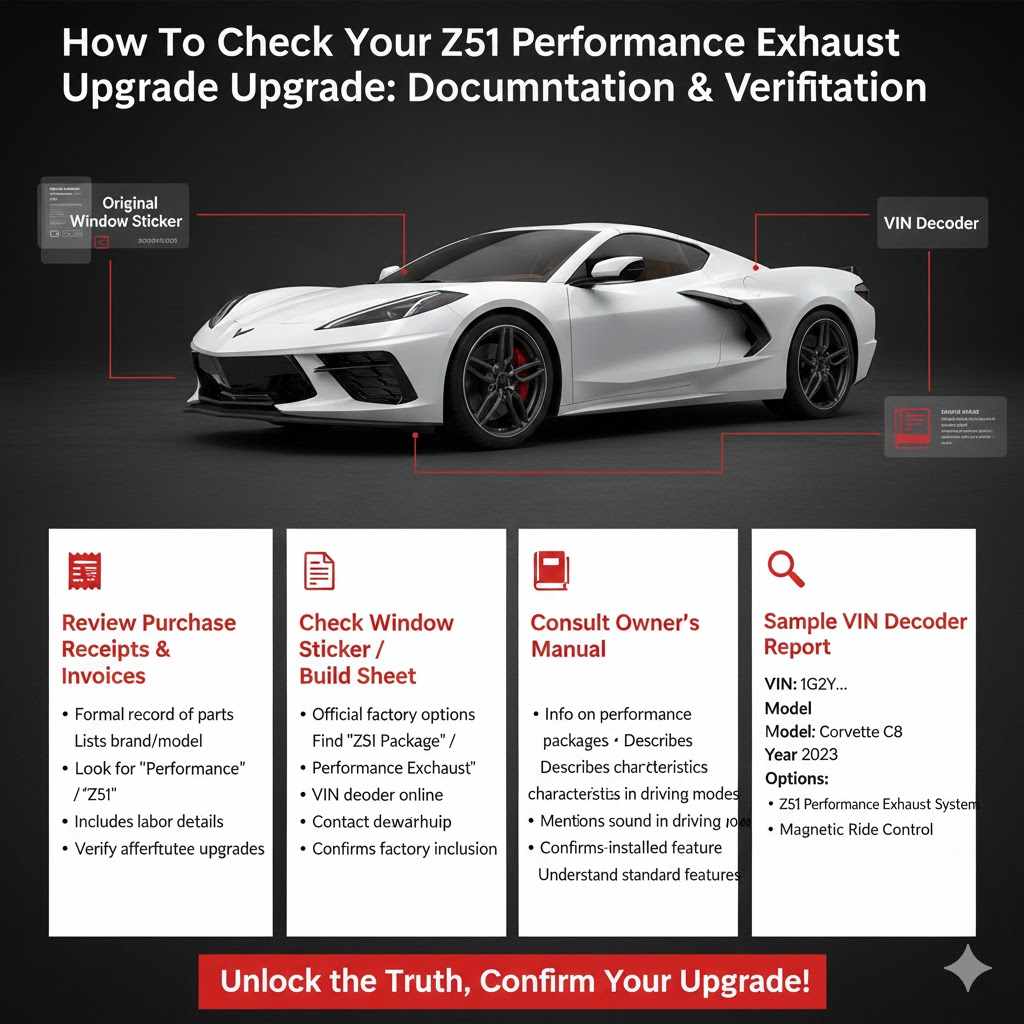
Beyond what you can see and hear, documentation can provide definitive proof of your Z51 performance exhaust upgrade. This includes receipts, installation records, and information from the vehicle’s original window sticker or build sheet. This section explains how to find and interpret these documents.
Reviewing Purchase Receipts and Invoices
If you purchased the car with the exhaust already installed, or if you had it upgraded after purchase, there should be records. Review any receipts or invoices from the dealership or the auto repair shop that performed the work. These documents should clearly list the parts that were installed, including the brand and model of the exhaust system.
Look for line items that specify “Performance Exhaust System,” “Z51 Exhaust,” or the name of a known aftermarket performance exhaust brand. The invoice might also detail the labor involved in the installation. If the exhaust was a factory option or part of a specific package like Z51, it should be listed on the original sales contract or window sticker.
This is often the most reliable way to confirm what’s on your car.
For example, if you bought a used car and the seller claimed it has a performance exhaust, ask for any receipts they might have. If they had it installed at a shop, the shop can often provide a copy of the invoice if you lost yours. This documentation acts as a formal record of the upgrade.
It removes any guesswork and provides concrete evidence of the installed components.
Checking the Vehicle’s Window Sticker or Build Sheet
The window sticker (or Monroney label) is the original sticker that came with a new car, detailing its features, options, and price. A build sheet is a similar document, often found in the vehicle itself or obtainable from the manufacturer, that lists all the original equipment installed on the car from the factory. If the Z51 performance exhaust was a factory-installed option or part of the Z51 package, it will be listed here.
When looking at a window sticker or build sheet, search for terms related to the exhaust system or the Z51 package. For example, it might say “Z51 Performance Package” which includes the exhaust, or it might specifically list “Performance Exhaust” as an option. These documents are invaluable for verifying factory options.
They are official records that are difficult to dispute.
If you don’t have the original window sticker, you can often obtain a build sheet from the manufacturer’s website or by contacting their customer service. You will typically need your car’s VIN (Vehicle Identification Number) to retrieve this information. This is a fantastic way to confirm if the Z51 performance exhaust was a genuine factory inclusion or if it’s an aftermarket addition.
Consulting Vehicle Owner’s Manuals
While owner’s manuals typically focus on operating and maintaining the vehicle, they can sometimes contain information about specific performance packages or optional equipment. If your car came with a Z51 performance package, the owner’s manual might have a section dedicated to it, which could describe the exhaust system’s characteristics.
Look for sections related to performance features, vehicle options, or specific packages. The manual might describe the expected sound of the performance exhaust or highlight any unique aspects of the Z51 package that relate to the exhaust. It’s less likely to list specific part numbers or brands, but it can confirm if the performance exhaust is a standard feature of your model’s configuration.
For instance, the manual might state, “Your vehicle is equipped with the Z51 Performance Package, which includes a performance exhaust system designed for enhanced sound and power delivery.” While this doesn’t tell you the brand, it confirms the existence of the performance exhaust as a factory feature. This adds another layer of confidence when you are checking your Z51 performance exhaust upgrade.
Frequently Asked Questions
Question: How do I know if my Z51 exhaust is actually a performance upgrade?
Answer: You can check by looking for aftermarket brand markings on the muffler or pipes, listening for a deeper and sportier exhaust note, and comparing the appearance to stock exhaust systems. Reviewing receipts or the vehicle’s window sticker/build sheet also provides definitive proof.
Question: Will a performance exhaust void my car’s warranty?
Answer: Generally, a performance exhaust is considered an aftermarket modification. While it might not automatically void your entire warranty, modifications that cause a failure could lead to warranty claims being denied for that specific issue. It’s best to check your warranty terms or consult with the dealership.
Question: How much louder is a Z51 performance exhaust compared to stock?
Answer: Z51 performance exhausts are designed to be sportier but typically not excessively loud for street use. They offer a noticeable increase in volume and a deeper tone, but the exact loudness can vary by brand and specific system design. It’s usually an enhancement, not an annoyance.
Question: Can I install a Z51 performance exhaust myself?
Answer: Installing an exhaust system can be a DIY project for those with mechanical experience and the right tools. However, it often requires lifting the vehicle safely and can involve stubborn bolts. If you’re not comfortable, it’s safer to have a professional install it.
Question: What is the difference between a cat-back and axle-back exhaust?
Answer: A cat-back exhaust replaces everything from the catalytic converter back to the tailpipe. An axle-back exhaust only replaces the mufflers and tailpipes, leaving the piping from the catalytic converter to the rear axle in place. Cat-back systems generally offer more performance and sound benefits.
Wrap Up
Confirming your Z51 performance exhaust upgrade involves visual checks for aftermarket parts and branding, listening for a deeper, sportier sound during acceleration and idle, and verifying with purchase receipts or vehicle documentation. These steps ensure your vehicle has the intended sound and performance characteristics.