How to Identify N55 BMW Performance Exhaust
Many BMW owners love making their cars sound and perform better. But for folks new to the scene, figuring out if an exhaust system is a true performance upgrade for their N55 engine can be tough. There are lots of parts out there, and sometimes they look alike.
Don’t worry, it’s simpler than you think! This guide will walk you through exactly How to Identify an N55 BMW Performance Exhaust with easy steps. We’ll cover what to look for so you can be sure you’re getting the real deal.
What Makes an N55 Performance Exhaust Special
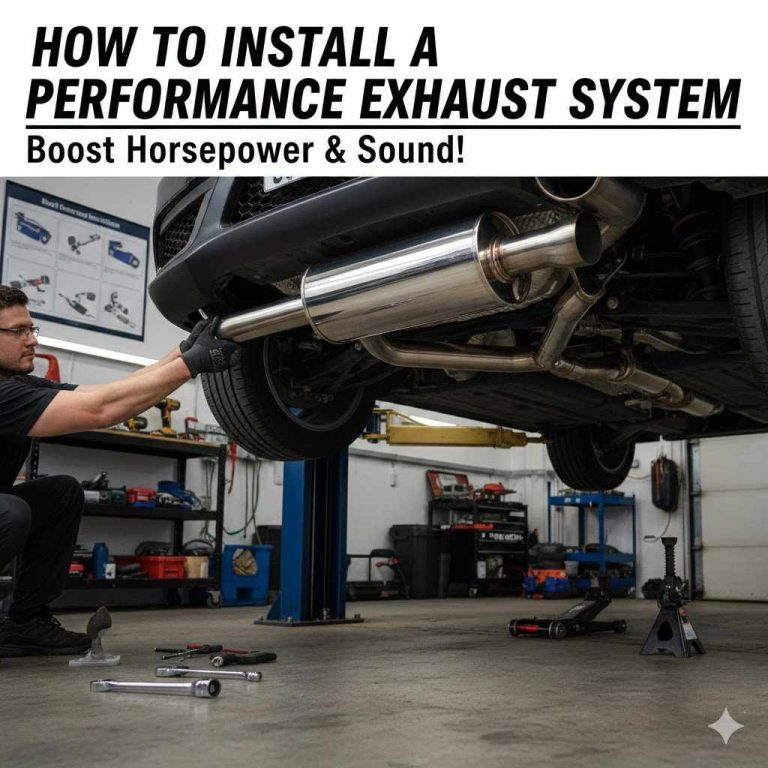
A performance exhaust system for an N55 BMW is designed to do more than just look good. It’s built to let your engine breathe better, which can give you a little more power and a much better sound. Unlike stock exhausts that focus on quietness and fitting in, performance ones use different materials and shapes. They aim for better airflow and a sportier exhaust note.
This upgrade is popular because the N55 engine has a great power potential. An improved exhaust taps into that. It’s a key part of making the car feel more exciting to drive. Many owners seek this upgrade to personalize their BMW and enjoy a more engaging driving experience.
Materials and Construction
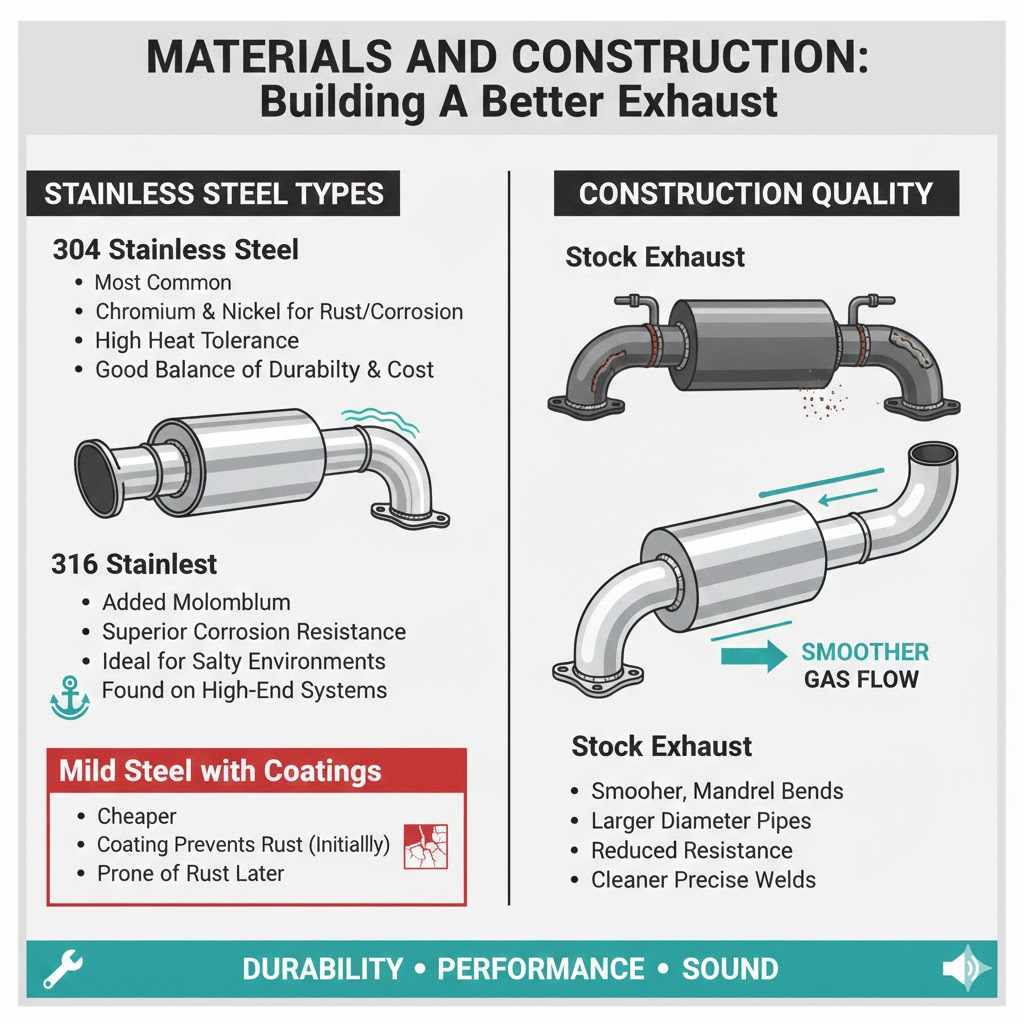
The materials used in a performance exhaust are a big clue. Stock exhausts are often made of regular steel, which can rust over time. Performance systems typically use stainless steel, usually 304 grade. This is much more resistant to corrosion and can handle the heat from the engine better. You might also see titanium on very high-end systems, which is super light and strong but also very expensive.
Stainless Steel Types
304 Stainless Steel
This is the most common material for good quality performance exhausts. It has chromium and nickel, which prevent rust and corrosion effectively. It also holds up well under high temperatures generated by the engine. Most reputable brands use this for its balance of durability and cost.
316 Stainless Steel
This is similar to 304 but has even more nickel and adds molybdenum. This makes it even more resistant to corrosion, especially in salty environments. It’s often used in marine applications but can be found on premium performance exhausts for extreme durability.
Mild Steel with Coatings
Some cheaper aftermarket exhausts might use mild steel. To protect it from rust, they’ll coat it with materials like ceramic or powder coating. While this can look good initially, these coatings can eventually chip or wear off, leading to rust.
The construction itself also differs. Performance exhausts often have smoother bends and larger diameter pipes than stock systems. This reduces resistance to exhaust gas flow, allowing the engine to expel gases more efficiently. Welds on performance systems are usually cleaner and more precise.
Design and Pipe Diameter
The diameter of the exhaust pipes is a major factor in performance. Stock exhausts are designed for quietness and efficiency for everyday driving, so their pipes are usually smaller. Performance exhausts for the N55 engine often feature larger diameter pipes. This is to reduce backpressure and allow exhaust gases to flow out faster.
A larger diameter doesn’t always mean better for every car. For the N55, engineers have found optimal pipe sizes that balance flow with maintaining proper exhaust scavenging. Scavenging is when the exiting exhaust pulse helps pull the next pulse out, improving engine breathing. Too large a pipe can hurt low-end torque.
Pipe Diameter Considerations
Optimal Flow
Performance exhaust manufacturers spend a lot of time designing pipe diameters that are slightly larger than stock. This helps increase horsepower and torque by reducing the effort the engine needs to push exhaust gases out.
Engine Tuning
The ideal pipe diameter can sometimes depend on whether the car has been tuned. A tuned N55 engine might benefit from slightly larger pipes than a stock engine because it produces more exhaust volume.
Sound Quality
Pipe diameter also affects the exhaust sound. Larger pipes tend to produce a deeper, more aggressive tone. Smaller pipes might result in a higher-pitched sound.
Looking at the bends in the pipe is also important. Mandrel bends are a sign of a quality performance exhaust. These bends are made by a machine that keeps the pipe’s diameter consistent throughout the bend. This prevents kinks or restrictions, which you might see in cheaper crush-bent pipes.
Brand and Model Specificity
Performance exhaust manufacturers create systems specifically for certain BMW models and engine types. An exhaust made for an N55 engine in an F30 335i will likely be different from one made for an N55 in an E92 335i. They account for differences in chassis, mounting points, and exhaust manifold design.
When you’re looking at an exhaust, check if it’s explicitly listed for the N55 engine in your specific BMW model. Generic exhausts might fit but won’t be optimized for performance. Reputable brands will clearly state the compatibility.
Identifying Specific Fitments
Model and Chassis Code
BMW uses chassis codes to identify different generations of their cars. For example, the F30 chassis is used for the 3 Series from 2012 to 2019. An N55 exhaust for an F30 335i is different from one for an E92 335i (2007-2013). Always look for the specific chassis code.
Engine Code
While we’re focusing on the N55, BMW also has other engines. Ensure the exhaust is for the N55 specifically, not an N54 or other variant, as they have different requirements.
Exhaust Configuration
Some N55 models might have different exhaust configurations from the factory. Ensure the performance exhaust matches your car’s original setup or is designed to replace it.
Catalytic Converters and Resonators
Performance exhausts often change the catalytic converters and resonators. Catalytic converters reduce emissions, but high-flow versions can be used in performance systems to allow more exhaust flow. Resonators are muffling devices; performance exhausts might have smaller or different types of resonators to achieve a sportier sound without being overly loud.
Some systems are “cat-back,” meaning they replace everything from the catalytic converter back. Others are “turbo-back” or “header-back,” replacing more of the exhaust system. The presence and type of catalytic converter and resonator are key indicators.
Catalytic Converter Differences
High-Flow Catalytic Converters
These are designed to be less restrictive than stock catalytic converters. They still perform their emissions-reducing function but allow exhaust gases to pass through more easily, improving performance.
Catalytic Converter Deletes
Some performance exhausts are designed to completely remove the catalytic converters. This is often done for maximum performance gains but is illegal in many places due to emissions regulations. It will also cause a check engine light.
Sport Catalytic Converters
These are a middle ground, offering better flow than OEM converters but are still emissions compliant. They can be a good option for drivers who want a performance upgrade without running into legal issues.
Resonators are primarily for sound. A performance exhaust might
Muffler Design and Sound Profile
The muffler is the part that makes the exhaust quiet. Performance mufflers are designed to let more sound out while still offering some level of muffling. You’ll see different designs, such as straight-through mufflers or chambered mufflers, that affect the sound character.
The sound profile of an N55 performance exhaust is often deeper, raspier, and more aggressive than the stock system. It should have a satisfying growl under acceleration and a more noticeable tone when cruising. Some systems offer options for different sound levels.
Muffler Types and Sound
Straight-Through Mufflers
These have a perforated core that exhaust gases pass through. They offer minimal restriction and produce a louder, more direct sound. They are common in performance applications.
Chambered Mufflers
These use internal chambers to baffle sound waves. Performance chambered mufflers are designed to create specific sound tones, often deeper and more resonant.
Resonated vs. Non-Resonated Systems
Systems with resonators tend to be less raspy and have a deeper tone. Non-resonated systems are typically louder and can have a more aggressive, sometimes “poppy” sound.
Tips for Identification
When looking at an exhaust system, whether online or in person, here are some practical tips. Check for branding on the tips, muffler, or hangers. Many manufacturers stamp their logos clearly. Look for the quality of welds and the finish of the metal.
Branding and Markings
Manufacturer Logos
Most well-known exhaust brands will have their logos stamped or etched onto the muffler body, tips, or even the mounting brackets. Companies like Akrapovič, Borla, Eisenmann, Remus, and Dinan are common in the BMW performance scene.
Part Numbers
Look for any part numbers or model numbers. You can often search these online to confirm the manufacturer and application.
“Made In” Labels
While not always present, sometimes you can find country of origin labels. High-end exhausts often come from Germany, Italy, or the US.
Exhaust Tips and Finish
The exhaust tips are the most visible part. Performance tips are usually larger, polished, or finished in carbon fiber. They might be single-wall or double-wall, straight-cut or angled. The finish and design of the tips can often hint at the quality of the system.
Tip Designs
Material
Look for stainless steel, titanium, or carbon fiber tips. These are common on performance exhausts and add a premium look.
Size and Shape
Performance tips are generally larger than stock. Common shapes include round, oval, or trapezoidal.
Finish
Polished, brushed, or black chrome finishes are popular for performance tips. Carbon fiber tips often have a woven pattern.
Weight Differences
Performance exhausts are often lighter than stock systems. This is achieved through the use of lighter materials like stainless steel or titanium, and sometimes by simplifying the muffler design. Lifting a section of the exhaust can give you a sense of its weight.
Weight Comparisons
Stock System
Factory exhausts are typically made of heavier gauge steel and have larger, bulkier mufflers and resonators to reduce noise.
Performance System
High-quality performance systems aim to reduce weight for better handling and performance. This is achieved through thinner but strong stainless steel, optimized muffler designs, and sometimes titanium.
Weight Savings
You can expect to save anywhere from 5 to 20 pounds or more with a good performance exhaust, depending on the specific system and your car’s original setup.
Sound Clips and Reviews
Don’t forget to listen to sound clips and read reviews from other N55 owners. This is one of the best ways to understand the sound profile of a specific exhaust. Online forums and YouTube channels are great resources.
Common Pitfalls and How to Avoid Them
One common mistake is buying a generic exhaust that isn’t designed for the N55. Another is assuming that louder always means better performance. Sometimes, an exhaust can be too restrictive, even if it’s aftermarket. Always verify fitment.
Generic vs. Specific Fitment
Generic Fitment Issues
Generic exhausts are often designed to fit a range of vehicles. This means they might require modifications to install, such as cutting and welding, or they might not align perfectly.
Specific Fitment Advantages
Exhausts designed specifically for the N55 engine in your BMW model will have the correct mounting points, pipe lengths, and bends. This ensures a straightforward installation and optimal performance.
Verification Methods
Always check the product description for your specific BMW model, year, and engine code. If possible, look for installation guides or forums where owners discuss specific exhaust fits.
The Myth of “Louder is Better”
It’s easy to think that the loudest exhaust is the best, but this isn’t always true. An extremely loud exhaust might have poor flow characteristics or drone at highway speeds, making your car unpleasant to drive. True performance comes from good design, not just noise.
Understanding Drone
What is Drone?
Exhaust drone is a persistent, unpleasant humming sound that can occur at certain engine RPMs, usually on the highway. It’s caused by resonance within the exhaust system.
Causes of Drone
Poorly designed mufflers or the absence of proper resonators can lead to drone. The length and diameter of the exhaust piping also play a role.
Avoiding Drone
Choosing an exhaust system known for its refined sound, often with resonators, can help avoid drone. Reading reviews from other owners of your specific car model can highlight potential drone issues.
Exhaust Leaks and Installation
Poor installation can lead to exhaust leaks, which reduce performance and can sound bad. Always ensure the exhaust is installed by a qualified professional or follow installation instructions carefully. Check all gaskets and connections.
Signs of Exhaust Leaks
Hissing or Puffing Sounds
A common sign of an exhaust leak is a hissing or puffing sound coming from under the car, especially when the engine is cold.
*Reduced Performance
Leaks before or within the muffler can cause a noticeable drop in power and torque because exhaust gases are escaping before they can do their job.
*Smell of Exhaust Fumes
If you smell exhaust fumes inside the cabin, it’s a strong indicator of a leak somewhere in the system. This can be dangerous.
Advanced Identification Techniques
For those who want to dig deeper, you can look at the internal construction of the muffler or use diagnostic tools. Some performance exhausts will offer transparent views of their internal workings online.
Internal Muffler Construction
Perforated Core
A straight-through perforated core allows exhaust gases to pass through with minimal obstruction. This is common in performance mufflers for maximum flow.
Baffles and Chambers
More complex chambered mufflers use internal plates and chambers to manipulate sound waves. Performance versions of these are designed to reduce noise while maintaining good flow and creating a specific tone.
Packing Material
Some mufflers use fiberglass or steel wool packing to absorb sound. The type and amount of packing can affect both sound and longevity.
Testing and Measurement
While not typically done by a casual owner, professional tuners can measure exhaust backpressure and flow rates. This provides objective data on how well an exhaust system is performing.
Key Metrics
Backpressure
This is the resistance the exhaust system offers to the flow of gases. Lower backpressure generally means better performance.
Flow Rate
This measures how much exhaust gas can pass through the system per unit of time. Higher flow rates are desirable for performance.
Exhaust Gas Temperature (EGT)
Monitoring EGTs can help determine if an exhaust system is causing the engine to run too hot, which could indicate improper tuning or a restrictive exhaust.
Case Studies: N55 Exhaust Upgrades
Many N55 owners have reported significant improvements after upgrading their exhausts. For instance, an F30 335i owner installed a cat-back system from a well-known brand and noticed a more responsive throttle and a sportier engine note. Another owner of an E92 335i found that a full turbo-back system, paired with a tune, resulted in a noticeable increase in horsepower and torque, along with a more aggressive exhaust sound. These examples highlight the tangible benefits of choosing the right performance exhaust.
Example 1: F30 335i Cat-Back Upgrade
A popular choice for the F30 335i is a cat-back exhaust system. These systems typically feature larger diameter piping and a more free-flowing muffler and tips. Owners often report a deeper, more resonant tone that is still manageable for daily driving. Some also notice a slight improvement in throttle response, indicating better exhaust flow.
Example 2: E92 335i Turbo-Back System
For the E92 335i, a turbo-back system offers more extensive upgrades. This

Conclusion
So, how do you spot an N55 BMW performance exhaust? Look for quality materials like stainless steel, specific fitment for your BMW model, and designs that improve airflow. Pay attention to the details like pipe diameter, mandrel bends, and muffler construction. Listening to sound clips and reading reviews will also tell you a lot.
Frequently Asked Questions
Question: How can I tell if an exhaust is specifically for an N55 engine?
Answer: Look for product descriptions that clearly state compatibility with the N55 engine and your BMW’s model and chassis code (e.g., F30, E92). Reputable brands list this information prominently.
Question: What is the difference between a cat-back and a turbo-back exhaust?
Answer: A cat-back exhaust replaces everything from the catalytic converter back. A turbo-back exhaust replaces the downpipes (which include catalytic converters) and the rest of the exhaust system.
Question: Are performance exhausts much louder than stock?
Answer: Yes, performance exhausts are generally louder than stock systems to provide a sportier sound. However, the level of loudness and the sound profile can vary greatly between different brands and designs.
Question: Can a performance exhaust improve my car’s fuel economy?
Answer: Sometimes, a less restrictive exhaust can slightly improve fuel economy by allowing the engine to work more efficiently. However, the primary benefit is usually performance and sound, not fuel savings.
Question: Is it legal to install a performance exhaust?
Answer: It depends on your local laws and emissions regulations. Some performance exhausts, especially those that remove or alter catalytic converters, may not be street legal. Always check your local laws.
Wrap Up
Identifying an N55 BMW performance exhaust involves checking materials like stainless steel, looking for model-specific fitment, and assessing the design for better airflow. Pay attention to details like pipe size and muffler construction. Listening to sound clips and reading reviews helps confirm the expected sound and performance benefits. Make informed choices for an enhanced driving experience.