How Much Performance Boost from Performance Exhaust: Unveiled Gains
Are you curious about how much your car’s performance can really improve with a performance exhaust? You’ve probably heard that upgrading your exhaust system can boost power and give your ride a sportier sound.

XL Science
Kong XXL- Ultimate Male Performance and Enlargement…
- Performance Enhancer- Boost performance like never before and get ready to dominate the competition in all aspects of your life.
- Huge Increase in Size- With Kong XXL you will see a massive gain in size, you will lift heavier and have the performance to get th…
- Gain 3-6 inches in 60 days or less- Manufactured by XL Science this ultra powerful formula gives size gains like never before. We…
As an Amazon Associate I earn from qualifying purchases.
But how significant is that boost, and is it worth the investment? You’ll discover the real impact a performance exhaust can have on your vehicle’s horsepower, torque, and overall driving experience. Keep reading to find out if this upgrade will give your car the edge you’re looking for.
What Is A Performance Exhaust
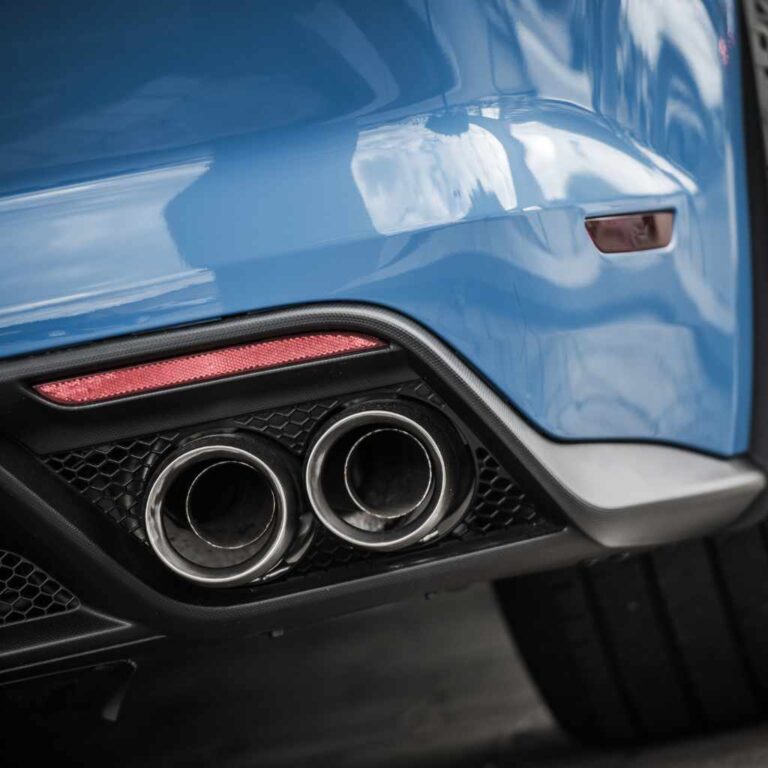
A performance exhaust is a car part that helps the engine breathe better. It replaces the stock exhaust system to improve airflow. This can help the engine run more efficiently. The result is often more power and better sound from the car. Many car owners choose performance exhausts to enhance their driving experience.
These systems reduce backpressure and increase exhaust flow. Less backpressure means the engine can push out gases faster. This helps the engine take in more fresh air. More air means better combustion and more power.
Types Of Performance Exhaust Systems
There are several types of performance exhaust systems. The most common ones include cat-back, axle-back, and header-back systems. Cat-back systems replace parts from the catalytic converter to the exhaust tip. Axle-back systems only replace the section from the rear axle to the exhaust tip. Header-back systems replace everything from the exhaust headers to the exhaust tip.
Each type offers different levels of performance and sound changes. Cat-back systems often provide a good balance of sound and power. Header-back systems give the biggest performance boost but cost more.
Materials And Design Features
Performance exhaust systems use materials like stainless steel, aluminized steel, or titanium. Stainless steel is popular for its strength and resistance to rust. Titanium is lighter and stronger but more expensive. Design features also matter. Larger pipes, mandrel bends, and straight-through mufflers improve flow. These features reduce restrictions and help the engine breathe easier.
Good design also means better sound quality. Performance exhausts often create a deeper, more aggressive sound. This makes driving more enjoyable for many enthusiasts.

How Performance Exhaust Affects Engine Power
Performance exhaust systems play a key role in improving engine power. They change how exhaust gases leave the engine. This change helps the engine breathe better and work more efficiently. Understanding these effects helps explain why a performance exhaust can boost power.
Improved Exhaust Flow
A performance exhaust allows exhaust gases to flow more smoothly. It uses wider pipes and better designs. This smooth flow reduces resistance and lets gases escape faster. Faster gas exit means the engine can take in more fresh air.
Reduced Backpressure
Backpressure is the pressure that pushes back against the engine. High backpressure makes the engine work harder. Performance exhausts lower this backpressure by improving gas flow. Less backpressure means the engine uses fuel more efficiently and gains power.
Enhanced Scavenging Effect
Scavenging happens when exhaust gases help pull fresh air into the cylinder. A well-designed exhaust improves this effect. It creates a vacuum that clears out old gases quickly. More fresh air and less leftover gas means better combustion and more power.
Typical Horsepower Gains
Performance exhaust systems can increase a car’s horsepower. The typical gains vary based on several factors. Many drivers want to know what to expect before investing.
Stock Vs Aftermarket Comparisons
Stock exhausts often restrict airflow to reduce noise and emissions. Aftermarket systems improve exhaust flow, helping the engine breathe better. This change usually adds 5 to 15 horsepower. Some high-quality systems may offer gains up to 20 horsepower. The exact number depends on the vehicle and exhaust design. The difference feels noticeable during acceleration and high revs.
Impact On Different Engine Types
Engines respond differently to performance exhausts. Naturally aspirated engines see more gain because they rely on airflow. Turbocharged engines may see smaller horsepower increases. The turbo already compresses air, so exhaust changes help less. V6 and V8 engines often benefit more than four-cylinder engines. The size and tuning of the engine affect the final horsepower boost.
Factors Influencing Performance Boost
Performance exhaust systems can improve your car’s power and sound. The amount of boost depends on several key factors. Understanding these helps set real expectations. Let’s explore what influences the performance gain.
Engine Size And Configuration
Smaller engines may see a modest boost from a performance exhaust. Larger engines with more cylinders often gain more power. The engine type also matters. V6, V8, or turbocharged engines respond differently. Exhaust upgrades suit some designs better than others. Matching the exhaust to engine size improves airflow and power.
Tuning And Ecu Remapping
Upgrading the exhaust alone does not always maximize gains. Tuning the engine’s computer, or ECU remapping, helps. This adjusts fuel and timing to match the new exhaust flow. Proper tuning can add noticeable power and efficiency. Without it, the car might not use the new exhaust fully.
Exhaust System Compatibility
Not all exhaust parts fit or work well with every car. The design, diameter, and length of pipes affect performance. Using compatible components ensures smooth exhaust flow. Poorly matched parts can cause restrictions or noise issues. Choose parts that fit your car’s needs for best results.
Real-world Performance Results
Performance exhaust systems promise better power and sound. But what does this mean in real driving? Real-world results show how much difference these parts make. These results come from both controlled tests and everyday driver feedback.
Dyno Testing Data
Dyno tests measure engine power with and without a performance exhaust. These tests show gains in horsepower and torque. Typical increases range from 5 to 15 horsepower. Gains depend on the car model and exhaust design. Some cars see small improvements, while others get a solid boost. Testing also reveals changes in engine efficiency and sound levels.
User Experience And Reviews
Drivers share their experience on forums and review sites. Many report better throttle response and a deeper exhaust note. Some notice improved acceleration and fuel efficiency. A few say gains feel minor or mostly about sound. Overall, users enjoy the sportier feel of their cars. Real-world feedback helps set the right expectations for buyers.
Additional Benefits Beyond Power
Performance exhaust systems do more than just boost engine power. They can change how your car feels and behaves in many ways. These benefits often surprise drivers who expect only a power increase. Understanding these changes helps you see the full value of upgrading your exhaust.
Sound And Acoustic Changes
A new exhaust changes your car’s sound. Many people enjoy a deeper, richer tone. The engine sounds louder but cleaner. This makes driving more exciting and satisfying. Sound changes depend on the exhaust design and materials used. Some systems focus on sporty noise, while others reduce harsh sounds.
Weight Reduction
Performance exhausts usually weigh less than stock parts. They use lighter materials like stainless steel or titanium. Less weight means the car handles better and accelerates faster. This helps improve overall driving performance. The reduced weight also lowers stress on suspension and brakes.
Fuel Efficiency Effects
A better exhaust can improve fuel efficiency slightly. It helps the engine breathe easier. This leads to smoother combustion and less wasted fuel. The improvement is small but noticeable over time. Efficient exhaust flow reduces engine strain, helping save fuel during regular driving.
Potential Downsides And Considerations
Upgrading to a performance exhaust can boost your car’s power and sound. Yet, it also has some downsides to consider. These factors affect your decision and overall experience.
Cost And Installation
Performance exhaust systems can be costly. Prices vary depending on brand and material quality. Installation may require professional help. Some systems need custom fitting, which adds labor costs. Incorrect installation can reduce performance gains. It might even cause damage to your vehicle.
Legal And Emission Issues
Some performance exhausts do not meet local laws. Emission rules are strict in many areas. Using a non-compliant system can lead to fines. It might also cause your car to fail inspections. Always check local regulations before buying. Choose systems that meet legal and emission standards.
Noise Regulations
Performance exhausts often produce louder sounds. Many cities have noise limits for vehicles. Excessive noise can result in tickets or fines. Loud exhausts may disturb neighbors and communities. Some areas require mufflers to reduce sound levels. Consider noise rules to avoid legal trouble.
Choosing The Right Performance Exhaust
Choosing the right performance exhaust is key to getting the best results from your car. A well-chosen exhaust system can improve power, sound, and efficiency. Not all exhausts fit every vehicle or goal. Understanding your needs helps pick the perfect match.
Consider what you want from your car. More power? Better sound? Or both? Your choice depends on these goals. The right exhaust supports your driving style and car type. This section guides you through important factors for selecting the best exhaust system.
Matching System To Vehicle Goals
Every car has unique needs. A sports car needs a different exhaust than a family sedan. Define your vehicle goals clearly. For more power, choose a system with larger pipes and less restriction. For better sound, look for exhausts designed to enhance tone.
Some exhausts improve fuel efficiency by reducing back pressure. Others focus on louder, aggressive sound. Match the exhaust type to your driving habits. Track racers need maximum flow. Daily drivers may want quiet performance. This match ensures satisfaction and better performance.
Budget And Quality Trade-offs
Price affects exhaust quality and performance. Cheaper systems may use lower-grade materials. They can rust faster and lose power gains. Higher quality exhausts cost more but last longer and perform better.
Consider how long you plan to keep the car. A durable exhaust saves money over time. Balance your budget with desired benefits. Sometimes, spending a bit more delivers noticeable performance and sound improvements. Avoid very cheap systems as they often disappoint.

Frequently Asked Questions
What Is A Performance Exhaust System?
A performance exhaust system improves engine efficiency by enhancing exhaust flow. It reduces backpressure, increasing horsepower and torque. It also produces a sportier sound and can improve fuel economy. This upgrade is popular among car enthusiasts seeking better performance and sound.
How Much Horsepower Gain Can I Expect?
Typical horsepower gains from a performance exhaust range between 5 to 15%. The actual boost depends on your vehicle and exhaust type. Gains are more noticeable on turbocharged or high-performance engines. Always combine with other mods for maximum effect.
Does A Performance Exhaust Improve Fuel Efficiency?
Yes, a performance exhaust can slightly improve fuel efficiency. Better exhaust flow means the engine breathes easier and runs more efficiently. Gains are usually small but noticeable, especially during highway driving. Results vary based on driving habits and vehicle type.
Will A Performance Exhaust Affect My Car’s Sound?
Yes, it changes the exhaust note to a deeper, sportier tone. The sound can range from subtle to aggressive depending on the system. Many enthusiasts choose performance exhausts for both power and enhanced audio experience. Check local noise regulations before upgrading.
Conclusion
A performance exhaust can boost your car’s power and sound. It helps the engine breathe better and run smoother. The actual gain depends on your car and exhaust type. Not all cars get the same increase in speed or torque.
It also can improve fuel efficiency a bit. Keep in mind, installation and quality matter a lot. A good exhaust gives a nice balance of sound and power. Think about your needs before choosing one. Small upgrades can make driving more fun and exciting.
Related pick: Check today's price on Amazon