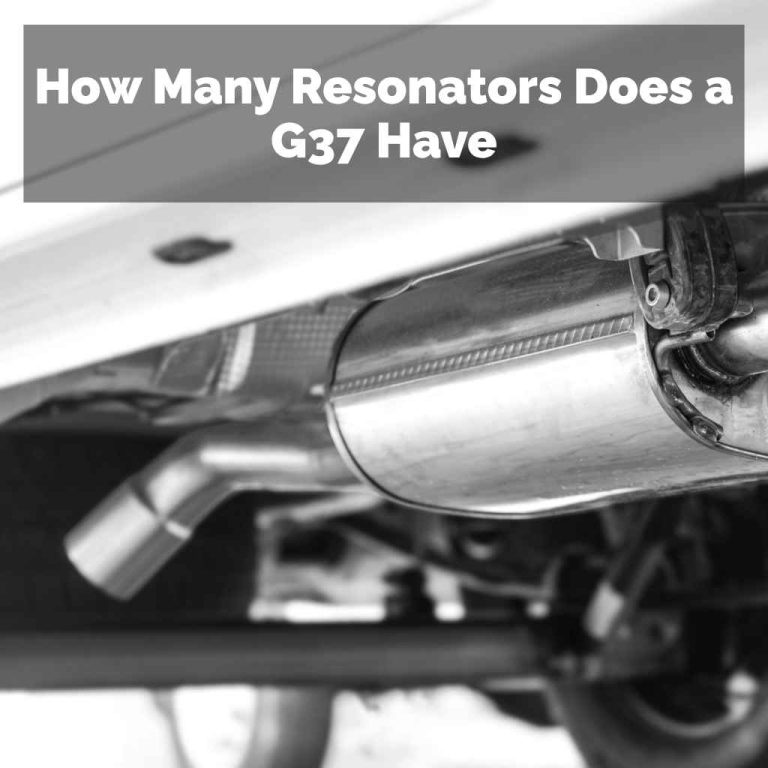
Does The BMW 135i Have Two Resonators
Many car fans wonder about the specifics of their favorite models. For those looking into the BMW 135i, a common question pops up: Does the BMW 135i Have Two Resonators? This might sound like a small detail, but it can matter to people wanting to change their car’s sound. Don’t worry if you find this a bit confusing.
This guide will make it super simple. We will walk through it step by step so you can know for sure. Let’s find out together.
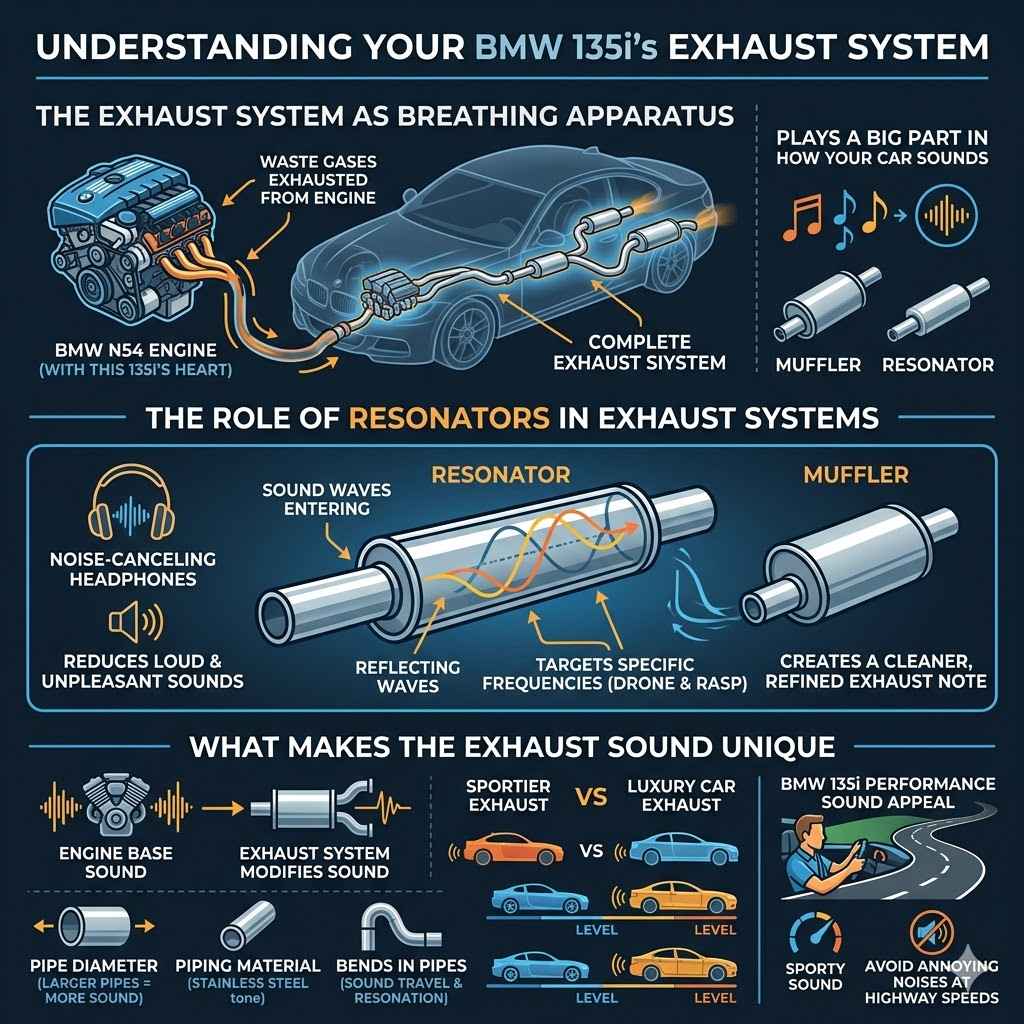
Understanding Your BMW 135i’s Exhaust System
The exhaust system in a car is like its breathing apparatus. It helps get rid of waste gases from the engine. But it does more than just that.
It also plays a big part in how your car sounds. The parts inside the exhaust system, like mufflers and resonators, work together to change the noise. They make the sound smoother and less harsh.
For many car owners, knowing how these parts work is key to enjoying their car even more. This section will help you see how the exhaust system is put together.
The Role of Resonators in Exhaust Systems
Resonators are special parts in your car’s exhaust. They are designed to cancel out certain sound frequencies. Think of them like noise-canceling headphones for your car.
When the engine makes noise, some sounds are loud and unpleasant. Resonators help to reduce these specific sounds, especially drone. Drone is that annoying, low hum you might hear at certain speeds.
By using carefully designed chambers, resonators absorb these unwanted vibrations. This leaves you with a cleaner, more refined exhaust note. They are crucial for a comfortable driving experience, especially on longer trips.
A resonator typically looks like a hollow metal box or tube. Inside, it has baffles or chambers. These internal structures reflect sound waves.
When sound waves enter the resonator, they bounce around. Some of these sound waves are out of phase with the original sound. When these opposing waves meet, they cancel each other out.
This effectively reduces the noise level and alters the tone of the exhaust sound. The size and shape of the resonator can be adjusted to target specific sound frequencies.
The difference between a resonator and a muffler can be confusing for some. A muffler’s main job is to quiet down the exhaust noise overall. It uses packing materials and chambers to absorb sound energy.
A resonator, on the other hand, focuses on specific frequencies. It targets the drone and rasp, fine-tuning the sound quality. Many exhaust systems use both to achieve the best balance of performance and comfort.
Without resonators, exhaust notes can sometimes sound raw or unrefined, even if they are not overly loud.
What Makes the Exhaust Sound Unique
The sound your car makes is like its voice. It’s shaped by many things under the hood and in the exhaust pipe. The engine itself makes a base sound when it runs.
Then, the exhaust system takes that sound and changes it. The pipes, the catalytic converter, the muffler, and resonators all have a job to do. They affect how loud the sound is and what kind of sound it is.
A sportier exhaust might let more of the engine’s natural growl through. A luxury car’s exhaust will often be much quieter and smoother. The goal is usually to make the sound pleasing, not just quiet.
The material of the exhaust system also plays a role. Stainless steel can give a different tone than mild steel. The diameter of the exhaust pipes matters too.
Larger pipes might allow more sound to pass through. Smaller pipes can create more back pressure, which might change the sound. Even the bends in the exhaust pipe can influence how sound travels and resonates.
Engineers spend a lot of time fine-tuning these elements to get the exact sound signature they want for a particular car model. It’s a delicate balance of engineering and acoustics.
For performance cars like the BMW 135i, the exhaust sound is often part of the appeal. Owners might want a sportier sound that reflects the car’s power. However, they also want to avoid annoying noises at highway speeds.
This is where the careful design of the exhaust system, including its resonators, becomes very important. It’s not just about making noise; it’s about making the right noise.
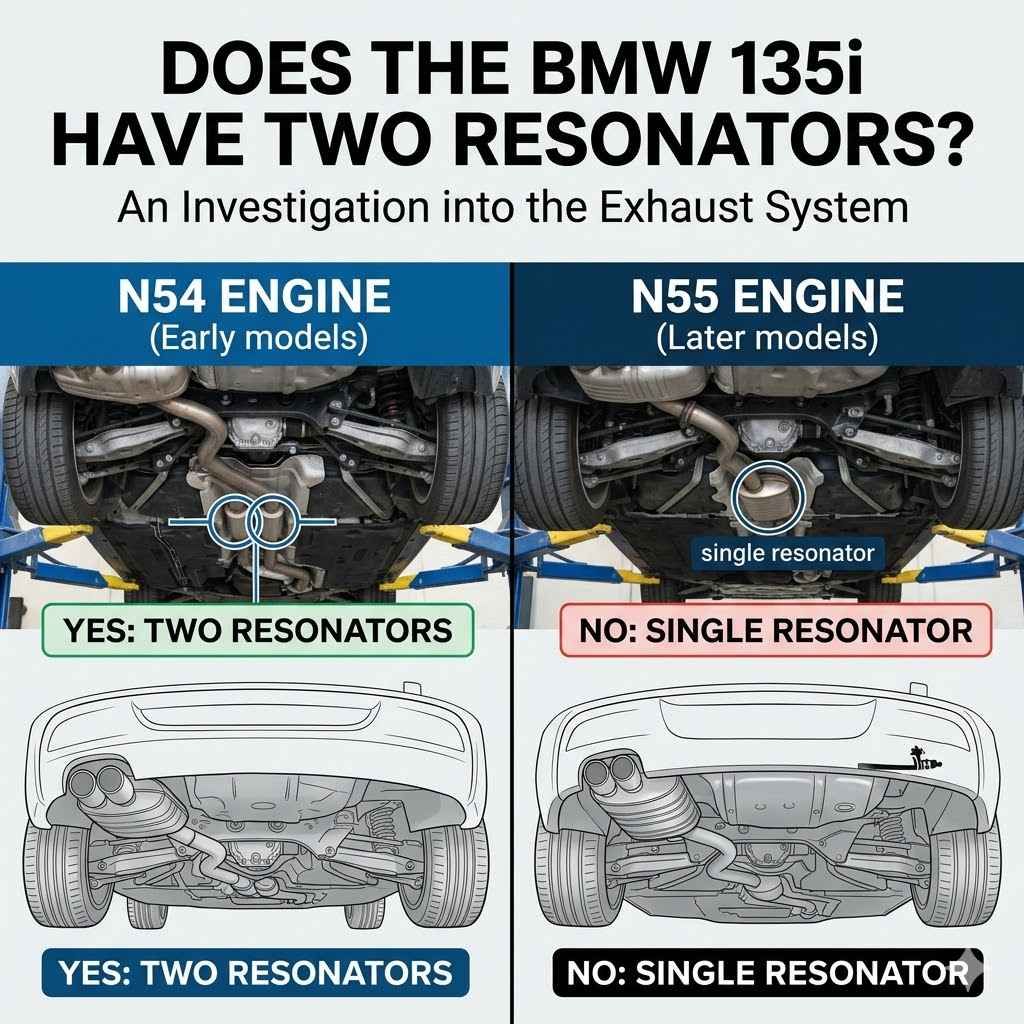
Does The BMW 135i Have Two Resonators?
This is the big question many BMW 135i owners ask. The answer is often a point of interest for those looking to modify their exhaust. Understanding the standard setup helps in planning any changes.
Many car enthusiasts want to know about the factory configuration before they start adding or removing parts. Knowing the exact number and location of resonators can help predict how changes will affect the car’s sound. Let’s clarify what comes from the factory.
For the BMW 135i, the exhaust system is designed to balance performance with a refined sound. BMW often tunes its exhausts to provide a sporty yet comfortable experience. This means that the exhaust system is not usually designed to be excessively loud or raspy from the factory.
Instead, it aims for a more controlled and pleasant tone. This often involves specific components working together. One of these key components is the resonator, which helps to tame unwanted exhaust noises.
Let’s look at the specifics for this model.
The standard exhaust system for most BMW 135i models, across different model years and specific variants like the N54 or N55 engines, typically includes a specific arrangement of exhaust components. This setup is engineered to meet noise regulations while also providing a satisfying sound for a performance car. The design choices made by BMW engineers aim to create a specific sound profile.
This profile is often characterized by a smooth, deep tone that doesn’t drone at cruising speeds. To achieve this, multiple sound-altering components are usually present.
Factory Exhaust Configuration for the 135i
When looking at a stock BMW 135i, the exhaust system is usually quite sophisticated. It’s not just a simple pipe going to a muffler. Engineers put a lot of thought into how it sounds and performs.
For most 135i models, you will find a specific number of resonators. These are strategically placed to manage the exhaust sound. The goal is to get rid of unwanted noise like drone and rasp while letting a bit of the engine’s character come through.
The standard BMW 135i exhaust system generally features two main resonators. These are typically located further down the exhaust system, usually after the catalytic converters and before the final muffler. Their presence is key to the refined sound profile that BMW aims for.
By having two resonators, the system can effectively target and cancel out a wider range of unwanted frequencies. This helps in achieving a smooth exhaust note, especially during normal driving conditions.
These two resonators work in tandem. One might be tuned to tackle lower frequencies, while the other focuses on higher ones. This dual approach ensures that the exhaust sound is managed effectively across the engine’s RPM range.
This is a common strategy in performance vehicles where a balance between sporty sound and daily drivability is desired. Without these, the exhaust note could be much more aggressive, potentially leading to cabin noise issues.
The Function of Each Resonator
Each of the two resonators in a BMW 135i exhaust plays a specific role. They aren’t identical; their designs might differ slightly to target different sound issues. One resonator might be designed as a Helmholtz resonator.
This type uses a chamber and a neck that is open to the exhaust flow. It works by resonating with specific frequencies, canceling them out. It’s very effective for eliminating drone.
The other resonator might be a straight-through design with internal baffling. This type works by reflecting sound waves within its chambers. As sound waves bounce around, they interfere with each other, and some cancel out.
This can help to smooth out the overall tone of the exhaust and reduce rasp. Together, these two types or variations of resonators provide a comprehensive approach to exhaust sound tuning. They ensure the exhaust is not just quiet but also has a pleasant, sporty tone without harshness.
The placement of these resonators is also important. They are usually positioned at points in the exhaust system where certain problematic frequencies are most likely to occur. By placing them strategically, engineers can maximize their effectiveness.
This careful engineering contributes to the overall driving experience of the BMW 135i, making it enjoyable for both spirited driving and daily commuting. The absence or modification of even one of these resonators can significantly alter the sound.
Modifying Your BMW 135i Exhaust System
Many BMW 135i owners are interested in changing their exhaust. This is often done to get a sportier sound or to improve performance. When you start thinking about modifications, knowing the stock setup is the first step.
If the car comes with two resonators, deciding whether to keep them, remove them, or replace them is a big decision. Each choice will change the sound and possibly how the car drives.
When you consider modifying your car’s exhaust, it’s important to think about what you want to achieve. Do you want it louder? Do you want a deeper sound?
Or are you aiming for more power? These questions will guide your decisions about which parts to change. For the BMW 135i, there are many options available, from simple muffler deletes to full cat-back systems.
Each option has its pros and cons. It’s good to research thoroughly before making any changes.
The decision to modify the exhaust system, especially concerning the resonators, can have several implications. Beyond just the sound, there can be legal aspects to consider. In many places, exhaust systems must meet certain noise and emissions standards.
Removing or altering components like resonators might push the car outside these legal limits. It’s also worth noting that changes to the exhaust can sometimes affect the car’s warranty. Therefore, a careful approach is recommended.
Options for Exhaust Modification
When you want to change the sound of your BMW 135i, there are several common paths. One is a muffler delete. This means removing the factory muffler and replacing it with straight pipes.
This usually makes the car much louder. Another option is a cat-back exhaust system. This
Some people choose to
A full custom exhaust is also an option. This involves working with an exhaust shop to build a system specifically for your car. They can choose the exact mufflers, resonators, and pipe sizes to achieve your desired sound and performance.
This is usually the most expensive option but offers the most control over the final result. It’s a good choice for those who have a very specific vision for their car’s sound.
Impact of Resonator Removal or Replacement
Removing the two factory resonators from a BMW 135i will definitely make the exhaust louder. You will hear more of the engine’s natural sound. This can be appealing to drivers who want a more raw, sporty tone.
However, it also increases the chance of exhaust drone. Drone is that irritating, consistent hum that can be heard inside the car at certain speeds, usually around 2000-3000 RPM. This can make long drives very tiring.
Replacing the stock resonators with aftermarket ones can offer a middle ground. High-flow resonators are designed to reduce drone while still allowing a sportier exhaust note. They are made to be less restrictive than the factory units.
Different brands offer different sound characteristics. Some might aim for a deep, throaty sound, while others might focus on a higher-pitched, more aggressive tone. It is important to research specific brands and their products to see what sound profile they offer.
A popular modification for the BMW 135i is often a “resonator delete” exhaust. This involves removing the factory resonators and installing straight pipes in their place. This typically results in a significantly louder and more aggressive exhaust note.
Many enthusiasts appreciate the louder, more visceral sound this provides, feeling it better matches the car’s performance potential. However, as mentioned, this modification often comes with an increase in cabin drone. The intensity of this drone can vary depending on the specific engine and other exhaust components.
Real-World Examples and Case Studies
Many BMW 135i owners have shared their experiences online. For example, one owner decided to do a muffler delete and keep the two factory resonators. They found the car was louder but still had a manageable level of drone.
Another owner removed both the mufflers and the resonators. They reported a very loud, aggressive sound, but also significant drone that made daily driving unpleasant. They later added aftermarket mufflers to try and reduce the drone.
A common approach is to install a cat-back exhaust system from a reputable brand. These systems are designed as a complete package. For instance, a specific brand might offer a cat-back system that includes a new muffler and two smaller, high-flow resonators.
Owners of these systems often report a significant improvement in sound, with a deeper tone and less drone than a full muffler and resonator delete. This shows that thoughtful design can yield great results.
One forum discussion detailed a BMW 135i owner who switched from stock exhaust to a system with only one resonator. The sound became noticeably more aggressive, with a stronger bark on acceleration. However, they reported a persistent drone at highway speeds, particularly between 70-80 mph.
This led them to consider adding a secondary resonator or a different muffler design to mitigate the noise. This highlights how even minor changes in the number or type of resonators can have a noticeable effect.
Choosing the Right Exhaust for Your 135i
Deciding on the best exhaust for your BMW 135i depends on what you want. Are you aiming for maximum sound or a subtle improvement? Do you want to keep your car comfortable for long trips, or are you okay with some extra noise?
Thinking about these things will help you pick the right parts. It’s not just about making noise; it’s about creating a sound that you enjoy every time you drive.
When selecting an exhaust modification, consider the overall system. A cat-back exhaust is a popular choice because it replaces many components and is designed to work together. Brands often provide sound clips and descriptions of their systems.
These can help you get an idea of the expected sound. It’s also a good idea to look for reviews or videos from other 135i owners who have used the same system.
Ultimately, the best exhaust system is the one that fits your personal preferences and driving style. What one person finds enjoyable, another might find too much. Researching options, considering the impact of resonators, and listening to sound clips can all help you make an informed decision.
Remember that many modifications can be reversed if you are not satisfied with the result, though this can add to the cost.
Tips for Selecting an Aftermarket Exhaust
When looking for an aftermarket exhaust, consider the material. Stainless steel is a popular choice because it is durable and resists rust. Titanium is lighter but more expensive.
Also, think about the brand. Some brands are known for their quality and sound. Read reviews from other BMW 135i owners to see what they say about different brands and models.
Listen to sound clips. Many manufacturers provide audio or video samples of their exhaust systems on YouTube or their websites. This can give you a good idea of how the exhaust will sound on your car.
Remember that the sound can vary slightly depending on the engine and other factors. It’s also helpful to see if you can find videos of the exhaust system installed on a similar model to yours, perhaps even a car with the same engine as yours.
Think about legality. Check local laws regarding exhaust noise levels and emissions. Some aftermarket exhausts may not be street legal in certain areas.
Ensure the exhaust system you choose complies with all applicable regulations in your region. This will save you potential headaches and fines down the line. Some systems are designed specifically for track use, while others are engineered for street use.
Materials and Construction
The materials used in an exhaust system significantly impact its durability, weight, and sound characteristics. Stainless steel is a very common choice for aftermarket exhausts due to its excellent corrosion resistance and strength. Grades like 304 stainless steel are often used because they offer a good balance of these properties and affordability.
This means your exhaust is less likely to rust or degrade over time, even in harsh weather conditions.
Some high-performance systems might use titanium. Titanium is much lighter than stainless steel, which can contribute to a small improvement in overall vehicle weight. It also has unique acoustic properties that some tuners prefer for its sound.
However, titanium is considerably more expensive and can be more challenging to work with, which increases the cost of the final product. For most daily drivers, stainless steel offers the best value and longevity.
The construction quality is also vital. Look for systems with smooth welds, proper fitment, and sturdy hangers. A well-built exhaust will not only sound better but also last longer and be easier to install.
Poorly constructed exhausts might develop leaks or breakages over time, leading to further expenses and a less-than-ideal sound. Always check for details like mandrel bends, which ensure the pipe diameter remains consistent throughout the bend, promoting better exhaust flow.
Sound Profile and Drone Management
When choosing an exhaust, the sound profile is often the primary consideration. Do you want a deep, rumbling tone, or something more high-pitched and aggressive? Different muffler designs and resonator setups produce distinct sounds.
For instance, chambered mufflers tend to create a deeper, quieter sound, while straight-through mufflers often result in a louder, more open tone. Resonators specifically target and cancel out certain frequencies, so their presence or absence greatly affects the overall sound, particularly reducing drone.
Drone is the unwanted, low-frequency humming noise that can be noticeable inside the car at certain RPMs. It is a common issue with aftermarket exhausts, especially those that remove factory resonators. When selecting an exhaust, look for systems that specifically mention drone reduction.
Some manufacturers use specialized resonators or internal muffler designs to combat this. Reading reviews and watching videos can give you insight into how well a particular system manages drone.
A common recommendation for BMW 135i owners who want a sportier sound but wish to avoid excessive drone is to opt for a cat-back system that retains at least one, or sometimes two, well-designed resonators. Alternatively, some enthusiasts choose to keep the factory resonators and only modify the muffler. This approach often provides a noticeable increase in volume and a sportier tone while minimizing the risk of intrusive cabin noise.
Careful consideration of resonator placement and design is key to achieving a balanced sound.
Legality and Emissions Considerations
It is crucial to understand the legal implications of exhaust modifications in your specific location. Many countries and states have regulations governing the maximum noise level of vehicle exhausts. These are often measured in decibels at a certain distance from the vehicle.
Aftermarket exhausts, especially those that remove mufflers or resonators, can easily exceed these limits. Ignorance of these laws is not a valid defense if you are stopped by law enforcement.
Emissions control is another significant factor. The exhaust system contains components like catalytic converters that are essential for reducing harmful pollutants. Modifying or removing these can lead to your vehicle failing emissions tests.
In many regions, tampering with emissions control equipment is illegal and can result in substantial fines. Ensure any exhaust modifications you make do not compromise these systems. Often, aftermarket performance exhausts will retain the factory catalytic converters or use high-flow versions that still meet emissions standards.
When purchasing an aftermarket exhaust, check the product description for compliance with local regulations. Some manufacturers clearly state if their systems are intended for off-road use only. It is always best to err on the side of caution.
If you are unsure about the legality of a specific modification, consult with your local authorities or a reputable exhaust specialist. They can provide guidance on what is permissible and help you choose compliant options.

FAQ
Question: Does the BMW 135i always have two resonators?
Answer: Yes, most factory BMW 135i models are equipped with two resonators in their exhaust system. These are part of the standard design to help manage sound and provide a refined exhaust note.
Question: What happens if I remove the resonators on my BMW 135i?
Answer: Removing the resonators will typically make your BMW 135i’s exhaust sound louder and more aggressive. However, it also significantly increases the chance of experiencing exhaust drone inside the cabin, especially at highway speeds.
Question: Can I
Answer: Absolutely. Replacing factory resonators with aftermarket versions, often called high-flow resonators, is a common modification. This can help achieve a sportier sound while potentially reducing drone compared to complete resonator removal.
Question: Will removing resonators affect my car’s performance?
Answer: Removing resonators can sometimes lead to a slight improvement in exhaust flow and therefore a minor increase in horsepower. However, this effect is usually minimal unless paired with other performance modifications like a full cat-back system or tuning.
Question: Is it legal to remove resonators from my BMW 135i exhaust?
Answer: The legality of removing resonators varies by region. In many places, it may be illegal due to noise regulations or emissions tampering. It is important to check your local laws before making such modifications.
Wrap Up
So, to answer the question directly, the BMW 135i typically comes with two resonators from the factory. These are key to its balanced sound. Whether you choose to keep them, modify them, or remove them, understanding their role helps you achieve the exhaust sound you want for your 135i.
Explore your options wisely and enjoy your drive.