Best Exhaust Gaskets for LS Engines (2026): We Compared
Choose MLS for flat headers, graphite or composite for rough stock flanges, and replace any gasket that’s crushed or heat-cycled. The guide compares fitment, hardware, and seal reliability.

Exhaust buying guides and comparisons covering long and short tube headers, clamps and gaskets, for owners choosing parts.
Choose MLS for flat headers, graphite or composite for rough stock flanges, and replace any gasket that’s crushed or heat-cycled. The guide compares fitment, hardware, and seal reliability.

Exhaust hangers support the exhaust, limit movement, and isolate vibration. If they fail, the system can sag, rattle, or hit the body.

Exhaust system components work in sequence: collect gases, reduce noise, clean emissions, and control backpressure. See each part, from manifold to tailpipe.
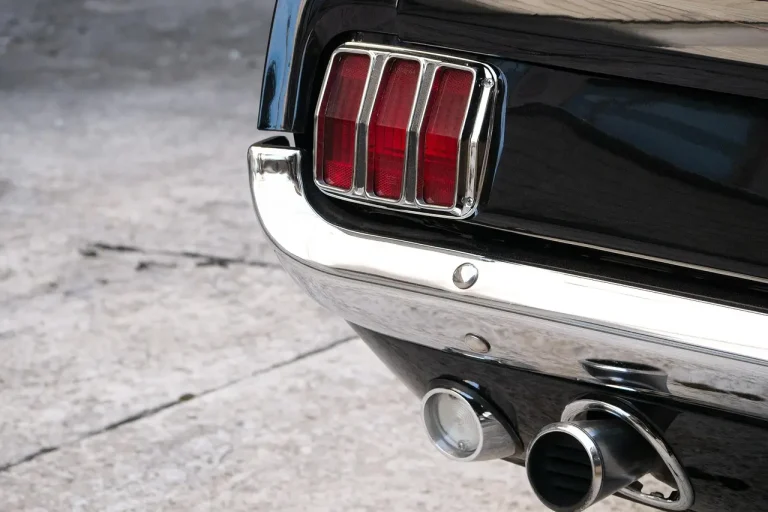
Use a cat back for public roads; a straight pipe is louder, usually illegal, and best left to track or off-road use.

Use a flat exhaust gasket for flat flanges and a donut gasket for ball-and-socket or slip joints; the guide includes fitment checks.
Choose an H pipe for a deeper, smoother V8 tone with some pulse balancing; choose straight pipe for maximum loudness and simplest packaging.

Choose multi-layer steel for flat, high-clamp flanges and heat above 1,200°F, graphite or composite for uneven flanges and vibration, and OEM-style metal-rubber for moderate street heat.

Long tube headers are worth it for higher-rpm power, but fitment can get tight. See the fitment chart, power tradeoffs, and install checks.
Use stainless clamps on stainless steel systems and coated or mild-steel clamps on mild steel systems, then match joint type and wall thickness.

Choose multilayer steel for flat flanges, graphite for uneven ones, and spiral-wound rings for stable joints. This guide lists fit by joint type and common leak symptoms.