Are Cars Faster Without an Exhaust Pipe: Speed Unleashed
Have you ever wondered if your car could go faster without an exhaust pipe? It’s a thought that might have crossed your mind while stuck in traffic or watching a thrilling car chase on TV.

Msuhettu
Msuhettu Exhaust Hanger Removal Tool, Heavy-Duty Exhaust…
- 【Works with Most Car & Truck Exhaust Systems】: Engineered to remove rubber exhaust hangers from most domestic and imported vehicle…
- 【Offset Jaw Design for Tight Spaces】: The 25° offset head helps you reach hanger brackets hidden deep under the car. No more awkwa…
- 【Built Strong, Built to Last】: Made from impact-grade carbon steel with anti-rust coating. Built to handle high-pressure disassemb…
As an Amazon Associate I earn from qualifying purchases.
The idea of squeezing out just a bit more speed is tempting, isn’t it? But before you grab a wrench and start tinkering with your exhaust system, let’s dive into the real impact of removing that pipe. We’ll unravel the truth behind this automotive curiosity.
You’ll discover whether ditching the exhaust can boost your speed or if it’s just a myth revving up in your imagination. Stay tuned to find out how this decision could affect your car’s performance, safety, and even your wallet.
Impact Of Exhaust On Speed
Ever wondered if removing an exhaust pipe could make your car faster? The exhaust system in your vehicle plays a crucial role in its performance, but its impact on speed might surprise you. Let’s dive into how the exhaust affects your car’s speed.
Understanding Exhaust Systems
Exhaust systems are designed to channel gases away from the engine efficiently. They reduce noise and emissions, keeping your car environmentally friendly. But, does it affect speed? Yes, it does. The exhaust manages the outflow of gases, which impacts engine performance.
The Role Of Back Pressure
Back pressure in an exhaust system can influence speed. It’s a resistance that occurs as gases flow through the exhaust pipes. A well-designed system balances back pressure to optimize performance. Too much back pressure can slow down your car.
How Exhaust Modifications Affect Speed
Removing or modifying your exhaust can change how your engine performs. A free-flowing exhaust might improve speed due to reduced back pressure. However, it’s not just about speed; you might face noise issues and legal challenges. Consider if the trade-off is worth it.
Personal Experience With Exhaust Changes
Once, I tried altering my car’s exhaust for better speed. Initially, it felt faster, but soon, the noise became unbearable. I realized that comfort and compliance were as important as speed. Have you considered these factors when thinking about modifications?
Is Speed Everything?
Sure, faster cars are thrilling, but think about your daily drive. Speed isn’t the only factor; consider fuel efficiency, noise levels, and legal restrictions. Would you sacrifice these for a few extra miles per hour? Your priorities might shift when you evaluate the bigger picture.
Practical Tips For Balancing Exhaust And Speed
Before making changes, research and consult experts. Look for exhaust systems designed for your car model. Consider a balance between speed and other factors like noise and legality. How can you make your car faster without compromising on comfort or compliance?
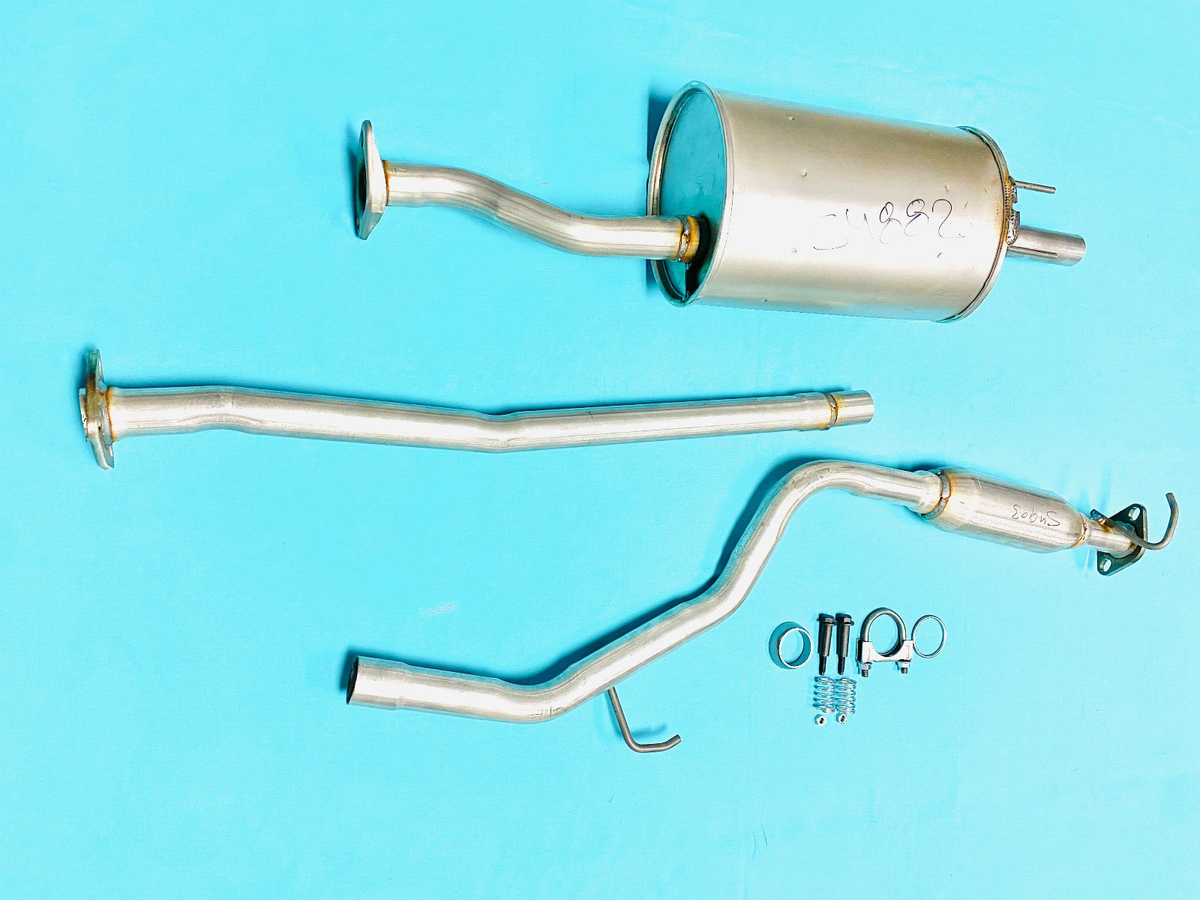
Credit: www.ebay.com
Role Of Exhaust Backpressure
Exhaust systems play a crucial role in a car’s performance. They ensure efficient engine operation. The role of exhaust backpressure is significant. It impacts engine power and speed. Many wonder if cars are faster without an exhaust pipe. Understanding exhaust backpressure helps answer this.
What Is Exhaust Backpressure?
Exhaust backpressure refers to resistance in exhaust flow. It occurs when gases exit the engine. This resistance can affect engine efficiency. Too much backpressure reduces engine power. Correct backpressure improves performance.
How Backpressure Affects Speed
Backpressure influences engine speed directly. Low backpressure allows faster exhaust flow. High backpressure slows exhaust flow. Faster flow enhances engine performance. Slow flow reduces engine output. Balanced backpressure is key for optimal speed.
Role In Engine Efficiency
Backpressure contributes to engine efficiency. Proper levels help with fuel combustion. This results in better fuel economy. Excessive backpressure can cause engine strain. This reduces efficiency and power. Maintaining the right balance is essential.
Impact On Engine Components
Backpressure affects various engine parts. It impacts valves and pistons. Incorrect backpressure can cause wear. Balanced pressure protects components. It extends engine life and ensures reliability.
Backpressure And Exhaust Design
Exhaust design influences backpressure levels. Engineers focus on achieving optimal flow. They consider pipe diameter and shape. A well-designed exhaust minimizes backpressure. This enhances overall engine performance.
Engine Efficiency And Exhaust Systems
Car enthusiasts often ponder the impact of exhaust systems on performance. The exhaust system plays a crucial role in engine efficiency. It channels harmful gases away and aids in engine breathing. Understanding how this affects speed can be intriguing.
Understanding Engine Efficiency
Engine efficiency is about converting fuel into power. A well-tuned engine maximizes power output. The exhaust system helps maintain this balance by removing gases. Without it, the engine might struggle to work efficiently.
The Role Of Exhaust Systems
Exhaust systems reduce back pressure in engines. This back pressure can affect engine efficiency. By expelling exhaust gases, the system enhances performance. It allows for smoother engine operation.
Impact On Car Speed
Removing the exhaust might seem to boost speed. But it can harm engine efficiency. Increased noise and pollution are side effects. An efficient exhaust system balances speed and sustainability.
Potential Risks Of Removing Exhaust
Without an exhaust, cars face several risks. The engine may overheat or suffer damage. Legal issues may arise due to noise regulations. It’s crucial to weigh these risks against perceived speed gains.

Credit: fastintentions.com
Exhaust Pipe Removal: Pros And Cons
Exhaust pipes play a critical role in vehicle performance and emissions. Some wonder if removing them boosts speed. This topic has its supporters and detractors. Understanding the pros and cons is essential before making a decision.
Pros Of Removing The Exhaust Pipe
Removing the exhaust pipe can reduce vehicle weight. Less weight might lead to faster acceleration. This can make your car feel more responsive. Without an exhaust, back pressure decreases. Engines may run more freely without this restriction. This can enhance overall engine performance.
Cons Of Removing The Exhaust Pipe
Noise levels increase without an exhaust pipe. The car becomes much louder. This might not be pleasant for everyone. Removing the exhaust can lead to legal issues. Many regions have laws about vehicle emissions and noise. These laws protect the environment and community. Without an exhaust, pollution levels rise. This is harmful to the environment and health.
Impact On Vehicle Safety
Exhaust removal can affect vehicle safety. Exhaust systems help manage heat from the engine. Without them, parts can overheat. This can cause damage or even fires. The exhaust system also directs fumes away from the cabin. Without it, harmful gases could enter the vehicle. This poses a risk to driver and passengers.
Considerations Before Removing The Exhaust
Think about your vehicle’s warranty. Removing the exhaust might void it. Consider the resale value of your car. Modifications can reduce it. Also, consider the impact on fuel efficiency. Without an exhaust, it might decrease. This can lead to higher fuel costs. Weighing these factors helps make an informed decision.
Legal And Environmental Implications
Cars without exhaust pipes may experience increased speed due to reduced weight. Yet, this modification can lead to significant legal and environmental issues. Removing exhausts often violates emission laws, contributing to air pollution and potential fines.
When discussing whether cars are faster without an exhaust pipe, one must consider not just the performance implications but also the legal and environmental aspects. It’s easy to get caught up in the thrill of speed and forget about the rules that govern our roads and the air we breathe. Let’s dive into the legal and environmental implications of removing an exhaust pipe from your vehicle.
Legal Considerations
Taking off your car’s exhaust pipe might seem like a quick way to boost speed, but it could land you in trouble with the law. In many places, driving a car without an exhaust is illegal. This isn’t just a minor infraction; it could lead to fines, impounding of your vehicle, or even points on your license. The exhaust system isn’t just there for sound control. It’s also integral to emissions regulation. Removing it may mean your car no longer meets legal emissions standards. This can affect whether your vehicle passes inspection or is allowed on the road at all.
Environmental Impact
Without an exhaust pipe, harmful emissions from your car are released directly into the atmosphere. This increases pollution and contributes to environmental damage. Cars are already significant contributors to air pollution, and removing the exhaust system only worsens the problem. Have you ever considered the impact on your community’s air quality? Poor air quality can lead to health problems for you and your neighbors. It’s not just about the environment; it’s about the health implications for everyone around you.
Noise Pollution Concerns
An exhaust pipe also plays a crucial role in reducing noise. Without it, your car can become excessively loud, disturbing the peace in residential neighborhoods. This can lead to noise complaints and further legal issues. Think about the last time you heard a loud car drive by. Did it disrupt your day? Imagine being the cause of that disruption for others. It’s not just inconsiderate; it can be illegal in areas with strict noise ordinances.
Personal Responsibility
As a car owner, it’s your responsibility to ensure that your vehicle is roadworthy and compliant with local laws. This includes maintaining an intact exhaust system. Consider the broader impact of your actions, not just on your car’s performance but on the world around you. Have you ever found yourself in a situation where a small decision had larger consequences than you anticipated? Removing your exhaust could be one of those choices. It’s vital to weigh the immediate gains against potential long-term repercussions.
By understanding the legal and environmental implications, you can make informed decisions about your vehicle. Will you choose speed over sustainability, or find a balance that respects both your needs and those of the community?
Performance Modifications Beyond Exhaust
Cars might seem faster without an exhaust pipe due to reduced weight. But, this can damage the engine. Performance modifications should focus on improving engine efficiency and power without compromising safety. Removing the exhaust is not a safe or effective way to boost speed.
When discussing car performance, the exhaust pipe is often a focal point. But what happens when you look beyond it? Performance modifications can transform your vehicle, enhancing speed, handling, and overall efficiency. If you’re a car enthusiast, you know that real magic happens when you explore other parts of your vehicle. Let’s dive into some modifications that might surprise you with their impact.
Engine Tuning
Engine tuning is a powerful way to enhance your car’s performance. Adjusting the engine’s control unit (ECU) can increase horsepower and torque. Consider upgrading to a high-performance ECU. This modification can optimize fuel delivery and improve ignition timing.
Suspension Upgrades
A good suspension system is essential for speed and control. Performance shocks and struts can make a noticeable difference. Upgraded suspension improves handling, making your car faster in real-world scenarios. Have you noticed how race cars hug the track on sharp turns? That’s the magic of a finely-tuned suspension.
Weight Reduction
Reducing weight can significantly impact speed. Lightweight materials like carbon fiber can replace heavier parts. Even removing unnecessary items from your car can lead to improved acceleration. How much faster could your car be if it shed a few pounds?
Enhanced Aerodynamics
Aerodynamics play a critical role in speed. Adding a spoiler or a front splitter can reduce drag. These modifications help your car slice through the air more efficiently. Have you thought about how a simple change in design could make your car more aerodynamic?
Improved Tires
Tires are your car’s connection to the road. High-performance tires offer better grip and control. Choosing the right tires can make a substantial difference in both speed and safety. Do your current tires provide the performance you need?
Turbocharging
Turbochargers can significantly boost your engine’s power. They force more air into the combustion chamber, creating more power. Installing a turbocharger is a popular choice among speed enthusiasts. What would it feel like to have an extra burst of speed at your disposal? Exploring performance modifications beyond the exhaust pipe opens a world of possibilities. Whether it’s engine tuning or upgrading tires, each change can transform your driving experience. Consider what modifications best suit your needs. Are you ready to elevate your car’s performance to the next level?
Case Studies And Real-world Examples
Exploring the impact of removing an exhaust pipe on car speed often sparks curiosity. Enthusiasts and mechanics have tested this concept in different scenarios. Real-world examples provide insights into how this modification affects vehicle performance.
Case Study 1: Street Racing Experiment
In a popular street racing event, a car owner removed the exhaust pipe. The goal was to gain a speed advantage. Results showed increased speed in short bursts. Yet, long-term performance was inconsistent. The car faced issues with engine efficiency.
Case Study 2: Track Day Trials
A track day trial involved multiple cars without exhaust pipes. Drivers reported faster acceleration initially. But, overheating and engine stress were common. These trials highlighted the balance between speed and reliability.
Case Study 3: Professional Testing Facility
A professional testing facility conducted controlled experiments. Cars were tested with and without exhaust systems. Findings showed minor speed gains. Yet, noise levels and engine wear increased significantly.
Real-world Example: Daily Driver Experience
An individual tried removing the exhaust for daily driving. They noted a slight increase in acceleration. Still, the noise was unbearable for regular use. Fuel efficiency dropped noticeably, impacting overall vehicle performance.
Real-world Example: Off-road Adventures
Off-road enthusiasts experimented with exhaust removal. These modifications offered temporary power boosts. But, they compromised engine durability. Parts wore out faster, impacting long-term usability.
Real-world Example: Highway Commute
For highway commuting, exhaust removal showed mixed results. Drivers experienced better speed but louder noise. Comfort decreased due to increased cabin noise. Long-distance travel became more tiring.
Future Of Automotive Exhaust Technologies
Cars might gain speed without an exhaust pipe, but performance issues arise. Exhaust systems help manage engine output and emissions. Removing them could lead to engine inefficiencies and environmental concerns.
The future of automotive exhaust technologies is evolving rapidly, with innovations that promise to reshape how we think about car efficiency and emissions. As environmental concerns grow and regulations tighten, the automotive industry is compelled to find greener solutions. From advanced materials to smart exhaust systems, the race is on to create cars that are both high-performing and eco-friendly.
Understanding Current Exhaust Technologies
Today’s cars use exhaust pipes to direct gases away from the engine and reduce noise. Traditional exhaust systems, while effective, often contribute to pollution. Many manufacturers are now exploring alternatives that can help reduce environmental impact while maintaining performance.
The Rise Of Electric Vehicles
Electric vehicles (EVs) are gaining popularity as they produce zero emissions. This shift challenges the need for traditional exhaust systems. With the growing EV market, is the exhaust pipe becoming a relic of the past?
Smart Exhaust Systems
Imagine an exhaust system that adapts to driving conditions in real-time. Smart exhaust technologies aim to optimize emissions and performance dynamically. These systems can potentially improve fuel efficiency and reduce harmful emissions significantly.
Materials Of The Future
The materials used in exhaust systems are crucial for performance and longevity. Lightweight, durable materials are being developed to withstand high temperatures and reduce vehicle weight. Could these advancements lead to more sustainable and efficient cars?
Regulatory Challenges And Innovations
Stringent emissions regulations are pushing manufacturers to innovate. How will companies balance performance with compliance? Many are investing in research and development to meet these challenges head-on.
Practical Tips For Car Enthusiasts
If you’re passionate about cars, staying updated on these advancements is essential. Consider exploring forums and online communities to discuss the latest trends. Sharing insights with fellow enthusiasts can enhance your understanding and appreciation of automotive technologies. As exhaust technologies continue to evolve, what’s your take on the future of car performance and emissions? Could these innovations redefine your driving experience? Share your thoughts and join the conversation on the future of automotive exhaust technologies.

Credit: www.gofasthobbies.com
Frequently Asked Questions
Do Cars Perform Better Without Exhaust Pipes?
Removing exhaust pipes may improve performance slightly due to reduced backpressure. However, it negatively impacts engine efficiency and emissions, making it illegal and environmentally harmful.
Is It Legal To Drive Without An Exhaust Pipe?
Driving without an exhaust pipe is illegal in most places. Exhaust systems are required for emissions control, noise reduction, and environmental protection.
How Does Exhaust Affect Car Speed?
Exhaust systems manage engine gases, influencing performance. They enhance engine efficiency and power delivery, contributing to optimal speed and acceleration.
Can Exhaust Removal Damage The Engine?
Yes, removing exhaust can harm the engine. Without proper exhaust flow, backpressure increases, potentially leading to overheating and engine wear.
Conclusion
Cars without an exhaust pipe might seem faster. But the reality is different. Speed gains are minor, and risks increase. Noise levels rise significantly without an exhaust. Environmental impact worsens too. Legal issues can also arise. A proper exhaust system balances performance and safety.
It’s crucial for engine health and emissions. So, removing the exhaust pipe isn’t advisable. Consider all factors before making modifications. Balance speed with safety and environmental responsibility. Always consult a professional. Make informed, smart decisions for your car’s performance.
Related pick: Check today's price on Amazon