Muffler Delete vs Cat Back Exhaust
A muffler delete is the louder, cheaper route, but it brings more cabin drone, more resonance, and a higher chance of trouble with local sound rules. A cat-back exhaust keeps more control over tone and is easier to live with on the street. This guide compares legality, drone, reversibility, sound, and performance so you can pick the least-regret mod for your use case.
| Factor | muffler delete | cat back exhaust | Winner |
|---|---|---|---|
| Sound gain | Very high. Removes the factory muffler, so the exhaust note gets much louder right away. | Moderate to high. Changes piping and muffler from the catalytic converter back, usually with a more tuned tone. | muffler delete |
| Drone risk | Higher. A straight-pipe style section can add cabin noise and low-frequency resonance on the highway. | Lower. Many systems keep more control over tone, especially when a resonator remains in place. | cat back exhaust |
| Legality risk | Higher. Noise laws vary by state, province, and municipality, and a louder exhaust can draw attention fast. | Lower, but not zero. Noise rules still apply, and inspection outcomes depend on local requirements. | cat back exhaust |
| Cost | Lower. It can be less expensive because it uses less material. | Higher. A cat-back exhaust is a more significant investment. | muffler delete |
| Reversibility | High if the original muffler is kept, but the setup change is simple and easy to undo. | Moderate. It is still reversible, but the parts cost more and the change is broader. | muffler delete |
What each mod changes from the catalytic converter back
A muffler delete removes the factory muffler and usually replaces it with a straight pipe or simpler section. A cat-back exhaust replaces piping and the muffler from the catalytic converter back to the exhaust tip, so it changes more of the rear exhaust path without replacing emissions hardware.
The catalytic converter sets the boundary. A cat-back starts after it, so it leaves the emissions component untouched. That matters for both legality and inspection questions later in the decision.
Muffler delete
The muffler’s main job is noise control, using chambers, baffles, or sound-absorbing materials. Remove it, and you remove a major sound-control part of the system. That usually means more volume and more harshness.
Cat back exhaust
A cat-back exhaust keeps the catalytic converter in place and changes the exhaust path from there rearward. It is intended to improve performance and give a sportier tone, but it is usually more controlled than a muffler delete. That extra control is why it is the safer default for street use.
The core trade-off: louder sound versus more control
This comparison breaks into two clear choices. A muffler delete usually wins on raw loudness and cost, while a cat-back exhaust usually wins on refinement, drone control, and day-to-day livability. If you drive on the highway often, the second group matters a lot.
Sound is not the same as quality. Some muffler-delete setups sound thin or raspy, especially on certain engine layouts, while some cat-back systems keep the tone fuller and less strained.
Cabin drone matters more than peak volume
Cabin drone is low-frequency resonance that shows up most on steady highway driving. It is a common complaint with straight-pipe style setups, including many muffler deletes. A system that is a little quieter outside can still be the better choice if it avoids that constant interior boom.
Resonators can change the result
A resonator may remain in the system with a muffler delete, and that detail matters. It can help shape tone and cut some drone, but it does not replace the muffler’s main sound control. A delete with a resonator is often less harsh than a bare straight pipe, yet it is still usually more aggressive than a cat-back.
Where axle-back exhaust fits in the comparison
An axle-back exhaust changes only the section behind the rear axle, so it is generally a smaller change than a cat-back and may be less extreme than a muffler delete. It is a useful middle ground when you want more sound without replacing the whole rear system from the catalytic converter back.
Compared with a muffler delete, an axle-back can be easier to live with because the rest of the exhaust remains intact. Compared with a cat-back, it is often less expensive and less involved to install. It is the “smallest meaningful change” option for many street cars.
Exhaust decision table
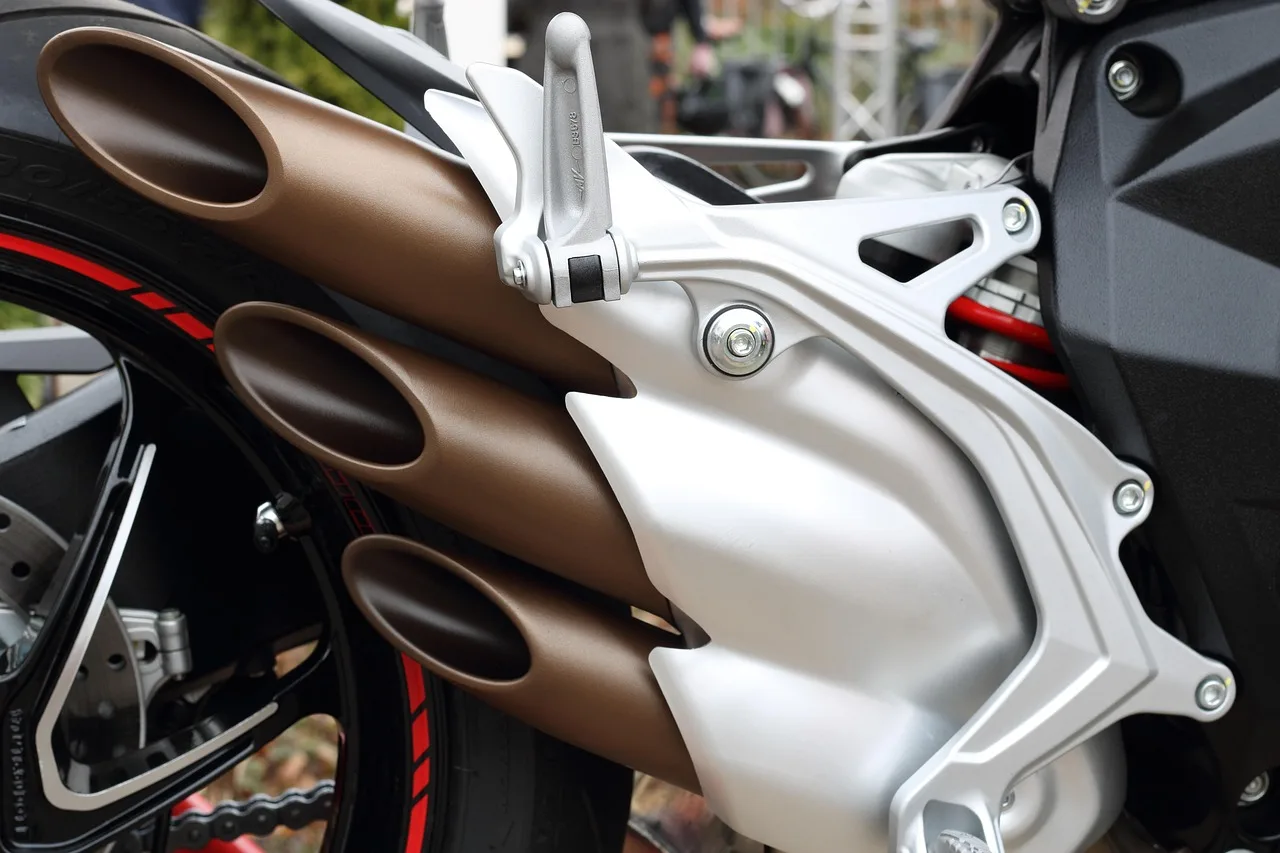
These four setups are common real-world use cases, not abstract categories. The scores below use a 1-5 scale, where 1 is low and 5 is high. For legality risk, higher means more likely to create trouble.
| Setup | Sound gain | Drone risk | Legality risk | Cost | Reversibility | Best pick |
|---|---|---|---|---|---|---|
| Daily driver | muffler delete: 5 | muffler delete: 4 | muffler delete: 4 | muffler delete: 1 | cat back exhaust: 4 | cat back exhaust |
| Weekend street car | muffler delete: 4 | cat back exhaust: 3 | cat back exhaust: 3 | muffler delete: 2 | cat back exhaust: 4 | cat back exhaust |
| Turbo car | cat back exhaust: 4 | cat back exhaust: 3 | cat back exhaust: 3 | muffler delete: 1 | cat back exhaust: 4 | cat back exhaust |
| Track-only car | muffler delete: 5 | muffler delete: 2 | muffler delete: 5 | muffler delete: 1 | muffler delete: 5 | muffler delete |
Daily driver
A daily driver usually favors the cat back exhaust because it lowers the chance that drone becomes a constant complaint on the commute. The muffler delete can be cheap and loud, but that same combination is why it is the riskier choice for a car that spends time on the highway.
Weekend street car
A weekend street car can go either way, but the cat back exhaust still wins for most owners because it gives a sportier tone with less chance of sounding rough in normal driving. If the car still sees local roads, cruise nights, or longer trips, the added control matters.
Turbo car
A turbo car often suits a cat back exhaust better than a muffler delete because the system can keep tone cleaner while still allowing freer flow from the catalytic converter rearward. A muffler delete may sound louder, but louder is not the same as better on a boosted car, especially if the layout already trends toward sharp or harsh noise.
Track-only car
A track-only car is the clearest case for a muffler delete. If street legality and cabin comfort are not priorities, the lower cost and simpler setup can make sense. That said, track rules still matter, so you should still check event noise limits before assuming any open exhaust is acceptable.
Which is louder: muffler delete or cat-back exhaust?
A muffler delete is usually louder than a cat-back exhaust on the same car. Removing the factory muffler takes away the main noise-control part, while a cat-back usually still keeps some tuning through its piping, muffler design, and sometimes a resonator.
How the resonator changes tone and volume
A resonator can remain in either setup, and it changes both volume and tone. With a muffler delete, a resonator may soften the sound, but it often cannot fully stop drone or rasp. With a cat-back, the resonator can help the system sound more finished and less hollow.
Why engine layout matters for sound
Engine layout affects whether a deleted muffler sounds deep, sharp, or thin. Some cars tolerate a muffler delete better than others, and some make an unpleasant rasp that owners regret quickly. That is why the same mod can sound acceptable on one platform and rough on another.
Say your 4-cylinder sedan gets a muffler delete and keeps the resonator. Around town it may sound acceptably sporty, but at 70 mph the cabin can pick up a steady boom that makes long drives tiring. A cat-back with the same car and resonator often gives less outside volume, but the cabin is easier to live with.
Does a muffler delete hurt performance?
A muffler delete usually does not create large performance gains on a street car. It can change exhaust backpressure, but the effect is typically modest, and any improvement depends on the engine, the rest of the exhaust, and how restrictive the factory setup was to begin with.
Exhaust backpressure changes after muffler removal
Removing the muffler changes how exhaust gas moves, but that does not automatically mean more power. On many street cars, the difference is small enough that the louder note matters more than the output change. If the goal is real performance, the rest of the exhaust system deserves more attention than the muffler alone.
Where a cat-back can make more sense
A cat-back exhaust can make more sense when you want a broader change to flow and tone without jumping straight to the harshest sound profile. It still may not deliver dramatic gains, but it is the cleaner choice when the goal is a more complete rear-exhaust upgrade rather than pure volume.
Will a cat-back exhaust pass inspection?
Maybe, but not automatically. A cat-back exhaust does not replace the catalytic converter, so emissions legality is usually a separate question from the exhaust noise question. Local noise rules, inspection standards, and equipment requirements still decide the outcome.
Noise rules versus emissions rules
Noise regulations vary by state, province, and municipality, and some places enforce decibel limits. That means a car can keep its catalytic converter and still fail on sound alone. A cat-back is not a free pass, and a muffler delete can be a problem even when emissions hardware stays untouched.
Why the catalytic converter matters here
The catalytic converter is the starting point for a cat-back system, which is why the cat-back does not remove that emissions component. That helps on the emissions side of the discussion, but it does not remove the chance of failing a sound check. The legal question has two parts, and they should stay separate.
Practical inspection check
- Confirm whether your area checks emissions hardware, noise, or both.
- Look for any decibel limit in local rules.
- Check whether the system keeps the catalytic converter in place.
- Ask whether visible modifications behind the converter raise inspection issues.
- Keep the original parts if you want an easy reversal.
Muffler delete vs axle back exhaust
A muffler delete removes the factory muffler and usually replaces it with a straight pipe or simpler section. An axle-back exhaust replaces only the rear section after the axle, so it changes less of the system and often keeps more of the factory tuning intact.
Sound and cost compared with a muffler delete
An axle-back can be loud enough to notice without being as abrupt as a muffler delete. It also often costs less than a full cat-back and gives you a cleaner step up in sound than going straight to a delete. For many buyers, that is the practical compromise.
Why axle-back is often the middle ground
If you want a smaller move toward sportier sound, axle-back is often the least risky option. It can be easier to reverse, easier to live with, and less likely to create the kind of resonance that turns a fun modification into a daily annoyance. That makes it a strong pick when you want moderation, not maximum noise.
Choose muffler delete if… / Choose cat back exhaust if…
Choose a muffler delete if your priority is the lowest cost, maximum volume, and a car that is not expected to stay quiet or refined. It fits best for track-only builds, temporary setups, or cases where you are willing to accept more drone, more legality risk, and a higher chance of a rough tone.
Choose a cat back exhaust if you want a better street-car balance: more controlled sound, less drone risk, and a cleaner path from the catalytic converter back. It is the better fit for daily drivers, weekend street cars, and turbo cars where you want a sportier tone without making the cabin tiring.
Choose either one with reversibility in mind. If you may sell the car, face inspections, or decide later that the sound is too much, keeping the original parts matters more than many buyers expect.

- Designed for 2019-2024 Chevrolet Silverado 1500
- Made from high-quality galvanized steel material
- Claims easy installation without complex modifications
Frequently asked questions
Muffler delete vs catback
The difference is scope and control. A muffler delete removes the factory muffler and usually replaces it with a straight pipe or simpler section, while a cat-back exhaust replaces piping and the muffler from the catalytic converter back. A cat-back is usually quieter, more refined, and easier to live with.
Muffler delete vs axle back exhaust: an axle-back exhaust changes
An axle-back exhaust changes only the rear section behind the axle, while a muffler delete removes the muffler itself. That means axle-back is often a smaller, more controlled change. If you want sound without the biggest jump in drone risk, axle-back is usually the safer step.
Cat back exhaust vs muffler swap
A muffler swap changes the muffler only, while a cat-back exhaust changes more of the rear system from the catalytic converter back. A muffler swap can be a targeted way to change tone, but a cat-back usually gives a more complete and consistent result because it alters more of the exhaust path.
Is a cat back exhaust a straight pipe?
No. A cat-back exhaust starts after the catalytic converter, but it is not automatically a straight pipe. Many cat-back systems still include a muffler, resonator, bends, and other tuning choices. Calling every cat-back a straight pipe is inaccurate and can lead to the wrong purchase decision.
What is the difference between cat-back exhaust and muffler delete?
A cat-back exhaust replaces piping and the muffler from the catalytic converter back to the tip, while a muffler delete removes the factory muffler and usually installs a straight pipe or simpler section. The cat-back is usually more expensive and more refined; the muffler delete is usually louder and more reversible.