Best Exhaust for Cold Air and Winter Rust: Research Shows
Use 304 stainless exhaust with stainless hardware for winter rust; aluminized steel is the budget fallback. Cheap steel can seize fast in salted roads.

Exhaust system types such as cat-back and axle-back, with sound, material and upgrade comparisons, for drivers planning an upgrade.

Use 304 stainless exhaust with stainless hardware for winter rust; aluminized steel is the budget fallback. Cheap steel can seize fast in salted roads.

Resonated cat-back or stock is the best track-day exhaust setup for most cars; valved systems suit street use, and quiet inserts help meet sound limits.

Use 2.5-inch exhaust under about 600 hp and 3-inch for roughly 600 to 900 hp, then choose straight-through mufflers and mandrel bends by power level.

Resonated cat-back setups with stock catalytic converters usually fit daily driving best. Compare sound, drone, legality, and install effort.

A stock or mildly larger exhaust is usually best for diesel fuel economy. This guide covers leak checks, DPF/EGR fitment, and when bigger piping helps.

For towing, the safest first exhaust upgrade is usually a quiet 2.5- to 3-inch mandrel-bent cat-back with a straight-through muffler, or a quality axle-back.

Catless exhaust is worth it for track use only if rules allow it, your tune can handle the flow change, and you need the last few horsepower at high rpm.
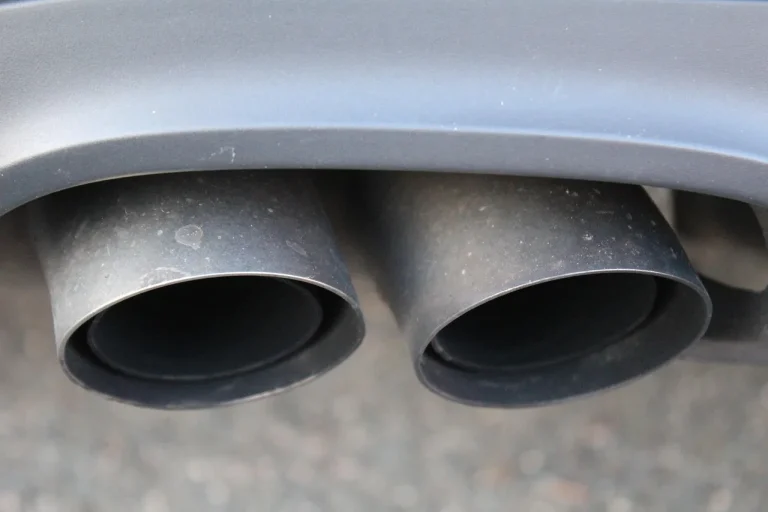
Choose a catted downpipe for street use and inspections; pick catless for track-only cars. Compare flow, smell, heat, sound, and fit.

Yes—if you want selectable sound, lower cabin drone, or a quieter commute, a valved exhaust can be worth it even when power gains are small.
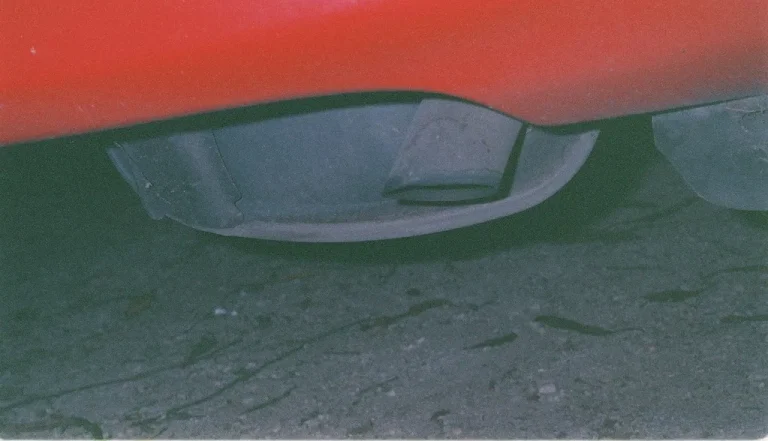
Single exhaust can make more power than dual on modest airflow engines. Duals only help when the engine can use the added flow; oversized duals can hurt torque and ground clearance.