

How a Side Exhaust Looks From Underneath: Essential Visual Guide
A side exit exhaust runs pipes along the car’s underbody and exits before or beside the rear wheels, creating a classic aggressive look while differing from standard rear exits.
Have you ever looked under your car and wondered about those pipes? Many car owners get curious when they see a side exhaust setup. It looks cool from the outside, but what does it really look like underneath?
Don’t worry – it’s simpler than you think. Side exhausts are popular on classic muscle cars, custom builds, and some performance vehicles. They can change how your car sounds and performs.
In this guide, I’ll show you clear photos and explanations of side exhausts from underneath. You’ll see exactly how the pipes route and where they exit. We’ll cover the differences from rear exhausts, pros and cons, and tips if you’re thinking about one. Let’s dive in and make this easy to understand!
What Is a Side Exit Exhaust?
A side exit exhaust, also called side pipes, routes the exhaust gases out the sides of the car instead of the back.
In a standard exhaust system, pipes run from the engine, through the catalytic converter and muffler, all the way to the rear bumper. With side exit, the pipes turn outward earlier and exit before or just after the rear doors.
This setup is common on classic cars like Corvettes, Mustangs, and some trucks. It’s also used in racing or custom builds for better ground clearance or style.
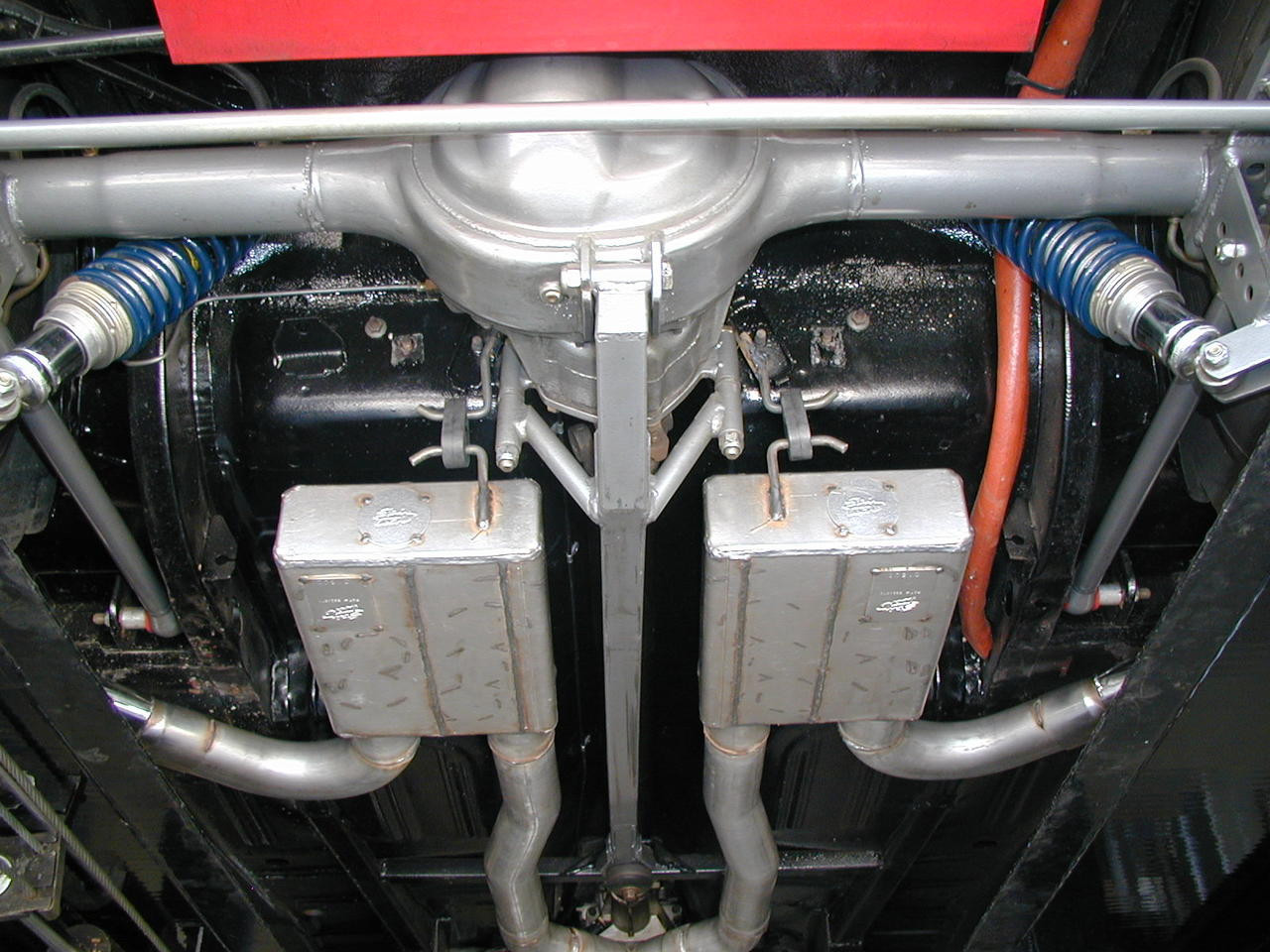
How a Side Exhaust Looks From Underneath
From under the car, a side exit exhaust looks different from a regular one. The pipes run along the frame or floor pan, then bend sharply outward to exit through the rocker panels or side skirts.
Here’s what you typically see:
- Pipes coming from the headers or manifold, running rearward under the car.
- A crossover pipe (H-pipe or X-pipe) for better flow.
- Mufflers placed midway under the car.
- After the mufflers, pipes curve out to the sides with a 45-90 degree bend.
- The tips exit just in front of or behind the rear wheels.
Compared to rear exit, there’s no long tailpipe section over the rear axle. This keeps things shorter and can free up space underneath.
Side Exit vs Rear Exit: Key Differences Underneath
Let’s compare the two setups side by side.
| Feature | Side Exit Exhaust | Rear Exit Exhaust |
|---|---|---|
| Pipe Routing | Shorter pipes, bend out midway | Long pipes run full length to rear |
| Exit Location | Before/ beside rear wheels | At rear bumper |
| Underbody Space | More clearance at rear | Pipes over rear axle |
| Typical Look Underneath | Clean rear, pipes hug sides | Pipes visible along entire length |
| Ground Clearance Impact | Better in rear, lower on sides | Even, but can hang low |
As you can see, side exit keeps the rear underbody cleaner but routes pipes closer to the doors.
Pros and Cons of Side Exit Exhaust
Side exhausts look awesome, but they’re not for everyone. Here’s a balanced view:
Pros:
- Cool, aggressive classic look – perfect for muscle cars.
- Shorter pipes can reduce weight slightly.
- Better ground clearance at the rear for lowered cars.
- Louder, more noticeable sound.
- Easier in some builds with tight rear suspension.
Cons:
- Louder inside the cab, especially with windows down.
- More exhaust smell can enter the car.
- Pipes get very hot on the sides – burn risk when getting out.
- Can soot up rocker panels or wheels.
- May not be street legal in some areas (check local laws).
- Harder to hide for a clean look.
| Pros | Cons |
|---|---|
| Stunning classic style | Increased cabin noise |
| Potential weight savings | Exhaust fumes closer to windows |
| Improved rear clearance | Heat on side panels |
| Deeper exhaust note | Possible soot buildup |
| Easier routing in custom builds | Legal restrictions in some states |
For more on exhaust basics, check this helpful diagram from the EPA: EPA Exhaust System Overview.
Common Vehicles With Side Exhaust From Underneath
Many classic cars came with side pipes from the factory or as options.
- 1960s-1970s Corvettes (famous smooth side pipes).
- Dodge Viper (early generations for packaging).
- Ford Mustang customs and kits.
- Shelby Cobra replicas.
- Some trucks and hot rods for that tough look.
In modern cars, it’s rarer due to noise and emissions rules, but still popular in aftermarket.
Safety Tips When Viewing Under Your Car
If you’re checking your own exhaust underneath:
- Park on flat ground and use parking brake.
- Let the car cool – exhaust gets extremely hot.
- Use jack stands if lifting – never rely on just a jack.
- Wear gloves and eye protection.
- Have a friend help for safety.
Safety first – a quick look can save headaches later.
Should You Switch to Side Exit?
If you love the classic vibe and don’t mind a bit more noise, side exit can be rewarding. It’s great for show cars or weekend drivers.
For daily driving, rear exit is usually quieter and more practical. Always check local laws and have a pro install if you’re new to it.
Frequently Asked Questions
Is side exit exhaust louder than rear?
Yes, usually. The exit is closer to you, so sound and fumes are more noticeable inside.
Does side exhaust hurt performance?
Not much if well-designed. Shorter pipes can even help flow slightly, but good rear systems perform just as well.
Can I install side exhaust myself?
Beginners can with kits, but welding and fitting take skill. Start with basic tools and follow instructions carefully.
Is side exit legal on the street?
It depends on your location. Many places require exit behind the passenger compartment. Check your state’s vehicle code.
Why do some cars have side exhaust from the factory?
For style, packaging (like in Vipers), or racing heritage. It also helps with diffuser design in performance cars.
Will side exhaust make my car smell gassy?
Possibly more than rear, especially at stops. Good tuning and seals help reduce this.
How do I clean soot from side exhaust?
Use exhaust tip cleaner and polish rocker panels regularly. Angle tips downward to direct soot away.
Conclusion
Now you know exactly how a side exhaust looks from underneath – shorter routing with outward bends for that iconic exit. It’s a bold choice that turns heads and adds character to your ride.
Whether you’re admiring a classic or planning your own build, understanding these visuals helps you appreciate the engineering and style.
If you’re thinking about a change, weigh the pros like stunning looks against cons like noise. Start small, stay safe, and enjoy the journey. Your car will thank you with a great rumble!
Drive safe and have fun out there.

