Cat-Back vs Axle-Back vs Header-Back Exhaust: Which Should You Buy?
You want to upgrade your exhaust — but the terminology is confusing. Cat-back, axle-back, header-back. What does each one actually cover, and which one do you need?
This guide cuts through the jargon with a clear explanation of each system, realistic performance expectations, and which is the right choice for different goals and budgets.
What Each System Replaces
| System | Replaces | What Is Included |
|---|---|---|
| Axle-back | Rear axle to tailpipe | Muffler + tailpipe tips |
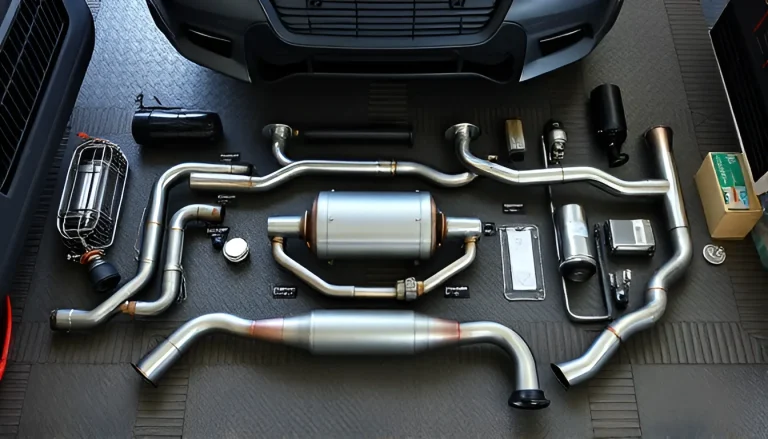
| Cat-back | Catalytic converter to tailpipe | Mid-pipe + resonator + muffler + tips |
| Header-back | Everything after the engine | Headers + downpipe + mid-pipe + muffler + tips |
Axle-Back — Best for Sound on a Budget
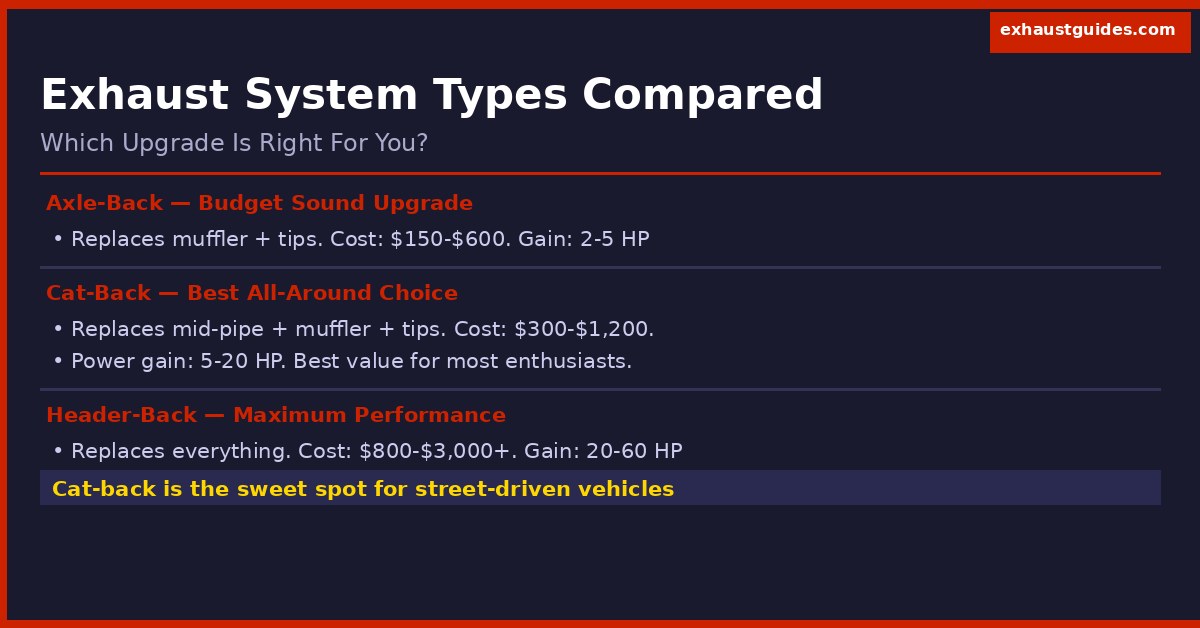
An axle-back replaces only the muffler and tailpipe tips — the section behind the rear axle. It changes the exhaust note meaningfully (usually deeper and louder) but delivers minimal performance improvement. Power gain: 2–5 HP. Cost: $150–$600. Installation: under one hour. Best for: daily drivers who want better sound without spending much.
Cat-Back — The Sweet Spot for Most Enthusiasts
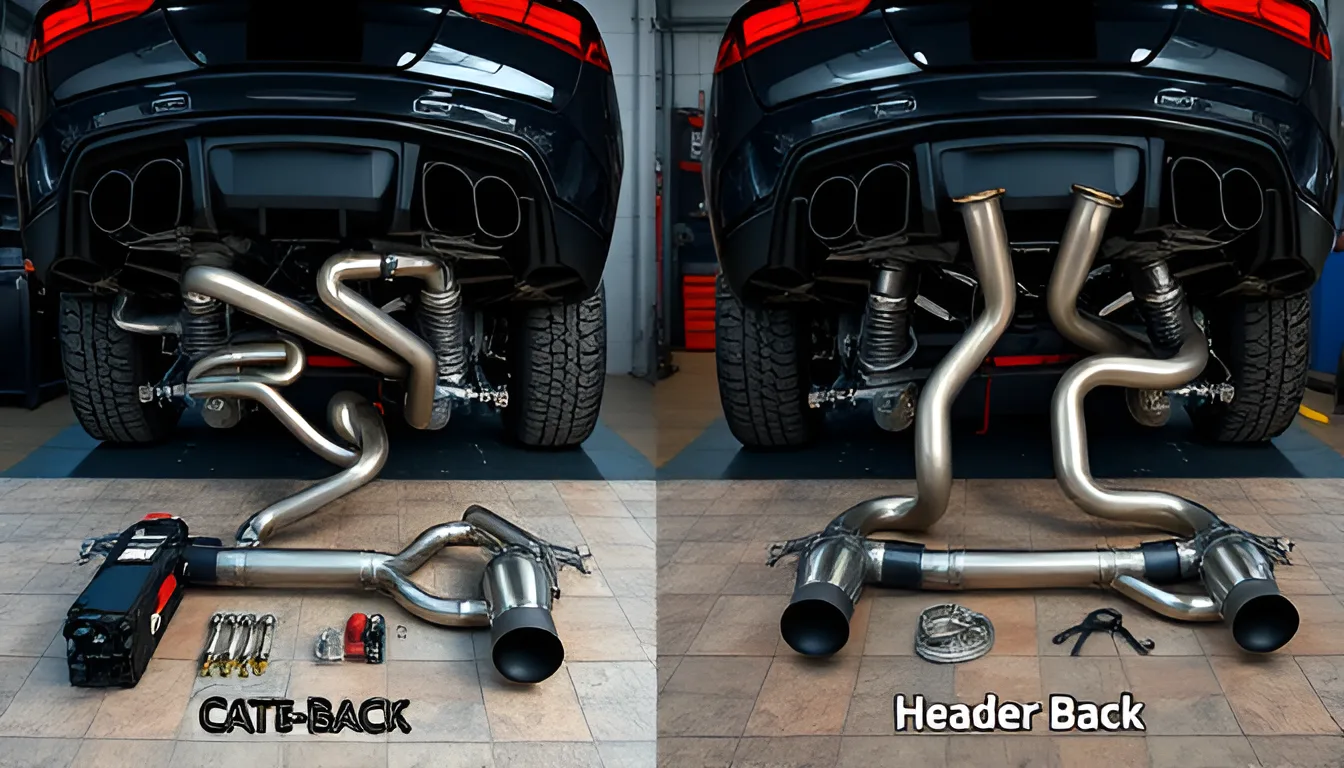
A cat-back replaces everything from the catalytic converter back. The wider, mandrel-bent piping reduces backpressure significantly, improving exhaust flow, delivering measurable power gains, and noticeably improving the exhaust note. Power gain: 5–20 HP. Cost: $300–$1,200. Installation: 1–3 hours. Best for: most street and occasional track use. This is the most popular aftermarket exhaust upgrade for good reason.
Header-Back — For Built or Heavily Modified Engines
A header-back replaces the entire exhaust from the manifold back. Performance headers optimize exhaust scavenging — a process where exhaust pulses help pull gases from adjacent cylinders, improving efficiency. Power gain: 20–60 HP (combined with other mods). Cost: $800–$3,000+. Best for: track cars, race builds, or vehicles where every component is already modified. On a stock engine, the extra cost rarely justifies marginal gains over a quality cat-back.
Which Should You Choose?
| Your Goal | Best Choice | Budget |
|---|---|---|
| Better sound, minimal spend | Axle-back | $150–$600 |
| Sound + real power gains | Cat-back | $300–$1,200 |
| Maximum performance (built engine) | Header-back | $800–$3,000+ |
| Stock daily driver | Cat-back | $300–$800 |
| Track / race build | Header-back | $1,000+ |
Emissions and Legal Considerations
Axle-back and cat-back systems that retain the catalytic converter are legal in all 50 US states and pass emissions testing. Header-back systems that remove the catalytic converter are not street-legal and will fail emissions tests. Always verify compliance before purchasing.
Frequently Asked Questions
Does a cat-back exhaust require a tune?
On most stock engines, no. Modern ECUs adapt automatically to reduced backpressure. On heavily modified engines, a tune extracts the full benefit.
Once you have chosen your system, see our guide on the best mufflers for deep sound to pair with the right muffler for your desired tone.