Will a Clogged Catalytic Converter Cause a Misfire? What You Need to Know
If your car is misfiring and you’ve already checked the spark plugs and ignition coils with no luck, the exhaust system might be the real culprit. A clogged catalytic converter can cause misfires — and understanding why helps you diagnose and fix the problem correctly the first time.
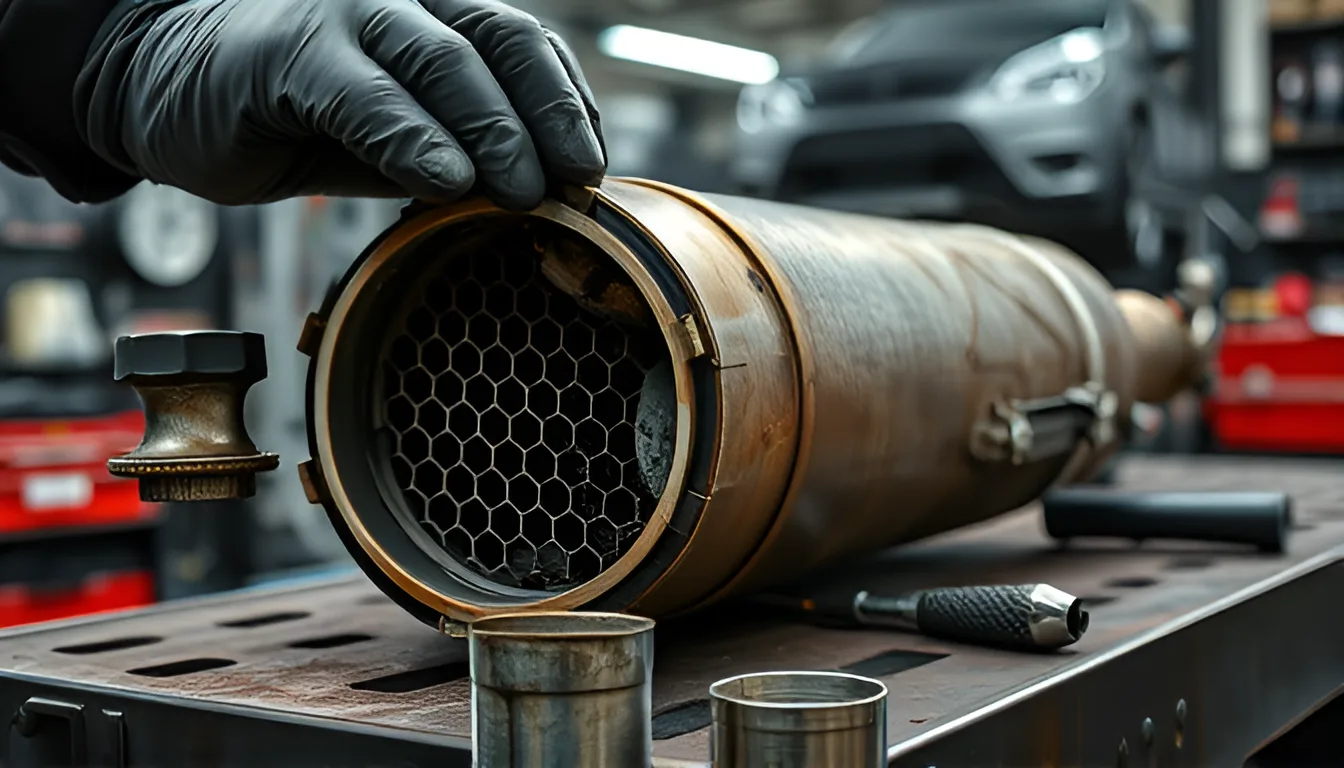
How a Clogged Catalytic Converter Causes Misfires
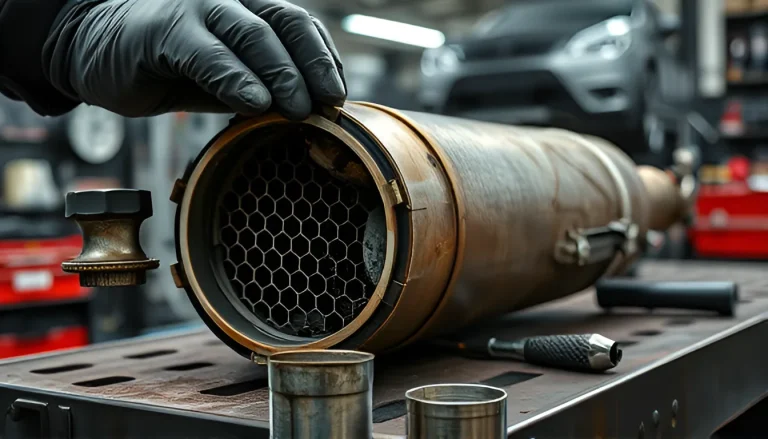
Your engine is essentially a pump. It needs to expel burned gases before drawing in fresh air and fuel. When the catalytic converter is severely clogged, it creates a choke point that builds exhaust back pressure.
That back pressure prevents the engine from fully expelling exhaust gases. Burned gases dilute the next air-fuel charge, causing incomplete combustion — a misfire. This is most pronounced when the engine is hot and exhaust flow demand is highest.
When Does a Clogged Cat Actually Cause Misfires?
Early catalyst degradation (mild P0420 codes) rarely causes misfires. The connection becomes real when:
- The ceramic substrate has collapsed and physically blocks flow
- Severe carbon deposits have blocked most of the honeycomb passages
- The converter has melted internally from overheating
At this stage, back pressure at idle can exceed 3 PSI — well above the 0-0.5 PSI spec for most engines.
Clogged Cat Symptoms vs. Engine Misfire: How to Tell the Difference
Both issues share symptoms. Key differentiators:
- Clogged cat specific: P0420/P0430 codes, sulfur smell, symptoms worsen when engine is hot
- Engine misfire specific: P0300-P0308 codes, rough idle unrelated to exhaust restriction
- Both together: If you have P0420 AND misfire codes simultaneously, back pressure is likely causing the misfire
Also check our guide on exhaust smoke color meaning — smoke color can reveal engine oil or coolant burning, which often causes both cat failure and misfires simultaneously.
3 Ways to Test for a Clogged Catalytic Converter
1. OBD-II Scanner (Easiest)
Pull your diagnostic codes. P0420 or P0430 flags catalyst efficiency failure. Combined misfire codes (P0300-P0308) strongly suggest back pressure is the misfire culprit rather than ignition system issues.
2. Exhaust Back Pressure Test (Most Accurate)
Remove the upstream O2 sensor and thread in a back pressure gauge. Normal idle pressure: below 1.5 PSI. Snap throttle: should not exceed 3 PSI. Anything higher points to a blocked converter.

3. Live O2 Sensor Data Monitoring
Monitor upstream and downstream O2 sensor readings in real time. Normally the downstream sensor shows relatively stable readings while the upstream fluctuates. If both fluctuate identically, the converter is no longer processing exhaust gases.
Can You Fix It Without Replacing?
Sometimes. For mild carbon buildup (not a broken substrate), a catalytic converter cleaner added to a full tank of fuel plus a 20-30 minute highway drive can burn off deposits. According to Car and Driver, this works best on early-stage fouling.
If back pressure testing confirms physical blockage, or if the substrate rattles, replacement is unavoidable. See our catalytic converter replacement cost guide and factor in any related exhaust repair costs if surrounding components are damaged.
Frequently Asked Questions
Will a clogged catalytic converter cause a misfire?
Yes. Severe clogging creates exhaust back pressure that prevents the engine from completing its exhaust stroke, causing misfires — especially when the engine is hot.
What OBD codes does a clogged catalytic converter cause?
Most commonly P0420 (bank 1) and P0430 (bank 2). Secondary misfire codes P0300-P0308 may also appear.
How do I test if my catalytic converter is clogged?
The most reliable test is an exhaust back-pressure test at the upstream O2 sensor port. Normal idle pressure is below 1.5 PSI — higher readings indicate blockage.
Can I unclog a catalytic converter myself?
Mild carbon buildup can sometimes clear with a catalytic converter cleaner and sustained highway driving. A broken substrate requires replacement.
How long can I drive with a clogged catalytic converter?
A mildly clogged converter may be drivable briefly, but severe clogging can damage the engine quickly. Replace it promptly to avoid compounding repair costs.