
Muffler Delete: Pros, Cons, and Is It Legal in Your State?
Muffler Delete: Pros, Cons, and Is It Legal in Your State?
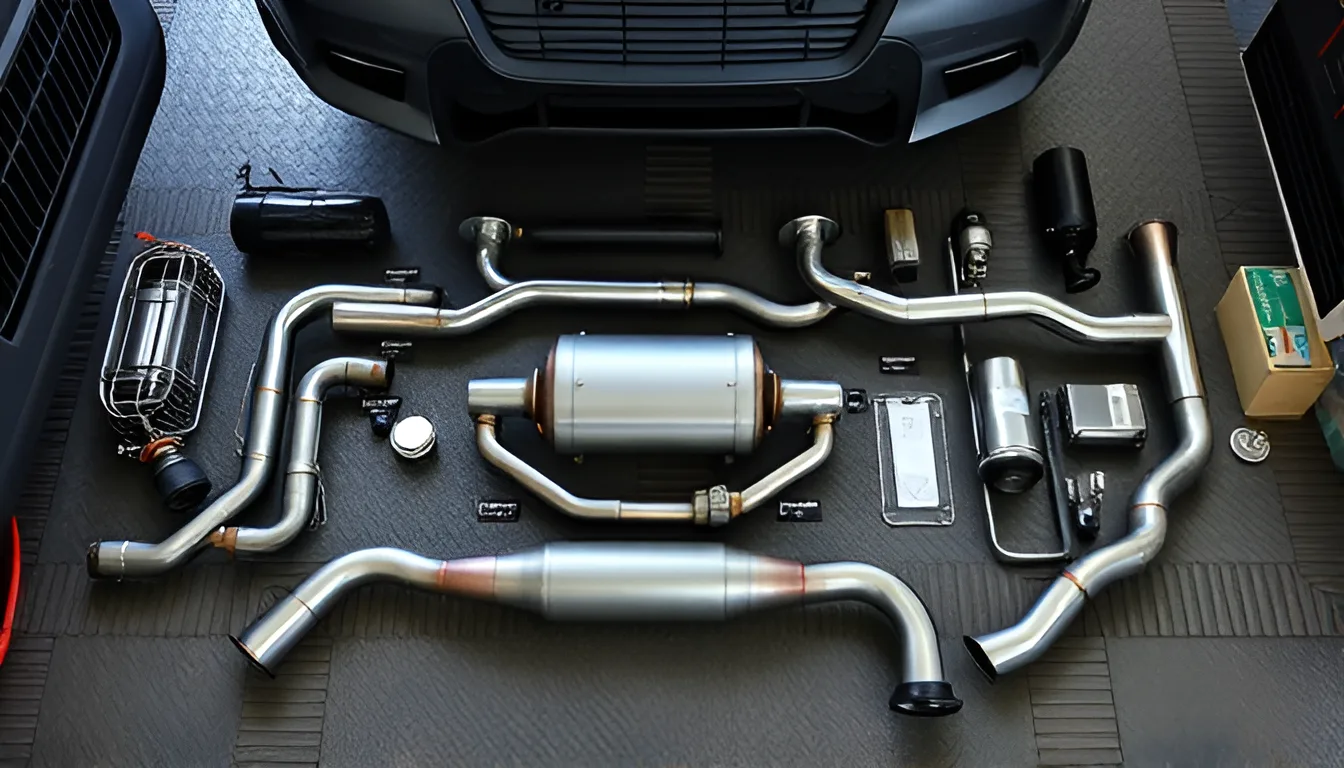
A muffler delete is one of the most talked-about exhaust modifications in the car community — and one of the most misunderstood. At its core, a muffler delete removes the muffler from your exhaust system and replaces it with a straight pipe, resulting in a louder, more aggressive exhaust note.
But before you book an appointment at the exhaust shop, there are some important pros, cons, and legal considerations you need to understand first.
What Is a Muffler Delete?
The muffler is the component at the rear of your exhaust system responsible for reducing engine noise. It uses a series of internal chambers and baffles to dampen sound waves before they exit the tailpipe.
A muffler delete involves removing this component and welding in a section of straight pipe in its place. The result is a direct, unrestricted exhaust path — and a significantly louder vehicle.
Some drivers opt for a resonator delete at the same time, removing the resonator (which also dampens certain sound frequencies) for an even more aggressive sound. Others add an aftermarket muffler later to tune the tone to their preference. For deeper sound options, see our guide to the best mufflers for deep sound.
Muffler Delete Pros
Louder, More Aggressive Exhaust Note
The primary reason most people pursue a muffler delete is sound. Without the muffler dampening exhaust noise, the raw engine tone comes through — often a deep, throaty roar that many enthusiasts find appealing.
The exact sound depends on your engine type. V8 engines tend to produce a classic American muscle rumble, while inline-4 and 6-cylinder engines can sound raspy or high-pitched without the right tuning.
Minor Performance Gains
Removing the muffler reduces exhaust backpressure, which can translate to small horsepower and torque gains. Most dyno tests show improvements in the range of 5 to 10 HP on naturally aspirated engines, though results vary widely.
For drivers looking to maximize performance through exhaust modifications, explore our detailed breakdown of whether straight pipe exhaust increases horsepower.
Weight Reduction
Mufflers are heavy — often 10 to 30 pounds depending on vehicle size. Removing one reduces overall vehicle weight, which contributes marginally to performance, especially in lightweight sports cars and track builds.
Lower Cost Than a Full Exhaust Upgrade
Compared to a full cat-back exhaust system replacement, a muffler delete is significantly cheaper. For drivers on a budget who want more sound, it’s one of the lowest-cost modifications available — typically $100–$250 at a muffler shop.
Muffler Delete Cons
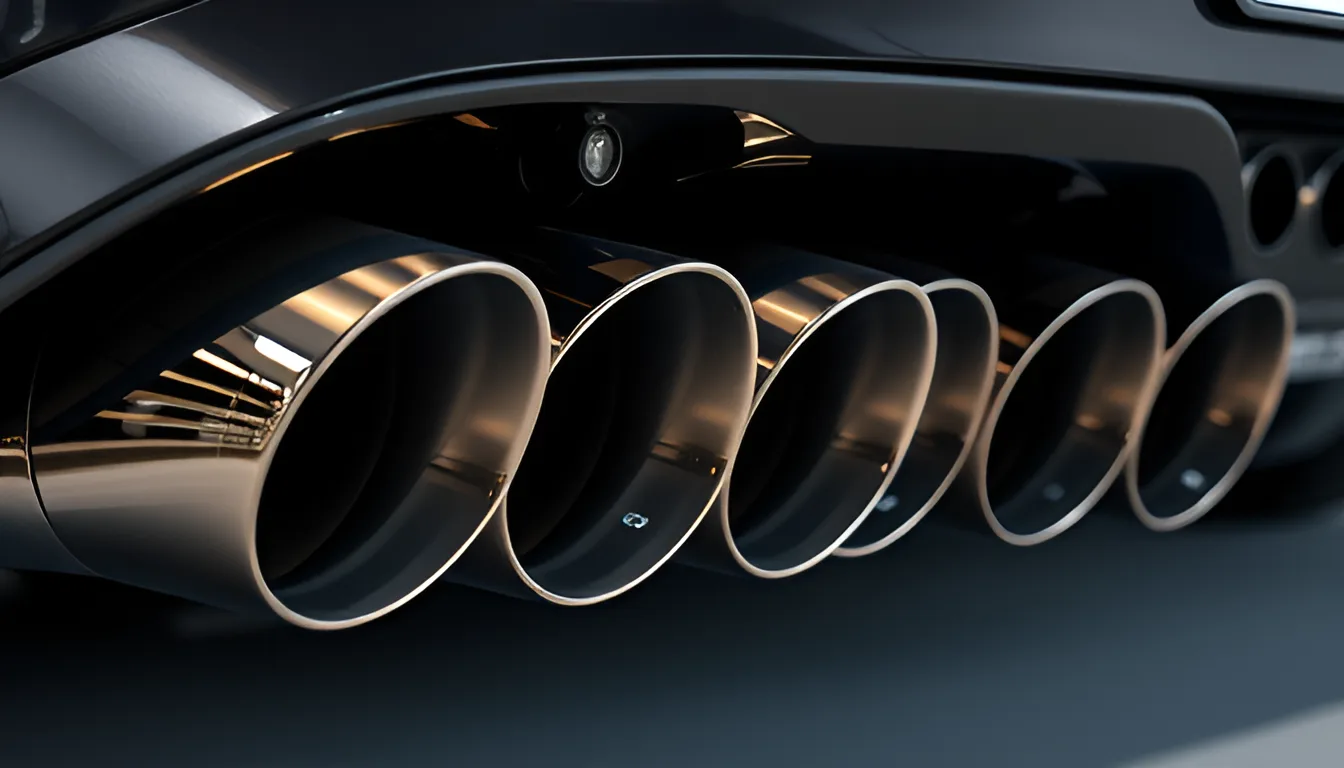
It’s Extremely Loud — Often Uncomfortably So
What sounds exciting on a YouTube video can be exhausting in daily driving. A muffler delete makes your car significantly louder at all times — idle, acceleration, and highway cruising. Many drivers find this fatiguing over longer trips.
Interior cabin noise increases substantially, making phone calls, music, and conversation more difficult. This is one reason many enthusiasts eventually reinstall a muffler or switch to a high-flow aftermarket unit.
Drone at Highway Speeds
Drone — a low-frequency resonant hum inside the cabin — is a common complaint after a muffler delete. At certain RPM ranges (often 1,800–2,500 RPM, common at highway speeds), exhaust frequencies can resonate through the vehicle body and create a constant, irritating noise.
Potential Emissions Issues
While a muffler delete doesn’t directly affect catalytic converter function, any significant alteration to exhaust flow can impact emission test results in some states. If your vehicle already runs near the edge of acceptable emission thresholds, removing the muffler could push it over.
Check out our guide on exhaust leak symptoms to understand how exhaust system integrity relates to emissions performance.
Resale Value Impact
A loud, modified exhaust system turns off many used car buyers. Unless you’re selling to another enthusiast, a muffler delete can reduce your vehicle’s resale value and limit your pool of buyers.
Is a Muffler Delete Legal?
This is where most drivers run into trouble. In the majority of U.S. states, a muffler delete on a street-driven vehicle is illegal.
Federal Law
Under the Clean Air Act, it is illegal to tamper with, remove, or defeat any federally required noise or emissions control equipment on a motor vehicle. The muffler qualifies as noise control equipment. Violations can result in fines of up to $25,000.
State-Level Noise Laws
Most states have their own vehicle noise ordinance laws with specific decibel limits. States like California, New York, and Florida actively enforce these laws, and law enforcement can cite you for excessive exhaust noise even without a formal emissions test.
California’s Vehicle Code Section 27150 specifically requires every vehicle to have an adequate muffler in constant operation. Violating this can result in a fix-it ticket or fine.
Track-Only Exception
A muffler delete is generally acceptable for track-only vehicles that are trailered to events and never driven on public roads. Most sanctioning bodies have their own noise limits, so even here, there may be restrictions.
Muffler Delete vs. Aftermarket Muffler: Which Is Better?
For most drivers, an aftermarket high-flow muffler is a better solution than a full delete. A quality aftermarket muffler can deliver improved sound and minor performance gains while remaining street legal and avoiding the drone and volume issues associated with a full delete.
If you’re considering a broader exhaust upgrade, compare the options in our guide to cat-back vs. axle-back vs. header-back exhaust systems to find the best fit for your goals and budget.

Frequently Asked Questions
What is a muffler delete?
A muffler delete is a modification where the muffler is removed from the exhaust system and replaced with a straight pipe or resonator delete pipe. This makes the exhaust significantly louder and can slightly improve exhaust flow, though it is illegal for street use in most U.S. states.
Does a muffler delete add horsepower?
A muffler delete can add a small amount of horsepower — typically 5 to 10 HP on most naturally aspirated engines — by reducing exhaust backpressure. However, the gains are modest and vary significantly depending on the vehicle. On turbocharged engines, results can differ further.
Is a muffler delete legal?
In most U.S. states, a muffler delete is illegal for street-driven vehicles. Federal law under the Clean Air Act prohibits tampering with federally required emissions and noise control equipment. Many states also have their own noise ordinance laws with decibel limits. Muffler deletes are generally only legal for track-only vehicles.
Will a muffler delete cause a check engine light?
A muffler delete alone typically will not trigger a check engine light, since the muffler is downstream of the oxygen sensors. However, if the modification alters exhaust backpressure enough to affect sensor readings, or if paired with other modifications, a CEL is possible.
How much does a muffler delete cost?
A basic muffler delete typically costs between $100 and $250 at a muffler shop, including parts (a straight pipe section) and labor. More complex vehicles or custom pipe work can push the cost higher. Note that reverting the modification to pass inspection adds additional expense.