Muffler Delete vs Straight Pipe
A muffler delete removes only the muffler. A straight pipe removes the muffler and, in some builds, the resonator and catalytic converter as well, so it is usually much louder and more likely to create legal or inspection problems. Use the layout below to confirm what is actually on the car before buying parts or paying for fabrication.
| Factor | muffler delete | straight pipe | Location check | Winner |
|---|---|---|---|---|
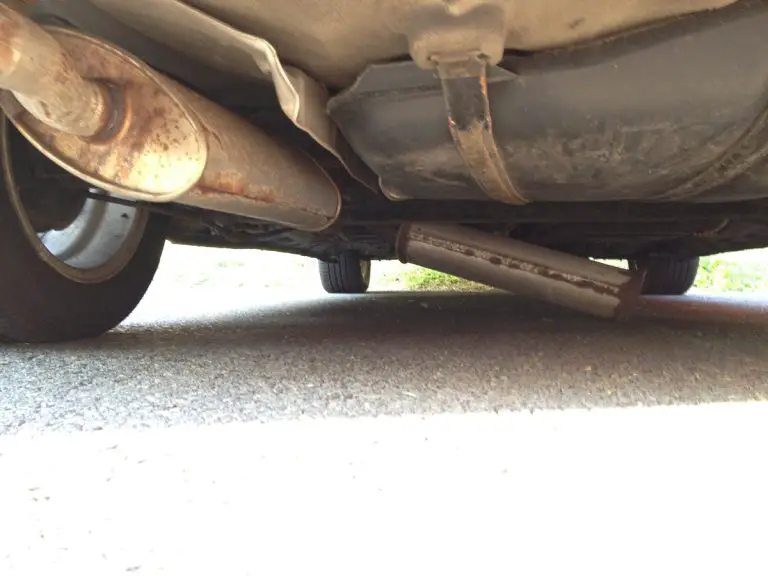
| Parts removed | Muffler only; the catalytic converter and resonator usually stay in place. | Muffler and often resonator; some setups also remove the catalytic converter. | Rear muffler off, center resonator usually still visible on many cars, catalytic converter farther forward near the engine. | straight pipe |
| Loudness | Louder than stock, but usually below a true straight pipe. | Loudest option in the comparison. | Check whether the rear muffler is replaced with pipe and whether a center resonator is still present. | straight pipe |
| Drone risk | Moderate; the remaining resonator can keep cabin resonance in check. | High; the lack of sound control often leaves more constant-speed drone. | Look for a center resonator and note whether it remains between the engine and rear muffler. | muffler delete |
| Emissions and inspection risk | Lower if the catalytic converter stays in place, though local noise rules still matter. | Higher, especially if the catalytic converter is removed. | Verify whether the catalytic converter is still installed in the forward section of the exhaust. | muffler delete |
| Cost and install complexity | Usually cheaper and simpler; many cars can use a bolt-on swap. | Usually more expensive because fabrication and extra pipe work are more common. | Rear-muffler-only swaps are simpler than routing pipe through the resonator section. | muffler delete |
| Daily-driver fit | Better match for commuting if you want more sound without maximum harshness. | Best for weekend track sessions or trail rigs, not daily street use. | Confirm the rear muffler and center resonator arrangement before choosing a louder setup. | muffler delete |
Muffler delete vs straight pipe
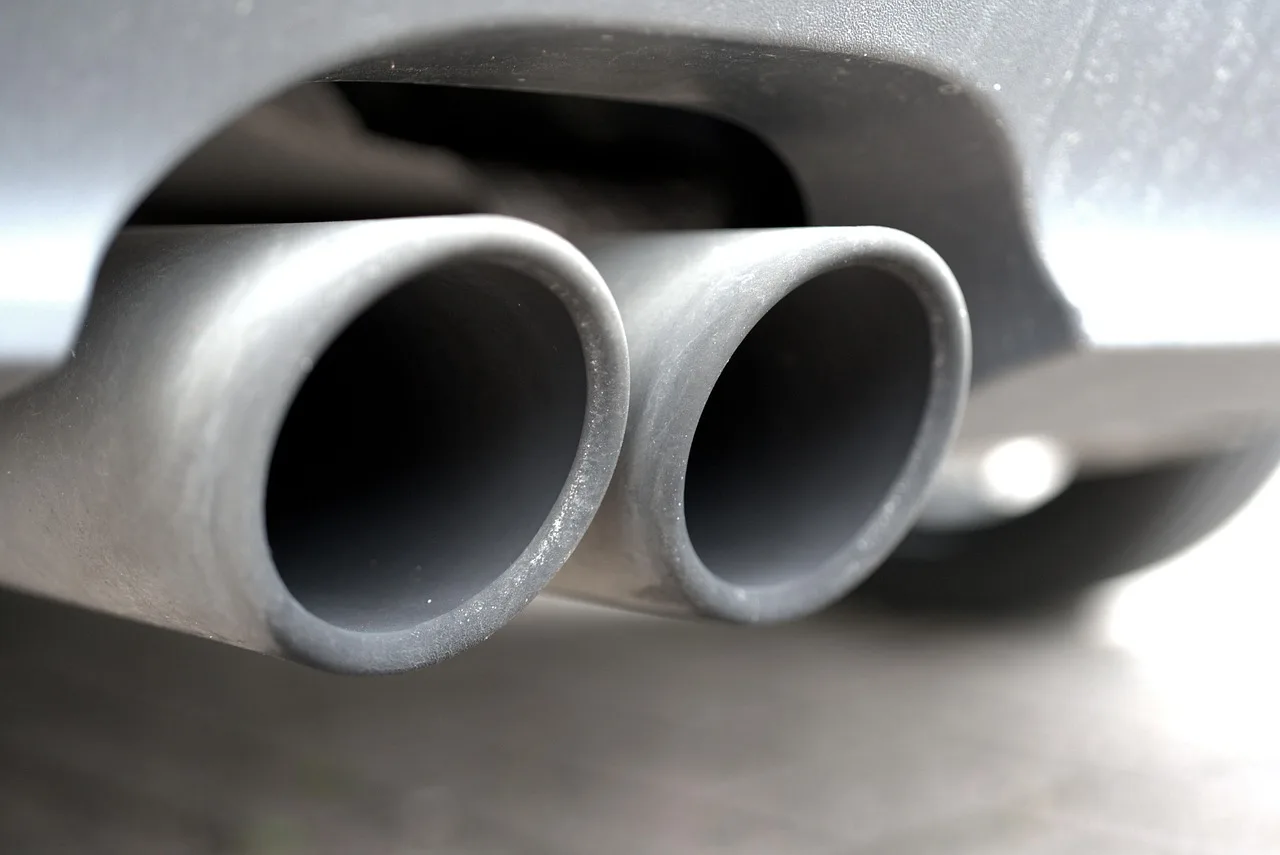
A muffler delete removes only the rear muffler, while a straight pipe removes more restriction and often includes the resonator, with some builds also removing the catalytic converter. That is why the two are not the same modification. Straight pipe is the louder, harsher choice; muffler delete is the milder step for drivers who want more sound without going to the extreme.
What each setup removes
A true straight pipe means a system with no muffler and, in many definitions, no resonator and no catalytic converter in the section being discussed. A muffler delete is narrower: it replaces only the rear muffler with pipe and usually leaves the converter and resonator in place. People often misuse “straight pipe” for any loud exhaust, but the parts removed are what define it.
That is why terminology gets messy. People often say “straight pipe” when they mean a rear muffler delete, a resonator delete, or a cat-back with fewer restrictions. Those are not interchangeable, and the parts removed change both sound and legal risk.
Where resonators and catalytic converters fit
The resonator is a sound-control part. It is often still present on a muffler-delete car, and it is removed in many straight-pipe setups. The catalytic converter is different: it is an emissions-control part, and removing it is the main legal and inspection fault line. If the converter stays, the build is usually easier to defend than one that deletes emissions equipment.
Picture a street car with a stock catalytic converter, a center resonator, and a rear muffler. If only the rear can is replaced with pipe, that is a muffler delete. If the center resonator also disappears, the car is moving toward a true straight-pipe setup, especially if the catalytic converter is also removed farther forward.
Muffler delete vs straight pipe table
Use the table below to confirm what is on the car before you buy parts. Start at the rear muffler, look for a center resonator, then check whether the catalytic converter is still mounted farther forward near the engine. The table separates muffler delete, resonator delete, muffler-plus-resonator delete, and true straight pipe so the common misuse of “straight pipe” does not blur the differences.
| Configuration | How to verify under the car | Removed parts | Relative loudness | Drone risk | Emissions / legal risk | Daily-driver suitability |
|---|---|---|---|---|---|---|
| stock | Rear muffler, center resonator, and catalytic converter are still present. | None | Lowest | Low | Lowest | Best |
| muffler delete | Rear muffler is replaced by pipe; resonator and catalytic converter usually remain. | Muffler | Louder than stock, quieter than straight pipe | Moderate | Moderate to lower, depending on local noise rules | Good for many street cars |
| resonator delete | Center resonator is missing, but rear muffler and catalytic converter may still be there. | Resonator | Middle ground | Moderate to high | Usually lower than catalyst removal, but still check noise rules | Mixed |
| muffler + resonator delete | Rear muffler and center resonator are both gone; catalytic converter may still stay. | Muffler, resonator | Very loud | High | Higher because noise compliance gets harder | Poor for commuting |
| straight pipe | Rear muffler and resonator are gone, and some versions also remove the catalytic converter. | Muffler, often resonator, sometimes catalytic converter | Highest | Highest | Highest if the catalytic converter is removed | Usually poor |
- Find the rear muffler. It is usually the largest can near the tailpipe.
- Check for a center resonator. It is often a smaller canister in the mid-pipe section.
- Look farther forward for the catalytic converter. It sits closer to the engine and is usually tied to emissions compliance.
- Match what you see to the table before ordering parts or paying for fabrication.
Which is louder?
Straight pipe is louder than a muffler delete in the usual street-car comparison. Reputable exhaust and aftermarket guides consistently describe straight pipe as the loudest option because it removes more sound control. Loudness matters most at idle, during light-throttle cruising, and at wide-open throttle, where the lack of muffling is easiest to hear.
Idle, cruise, and wide-open throttle
At idle, the difference is easy to hear because the exhaust pulses are slower and less masked by road noise. At cruise, the bigger issue is steady cabin boom rather than peak volume. At wide-open throttle, straight pipe tends to sound harsher and more raw, while a muffler delete usually keeps a little more structure in the note.
A common first-timer mistake is assuming “loudest at idle” means “best sounding on the highway.” That is where drone shows up. A system that sounds aggressive in a driveway can become tiring after 30 minutes at a constant 2,000 rpm.
Why decibel level matters
Noise-health guidance from the CDC and NIOSH places 85 dB over a workday as the level where hearing risk becomes a concern with sustained exposure. That makes very loud exhaust setups more than a style choice. It also turns comfort and hearing protection into practical issues for anyone who commutes or takes long trips.
Drone and daily driving
Drone is a constant-speed cabin resonance that feels like a low, steady boom inside the car. Straight pipes usually create more of it because they remove more of the parts that break up sound waves. A muffler delete can still drone, but it is often easier to live with when the resonator stays in place.
How a resonator changes cabin noise
The resonator is the part that many drivers miss when they jump straight to the loudest option. It does not erase sound, but it can smooth rasp and reduce the frequency bands that turn into cabin boom. That is why a resonator delete often pushes a car closer to straight-pipe behavior even if the muffler remains.
Suppose a four-cylinder sedan loses its rear muffler but keeps the resonator. The car will usually sound louder at cold start, yet it may stay tolerable on the highway. Remove the resonator too, and the same car is much more likely to buzz or drone at steady speeds.
What to expect on highway trips
For commuting, the main question is not only volume. It is fatigue. Straight pipes often make long drives harder because the sound stays present at the exact speeds people hold for minutes at a time, while a muffler delete is more likely to strike a middle ground that preserves some comfort.
Performance and backpressure
Straight pipe reduces restriction more than a muffler delete, but that does not guarantee a noticeable power gain on a street car. Independent estimates vary by vehicle and engine, and published horsepower claims should be treated as approximate rather than universal. In many cases, the change is more audible than measurable from the driver’s seat.
What backpressure really changes
Backpressure gets used loosely in exhaust discussions. In practice, reducing restriction can help some engines in some setups, but less restriction does not automatically mean better real-world acceleration. On a mostly stock car, the change is often more audible than measurable, especially without tuning or supporting hardware changes.
When tune and engine layout matter
Turbocharged engines, naturally aspirated engines, and different pipe diameters do not react the same way. A vehicle with a restrictive factory exhaust may respond differently than one already designed with larger piping. If the rest of the system, the tune, and the engine combination are not set up for it, the gain may be too small to justify the noise.
Legality and emissions risk
The biggest legal divide is catalytic converter removal. Muffler removal mainly raises noise-compliance concerns, while straight pipe can add emissions risk if it deletes the converter as well. That is why straight pipe carries the higher inspection and citation risk in most places, especially where tampering with emissions equipment is prohibited by law.
Muffler removal versus catalyst removal
Removing the muffler alone is often treated differently from removing an emissions device. The muffler controls sound; the catalytic converter controls emissions. If the converter is gone, the problem is no longer just loudness, and the car may fail inspection or run afoul of local rules. EPA guidance also treats tampering with emissions controls as a separate legal issue from noise modification.
What to check before you modify
Check your state or local inspection rules before ordering parts. Then check the actual exhaust layout on the car. A setup that is legal in one area can be a problem in another, especially if the converter is removed or if the exhaust note exceeds local noise limits.
Cost and install complexity
Muffler delete is usually cheaper and simpler. Many cars can do it with a bolt-on section or a short weld-in swap. Straight pipe tends to cost more because the work often expands beyond one rear component and may need more fabrication time to route everything cleanly.
Bolt-on work versus fabrication
If the rear section has a direct-fit kit, the job is straightforward. If the setup needs custom bends, hanger changes, or a longer pipe run where the resonator used to sit, labor climbs. That is one reason straight pipe often costs more than a muffler delete even before parts are counted.
Shop labor versus DIY cost
Muffler delete total cost is typically lower than a custom straight-pipe job because the swap is smaller and parts are simpler. Straight pipe can move beyond that once fabrication enters the picture. DIY can reduce labor cost, but only if the car layout allows a clean fit and the tools are available to cut and secure the pipe properly.
Choose muffler delete if… / Choose straight pipe if…
Choose muffler delete if you want more exhaust sound without deleting the resonator or catalytic converter, you commute often, or you want the cheaper and simpler path. Choose straight pipe if you are building for track or off-road use, want the loudest setup, and accept higher drone, higher legal risk, and more fabrication.
Muffler delete also makes sense when you want a step change, not an all-out setup. Straight pipe fits best when sound is the priority and comfort is secondary. If you are undecided, stop at the muffler delete first; many drivers find that it gives enough volume without crossing into constant cabin boom.

- T304 stainless steel
- Straight pipe design
- Universal DIY fitment
Frequently asked questions
Muffler delete vs straight pipe difference
The difference is the number of parts removed. A muffler delete removes only the muffler and usually keeps the catalytic converter and resonator, while a true straight pipe removes more restriction and often includes the resonator, with some versions also removing the catalytic converter. That makes the straight pipe louder and riskier.
Muffler delete vs straight pipe sound
Muffler delete is usually loud enough to be obvious but still more controlled than a straight pipe. Straight pipe is the louder, harsher setup and often adds more rasp and drone. At idle, cruise, and wide-open throttle, the straight pipe tends to dominate the comparison.
Resonator delete vs straight pipe
A resonator delete removes only the resonator, so the rear muffler may still stay in place. Straight pipe removes more than that and often goes farther by taking out the muffler too. That is why a resonator delete can change tone without reaching the volume or risk of a full straight pipe.
Muffler and resonator delete vs straight pipe
Removing both the muffler and resonator gets close to straight-pipe behavior, but it is still not always the same thing. A true straight pipe may also remove the catalytic converter, which is the big legal and emissions difference. Sound and drone can be very similar, but the risk profile is not.
Is muffler delete or straight pipe louder?
Straight pipe is louder. The comparison tables commonly place muffler delete below a true straight pipe, with stock exhaust quieter still. The louder setup also tends to carry more drone and a less refined tone, especially at constant cruising speeds.
What’s better muffler delete or straight pipe
For most street cars, muffler delete is the better balance because it is cheaper, quieter, and easier to live with. Straight pipe is the better fit only when maximum sound matters more than comfort and the car does not need to behave like a normal commuter. The right answer depends on how often the car leaves the driveway.